There is a version of artificial intelligence that never writes a poem or paints a picture. It stares at a metal bracket sliding past on a conveyor, ten thousand times an hour, and flags the one that is cracked. It is unglamorous, repetitive, and enormously valuable - and it is the version Akridata decided to build. The company, founded in 2018 and acquired by DIMAAG in May 2026, spent its life on a problem most of the industry preferred to skip: not the model, but the mountain of visual data underneath it.
Akridata's tagline reads "Smarter Visual Data, Better Human Decisions." That ordering is deliberate. The company was never selling a robot that replaces the inspector on the line. It was selling a way to make the inspector - and the data scientist behind them - faster, cheaper, and more sure of what they were looking at.
01 / The ThesisThe boring problem nobody wanted
Most AI stories fixate on the model. Akridata's founders bet on the opposite idea: that the real bottleneck in getting AI into production is data - specifically, the exabytes of unlabeled images and video that pile up faster than any team can sort, label, or make sense of. Their early product, the Edge Data Platform, was pitched as the first infrastructure built for "data-centric AI," spanning edge, core, and cloud to deliver datasets that were curated, consistent, and actually relevant.
The follow-on tool, Data Explorer, let data-science teams search and curate large unlabeled visual datasets without labeling all of it by hand first. The unromantic pitch: stop paying to annotate data that will not change your model. Curate first, label less.
02 / The ProductsThree tools, one engine
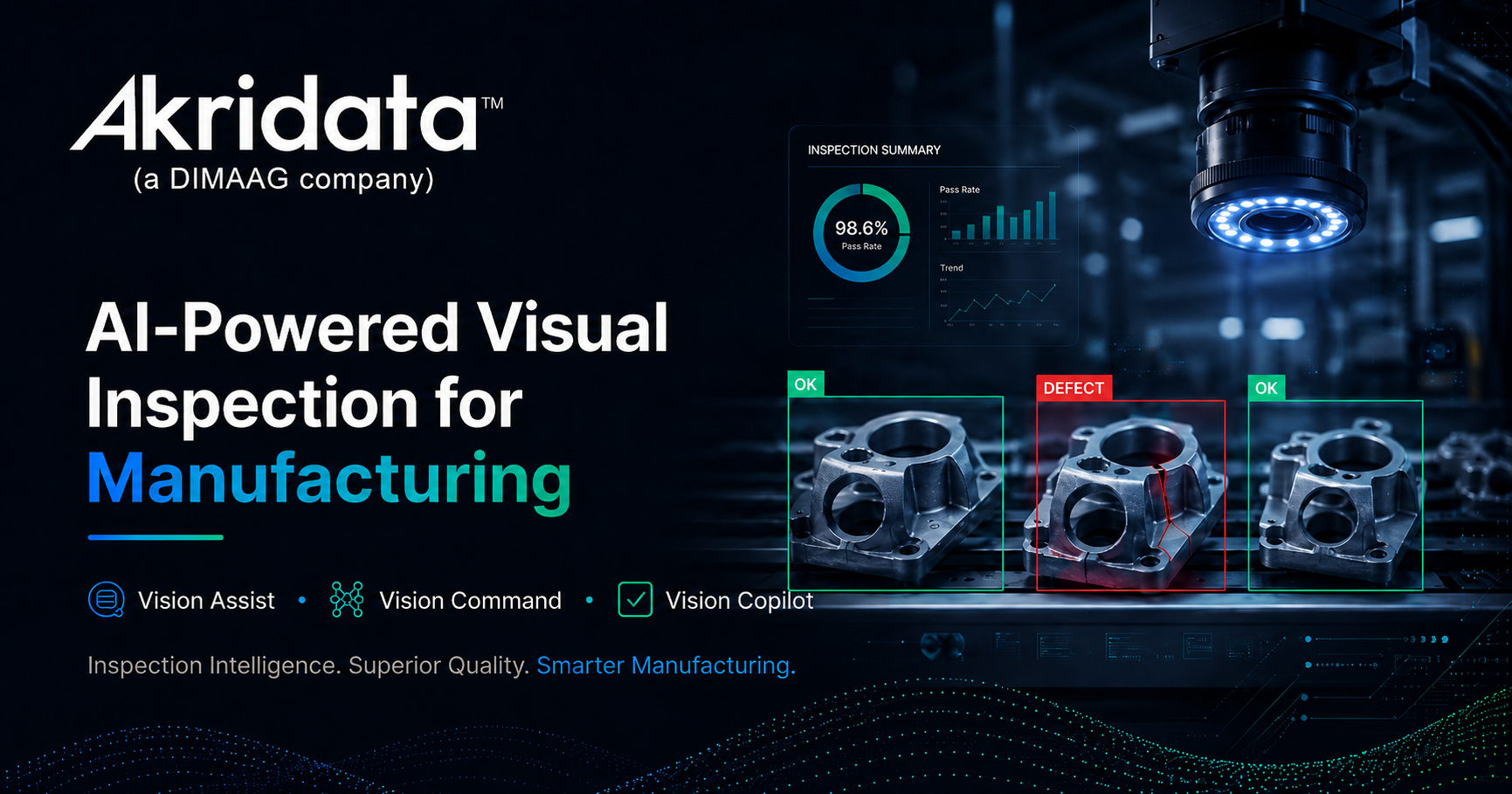
By 2025, that data engine had become a product line pointed squarely at the factory floor. Where Data Explorer was a tool for data teams, the Vision suite was built for the people who actually run quality control. There are three, and the division of labor is clean.
Vision Assist
An AI-assisted inspection system that sits alongside a human inspector, flagging defects in real time and taking multimodal input - image, text, voice. It plugs into existing legacy lines rather than ripping them out.
Vision Command
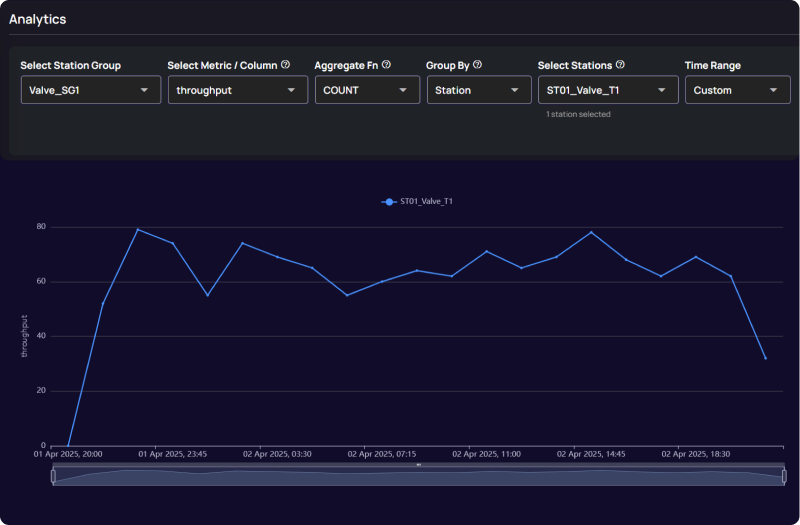
A real-time control room for manufacturing: tracks defects across lines, monitors compliance, keeps audit logs, and tunes throughput. This is the layer a plant manager watches.
Vision Copilot
A collaborative platform for data scientists to visualize, curate, label, and generate synthetic data, then train, test, and deploy vision models - with the data kept where it lives.
The labeling-cost argument
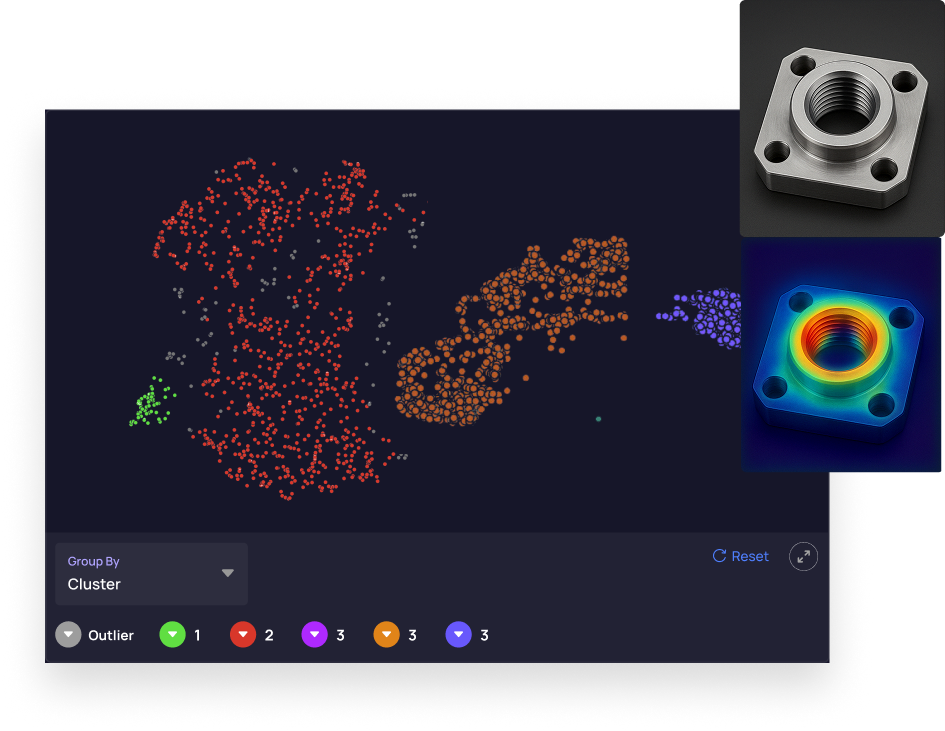
Vision Copilot's whole economic case is that labeling is where computer-vision budgets go to die. By intelligently prioritizing which datasets are worth annotating, the platform is designed to help teams "avoid overspending on data labeling" and reach a working model in fewer training iterations. And when real examples are scarce - a specific crack on a specific weld shows up rarely - it can generate synthetic data, including for hard verticals like railways, to teach a model what failure looks like before it happens in the field.
03 / The RefusalYour data never moves
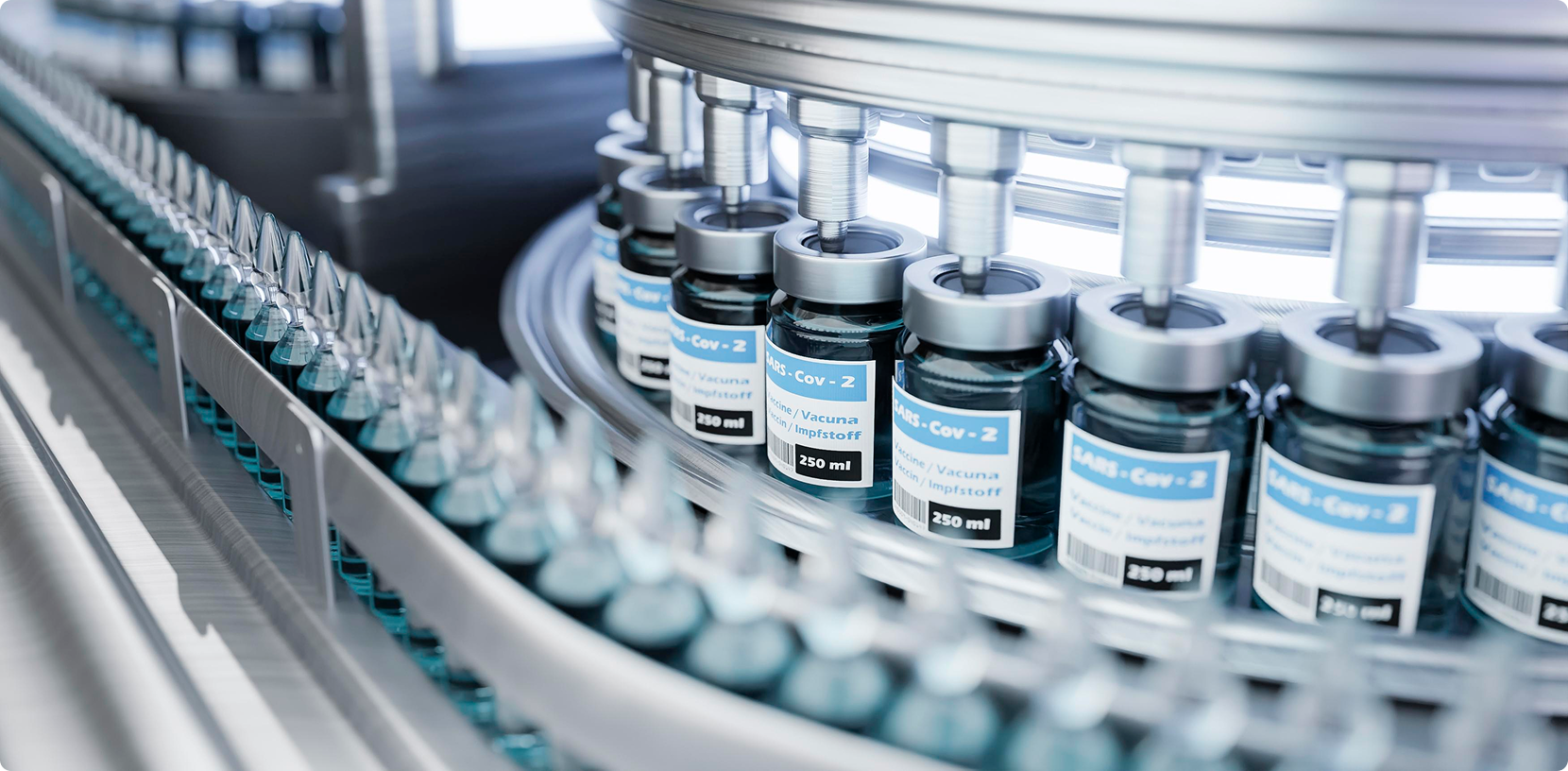
One design decision did more selling than any feature. Akridata built the platform so customer data is not moved or copied - it stays wherever the customer chooses, cloud or on-premise, and Akridata itself has no access to it. For manufacturers in medical devices, railways, automotive, and government, where regulatory audit logs and data control are not optional, "the AI comes to your data" was frequently the entire reason to sign.
04 / The FounderA third act, on purpose
Akridata's CEO and chairman, Kumar Ganapathy, did not need another company. A graduate of IIT Madras with a PhD from the University of Illinois at Urbana-Champaign, he had already founded VxTel, acquired by Intel for a reported ~$550M, and co-founded Virident, acquired by Western Digital's HGST for a reported ~$685M. He co-founded Akridata in 2018 with Vijay Karamcheti - a Virident co-founder - and Sanjay Pichaiah.
The pattern across his companies is infrastructure, not applications: telecom silicon, flash storage, and now the data plumbing under AI. Akridata fits. It is the least fashionable layer of the stack, and the one that tends to decide whether the fashionable layers actually work.
05 / The MoneySmall, focused, acquired
Akridata raised roughly $20M across its life. The headline round was a $15M Series A in October 2021, led by TeleSoft Partners, Accel, and MFV Partners, aimed at scaling the team and the Edge Data Platform. The company stayed lean - around 23 people at acquisition - which is a notable stat for a company selling into heavy industry.
In May 2026, DIMAAG acquired Akridata to scale what it calls Physical AI - the marriage of AI software, edge computing, hardware, and energy infrastructure for the physical world. Akridata brought the vision systems, edge processing, and inspection workflows; DIMAAG brought the hardware and industrial footprint. The combined pitch spans med tech, food tech, supply chain and logistics, automotive, rail, government, and industrial inspection.
06 / The MarketWhere it fits
Visual inspection AI is a crowded, practical corner of the market. Akridata sat between two camps: the data-curation and MLOps tools that help teams build vision models, and the shop-floor inspection vendors that catch defects in production. Its edge was doing both - and refusing to move your data while it did.
How to place Akridata
07 / The TakeawayWhat you can copy
Akridata never became a household name, and it did not try to. But the arc is a template a lot of applied-AI startups are quietly following, and there are a few moves worth stealing. Chase the boring layer: the data problem was less crowded and more defensible than the model. Sell to the inspector, not against them - human-plus-AI was an easier sale than replacement. Make privacy a feature, not a compliance chore; "your data never moves" closed regulated deals. And know your exit shape: a lean, technical team with real industrial traction is exactly what a hardware-heavy acquirer like DIMAAG wants to bolt vision onto.
The honest caveat: this playbook works when your buyers already feel the pain and control real data - factories, hospitals, rail operators. In consumer markets, or where the data is thin and the defects are cheap to miss, the same discipline can read as over-engineering. Akridata's bet paid off precisely because it picked customers for whom a missed defect is expensive and a moved dataset is a liability.