sleep-tracking
(14)
The Earbud That Listens While You Sleep
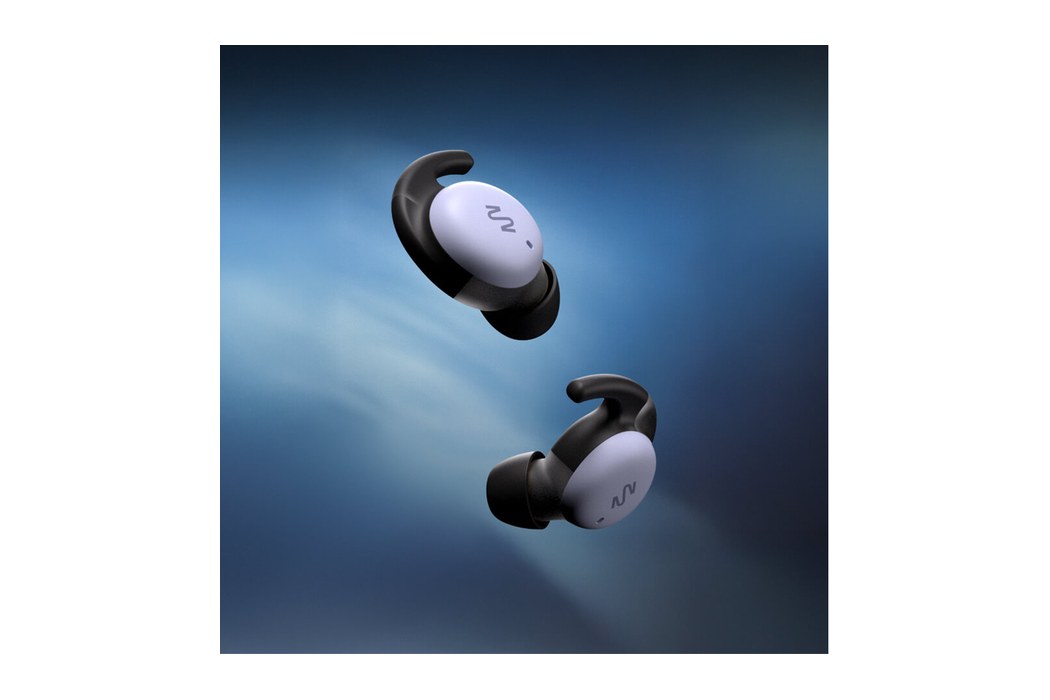
NextSense spent years proving that brain signals could be caught inside the ear. Now it is selling a more everyday proposition: earbuds that hear the rhythm of sleep and answer with sound.

Nanit sells a better view of the night. The morning costs extra.
The baby-monitor company turned crib footage into a subscription business. Now it wants to follow children beyond sleep - while giving parents a reason to keep paying.
The Bose Engineers Who Refused to Let Sleepbuds Die
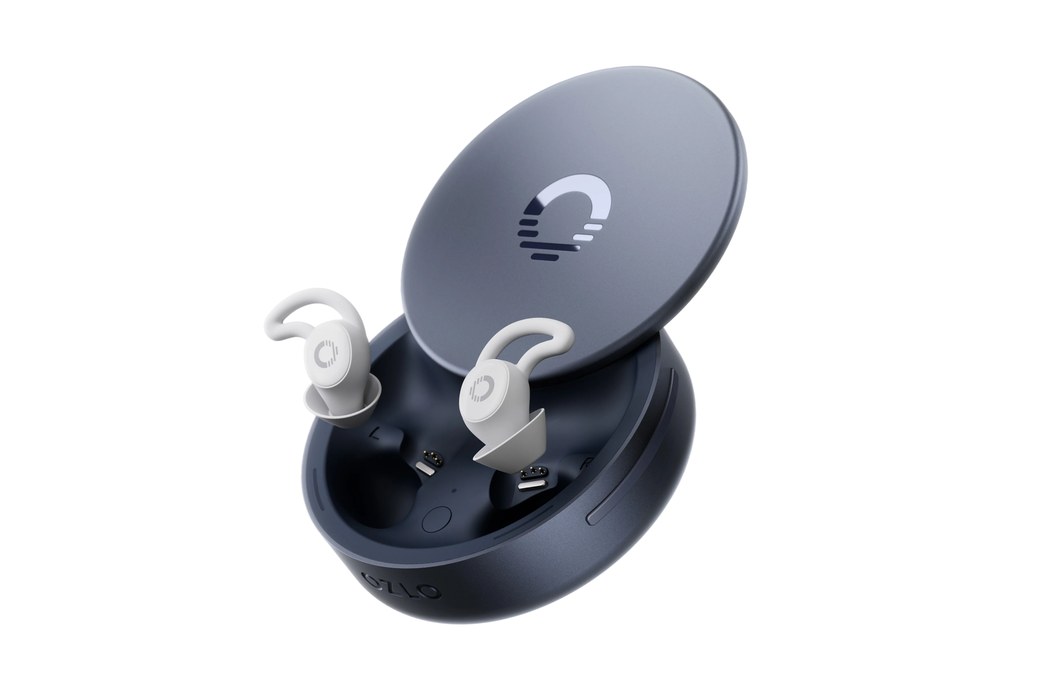
Bose discontinued its beloved Sleepbuds in 2020. Three of the engineers who built them bought the idea back, raised roughly $28M, and rebuilt it as a sleep-data company hiding inside a pair of earbuds.
The Mattress That Wants to Run Cold
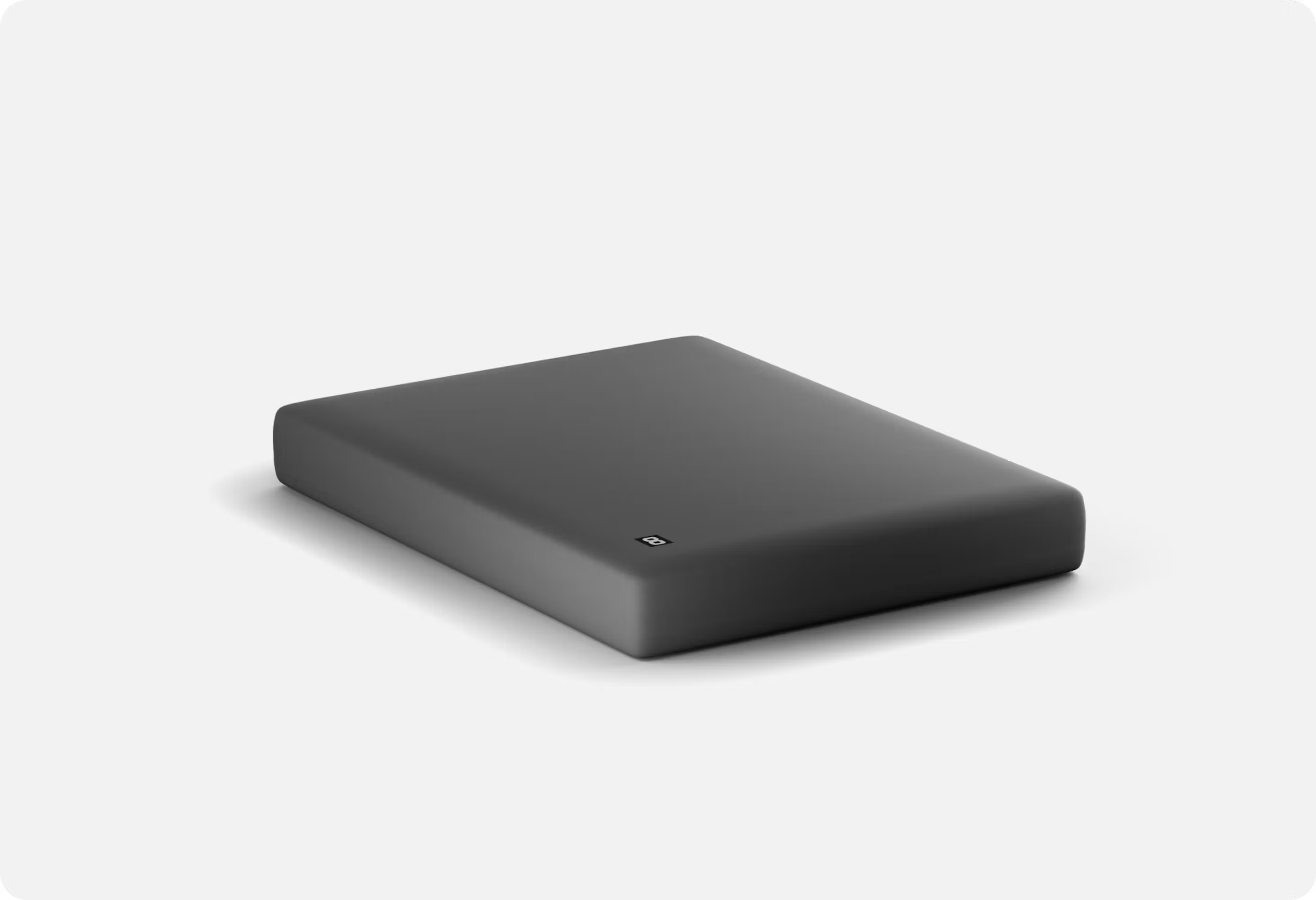
Eight Sleep's Premium Mattress is the quiet foundation under a smart-bed obsession - a five-layer, medium-firm base engineered to let cold water do the talking. Here is who should care, and who should keep their old bed.
Eight Sleep Pod 5: The $3,000 Fix for Couples Who Fight Over the Thermostat
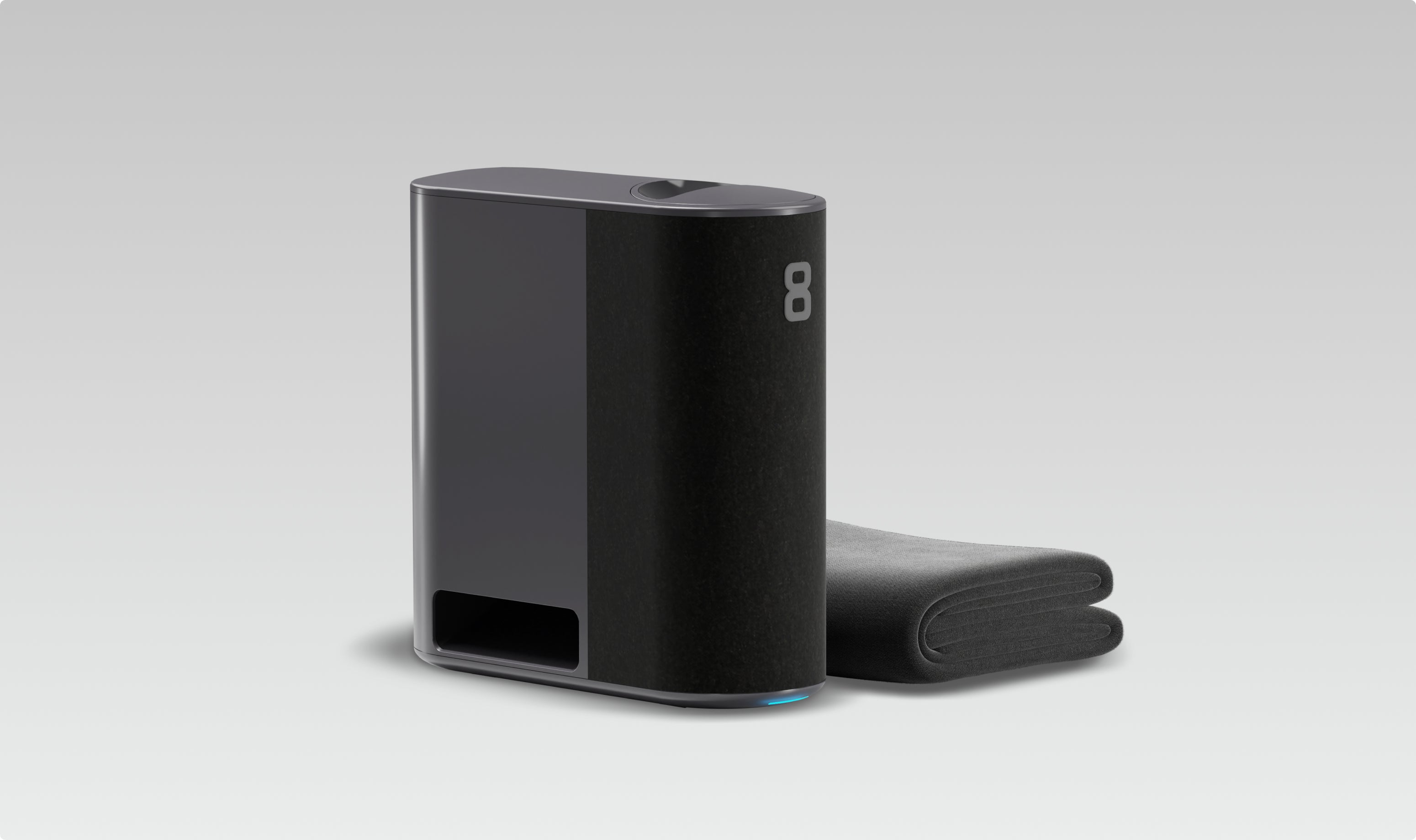
The cover cools one side, warms the other, and quietly logs the night. Here is who should spend $3,000 on better bed climate - and who should buy a fan.
The Alarm That Wakes You Without a Sound
PAQ Wear's VibeRise is a soft fabric wristband, built by UC San Diego students, that trades the 6 a.m. blare of a phone alarm for a quiet buzz only you can feel.
The Water Bed's Grandnephew Wants to Cool Your Sheets to 55 Degrees
A husband's night sweats, a physicist wife, and a great-uncle who invented the waterbed. Two decades later, Chilipad is still the bed that hot sleepers whisper about - now on its second corporate life.
Sleep Number Put Software in the Mattress. Then the Business Lost Its Balance.
Sleep Number spent four decades turning a squishy air chamber into a connected health platform. Its technology found millions of sleepers; its expensive retail machine found a harder morning.
Ultrahuman
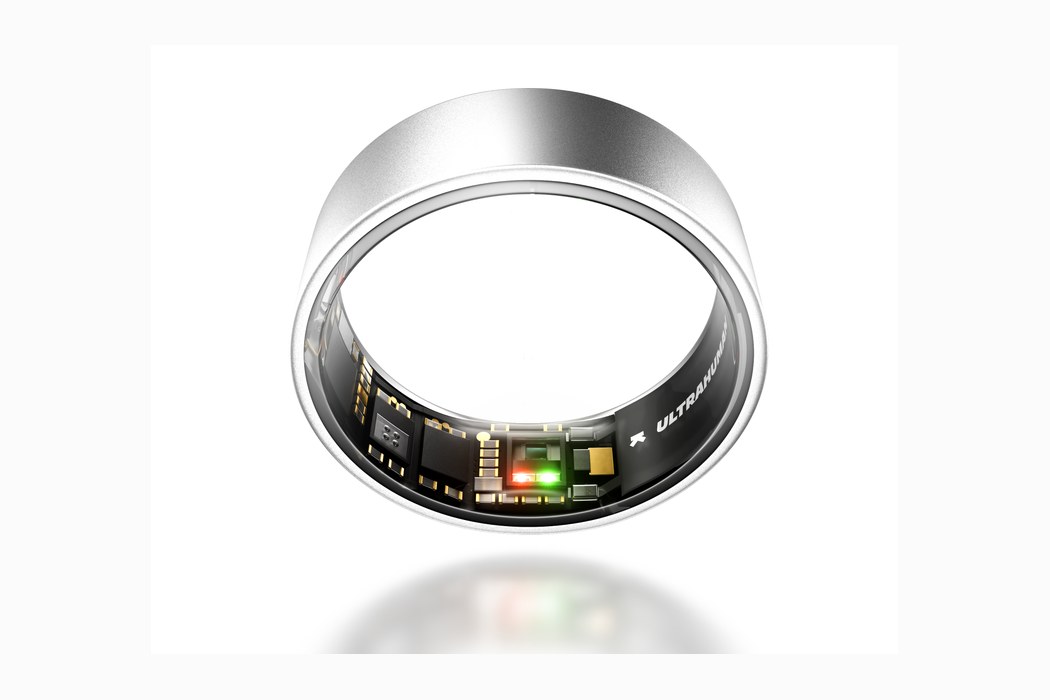
Ultrahuman is a Bengaluru-founded health-technology company building a subscription-free wearable and diagnostics ecosystem centered on its Ring AIR and Ring PRO smart rings. Beyond the ring, the company sells a continuous glucose monitor (M1), a home environmental sensor (Ultrahuman Home) and a blood-biomarker service (Blood Vision), stitching them into a single app that turns sleep, movement, metabolic and recovery data into personalized nudges. Founded in 2019 by Mohit Kumar and Vatsal Singhal, it is now the second-largest smart-ring maker by units sold and is expanding US manufacturing to challenge market leader Oura.
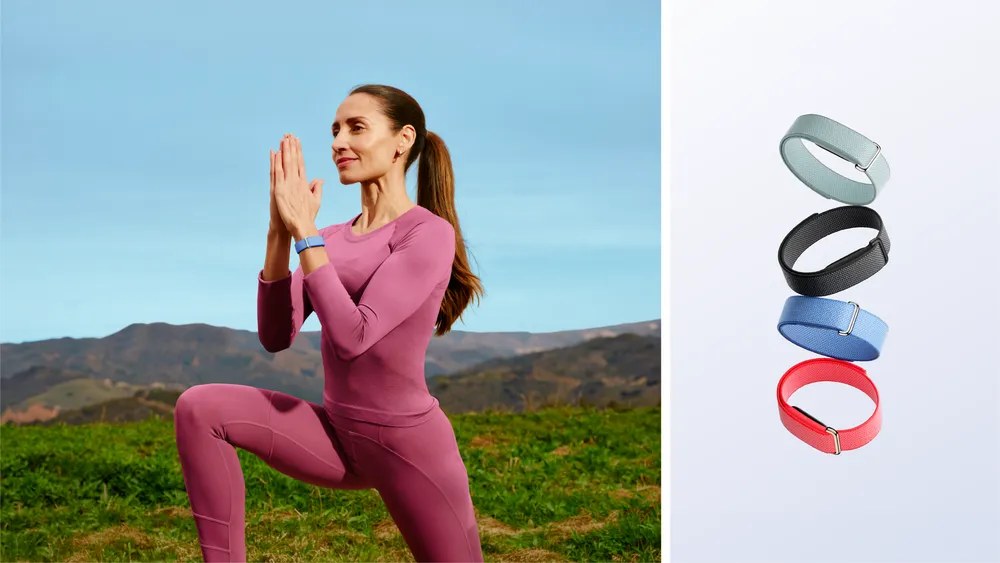
Fitbit Air 30-Day Review: The $99 Subscription-Free Wearable Tested
A hands-on 30-day review of the $99 Fitbit Air, a screenless, subscription-free wellness wearable. The reviewer wore it every day for a month through international airports, a week-long tennis camp in Bali, and intensive training in tropical heat, comparing it head-to-head against WHOOP 5.0. The verdict: the Fitbit Air excels at comfort and sleep tracking and offers roughly 80% of the value at 20% of the cost, but its thin, older sensor hardware lags behind WHOOP during high-intensity exercise, and the Google Health app is still rough around the edges.
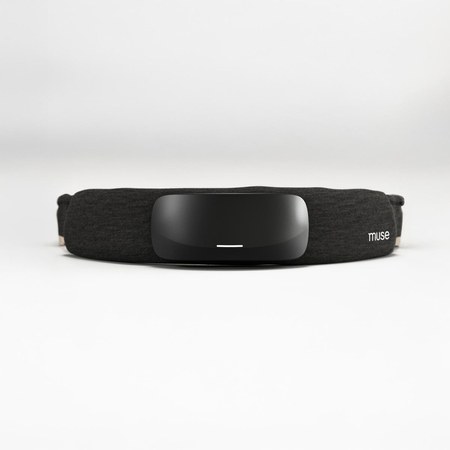
Muse by Interaxon Inc.
Muse, made by Toronto-based Interaxon Inc., is a brain-sensing headband that turns clinical-grade EEG into a consumer wearable. First shipped in 2014, Muse reads your brainwaves and, through a companion app, gives real-time audio feedback to guide meditation, track sleep, and train focus. The company has since layered on fNIRS and SpO2 sensing (Muse S Athena, 2025) and an AI brain-health platform trained on more than a billion minutes of EEG data, positioning Muse at the intersection of consumer wellness and clinical neuroscience.

Sleep Reset
Sleep Reset is a San Francisco digital sleep clinic that brings the methods of an in-person sleep center to a phone. Built around Cognitive Behavioral Therapy for Insomnia (CBT-I), it pairs each user with a human sleep coach and a personalized, multi-week program instead of pills. Founded by serial entrepreneur Yunha Kim after her own years-long battle with insomnia and sleep apnea, the program was developed with researchers from Stanford, Yale and other institutions, and is used by thousands of people seeking a no-pill path to better sleep.
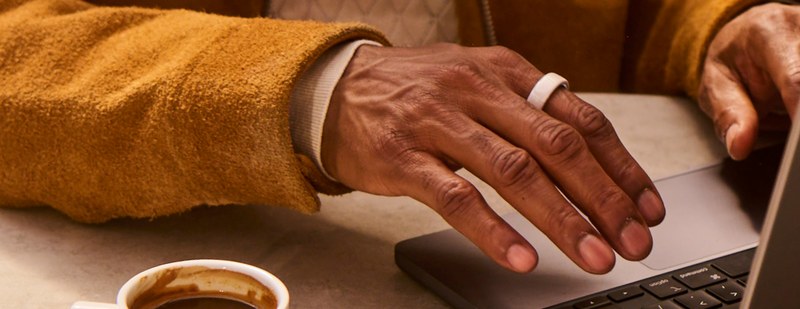
ŌURA
ŌURA makes the Oura Ring, a titanium smart ring that reads sleep, recovery, heart rate, temperature and activity from the finger. Founded in Oulu, Finland in 2013 and now co-headquartered in San Francisco, it has shipped more than 5.5 million rings, surpassed $500M in 2024 revenue and reached an $11B valuation in its 2025 Series E.
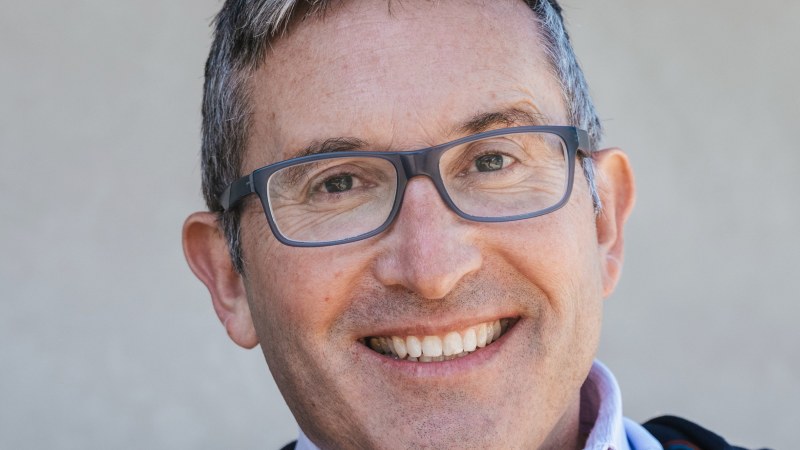
Tom Hale
Tom Hale is the CEO of ŌURA, the Finnish-American health technology company behind the Oura Ring - a smart ring that tracks sleep, recovery, and biometric data. A Harvard-educated technologist with 30+ years spanning Macromedia, Adobe, Linden Lab (Second Life), HomeAway, and SurveyMonkey, Hale came to Oura after a personal health crisis led him to the ring itself. He joined in March 2022 after writing a persuasive letter to the board after initially being rejected. Under his leadership, Oura has grown from a niche wearable to an $11 billion company on a path toward $2 billion in annual revenue, with the U.S. Department of Defense among its largest enterprise customers.