A sleep tracker can give you a dismal grade for a night that is already over. It can tell you that you woke at 3:17, that your deep sleep was short, that tomorrow may be hard. NextSense asks a more troublesome question: what if the device could do something while you were still asleep? The Mountain View company has squeezed electroencephalography, or EEG, into wireless earbuds. Its Smartbuds listen for the electrical rhythms of the brain, then play soft, timed sounds intended to support slow-wave sleep. It is a neat reversal of the usual arrangement. The night sends data in; the earbuds send sound back.
- NextSense sells $299 Smartbuds directly to consumers, with an iPhone app for sleep, soundscapes and focus sessions.
- Six dry-contact sensors record electrical signals at the ear. The buds use those signals to time gentle audio during sleep.
- The underlying ear EEG research began with seizure monitoring. A small 2024 feasibility study supported the sensing approach, not a claim that consumer buds diagnose epilepsy.
- The question for a buyer is wonderfully mundane: can you comfortably keep them in until morning?
A curious place to put a laboratory
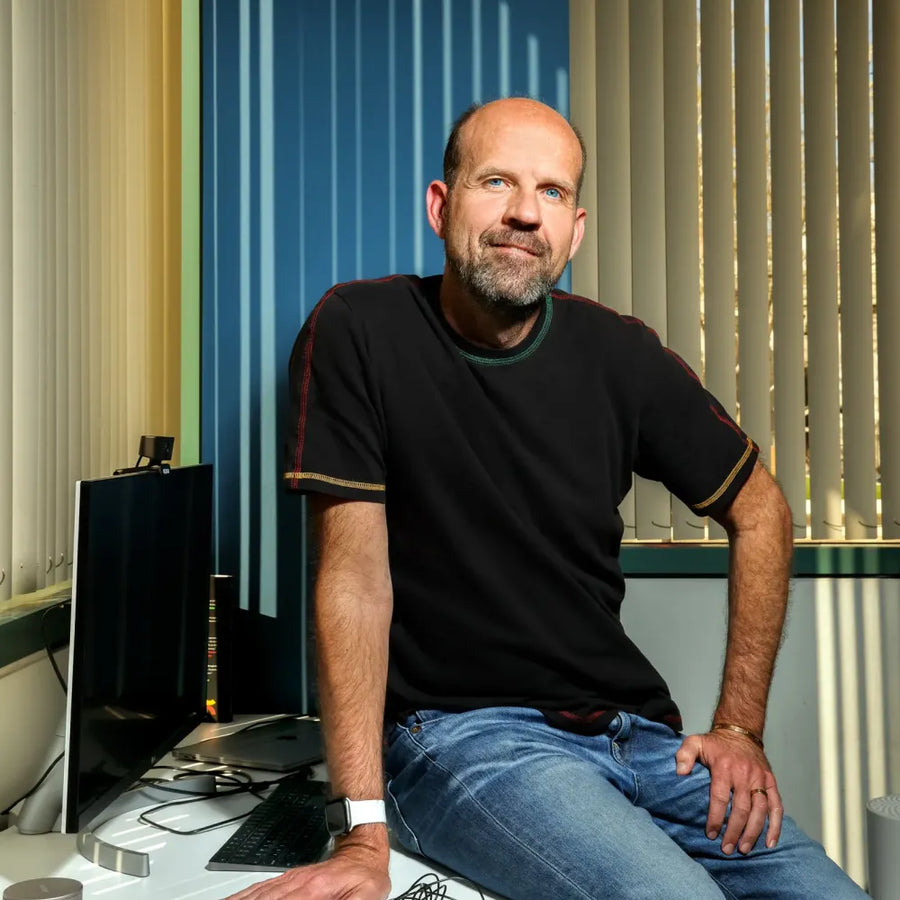
Jonathan Berent, NextSense's founder and chief executive, once received an atrial-fibrillation alert from his Apple Watch. In his telling, the episode sent him looking for the brain's equivalent: a familiar device capable of noticing what a person could not. At Alphabet's X, where the project took shape, the team investigated whether the ear could provide useful EEG. An earbud, unlike a cap covered in electrodes and conductive gel, might fit into an ordinary day. That change of address is the central invention here.
The first compelling test was medical. In a 2024 published feasibility study involving 20 people with refractory focal epilepsy, blinded specialists reviewing ear EEG detected 86.4% of seizures identified by standard scalp or intracranial recordings. The study was sponsored by NextSense and used research hardware. It demonstrated that meaningful signals could be found in the ear, while leaving a great deal to prove about any future diagnostic product. The consumer Smartbuds sold today are aimed at wellness and sleep, not at diagnosing or treating epilepsy.
There is a business lesson inside that distinction. NextSense could begin with a clear, high-contrast signal in a clinical setting, then look for a problem millions of people already spend money trying to solve. Berent has said the Alphabet X project was shut down during the pandemic; he proposed taking the work into an independent company. He also wrote in 2024 that epilepsy came first because irregular brainwaves offered a strong signal. Sleep gave the team a consumer use for repeated nightly measurement. It also demanded a more difficult product: a sensor people would willingly wear to bed.
The moment the tracker talks back
Smartbuds' six dry-contact electrodes sit in the ear canal and nearby folds. During sleep, the device watches for patterns associated with different stages and plays precisely timed pulses of soft pink noise around slow waves. This is a version of closed-loop auditory stimulation: sense a state, act at the useful moment, sense again. Ordinary white noise simply continues. A wrist tracker estimates sleep from movement and cardiovascular signals. NextSense wants a more direct read and an intervention in the same object.
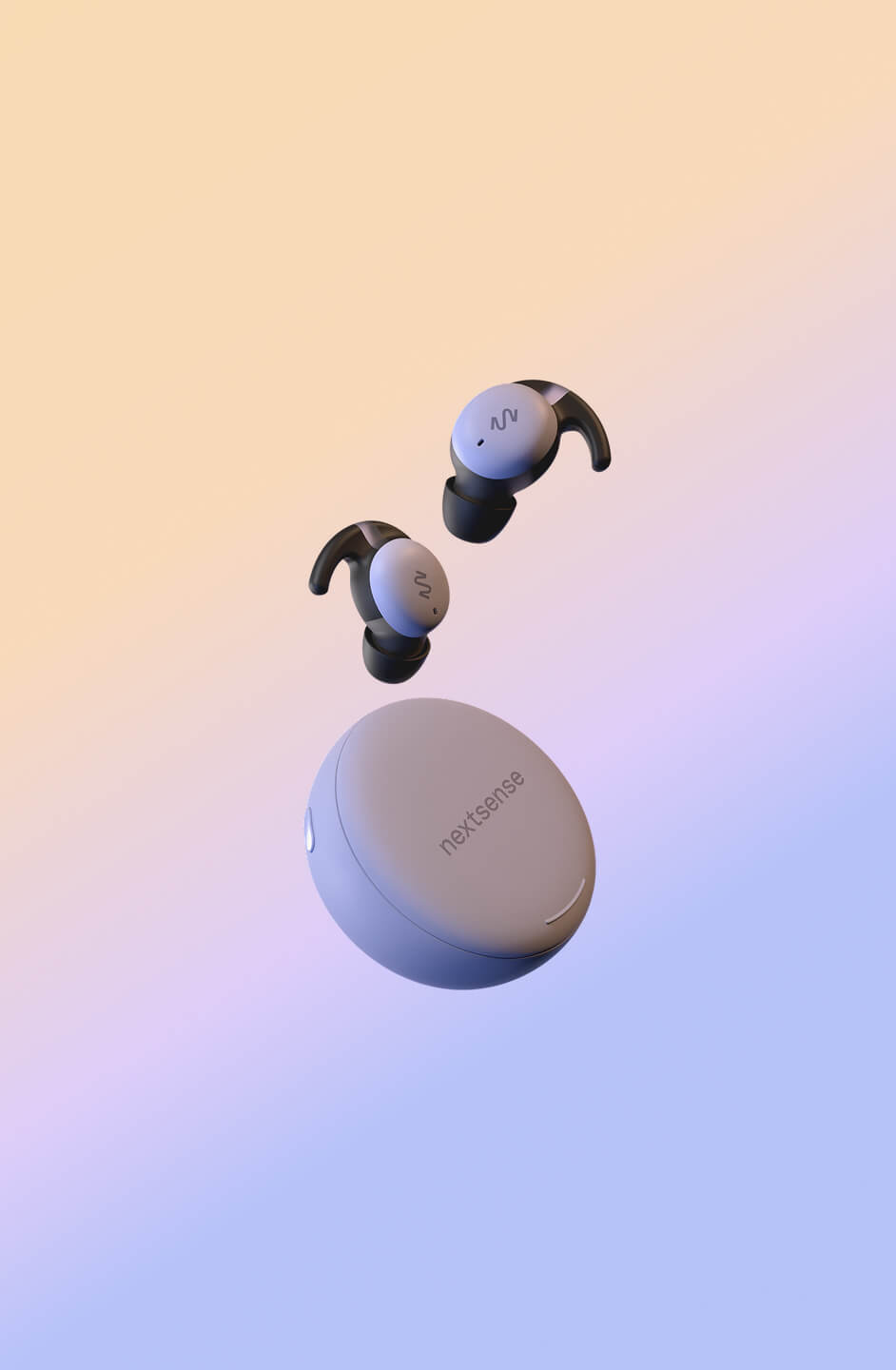
The company offers sleep readouts, soundscapes, a nap mode and a daytime Focus Mode with timed work sessions. The same earbuds can play music and take calls. That matters more than it might sound: a device that works only during the eight hours one hopes to be unconscious has to justify its place in a crowded charging drawer. Focus Mode gives it a second shift.
There is real science behind the broader idea of timing sound to sleep rhythms. The harder question is how much benefit this particular product produces in ordinary bedrooms, across different ears and nights. NextSense cites early user and beta results. Those are reasons to keep watching, not a universal promise of better mornings. Separate ear EEG studies strengthen the case that the hardware can measure sleep, but measuring sleep and improving it are different achievements.
“Showing that data isn't enough.”Jonathan Berent, explaining the move beyond sleep tracking
The pillow gets a vote
The product page lists Smartbuds at $299, with three sizes of tips and stabilizing wings, a charging case, a 30-night trial and up to nine hours of bud battery life. Its current setup requires an iPhone 12 or newer running iOS 17 or later; Android users are offered a waitlist. Replacement tips and wings are sold separately. This is a direct-to-consumer hardware business, dressed in the habits of ecommerce, with research collaborations running alongside it.
A reviewer's pillow is the sort of laboratory no inventor can fully control. In a two-week Forbes test, a dedicated side sleeper found pressure from the buds uncomfortable on a firm pillow, even after changing tips and wings. Wearing one bud helped, but she did not make it through a full night. Other people may fare better. Still, it is an instructive complaint: the most elegant sleep algorithm cannot help on the nights the hardware stays in its case.
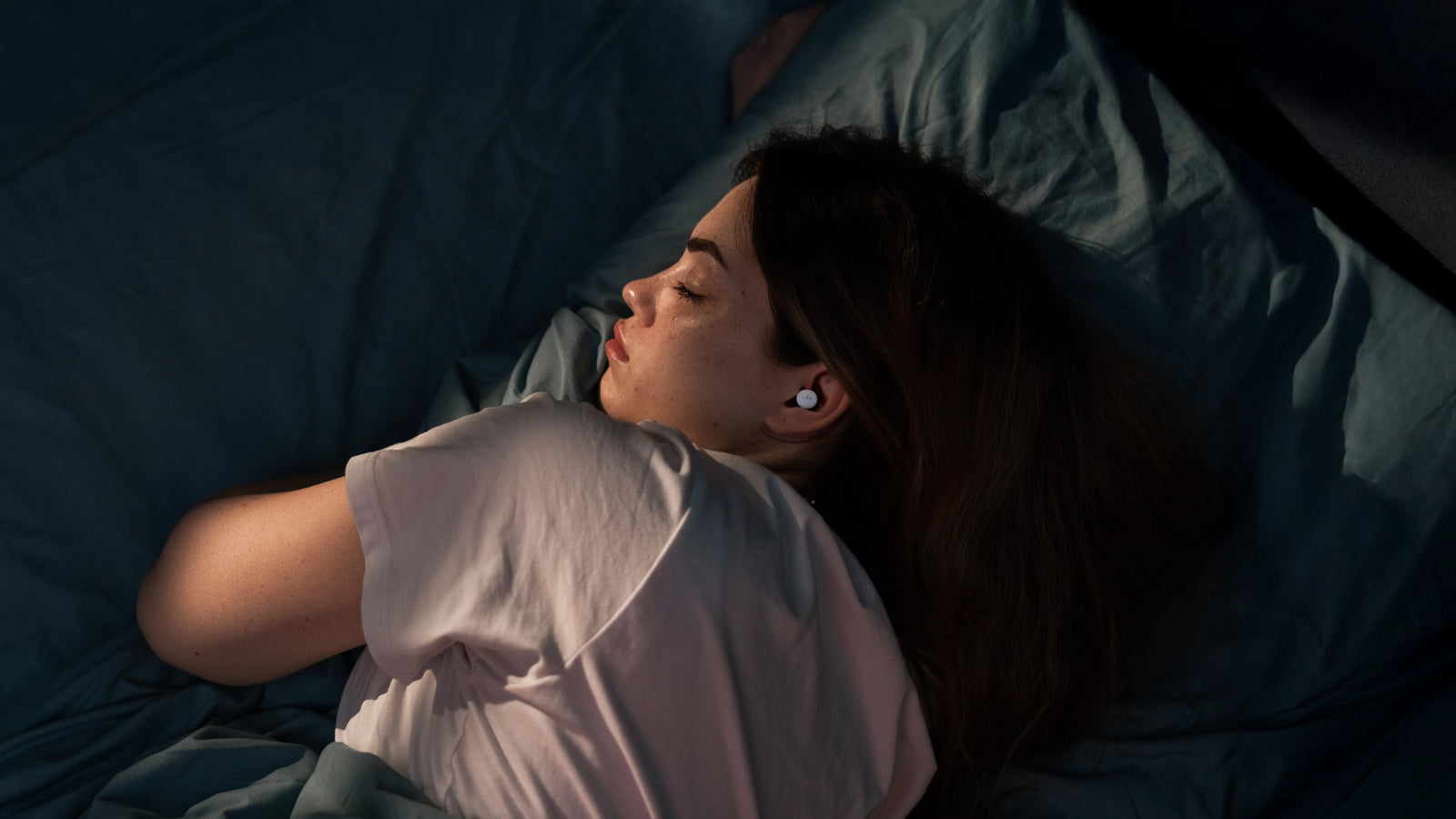
The alternatives each make a different bargain. Oura and Apple Watch offer convenient sleep estimates without anything in the ear. Ozlo Sleepbuds focus on bedtime sound and masking. Sleep labs offer richer clinical measurement at the cost of inconvenience. NextSense's wager is that a direct brain signal and responsive audio justify one more thing to wear. That wager works best for people curious about their sleep patterns, comfortable with in-ear devices and willing to make a small nightly ritual of charging and fit.
The market beyond the bedroom
A $16 million Series A announced in November 2025, led by Ascension Ventures, backed the move to a commercial product. The company's public story now holds two ambitions in one charging case. One is immediate: make sleep and focus experiences people will buy and keep using. The other is longer term: make ear EEG useful to researchers studying seizures, sleep disorders and cognition. Emory and Mayo Clinic appear in the company's clinical work. Research participation, though, should not be mistaken for regulatory clearance of Smartbuds as a medical device.
NextSense's own origin explains why it chose the ear. It is close enough to the brain to capture a signal, ordinary enough to be socially invisible, and inconvenient enough that comfort becomes a serious engineering problem. A startup can borrow an idea from the lab. It cannot borrow a customer's tolerance for sore ears. The part worth copying is the sequence: prove the signal in a setting where it is easy to judge, find an everyday problem that benefits from it, then let the unglamorous details of fit and repeat use decide whether the invention has a life outside the study.
That is the odd charm of NextSense. Its technology is about the electricity of the brain, but its fate may rest on something softer: the minute a sleepy person rolls onto a pillow and decides whether to leave the buds in.