Breaking
Ultrahuman closes ~$48M Series C (Mar 2026) Ring PRO ships globally with 15-day battery life Now the world's 2nd-largest smart-ring maker by units UltraFactory begins making rings on US soil Subscription-free model - buy once, own your data Blood Vision tracks 100+ biomarkers across 4 countries Ultrahuman closes ~$48M Series C (Mar 2026) Ring PRO ships globally with 15-day battery life Now the world's 2nd-largest smart-ring maker by units UltraFactory begins making rings on US soil Subscription-free model - buy once, own your data Blood Vision tracks 100+ biomarkers across 4 countries
Health Technology Bengaluru · London · Dubai Est. 2019
The YesPress Profile

Ultrahuman

The subscription-free smart ring that turned a food-delivery duo into Oura's fastest-rising rival - and a whole-body health dashboard around it.

2nd
Largest ring maker
100+
Markets
~$64M
2025 revenue
~480
Employees
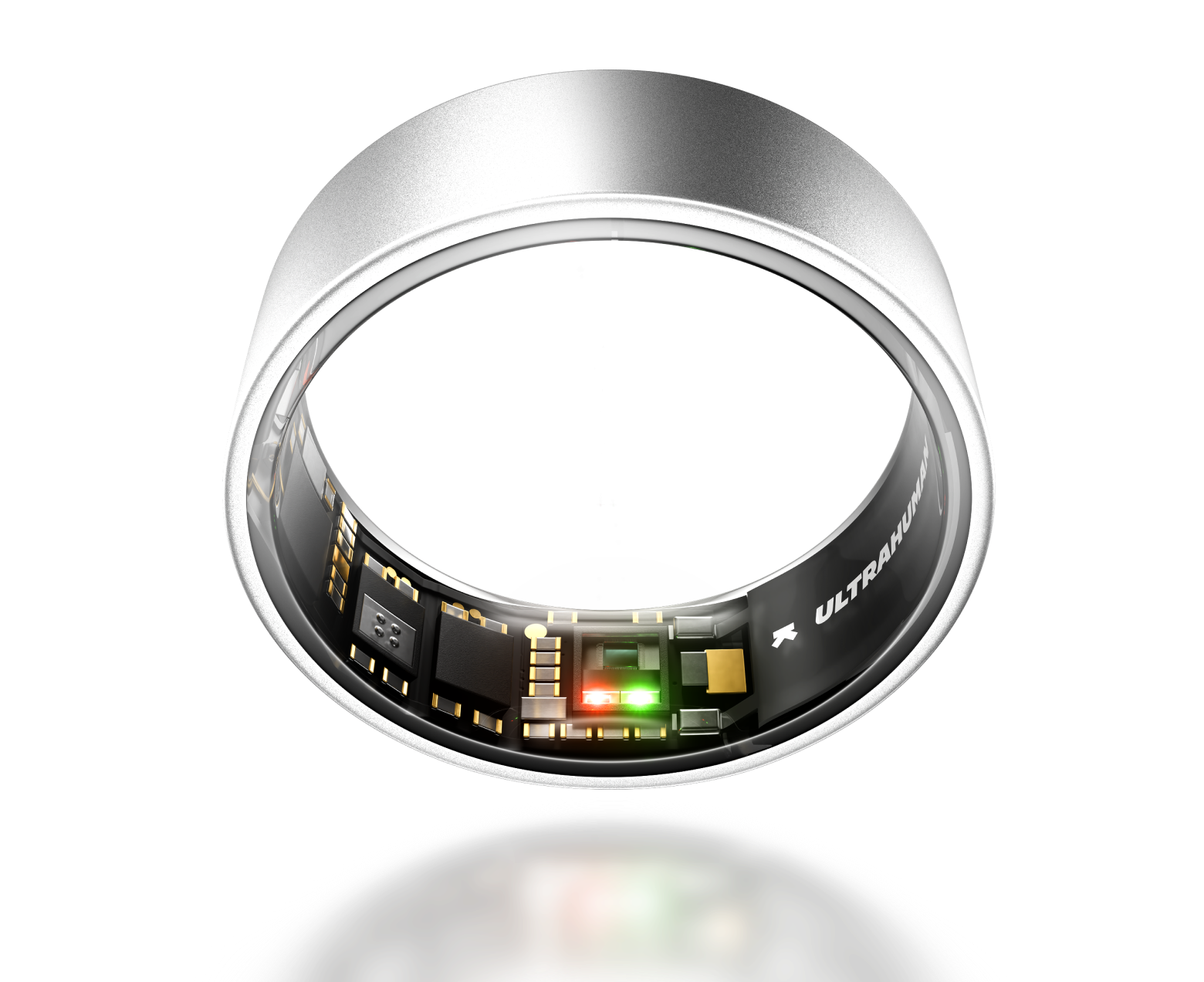
Ultrahuman Ring AIR smart ring

ULTRAHUMAN RING AIR. Titanium, feather-light, no monthly fee - the device that put a Bengaluru startup on the wrist, or rather the finger, of the global health-wearables race. / Product image, Ultrahuman

Share → LinkedIn Twitter / X Facebook Instagram
01

The Body, On A Dashboard

In 2015, Mohit Kumar and Vatsal Singhal were routing hot meals across Indian cities with a food-delivery startup called Runnr. Zomato bought it. Four years later the pair reappeared with a stranger question: what if the same obsession with logistics and real-time data could be pointed inward, at the human body?

The answer is Ultrahuman, incorporated in Bengaluru in 2019. It began as a metabolic-health app and a continuous glucose monitor, then hardened into something rarer in consumer health - a company that makes its own precision hardware and stitches it into a single ecosystem. Today its best-known product is a titanium smart ring that reads sleep, heart-rate variability, skin temperature, movement and recovery from the base of your finger.

But the ring is only the visible tip. Ultrahuman now sells the M1 continuous glucose monitor, the Ultrahuman Home indoor environmental sensor, and Blood Vision, a service that tracks more than 100 blood biomarkers over time. Each feeds the same app, and the app's job is not to show you more numbers. It is to tell you which one to act on this morning.

That editorial instinct - what to ignore - is the actual product. A body generates far more data in a day than any person can absorb. Ultrahuman's pitch is that the winning wearable is the one that hands you a nudge small enough to follow before you talk yourself out of it.

2019
Founded in Bengaluru
~$108M
Raised across rounds
15 days
Ring PRO battery life
$0
Mandatory subscription
02

What It Does, And For Whom

At its core, Ultrahuman measures the signals that predict how well you will feel and perform - sleep quality, recovery, metabolic response to food, cardiovascular strain - and translates them into plain guidance. The Ring AIR and newer Ring PRO handle continuous passive tracking; the M1 CGM adds a real-time window into blood sugar; Blood Vision adds the deeper, quarterly bloodwork picture; Ultrahuman Home connects the bedroom's air, light and noise to the sleep score it affects.

Its customers span three overlapping groups: health-conscious consumers who want to sleep and recover better, athletes chasing marginal gains, and people managing metabolic risk who want to see - literally - how a meal moves their glucose. The company reaches them across more than 100 markets, through its own site and 150-plus retail outlets including premium department stores.

The problem it attacks is old: most people learn about their health only when something breaks. Annual checkups are snapshots; symptoms arrive late. Ultrahuman's answer is continuous, non-invasive measurement that makes prevention a daily habit rather than an emergency response - and, crucially, does it without asking users to become data analysts.

There is also a quieter problem it solves - trust. By selling hardware outright and not renting back your own metrics behind a paywall, Ultrahuman removes the friction that makes some people abandon health trackers within weeks.

"Smart rings will become a computer on the body - with the ability to at least micro-think."

Mohit Kumar, Founder & CEO
03

Products & Services

Wearable

Ring AIR

Lightweight titanium ring tracking sleep, HRV, temperature, movement and recovery. Extensible through PowerPlugs apps. Red Dot Design Award winner.

Launched 2022
Wearable

Ring PRO

Third-generation ring with dual-core processor and up to 15 days of battery (45 with the case). Built for more durable, higher-performance tracking.

Launched 2026
Metabolic

M1 Glucose Monitor

Continuous glucose monitoring that produces a Metabolic Score and real-time nutrition guidance - see how food, sleep and exercise move your blood sugar.

Launched 2021
Environment

Ultrahuman Home

Indoor sensor for air quality, temperature, humidity, noise and light - linking your environment to the sleep and recovery scores it shapes.

Launched 2025
Diagnostics

Blood Vision

Blood-biomarker testing across 100+ markers with longitudinal tracking, available in the US, India, UAE and Saudi Arabia.

Launched 2025
Platform

PowerPlugs

An app layer for the ring - some free, some paid - including AFib detection, Cycle & Ovulation Pro and pregnancy insights.

Launched 2024
04

How It's Different

The most-cited difference is commercial: Ultrahuman's rings carry no mandatory subscription, a pointed contrast with market leader Oura, which gates insights behind a membership. Buy the ring once, keep the data. In a category where churn is the enemy, that is a strategy, not a slogan.

The second difference is scope. Rivals mostly sell one device. Ultrahuman sells an ecosystem - ring, CGM, blood test, home sensor - designed to speak one language, so a poor night's sleep, an air-quality dip and a glucose spike can be read together rather than in separate apps.

The third is manufacturing. Where most hardware brands ship from Asia, Ultrahuman is opening UltraFactory in Texas to build rings on US soil, funded by a discipline unusual in its peer group: profitability. That lets it make long-term factory bets competitors can't easily match.

Revenue Trajectory

Reported / annualized, USD
2024 ARR
~$35M
2025 rev
~$64M
Target
$100M run-rate

Figures per TechCrunch (Series B) and 2025 revenue trackers. Target reflects company's stated run-rate goal. Approximate.

05

Business Model & Market

How It Makes Money

  • Hardware, one-time: rings sold outright, no subscription lock-in
  • Consumables: recurring M1 CGM sensors and Blood Vision tests
  • Software: premium PowerPlugs apps on top of the ring
  • Retail + D2C: own site plus 150+ outlets worldwide
  • Discipline: reported profitable at the company level

Where It Fits

  • Second-largest smart-ring maker globally by units sold
  • Chief rival: Oura; also Samsung Galaxy Ring, RingConn
  • Broader field: Whoop, Apple Watch, Garmin
  • Edge in emerging + premium retail geographies
  • Positioned at the preventive-health frontier, not fitness alone

"Our ability to make long-term manufacturing investments, supported by our profitability, is unique in the smart ring market."

Mohit Kumar, on opening UltraFactory in the US
06

Funding & Backers

Rounds To Date

Seed to Series C
Seed '20
$7.5M
Series A '21
$17.5M
Series B '24
$35M
Series C '26
~$48M

Backers include Nexus Venture Partners, Blume Ventures, Steadview Capital, Alpha Wave and Zomato founder Deepinder Goyal. Series C reported at ~Rs 400 crore; a Premji Invest lead reported in press was denied by the company. Secondary trackers cite a ~$575M valuation (unconfirmed).

07

Timeline

2019

Ultrahuman founded

Mohit Kumar and Vatsal Singhal launch in Bengaluru after their food-delivery venture Runnr is acquired by Zomato.

2021

M1 & the Metabolic Score

The health app debuts at CES and the M1 continuous glucose monitor introduces a metabolic score.

2022

Ring AIR & first UltraFactory

Ultrahuman ships its debut smart ring and opens its first manufacturing facility in Bengaluru.

2023

Red Dot Design Award

Ring AIR is recognized for design as the company scales internationally.

2024

Series B & US factory plans

Raises $35M and announces UltraFactory to make rings on American soil.

2025

Ecosystem expansion

Launches Ultrahuman Home and Blood Vision, and acquires viO HealthTech for fertility tracking.

2026

Ring PRO & Series C

Ships the third-generation Ring PRO globally and closes a ~Rs 400 crore Series C to fund US re-entry.

08

Questions, Answered

What does Ultrahuman make?

A health-tracking ecosystem: the Ring AIR and Ring PRO smart rings, the M1 continuous glucose monitor, the Ultrahuman Home environmental sensor and the Blood Vision biomarker test - all unified in one app.

Does the ring require a subscription?

No. Ultrahuman sells its rings on a one-time purchase model with no mandatory subscription. Some premium PowerPlugs apps and consumables like CGM sensors and blood tests are paid separately.

Who founded Ultrahuman and when?

It was founded in 2019 in Bengaluru by Mohit Kumar (CEO) and Vatsal Singhal, who previously built the food-delivery startup Runnr, later acquired by Zomato.

How does it compare to Oura?

Ultrahuman is the second-largest smart-ring maker by units sold. It differentiates with a subscription-free model, a broader device ecosystem, and in-house US manufacturing, and aims to challenge market leader Oura.

How much has Ultrahuman raised?

Across Seed, Series A, a $35M Series B (2024) and a ~Rs 400 crore (~$48M) Series C (2026), from investors including Nexus Venture Partners, Blume Ventures and Steadview Capital.