preventive-healthcare
(6)
The Startup Betting Your Ears Know Your Heart Better Than Your Wrist
synseer's HealthBuds skip the wrist and the fingertip, reading your heartbeat through sound inside your ear canal. It is a bet that the next big health tracker is a thing you were already wearing to take calls.
NeoDocs
NeoDocs is a Mumbai health-tech company that turns a smartphone into a diagnostic reader. Users dip a paper test card in a urine sample, scan it with the NeoDocs app, and get lab-referenced results in under a minute - covering kidney, metabolic and general wellness markers. Founded by three IIT Bombay alumni and backed by Y Combinator (S21) and Omidyar Network India, it sells test kits direct to consumers and works with thousands of doctors across India.
Qualitas Health Malaysia
Qualitas Health Malaysia is the Malaysian arm of Qualitas Medical Group, one of Asia Pacific's largest privately-held primary healthcare networks. Operating since late 1997, it runs an integrated web of general practice clinics, dental clinics, medical imaging centres, ambulatory care, therapy and rehabilitation, and wound care facilities across Malaysia. It serves both individual patients and corporate clients through services spanning primary care, corporate health screening, occupational health and digital health tools like the Qualitas Plus app. The group is backed by Japan's Sojitz Corporation and private equity firm Southern Capital, and has been reported to be weighing a landmark Bursa Malaysia IPO.
Ultrahuman
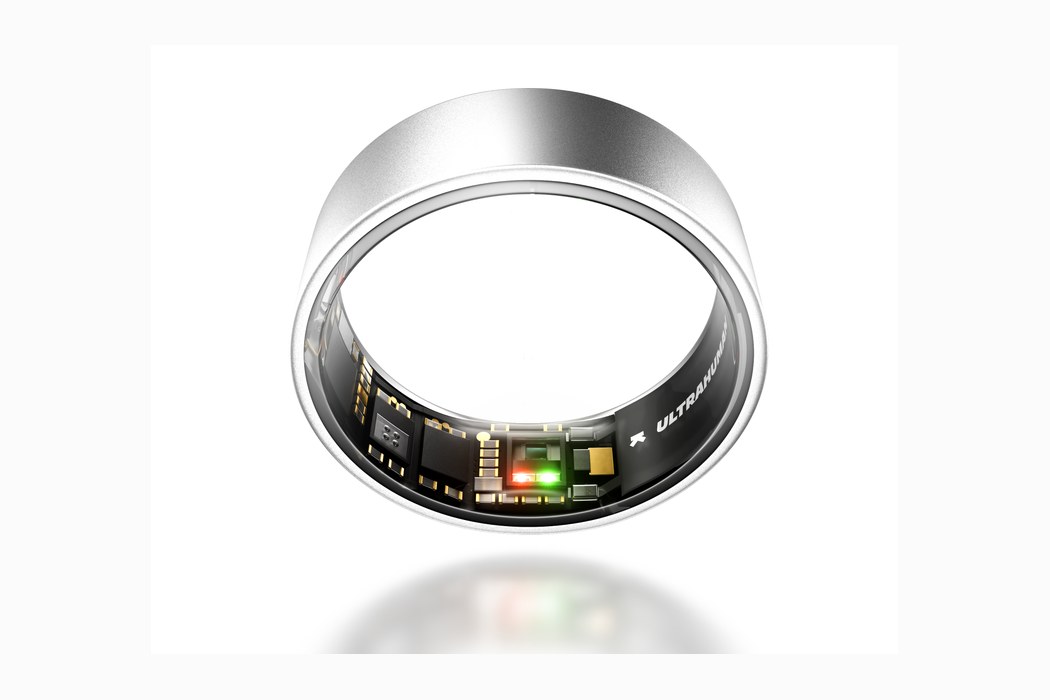
Ultrahuman is a Bengaluru-founded health-technology company building a subscription-free wearable and diagnostics ecosystem centered on its Ring AIR and Ring PRO smart rings. Beyond the ring, the company sells a continuous glucose monitor (M1), a home environmental sensor (Ultrahuman Home) and a blood-biomarker service (Blood Vision), stitching them into a single app that turns sleep, movement, metabolic and recovery data into personalized nudges. Founded in 2019 by Mohit Kumar and Vatsal Singhal, it is now the second-largest smart-ring maker by units sold and is expanding US manufacturing to challenge market leader Oura.
Human Longevity, Inc.
Human Longevity, Inc. is a San Diego- and South San Francisco-based genomics and precision-health company founded in 2013 by genome-sequencing pioneer J. Craig Venter, Peter Diamandis, and Robert Hariri. It pairs clinical-grade whole genome sequencing with whole-body MRI, hundreds of blood biomarkers, and AI analytics - delivered through its Health Nucleus platform - to detect cancer, cardiovascular disease, and other age-related conditions before symptoms appear. After a decade building one of the world's largest longitudinal genotype-phenotype datasets, the company in 2026 launched a $599 clinical-grade whole genome report and spun out Human Life Foundation Models, Inc. to build large-scale AI foundation models for longevity science.
James Lu
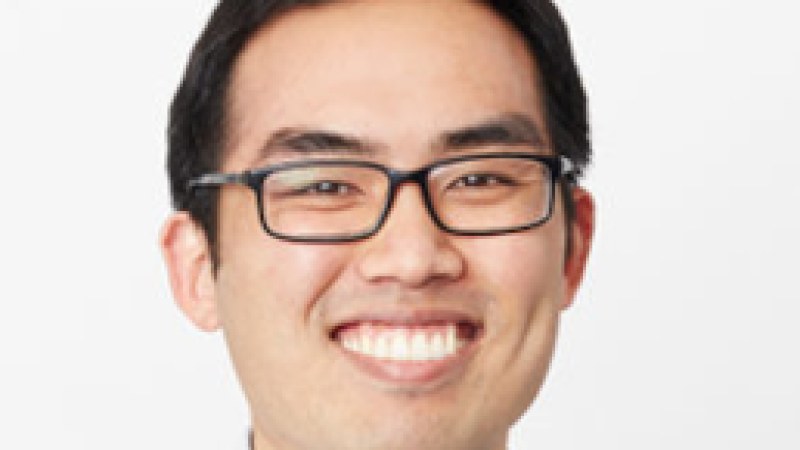
James Lu is the co-founder and CEO of Helix, a population genomics company he helped launch in 2015 with Justin Kao and Scott Burke. An MD/PhD trained at Baylor College of Medicine with chemical engineering degrees from Stanford, Lu built his career at the intersection of machine learning, electronic health records, and genetics. He argues that the genome should sit alongside blood pressure and cholesterol as a core clinical input - the difference being that your genome never changes. Under his leadership Helix runs one of the largest clinical sequencing labs in the US and the Helix Research Network, and its GenoSphere dataset links more than 500,000 clinico-genomic records.