He runs the ride that gets a cancer patient to chemo, an elderly man to dialysis, a mother to her prenatal visit. Quietly, one trip at a time, he is paving healthcare’s hardest mile.
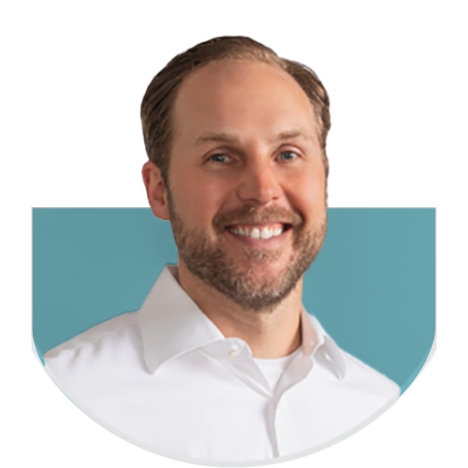
Robbins Schrader. The suit says boardroom. The résumé says ship’s deck, consulting deck, then a bet on the appointments nobody else would drive to.
A missed appointment does not look like a crisis. There is no siren, no headline. A dialysis chair sits empty. A chemotherapy slot goes unused. Somewhere a patient is standing at a curb, watching the clock, without a way to get across town. Robbins Schrader built a company around that curb.
Schrader is the co-founder and chief executive of SafeRide Health, the San Antonio technology company that runs non-emergency medical transportation - NEMT, in the industry’s flat acronym - for some of the largest Medicare Advantage, Medicaid, and provider programs in the country. Today the platform coordinates more than a million rides a year. It is the plumbing behind a system most people never think about until the day they cannot get to their own care.
His line for it is blunt: “Chemotherapy isn’t effective if you can’t get to your treatment.” Everything about SafeRide follows from that sentence. Not an app for the well-off who forgot where they parked. A network for the people the system is quickest to lose - the disabled, the elderly, the rural, the poor - who miss care not because they refuse it but because a ride never showed.
What makes the story worth telling is not the software. It is the founder’s stubborn refusal to describe his own business in dollars. Ask him about sustainability and he reframes it. “When we think about sustainability, we don’t think about dollars,” he says. “We think about being there for the member every single day.” That is a strange thing to hear from a man with a Wharton MBA who once carried a spreadsheet at Boston Consulting Group. It is also the whole point.
Schrader started SafeRide in 2016 with two partners: his brother, Whit Schrader, who now leads operations transformation, and Ben Salter, the company’s chief product officer. Three people, one observation - that the incumbent transportation brokers had almost no visibility into whether rides actually happened, and routinely they did not. Patients were stranded. Nobody was measuring it. So they built something that could.
We want to be the underlying infrastructure that healthcare runs on.— Robbins Schrader, on where SafeRide is headed
The first version of the plan was reasonable and wrong. Sell the transportation service to hospitals and clinics - the places where care happens. It made sense on a whiteboard. It failed in the field. Providers expected someone else, the payers, to foot the bill for getting patients through the door.
So Schrader turned the business around and pointed it at the health plans directly. That single move - selling to whoever actually pays for a member’s care - changed everything. It is the kind of unglamorous correction that separates founders who survive from founders who become case studies in what not to do.
From there, execution became the religion. SafeRide has done the rare startup thing: it hit its forecasts, round after round, through a Series C. Careful planning met operational discipline, and the numbers came in where he said they would. In a category where most companies fail, that is close to a magic trick.
He does not read the future in trade magazines. His intelligence comes from his own sales team and his clients, with investors and advisors supplying pattern recognition. Three forces, he argues, are all pulling in the same direction: an aging population, the spread of chronic disease, and the shift to value-based care - a model that finally pays for outcomes, and therefore finally cares whether the patient made it to the appointment at all.
“Our mission is to connect the world of care, one ride at a time.”
“The digital exhaust of 7 million-plus rides is an asset.”
“We needed scale to be sustainable. When we think about sustainability, we don’t think about dollars; we think about being there for the member every single day.”
“It’s an honor to be named an Entrepreneur Of The Year. This is a reflection of the team at SafeRide Health.”
He started in uniform. Before the pitch decks and the term sheets, there was a chain of command and the habit of showing up.
A BA in History from Cornell University, then a Master of Business Administration from The Wharton School. He learned to read people before he learned to read a balance sheet.
Fifteen-plus years across finance, consulting, and construction. Then he left the safe seat to build the thing himself.
With brother Whit Schrader and Ben Salter. The idea: give NEMT the performance visibility it never had.
Named a 2024 Gulf South Award winner in June, judged on long-term value, purpose, and impact - then into consideration for the national stage.
Ask about sustainability and he refuses the money answer. The metric that matters is whether the member got their ride - every single day.
Not Modern Healthcare. His own sales team and clients are his primary intelligence, with investors supplying the pattern recognition.
SafeRide is a family venture at its core. Robbins runs the company; Whit runs operations transformation. Salter runs the product.
Chemotherapy isn’t effective if you can’t get to your treatment.— The sentence the whole company runs on
He began his career as an Ensign in the US Navy - discipline before disruption.
A history major at Cornell, not a business one. The MBA came later, at Wharton.
He treats the data trail of 7 million-plus rides as the company’s real asset.
An EY judging panel of past winners and CEOs picked him for the 2024 Gulf South award.