The useful thing to know about an advertising agency is not what hangs in its lobby. It is what happens on Tuesday morning when the campaign is underperforming. Does the plan survive because changing it would require six meetings? Does the media buyer shrug because the creative came from another department? Or does somebody move the money, rewrite the message and admit that the original guess was wrong?
Hirons has built its pitch around the third possibility. The Indianapolis firm sells the familiar agency stack - advertising, public relations, websites, branding, paid media, research, crisis counsel and video. But the line that matters sits underneath that list: the company is owned by its employees. The person studying conversion data is not just completing a deliverable. The outcome affects the enterprise that person partly owns.
The founder's exit became everybody else's entrance
Tom Hirons founded the agency in 1978, just after graduating from Indiana University. It began in Bloomington, moved its headquarters to Indianapolis and grew into the sort of regional shop that could handle both public-sector complexity and commercial ambition. Then came the question that eventually visits every founder-led firm: who gets the keys?
Hirons answered with an employee stock ownership plan. In 2010, Tom began selling shares into the ESOP. By the time the agency celebrated its 40th anniversary in 2018, it said the ownership transfer to employees was complete and the founder was stepping away from daily management. This was a financial transaction, but also a piece of organization design. It gave the shop a succession plan without selling the culture to a holding company or asking a new owner to discover what made a 40-year client relationship work.
The arrangement is not magic. Employee ownership cannot make a vague brief precise, and it cannot rescue weak creative by itself. What it can do is shorten the distance between effort and consequence. Hirons says qualifying participants become fully vested after six years, while an independent administrator revalues the shares annually. “Ownership” therefore lands as a number, not office wallpaper.
- 01Research the audience. Start with behavior, values and media habits, not a broad demographic label.
- 02Build one channel system. Creative, public relations, digital and paid media work from the same strategic premise.
- 03Instrument the response. Connect campaign channels to conversion tracking and agreed performance measures.
- 04Change the buy. Optimize during the campaign, while the result can still move.
The baseball campaign that refused to sit still
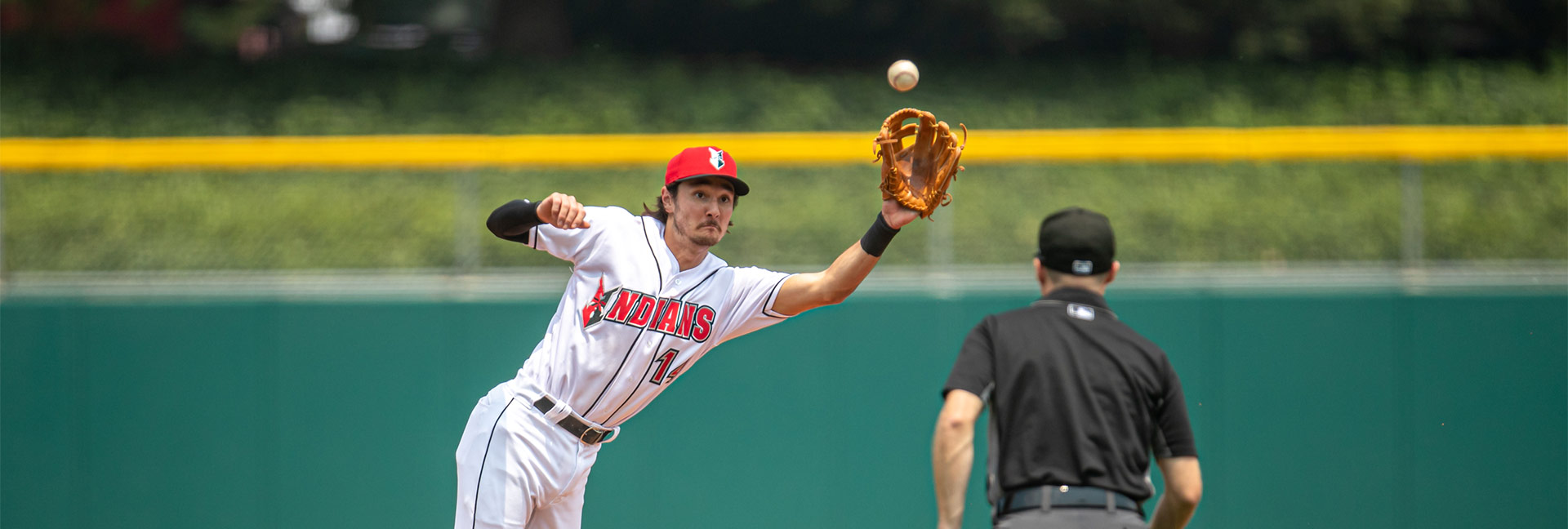
Consider the Indianapolis Indians, the city's minor-league baseball club. The assignment was wonderfully plain: sell more single-game tickets. Hirons mapped three target audiences, paired paid placements with the club's organic social work and installed conversion tracking across the website and digital channels. It negotiated cash and trade arrangements with media partners. Then, instead of presenting the media plan as a finished object, the team adjusted it weekly.
The important failure came early and quietly: a preseason assumption stopped matching season-to-date sales. Hirons and the Indians made midseason changes around the actual ticket numbers. That is the part worth copying. Measurement mattered because the agency had preserved the ability to act on it. The reported result was a 318% return on digital ad spend, 29.8% year-over-year improvement and a top-three attendance ranking among 120 teams. Several individual events cleared 400% return.
A national message, tended every day
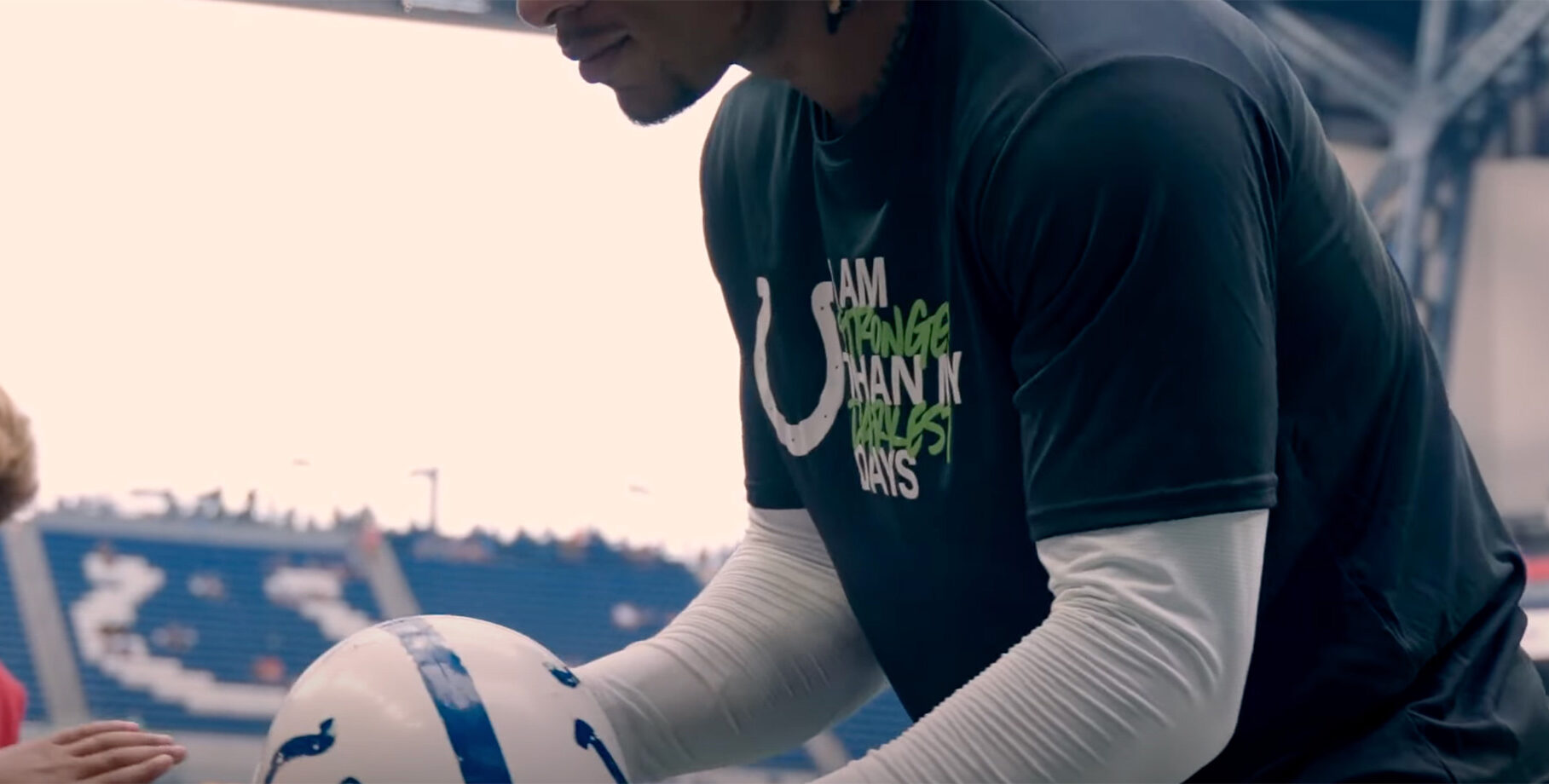
The same habit appears in Hirons' work for Kicking the Stigma, the mental-health initiative launched by the Indianapolis Colts and the Jim Irsay family. The Colts had handled media placement internally. For the 2023 push, they wanted a partner to take the campaign national.
Hirons built psychographic profiles around attitudes and values, then placed player- and ownership-led video in NFL and college-football broadcasts, connected television and paid social. The team optimized daily through a tight campaign window. The outcome was 141 million delivered impressions, $550,000 in added media value, a 3,500% increase in homepage traffic and an increase of more than 800% in direct and organic search traffic.
The place where shrinking the city plan fails
Hirons' most distinctive service began with a personal observation. Deana Haworth, who joined the agency as a public-relations specialist in 2000 and became CEO in 2023, grew up in rural southern Indiana. She watched organizations struggle to reach communities like her hometown with campaigns designed somewhere else. The usual move was subtraction: take the urban plan, remove a few channels, call the remainder rural.
Rural Reach, launched in 2018, starts from the opposite premise. Rural America is not one market. Broadband access varies. Local identity matters. Churches and community spaces may serve as civic infrastructure. Trust often travels through relationships that a programmatic audience segment cannot see. Hirons mixes research, local outreach and channel planning around those conditions.
This approach is useful for government agencies, healthcare organizations and companies with customers beyond metropolitan corridors. It is less useful when “rural” is merely a line in a media plan, there is no appetite for local research, or the campaign cannot adapt its channels to uneven access. The method asks the client to trade the efficiency of one generic message for the effectiveness of several situated ones.
What another team can copy
Give measurement a decision attached to it. Choose in advance what you will move, rewrite or stop when the signal changes. Segment by behavior and trust, not only age and ZIP code. And if you call people owners, connect that word to an actual stake and a visible valuation process.
Where Hirons fits
The agency sits between two familiar alternatives. A global network can offer vast buying power and specialist benches, but a regional client may become a modest account inside a very large machine. A boutique can offer senior attention and speed, but may outsource media, web or research. Hirons makes the middle its market: full-service enough to connect the work, compact enough to let the same people keep watching it.
Its customer list reflects that position. Government and public-health assignments reward comfort with stakeholders, scrutiny and community outreach. Commercial work rewards demand generation and sales measurement. Crisis communications adds a different clock entirely; Hirons advertises a 30-minute average response time for its hotline and sells both preparation and real-time counsel.
There is a useful modesty in the model. The company did not invent public relations, media buying or employee ownership. It assembled them into a specific promise: research before assumptions, one team across channels, and owners close enough to the dashboard to change their minds. On Tuesday morning, that may be the only agency philosophy that matters.