The curious thing about a firm that advises clients through crises is what happens when the crisis belongs to the firm. Strategies 360 had spent two decades teaching institutions how to read a room: poll the audience, find the pressure point, build a coalition, choose the right messenger. By 2020 it had offices in 13 states, plus Washington, D.C. and Vancouver. Expansion was the visible proof of success. Then the map began to lie.
In November 2023, Strategies 360 filed for Chapter 11 bankruptcy protection. Debt, not messaging, had become the urgent brief. Much of the staff was laid off, founder Ron Dotzauer was ousted, and the assets were eventually sold. On January 15, 2026, John Oceguera - the firm's chief strategy officer and leader of its Nevada practice - bought the business through his company, Rise West Partners. The purchase price was not disclosed. The footprint that remained was leaner: about 40 people across Alaska, Nevada, New Mexico, Oregon and Washington.
This could be read as a simple story of retreat. It is more useful as a story about what a services company decides is essential when it can no longer carry everything. S360 kept the pieces that make its name plausible: government affairs, public-opinion research, strategic communications, branding, design and integrated marketing. It stopped treating “360” as a count of offices and returned it to a way of looking at a problem.
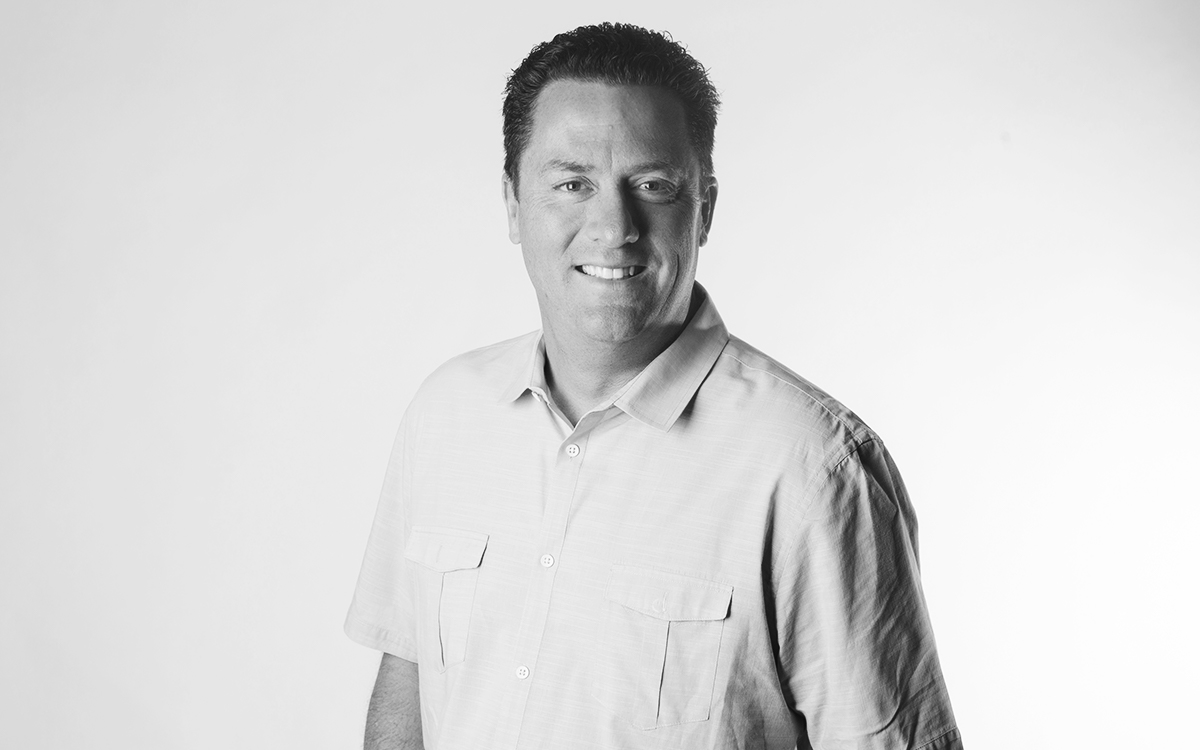
“We are prioritizing stability and predictability for staff and clients.”John Oceguera, owner and CEO
The product is the handoff
A conventional PR agency earns attention. A lobbying shop works the policy process. A research firm discovers what people believe. A media agency buys reach. Strategies 360's pitch is that the dangerous space lies between those assignments. The pollster learns that voters worry about taxes, but the creative team never sees the nuance. The lobbyist builds legislative support, but the public message arrives late. Five good vendors can still produce one incoherent campaign.
S360 sells the handoff. A representative survey or focus group becomes a message architecture. That architecture guides a coalition, a press strategy, an ad, a landing page and a meeting with lawmakers. The company earns revenue through tailored projects and ongoing advisory relationships, sometimes managing media spending as part of the work. Its customers include school districts, tribes and Native corporations, nonprofits, trade associations, businesses and public agencies - organizations with problems too political for ordinary marketing and too public for quiet consulting.
The useful bit to copy
The campaign that moved every week
During the pandemic, Lewis and Clark County in Montana faced a problem that resisted the usual expert voice. Vaccination rates were low, infections were rising, and the intended audience distrusted public-health officials, scientists and many politicians. Buying more of the same message would merely have purchased a larger failure.
S360's “It's Your Move Montana” campaign used local messengers, paid media, earned coverage, web development and a service that let residents text a local person with questions. Message testing continued while the campaign ran. The team reviewed which channels drove people to vaccination-site maps and adjusted the mix weekly. In the firm's reported results, January vaccinations rose 34 percent from December and 45 percent overall during the measured campaign period.
There is no secret phrase here. The transferable trick is organizational: create a feedback loop short enough to affect work that is still live. Most campaign reports explain what happened after the budget is gone. S360 used reporting as steering.
Small language, large consequences
For the Autism Society of America, the assignment began with one word. The organization wanted April to move from Autism “Awareness” Month to Autism “Acceptance” Month. S360 developed messages, press materials, social content, local affiliate tools and a 16-email fundraising sequence. In 2022, the work produced nearly 5,000 media mentions, according to the firm's case study, alongside a reported 75 percent rise in positive brand sentiment. Paid search, social and display generated more than 1.6 million impressions. Helpline calls and emails rose an average of 187 percent after S360 began managing digital marketing.
The important detail is not the advertising-value equivalent, an agency metric that deserves healthy skepticism. It is the connection between a language decision and an operating system. The word changed. Then press guidance, affiliate materials, fundraising emails, search ads and helpline demand changed with it. Integrated work is less glamorous than a campaign slogan, but it makes the slogan travel.
The West is not one place
The firm's differentiation depends on local knowledge surviving the integrated model. Its Tribal Affairs practice says it represented 39 tribes, cultural institutions, Indigenous candidates and issues over five years. In New Mexico, its team worked on recreational-cannabis legislation that allowed for tribal compacts. In Nevada, it helped build support for permanent higher-education fee waivers for Native students. For Bristol Bay Native Corporation, multi-year research led to the “More than a Corporation” campaign, which S360 says doubled brand awareness over three years.
Oceguera brings personal context to this practice. A member of the Walker River Paiute Tribe, he was the first Native American to serve as Speaker of the Nevada Assembly. Before 12 years in the legislature, he spent two decades with the North Las Vegas Fire Department. His biography reads like a tour of institutions that cannot improvise trust at the moment they need it.
The tension is scale. Local expertise is powerful precisely because it does not mass-produce well. S360's latest answer is an alliance with Primacy Strategy Group, not another office spree. Announced in September 2026, the partnership links S360's Western team with Primacy's Midwest, Plains and Washington, D.C. operations. Together they offer regional coverage across ten states and federal relations. It is reach by connection rather than ownership.
The model needs a client willing to share evidence, let specialists collaborate and alter tactics while the work is running. It is a poor fit when the answer has already been chosen, local credibility is absent, or approval cycles are slower than the campaign. Integration cannot rescue a fixed message that research has already disproved.
A second act measured in fewer dots
In February 2026, S360 supported 12 Washington school districts as voters approved 21 bond and levy measures worth nearly $4 billion for more than 121,000 students. The firm's research found a public holding two thoughts at once: 54 percent believed districts needed more funding, while 62 percent believed local property taxes were too high. The winning message structure was modest and concrete: need, plan, accountability.
That framework could double as the company's own brief. The need was business continuity. The plan was a smaller footprint under an insider who knew the operation. Accountability will arrive in what always comes after a corporate rescue: whether clients stay, employees believe the promise of stability, and the alliance creates useful reach without recreating old costs.
Strategies 360 is now neither the sprawling firm it was nor a boutique with one trick. It occupies a middle position: regional enough to know the terrain, broad enough to connect polling with pixels and policy, newly cautious about confusing a large map with a durable company. The most interesting thing it did was not survive by inventing a new service. It kept the work, changed the structure and made the handoffs matter.