government-relations
(146)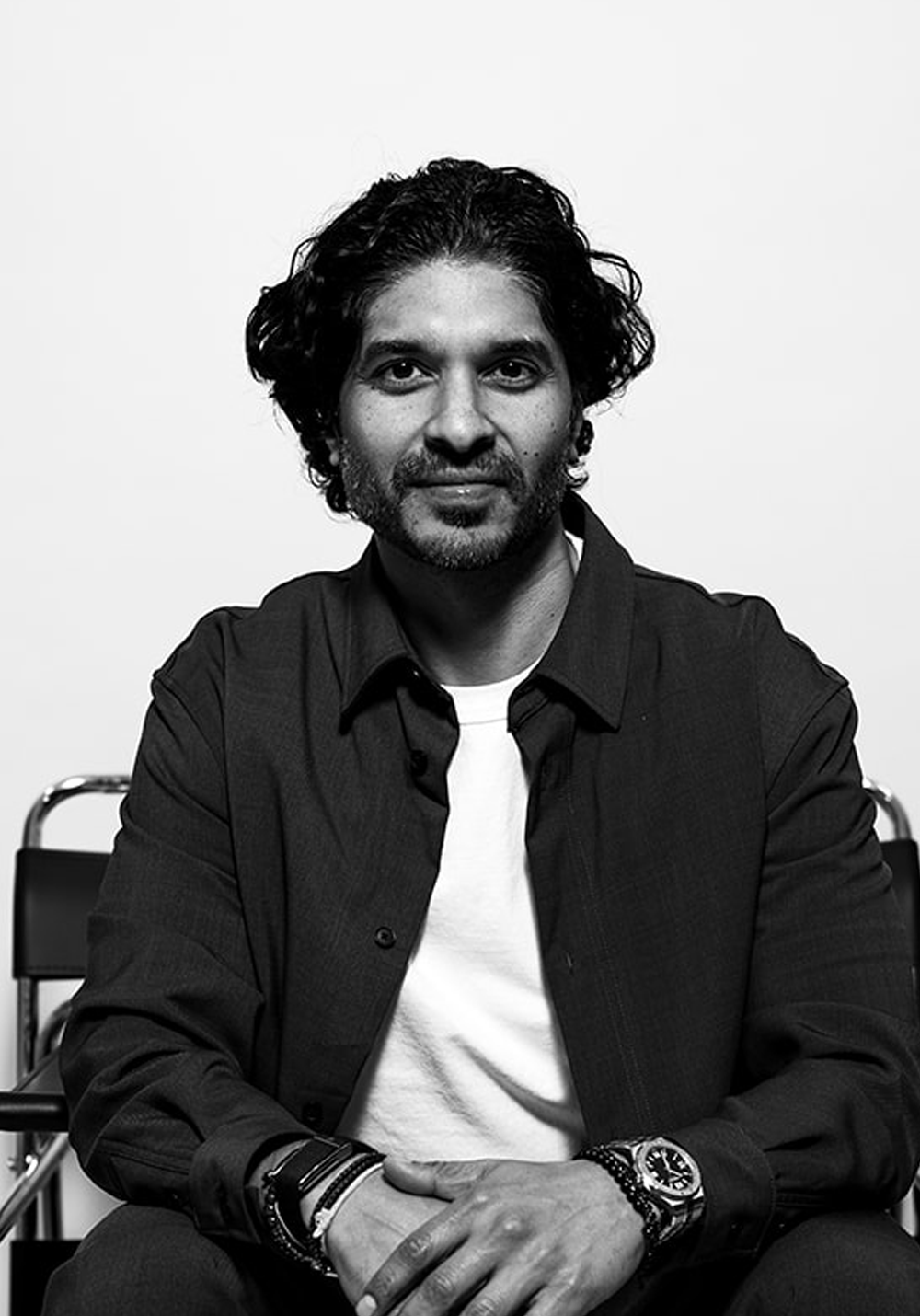
Vinoda Basnayake and the business of a good night
A student party promoter became a tour manager, a lawyer, and the founder of VERSUS. In Washington, Vinoda Basnayake has spent his career learning what happens when the right people share a room.
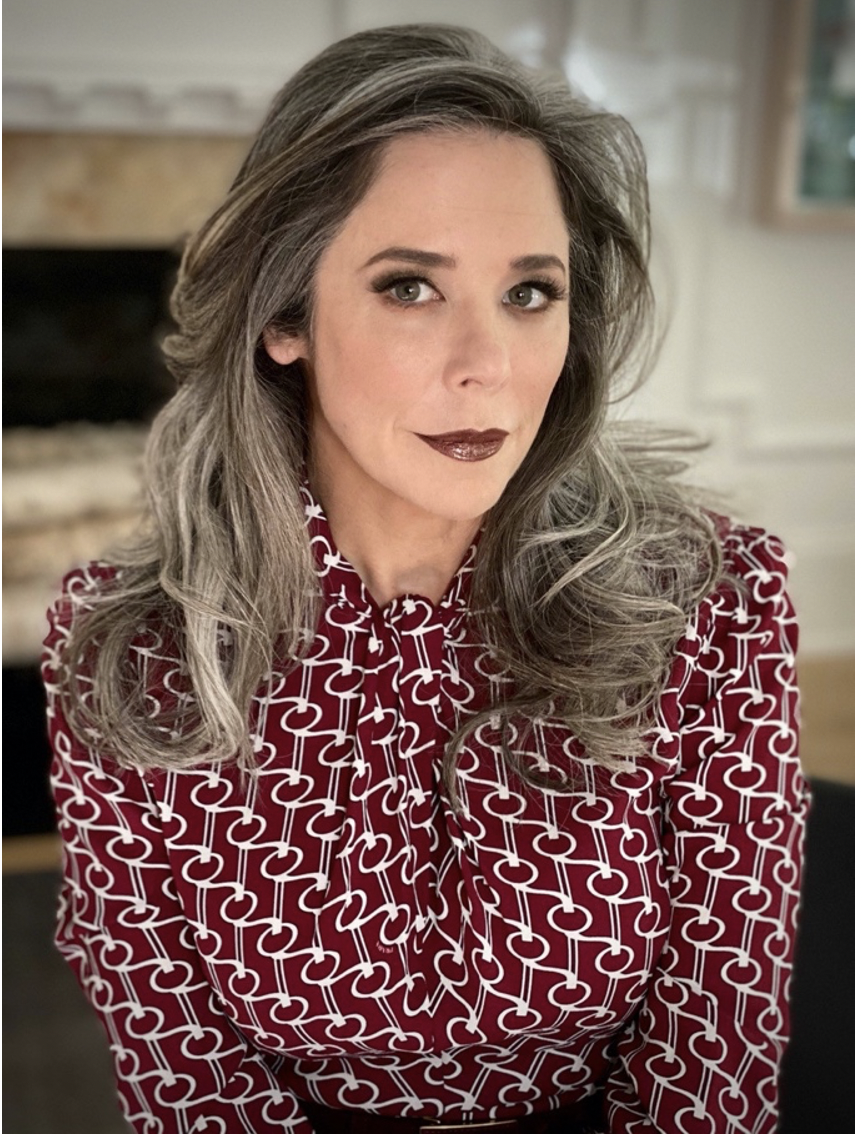
Heather Podesta Built a Firm. Then She Took Her Name Off the Door.
A law-firm partner left to build a business of her own. Nineteen years later, Heather Podesta’s story runs through tax policy, contemporary art, a borrowed word from The Crown, and the people trusted to carry the work forward.

Adam Schwarz and the distance between a promise and a permit
A Jakarta newspaper placement became a career spent reading Southeast Asia’s political fine print. After reporting, writing and twelve years at McKinsey, Adam Schwarz built Asia Group Advisors around the gap between economic ambition and what governments can deliver.
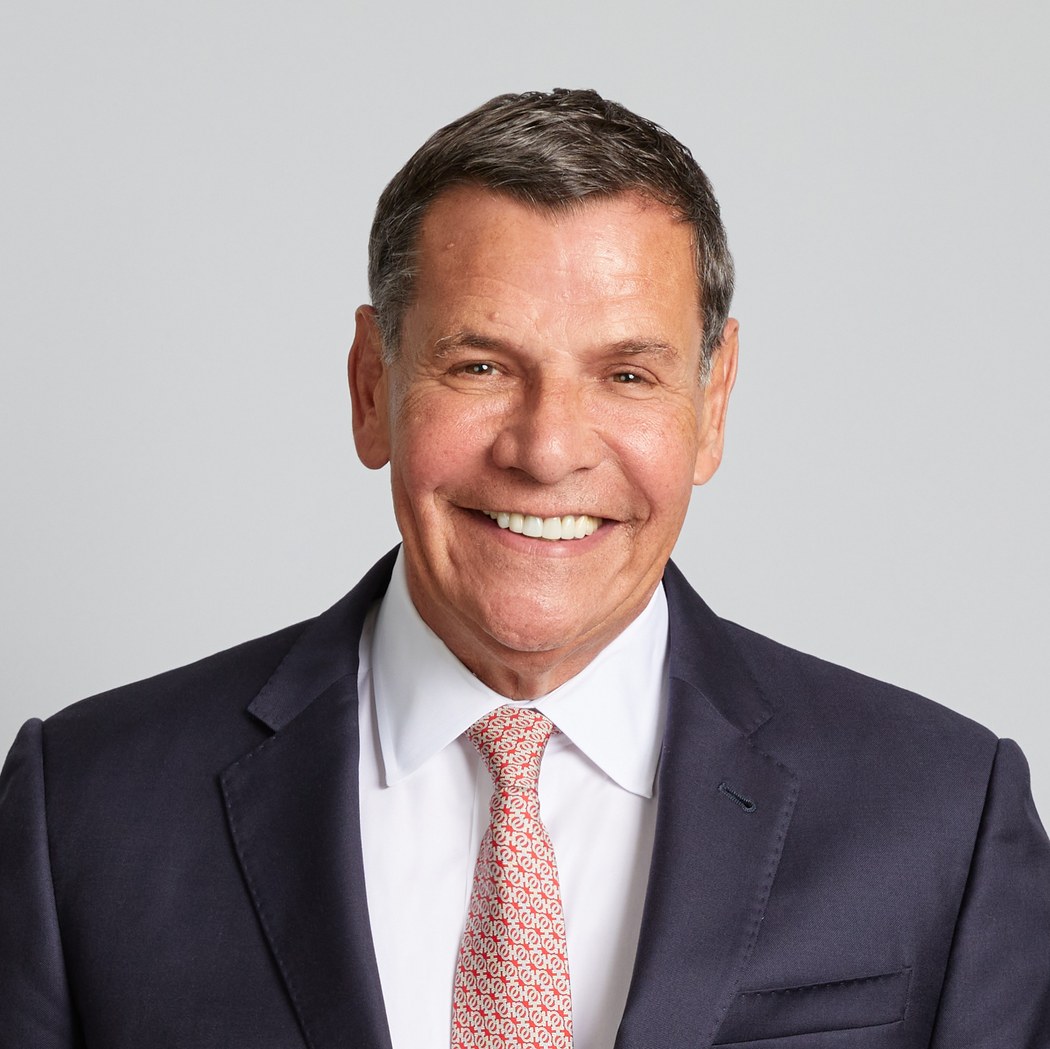
Guy Chipparoni and the business of an invitation
From Hyatt and Jim Edgar’s press office to a Vatican audience, Guy “Chip” Chipparoni has spent his career where private interests meet public decisions. As Choose Chicago’s board chair, he is helping turn the city’s welcome into a funded plan.

John Murray and the Art of the Next Move
From a presidential campaign to the Seattle stage, John Murray has spent his career thinking about audiences. At Monument Advocacy, that habit helped turn a public affairs assignment into the CEO’s job.

Chris Bravacos Starts at the Finish Line
From congressional offices to a Harrisburg communications firm, Chris Bravacos has built a career around working backward from the result. Even the toy robots in his office belong in a story about picking your fights.

Jeffrey Forbes and the Arithmetic of Getting Along
A Democratic campaign veteran built a bipartisan Washington firm by paying attention to the people between the sides. His route there ran through New Hampshire, the Clinton White House, and a Senate committee where the numbers mattered.
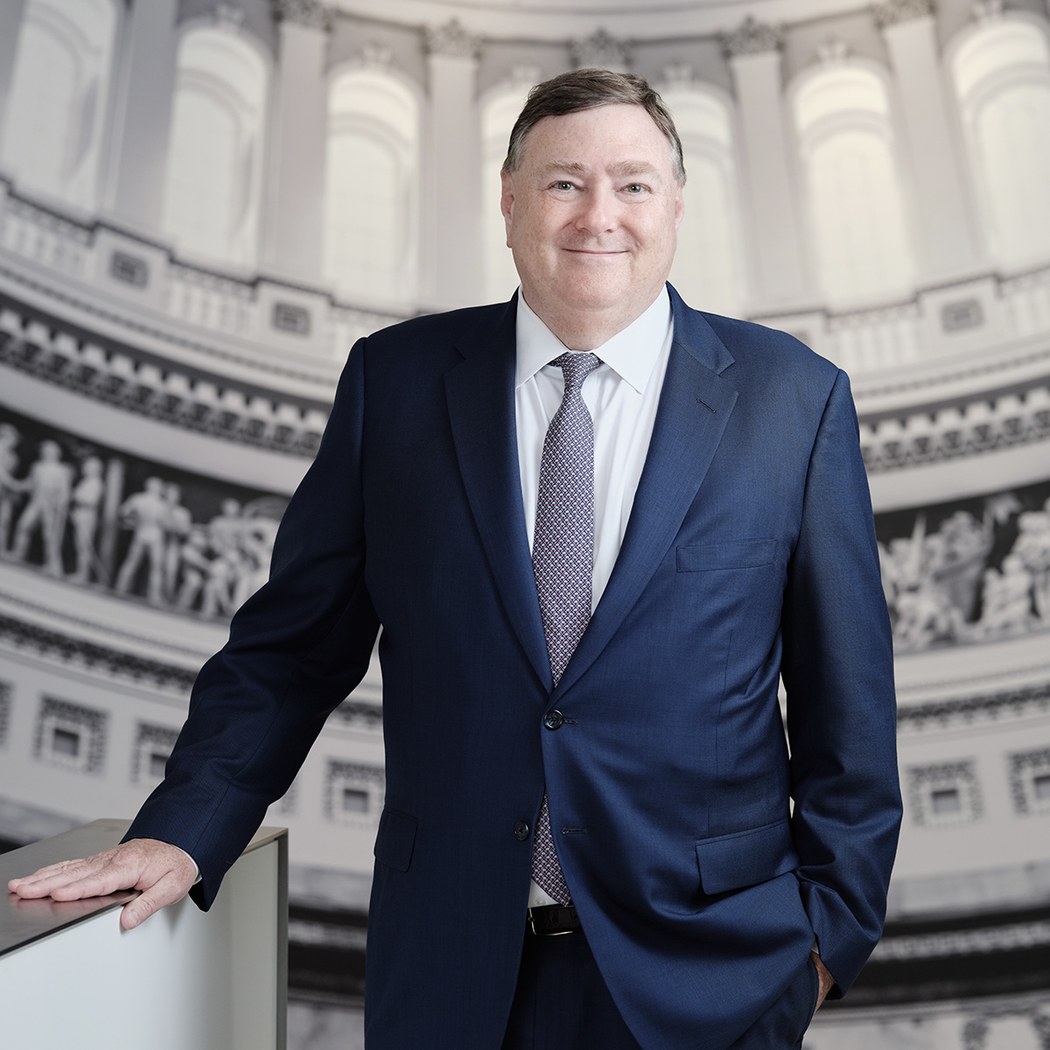
Stewart Hall and the business of knowing how Washington works
A Senate legislative director became a builder of advisory firms. At PPHC, Stewart Hall is connecting the people who understand policy, public opinion and the places where decisions get made.
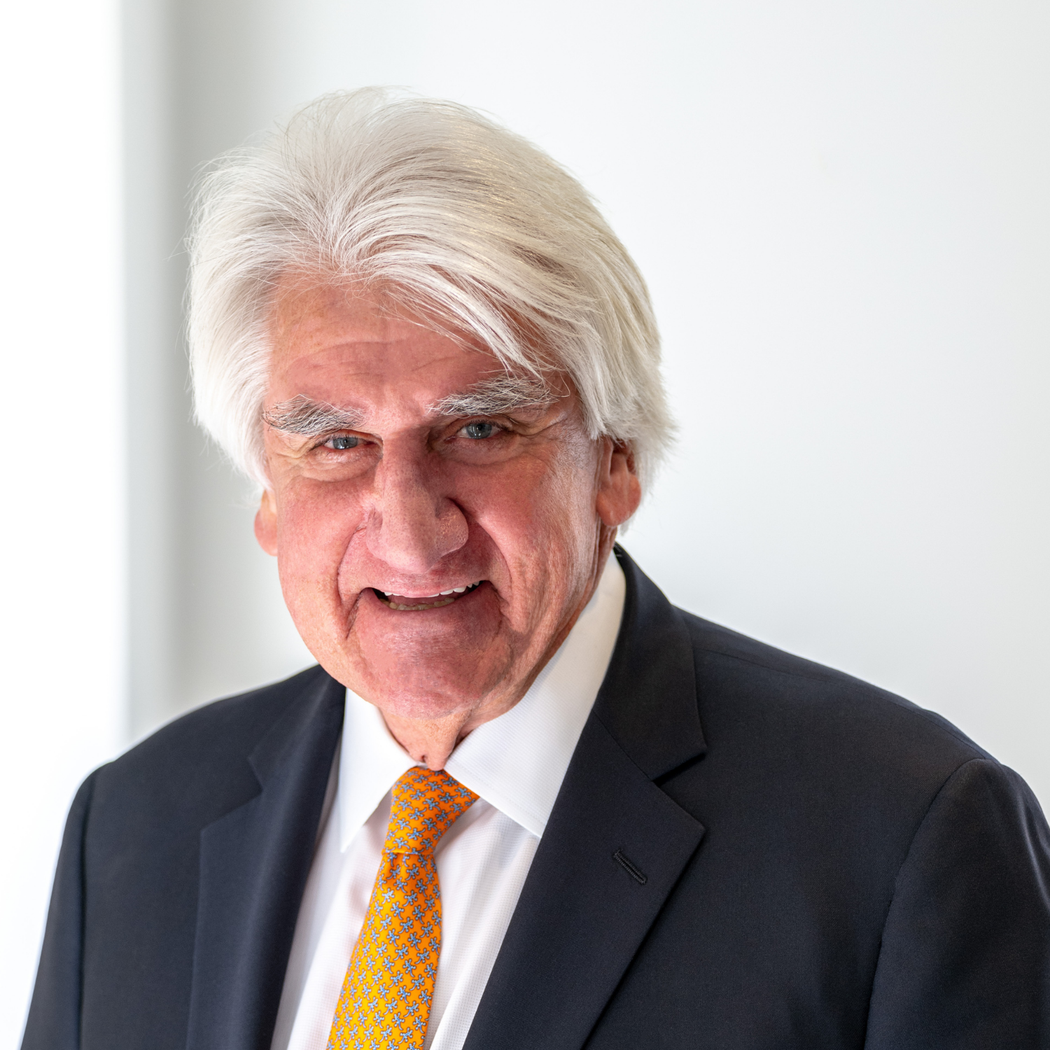
Thomas O’Neill and the distance between two doors
A Cambridge political son became Massachusetts lieutenant governor, then built a business connecting Boston and Washington. His work with Cristo Rey Boston brings that same question closer to home: who gets an introduction, and what can it change?

Kai Anderson and the map behind the deal
A geologist from eastern Oregon found his way into Harry Reid’s Senate office, then into the leadership of Cassidy & Associates. His hand-drawn maps offer a way to see what a landscape photograph leaves out: the people who can change its future.
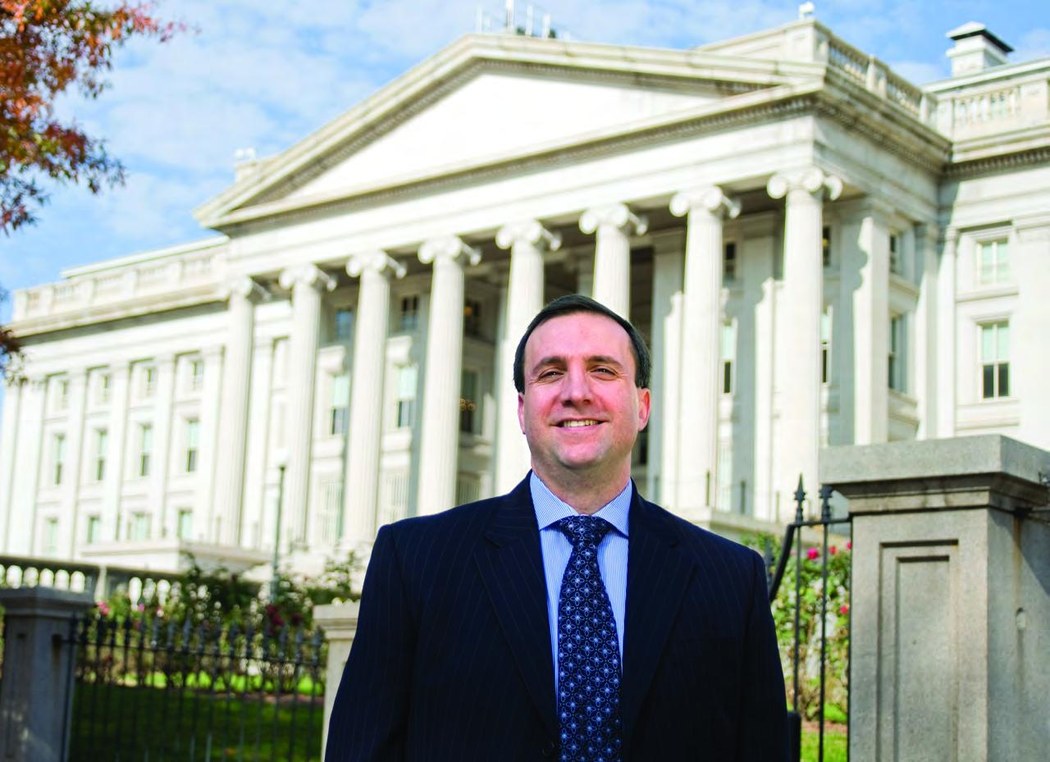
Howard Schweitzer and the thirty-minute appointment with history
An 8:30 a.m. phone call put Howard Schweitzer on the operating team for a $700 billion rescue. His career since then has kept returning to the same question: how do you turn a decision into something that works?

Andrew Blunt and the Business of Being in the Room
He grew up around Missouri politics, learned to enjoy the pressure of a campaign, and co-founded HB Strategies. Now Andrew Blunt is working on a different kind of staying power: a company that can carry on without its founders.
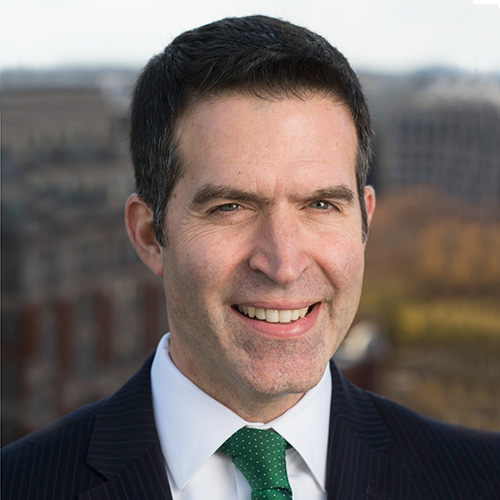
Michael Catanzaro and the fine print of power
Before he advised a president on energy, Michael Catanzaro helped write the political news. Now the CGCN chief executive is working on a question that joins Washington’s old machinery to its newest ambition: how to build enough power for the AI economy.

Lanny Griffith and the art of keeping a door open
From Mississippi campaigns to the White House and BGR Group, Lanny Griffith built a career around bringing people together. The buildings he restored and the scholarship bearing his family’s name tell the quieter half of that story.

Crayton Webb and the Business of Being Believed
A former TV reporter bought a Dallas PR firm and kept its name. His career, from City Hall to corporate communications to a campaign for civility, turns on what happens before anyone asks for your trust.

Quorum and the power of remembering
Washington runs on relationships. Quorum’s wager is that those relationships become more useful when the next person can remember what happened.

BGR Group Made a Product Out of Political Whiplash
Washington changes hands every few years. BGR turned that instability into a service - pairing access with policy depth, communications, and a network built to outlast any one administration.

The Firm That Learned to Sell the Map of Washington
For fifty years, Cassidy & Associates has sold something more durable than access: a working model of how decisions move through Washington - and a team built to move with them.

The Company That Answers Someone Else’s Phone
Ewald Consulting runs the unglamorous machinery behind dozens of associations. Its smartest move was not adding more people, but making one system carry more of the load.

The Lobbying Firm That Put the Whole Campaign Under One Roof
CGCN sells access, analysis, storytelling, and outside pressure as one coordinated system. A 20-year campaign for salon tax relief shows why the parts matter most when they move together.

Bravo Group Found the Voters Who Stopped Picking Up the Phone
The Harrisburg firm began with a political operative's instinct: every hard business problem contains a campaign. Then the phone stopped working - and Bravo built its own way to listen.
The Lobbying Firm That Turned Fifty Statehouses Into One Desk
HB Strategies grew by making a complicated promise: give a client one command desk for Washington, state capitals and the court of public opinion. Seven years later, the three letters on the door belonged to an independent national firm.

The Firm That Got Smaller to Think Bigger
Strategies 360 once spread across 13 states. After bankruptcy, layoffs and a change of ownership, its smaller Western network is making a more interesting bet: local knowledge works best when research, lobbying and creative people share the same table.

The Lobbying Firm That Refused to Stay Inside the Beltway
Washington may write the rules, but states and cities increasingly decide how they land. Cozen O'Connor Public Strategies built a bipartisan firm around that gap - and made geography part of the product.

The Firm That Sells the Whole Weather System
Mercury Public Affairs does not merely polish a message. It assembles the politicians, pollsters, press hands, digital operators, and local organizers who can change the weather around it.

The Lobbying Firm That Had to Win Its Way Back Into the Room
In Annapolis, influence is a business of memory. Evans & Associates lost almost everything, returned with one client, and rebuilt a family firm that Maryland now counts among its highest-earning lobbying shops.

The Agency Bought for Its Bad Days
TrailRunner built an agency for the moments when law, money, politics and reputation collide. Then a public-affairs group paid $33 million upfront to own that collision.

DCI and the Art of the Outside Game
DCI began with one client and a campaign operative's instinct: policy is rarely won inside the room alone. Thirty years later, the firm still builds the pressure outside it - one ally, headline, statehouse and carefully timed message at a time.
Avōq Killed Two Good Names to Build One Better Machine
The Washington firm did not merely merge a communications shop with a public-affairs shop. It bet that modern persuasion works best when the lobbyist, researcher, media buyer and art director share the same table.

The Meeting Is the Easy Part
Washington runs on access, but FTP built a business around the harder question: once the door opens, what should a client actually say - and who else needs to say it?