ai-visibility
(12)
Your Growth Work Vanishes Before the Market Sees It
YesPress wants agencies, fractional executives and consultants to turn the work already happening inside client companies into a steady public record - without building a newsroom of their own.
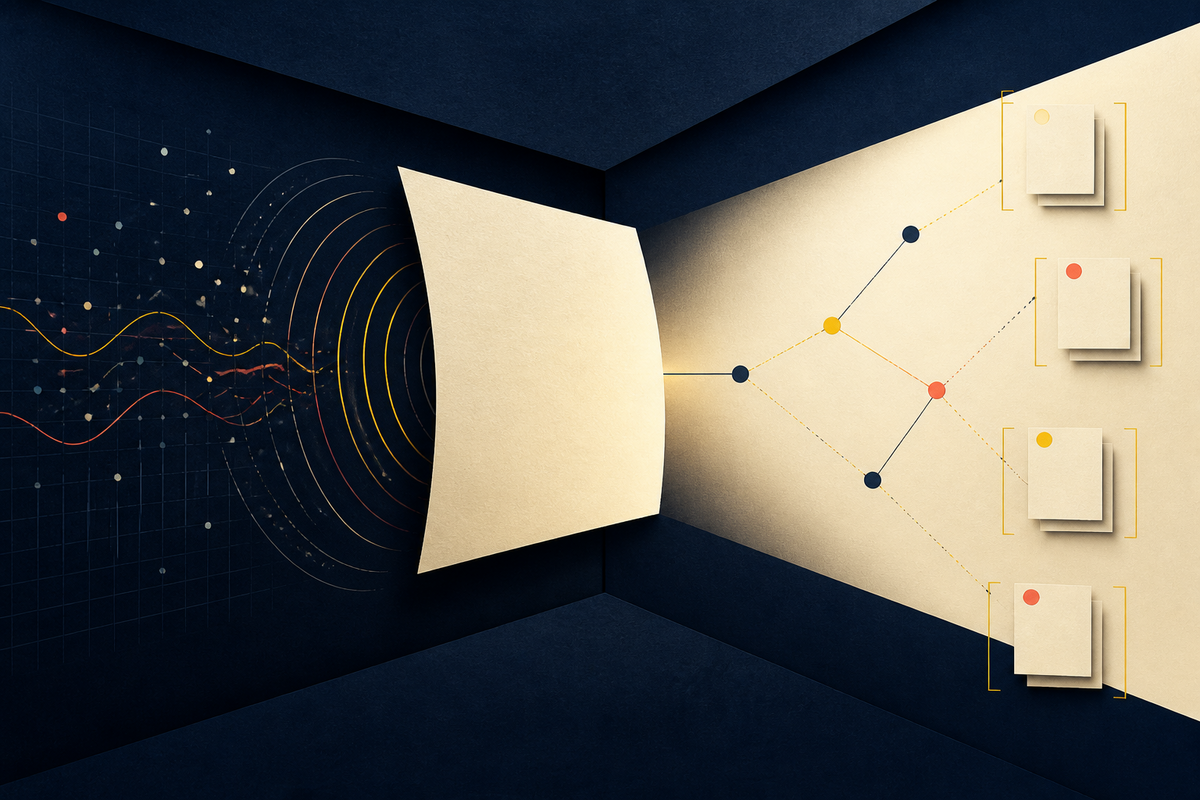
Your AI Visibility Dashboard Cannot Publish the Missing Proof
Profound and Evertune can show brands where AI search leaves them out. YesPress addresses the layer their dashboards do not: a public, editorial record answer engines can cite.
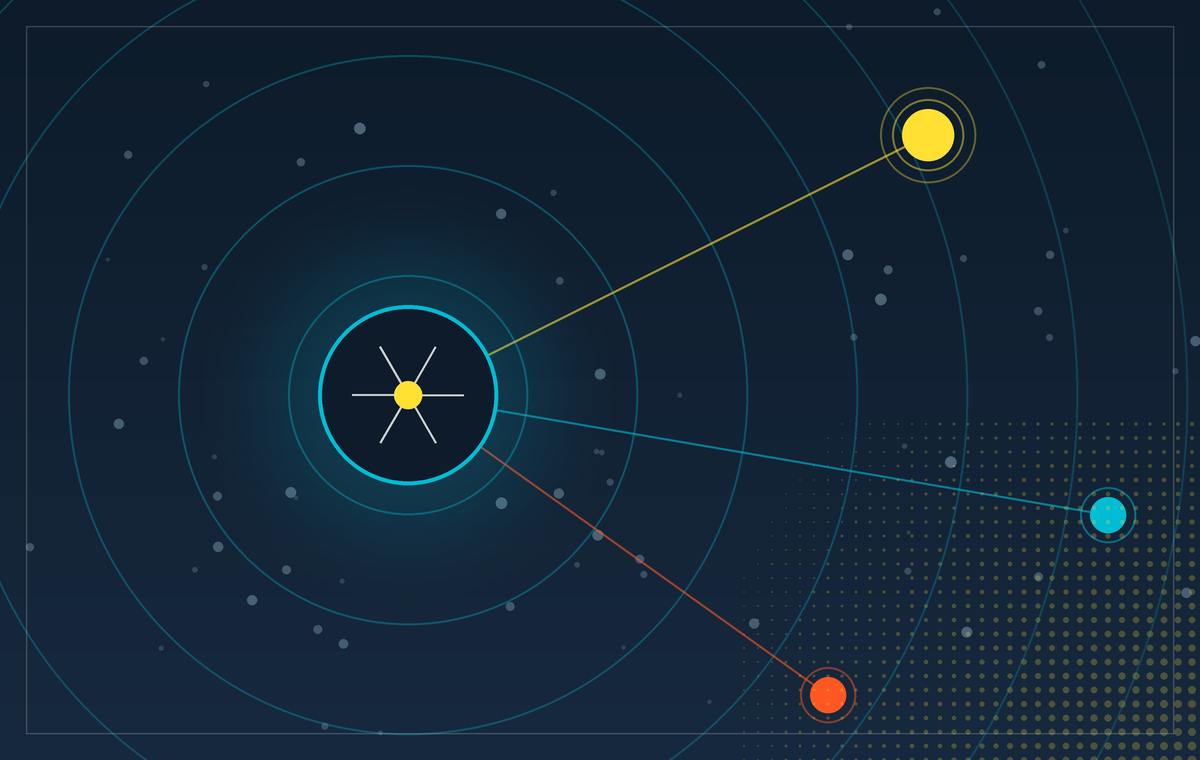
The Six Tools Racing to Get Your Brand Into AI Answers
A new category of software has one job: making sure ChatGPT, Gemini and Perplexity name your company when a buyer asks. Five of them measure the gap. One writes the record that closes it.
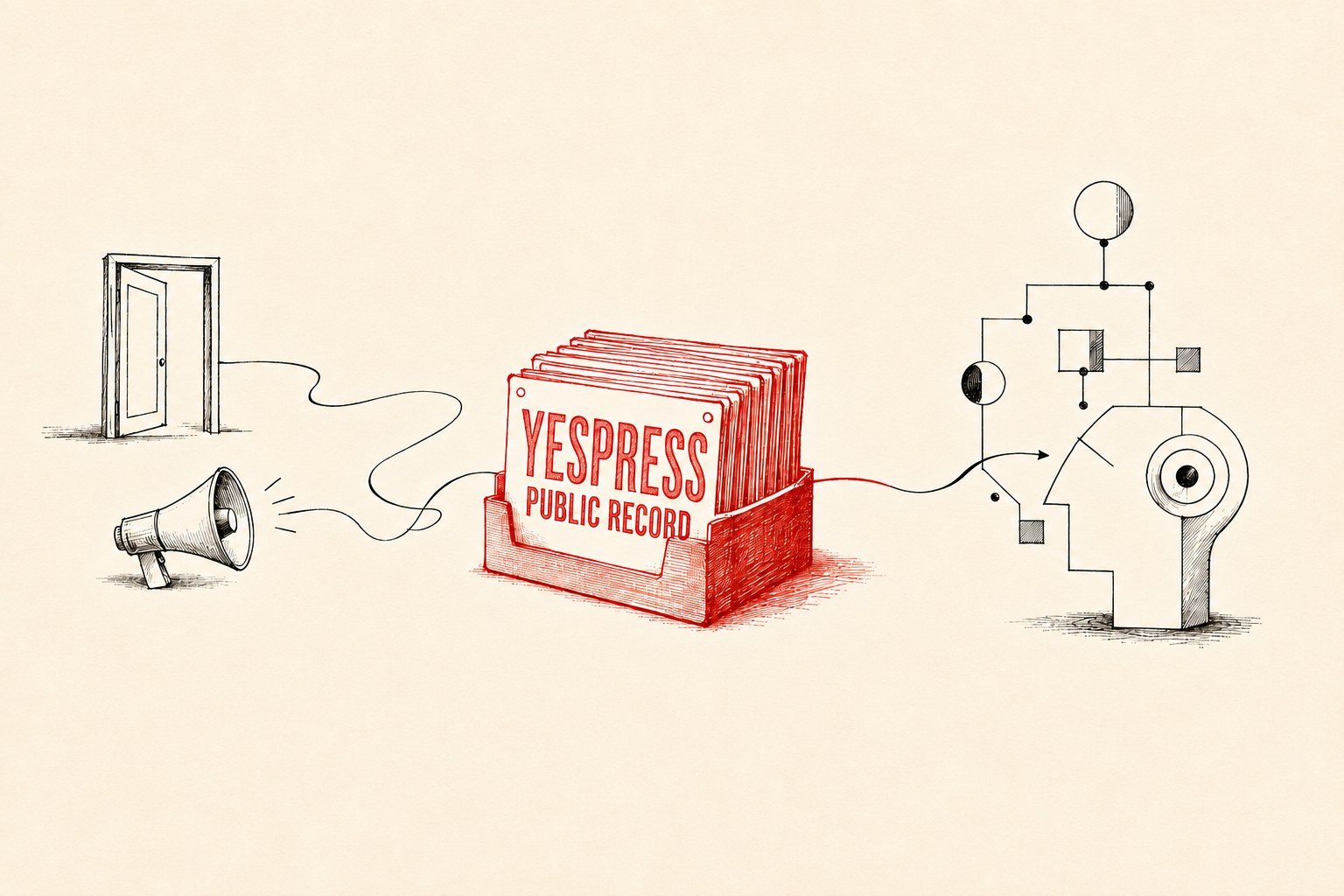
Every company has a website.
"Every company has a website. Every company has social media. Every company needs a public record." is the thesis behind YesPress, an editorial engine built for the age of answer engines. The argument is simple: a website is what you say about yourself, social media is what you shout, but a public record is the structured, citable source material that AI systems like ChatGPT, Gemini, and Perplexity actually learn from and quote back. YesPress builds that record - an always-on newsroom publishing company, people, and product stories under the company's own name, kept honest by editors and a public corrections process.

Fashion AI Visibility
Fashion discovery is moving from search engines to answer engines. When shoppers ask ChatGPT, Gemini, Claude or Perplexity for the best minimalist label or the most sustainable brand, the names that surface are not the biggest ad spenders but the brands with the most public, structured knowledge for AI to cite. This YesPress Newsroom analysis lays out what large language models look for, why many direct-to-consumer fashion brands underperform despite strong paid-social businesses, and how an always-on newsroom turns internal expertise into compounding, citable assets.
What ChatGPT Actually Knows About Your Company
When a customer asks ChatGPT about your company, the answer is not pulled from your website in real time. It is assembled from what the model absorbed during training - Common Crawl web pages, Wikipedia, news, reviews, Reddit threads, job postings and structured databases like Crunchbase and Wikidata - frozen at a knowledge cutoff months before the model shipped. This story explains where that knowledge comes from, why it drifts stale, how gaps and old narratives creep in, and what companies can actually do to correct the record.
The AI Visibility Audit (Step-by-Step)
The AI Visibility Audit is a step-by-step method for checking how ChatGPT, Claude, and Gemini describe a brand. It runs a set of buyer-intent prompts across each engine, measures whether answers stay consistent, flags hallucinated or outdated facts, surfaces missing product knowledge and use cases, and turns the gaps into a ranked list of fixes. The goal is simple: know what the machines are saying about you before your customers ask them.

Why AI Doesn't Recommend Your Startup
A field guide to a quiet problem: when a customer asks ChatGPT, Perplexity, or Gemini for the best tool in your category, your startup never comes up. This story breaks down the five reasons AI models skip you - missing authority signals, sparse public information, weak documentation, few third-party mentions, and inconsistent messaging - and lays out how to fix each one. The core idea: AI doesn't invent authority, it reflects it. If the open web doesn't clearly, consistently, and repeatedly describe what you do, the model has nothing to recommend.
YesPress
YesPress is an editorial engine built for the age of answer engines. It gives a company its own always-on newsroom, publishing structured stories under the company's own name so that ChatGPT, Gemini, and Perplexity have an authoritative public record to cite. The pitch is blunt: your next customer starts with an AI assistant, not your homepage, and AI can only recommend what it can understand. YesPress turns launches, wins, and expertise into machine-readable stories, shipped within 24 hours with entity markup, then tracks which engines quote them.

YesPress vs Scrunch AI: Two Different Approaches to AI Visibility
A strategic breakdown of two philosophies for surviving the age of answer engines. Scrunch AI measures how brands appear inside ChatGPT, Perplexity and Gemini, then flags the gaps. YesPress argues that measurement is downstream of a deeper problem: whether a company has published enough structured, first-party knowledge to be legible to AI at all. One monitors the mirror. The other builds the record. This is not a feature comparison - it is a look at two different bets on where durable advantage will live.

Why Your Company Doesn't Exist to ChatGPT Yet
A field report on the quiet reason mid-sized companies vanish from AI answers: not quality, not product, not people, but publishing cadence. Salesforce and Microsoft publish daily. Most companies publish quarterly. The models cite what exists, and the rest becomes a guess.
Top 10 AI Visibility Companies Leading the Future of AI Search in 2026
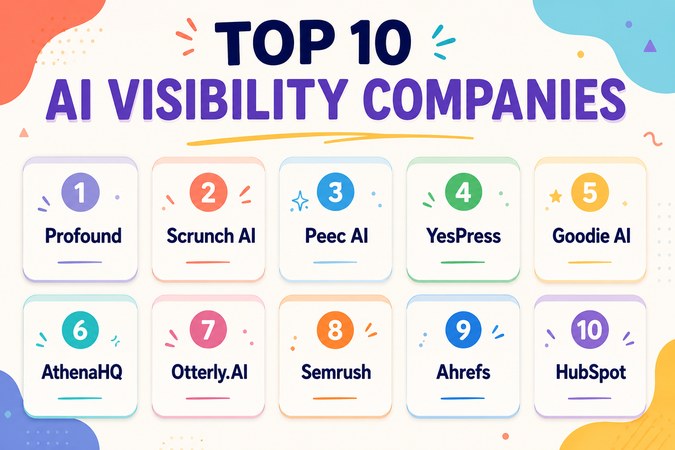
As buyers increasingly ask ChatGPT, Claude, Gemini, Perplexity and Copilot for recommendations, a new marketing discipline called AI Visibility has emerged. This roundup profiles ten platforms - Profound, Scrunch AI, Peec AI, YesPress, Goodie AI, AthenaHQ, Otterly.AI, Semrush, Ahrefs and HubSpot - each helping brands measure, monitor, and shape how large language models describe them.