merchant-services
(46)
Hansen Han and the unfinished business of the checkout
He started with mobile payments. Fifteen years later, the iBoxPay founder is building AI employees for small shops - and still asking what happens after the customer pays.

Islam Shawky and the shop that became a payments company
He set out to sell online. The trouble came at checkout. A decade after co-founding Paymob, Islam Shawky is still working on the obstacle that changed his plans.

Flutterwave learned that the checkout was only the beginning
A payment button looks simple. Flutterwave’s decade of expansion, retreat, and reinvention shows how much machinery it takes to make that button work across Africa.

Company.com and the business of fewer tabs
Company.com built a business around an unglamorous problem: small companies had plenty of software and too little time to manage it. Its move from bundled services to connected customer portals makes a useful case study in selling convenience.

SphereCommerce and the art of getting paid once
A medical payment can succeed at the terminal and still leave a mess behind the desk. SphereCommerce built its healthcare business around closing that gap - then began reshaping the business itself.

National Retail Solutions: the corner store’s second business
A cash register for the shopkeeper. An advertising network for brands. National Retail Solutions has built a business by giving the neighborhood checkout counter more than one job.
Gravity Payments made wages famous. The checkout pays the bills.
The $70,000 salary floor brought the cameras. Behind it sits a payment processor betting that independent businesses will pay for fewer headaches and a human on the phone.

Verifi buys merchants time before a charge becomes a chargeback
A forgotten purchase can become an expensive argument. Verifi, the Visa-owned dispute specialist, gives merchants a chance to clarify the charge, refund it, or defend it before the paperwork takes over.

Harbortouch put a price on free
Give away the machine, earn from the transactions. Harbortouch turned that bargain into a restaurant technology business whose next chapter runs through SkyTab and Shift4 Dine.
Valor PayTech and the people behind the people who take your money
The payment terminal gets the attention. Valor’s bet is on the resellers, developers, and small operational fixes that make it worth keeping.
EBizCharge and the work that starts after “paid”
A payment can arrive in seconds and still leave hours of accounting behind it. EBizCharge has built a business around closing that awkward little gap.

NETS made paying ordinary. Now it wants borders to feel that way.
Singapore’s bank-owned payment network grew by making everyday transactions less of a chore. Its next assignment takes that familiar idea across borders - with some hard-earned lessons about what people actually want.

InTouch Wants Africa’s Payments to Meet at One Counter
A Dakar shopkeeper’s tangle of payment services became a business spanning 27 African countries. InTouch’s bet is that the shop counter still matters, even when the money moves online.

Uzum’s $500 million answer to a broken online order
Uzbekistan’s digital commerce group has put more than $500 million into infrastructure. Its bet: a shopping app becomes far more useful when the warehouse, the payment and the loan work together.

Epos Now sold the till. Then it followed the money.
A Norwich bar owner wanted a better way to count the takings. His company now connects shop-floor sales to payments and business finance - with a useful lesson in what to build, what to buy and what to charge.

FreedomPay Built for the Moment Your Payment System Breaks
The Philadelphia fintech began with mobile payments, survived on cashless accounts, and became the independent plumbing behind hotels, stadiums and stores. Its cleverest choice was assuming the network would fail.
Stax Bet Merchants Would Pay a Subscription to Stop Paying Markups. Then It Rebuilt the Payment Stack.
A processor laughed off Suneera Madhani's flat-fee idea. She and her brother built it anyway, reached a $1 billion valuation, and then discovered the bigger business was not one clever price - it was owning more of the machinery behind every swipe.
Basys Spent 24 Years Making the Most Boring Part of Software Feel Human
The Kansas fintech started by selling card terminals. Now it wants banks and software companies to treat payments as a product - with custom APIs, shared revenue and a real person answering when the invisible machinery jams.

Chargeback Gurus Turned the Refund Desk Into a Revenue Machine
Most merchants treat chargebacks as expensive paperwork. Chargeback Gurus treats them as a trail of clues - then uses software, data and specialists to stop the next dispute before it lands.
Nagendra Jayanty Is Building a Business Out of the Rules Everyone Else Skips
The former bond investor now runs InterPayments, where the visible fee is merely the tip of an iceberg made of card rules, state laws and customer psychology.

The Card Reader Disappears: CPOS Bets the Smallest Merchants Will Tap Their Phones
The Ottawa payments company spent a decade selling the machinery of checkout. Now its most interesting product removes the machine - and asks small merchants to trust the phone already in their pocket.
Craig Gass Built a Payments Company Around One Quiet Question: Where Is My Money?
A lawyer turned payments operator, Gass has spent more than three decades following the trail from a customer’s click to a merchant’s cash - and learning what leadership costs when the system fails.

BukuWarung Put a Back Office in Indonesia's Pocket
A free ledger was the opening move. BukuWarung's larger bet is that the neighborhood shop can become a bank branch, bill-pay counter and data-rich business without losing the habits that made it work.
The Checkout Terminal Is Becoming a Cloud Platform
Ingenico built its name on the machine beside the cash register. Now it is turning tens of millions of payment devices into a managed network for software, services and new ways to pay.
PayPal Wants to Be the Internet's Cash Register Again
The blue button helped teach the web to pay. Now PayPal is stitching checkout, Venmo, Braintree, credit, ads and AI agents into a new wager on how money will move.

The checkout has 1,000 doors. Zota wants one key.
Cards are only one dialect in global commerce. Zota built a payment gateway for the hundreds of local wallets, bank transfers, QR systems and currencies that decide whether an international checkout succeeds.

The $625 Million Bet on Making Payments Feel Personal
Celero Commerce assembled a top-tier non-bank payments platform one acquisition at a time. Its sharper idea was to pair the machinery of modern commerce with something the industry keeps automating away: a person who answers.
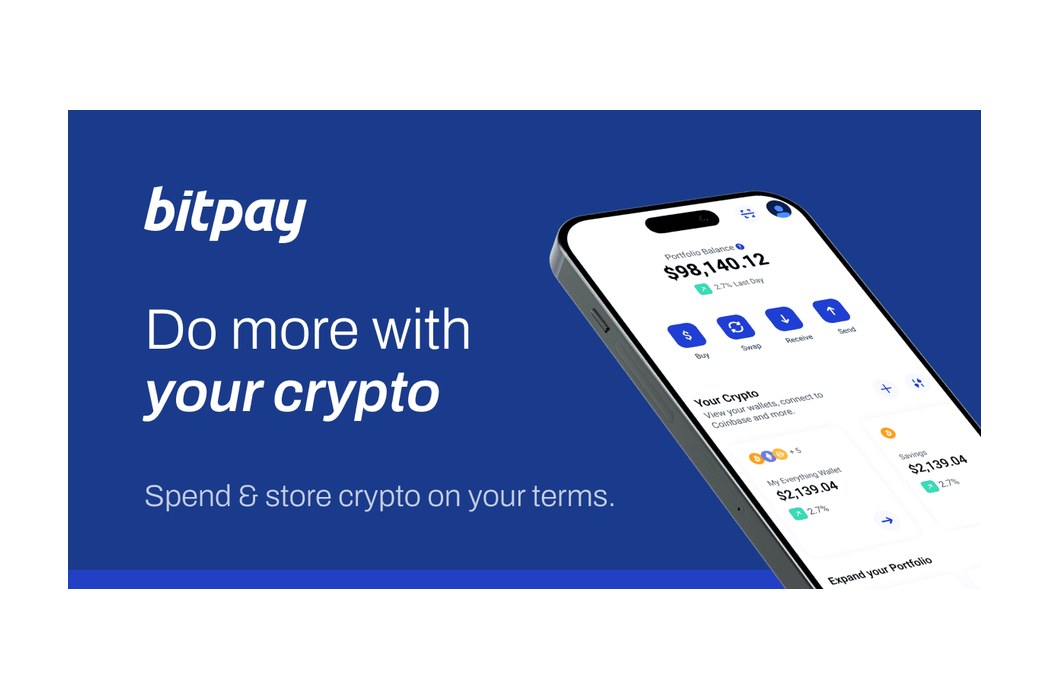
The Checkout Counter Where Crypto Becomes Ordinary Money
BitPay spent 15 years making one volatile idea feel routine: a customer pays from a crypto wallet, while the merchant can wake up to ordinary money in the bank.
ManagePay Built a Fintech Toolbox. Now It Wants to Run the Rails.
The Malaysian payments veteran spent two decades assembling wallets, cards, checkout tools and merchant software. Its next act puts that infrastructure behind public transport and branded financial services.

Fortis Wants the Payment to Disappear - and the Workflow to Finally Make Sense
Fortis spent years buying the unglamorous pieces of payment infrastructure that businesses notice only when they break. Now it is turning those pieces into one embedded layer for ERP software, receivables, checkout and reconciliation.