egypt
(31)
Amr Shady keeps finding a new use for the numbers
From mobile services in Egypt to business payments in Mexico, Amr Shady has built companies around overlooked customers. His latest venture, Accord Partners, brings that habit to audit and accounting.

Adly Thoma wants the business of cinema to meet its next collaborator
An engineer turned teacher, Adly Thoma brought startup pitches to the film festival. At Gemini Africa, his work keeps returning to a practical question: who needs to meet whom for a good idea to earn a living?
Gemini Africa puts talent in the right room
A birdwatching guide, a recycling startup and a film-tech founder have more in common than you think. Gemini Africa builds the business skills and connections that help their work find a market.
ISF wants your graduation project to graduate, too
Egypt’s Innovators Support Fund backs the awkward journey from a clever idea to a working business. Its starting line can be a school science club, a university workshop, or a researcher’s lab.
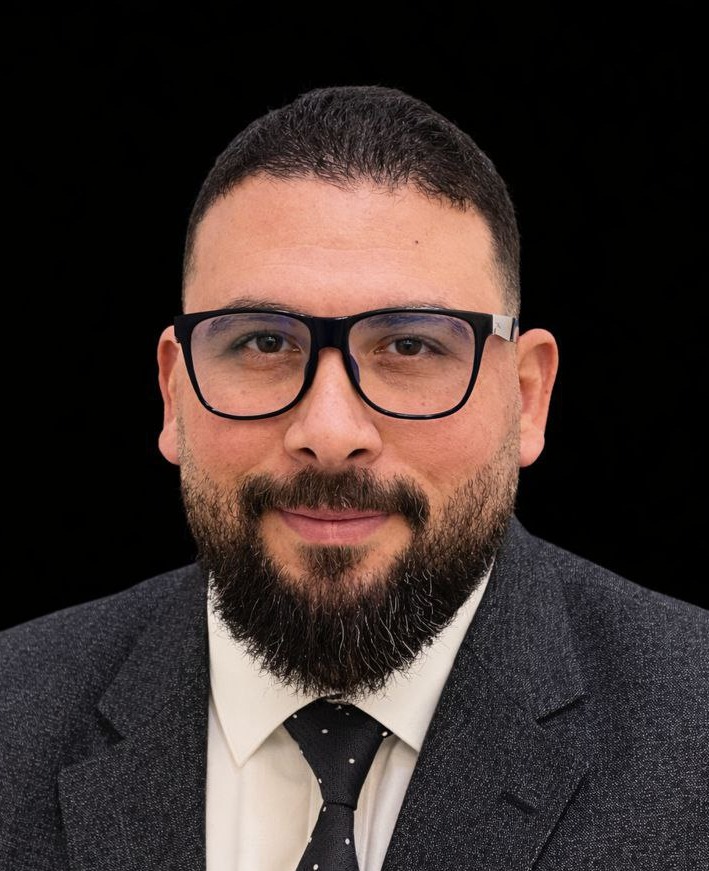
Karim Ali and the useful art of starting again
After seven years helping build almentor, Karim Ali founded KenKo Ventures in 2023. His work in Tanta, and his conversations on ElBadrom, return to a practical question: what helps someone else get started?
Apache’s hardest job is pricing the next barrel
From a seven-barrel well to a multibillion-dollar offshore project, Apache’s history turns on a stubborn question: when does a discovery deserve another dollar?
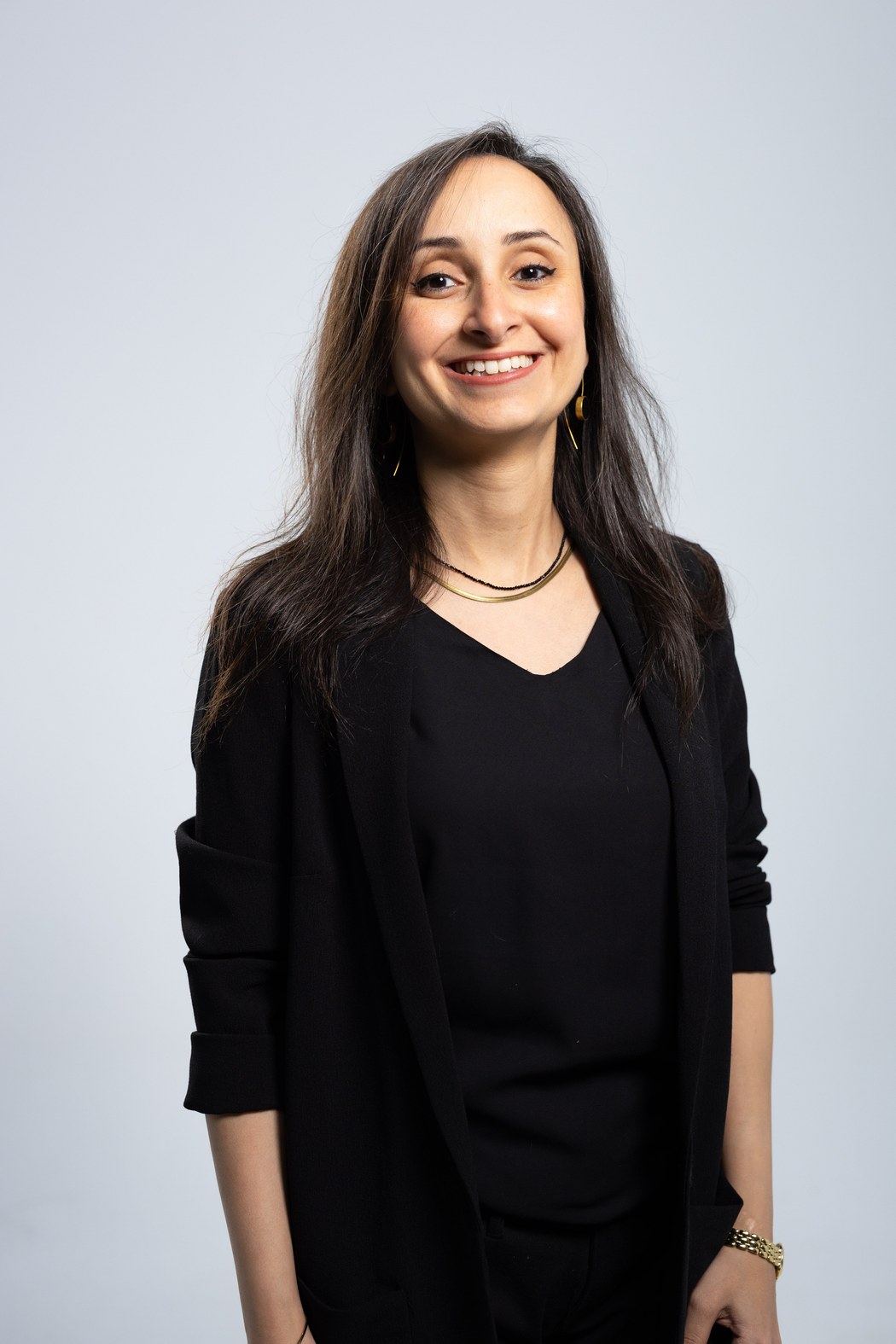
Dalia Said and the art of leaving the room
From entrepreneurship television to retreats beyond Cairo, Dalia Said has kept returning to one question: what makes people willing to learn from each other? At JRNY, she has made the answer her business.

Karim Khorshed and the business of getting through
Karim Khorshed co-founded CEQUENS in January 2011, at a moment of upheaval in Egypt. Fifteen years later, his work still turns on a deceptively simple question: how does a business reach a person?
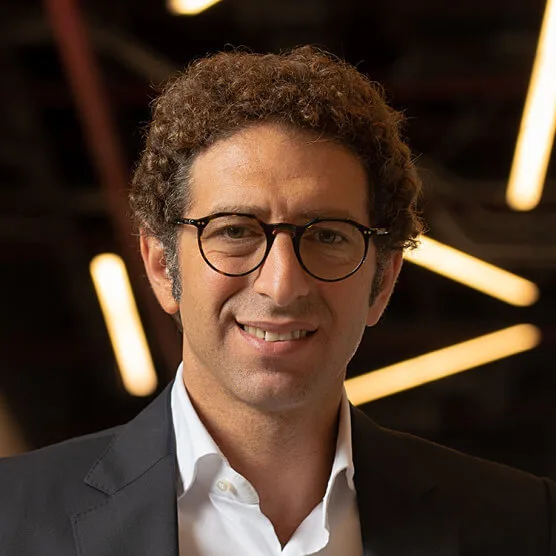
Mounir Nakhla and the economics of a three-wheeled idea
A tuk-tuk could earn its owner a living. Financing it taught Mounir Nakhla how much business lay beyond the bank counter - and eventually led him to rethink the company he had built.
Paymob found the business inside the bottleneck
Three students set out to sell online. The trouble was getting paid. Their answer became a payments platform serving more than 390,000 merchants across Egypt and the Gulf.
Entlaq Holding wants Egypt’s startups to outgrow the paperwork
A Cairo consultancy connects founders, investors and policymakers. Its wager: a promising business needs a working ecosystem as much as a working product.

Islam Shawky and the shop that became a payments company
He set out to sell online. The trouble came at checkout. A decade after co-founding Paymob, Islam Shawky is still working on the obstacle that changed his plans.

ZDS Media agency and the business of being asked back
A seven-year client relationship led this Egyptian creative agency to a sister company’s factory. Its portfolio makes a case for keeping design, video and digital marketing in the same conversation.
KenKo Ventures is building the startup room outside Cairo
In Egypt’s Nile Delta, KenKo Ventures runs the workshops, mentoring and hub operations that help founders get started. Its next proposition connects that local work to business growth across Egypt and Saudi Arabia.

JRNY takes the meeting out of the boardroom
The Cairo company brings founders, bankers and regulators together on retreat. Its real test comes after everyone goes home.
CREATIVA is taking Egypt’s startup map beyond Cairo
Egypt’s public innovation hubs bring training, workspace and startup support to university cities across the country. The interesting part is what happens between learning a skill and finding someone willing to pay for it.
YTG takes green ideas from the classroom to the factory floor
The Cairo consultancy grew out of youth environmental education. Today, its work connects startup coaching, industrial efficiency and the awkward business of making sustainability pay.
Egypt Ventures’ Bet on Chips Found a $48 Million Buyer
The government-backed investor helped finance InfiniLink before GlobalFoundries bought it. Behind that deal sits a broader experiment: using public capital to give Egyptian startups more ways to grow.
Telecom Egypt sells the connection. Even to its competitors.
Behind the WE phone plans sits a business in cables, crossings and other operators’ traffic. Telecom Egypt’s advantage is physical - and so are its costs.
Pylon
Pylon is a Cairo-based smart infrastructure platform that sells electricity and water utilities a subscription-based Smart Metering as a Service (SMaaS). Its software layers on top of any meter - old or new - to cut losses, improve revenue collection and give operators real-time visibility, all at zero upfront cost. Founded in 2017 and backed by Y Combinator (S21), Pylon runs across more than a million metering endpoints in Egypt and the Philippines.
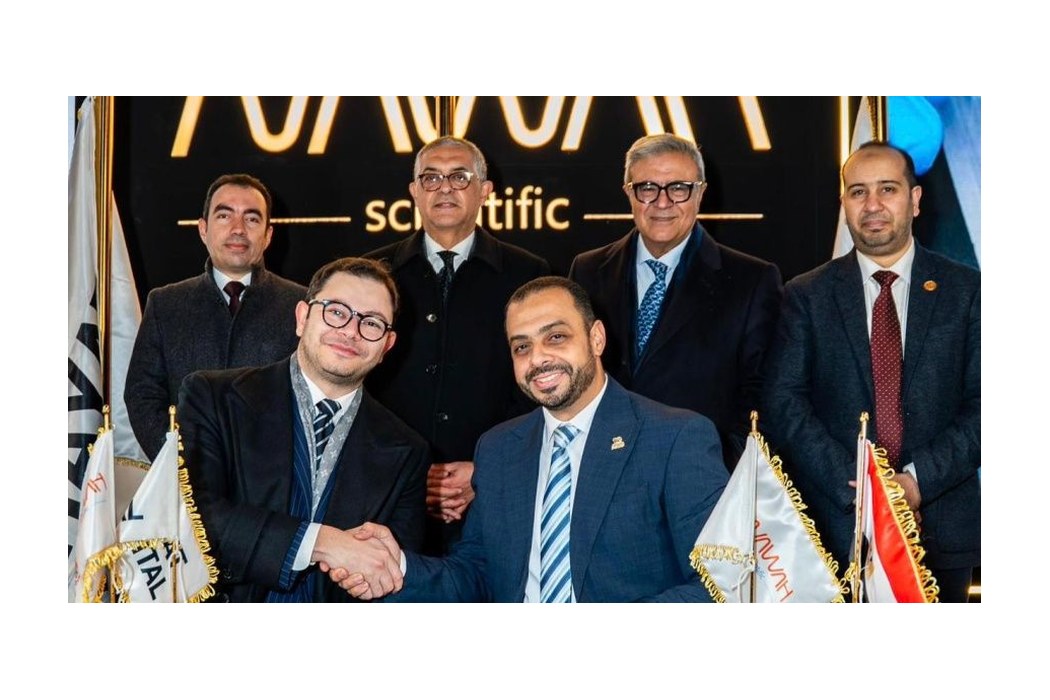
Nawah Scientific
Nawah Scientific is an Egyptian deep-tech company that runs a 'cloud lab' - a network of advanced laboratories that researchers, universities and companies can access remotely by shipping in samples and receiving results online. Founded in Cairo in 2015 by Omar Shoukry Sakr, it consolidates expensive scientific equipment in central facilities so clients across life sciences, pharma, food and agriculture can run analytical testing without owning the instruments. After a decade it has tested more than a million samples for clients in 30+ countries and, in December 2025, closed a $23 million Series A to build a regional research center in Rwanda and double lab capacity in Egypt and Saudi Arabia.

The Oasis That Swallowed a Coastline: Inside Makadi's Grandest Retreat
JAZ Makadi Oasis Resort is a sprawling five-star, all-inclusive beach property cocooned within the larger Madinat Makadi district on Egypt's Red Sea coast near Hurghada. Billed as the largest hotel in Makadi Bay, its beautifully landscaped, vast acreage opens onto a pristine sandy beach and warm Red Sea waters. Guests enjoy three swimming pools, diving and water sports, an extensive Kids Club, exceptional cuisine and luxurious accommodations, all served by a highly experienced team to create the perfect holiday retreat.

JAZ Hotel Group
JAZ Hotel Group is the hospitality arm of Travco Group International, Egypt's largest travel conglomerate. Founded in 1998 and headquartered in Sheikh Zayed City, Giza, JAZ owns and manages a portfolio of 70-plus beach resorts and hotels concentrated on Egypt's Red Sea and Mediterranean coasts, with newer properties in Zanzibar and the UAE. Its brands - JAZ, JAZ Elite, JAZ Neo, Iberotel, Solymar and others - focus largely on all-inclusive leisure travel for European and regional holidaymakers.

SOKNA
SOKNA is Egypt's first end-to-end funeral services platform, handling everything a grieving family would otherwise have to chase down themselves - burial permits and paperwork, body preparation, cemetery setup, transportation, funeral hall booking, obituaries, personalized sadaqa giveaways and post-loss support - for both Muslim and Christian families, 24/7. Founded by former Google and Facebook engineer Ahmed Gaballah, who left Silicon Valley to build it, SOKNA runs technology quietly in the background (dispatching, demand prediction, data tracking) while keeping the human-facing experience calm. Since launching in 2019-2020 it has organized more than 2,500 funerals, partnered with 20+ hospitals and 70+ vendors across Greater Cairo, and raised a $1M seed round.
Hassan Al Shouli
Hassan Al Shouli is a senior communications and strategic business executive at Microsoft's CEMA (Central Eastern Europe, Middle East and Africa) President Office, based in the UAE. With nearly two decades of career experience, he has shaped Microsoft's presence across the Gulf, Saudi Arabia, Egypt, and broader MEA region through executive communications, multi-channel campaigns, and leadership engagement. Before Microsoft, he spent years in the fast-moving MENA digital market at dubizzle and analytics consultancies. He holds an MBA from Cass Business School (now Bayes) and a BSc in Electronics, Engineering, and Communications from the Arab Academy for Science, Technology and Maritime Transport.

Mahmoud Abdelkader
Mahmoud Abdelkader is the Egyptian-American co-founder of Very Good Security (VGS), a San Francisco-based data security platform that raised $105 million from investors including Andreessen Horowitz, Goldman Sachs, and Visa. Born near the Suez Canal and raised in Brooklyn, he built high-frequency trading systems at Wachovia, was employee #4 at Milo.com before its $75M eBay acquisition, then co-founded Balanced Payments through Y Combinator (W11) before founding VGS in 2016. VGS pioneered the 'Zero Data' category of data security as a service, serving 700+ customers including Fortune 100 companies. He stepped down as CEO in late 2022 and now invests in fintech companies including Ramp, Vercel, Alloy, Mercury, and Stytch while experimenting with AI.
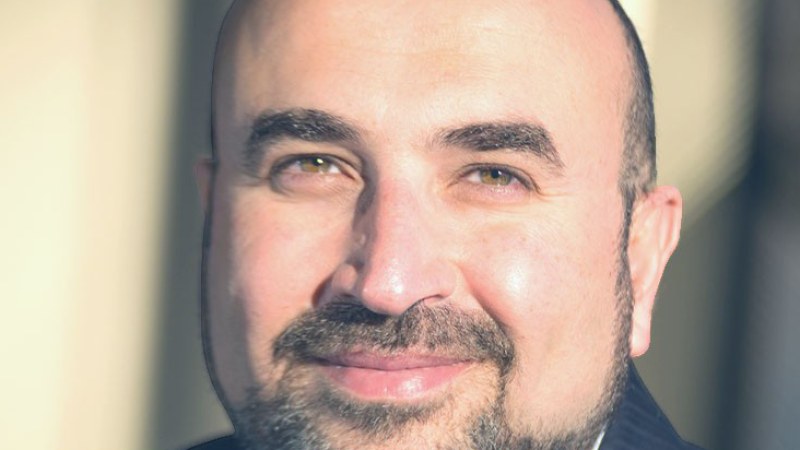
Osama Elkady
Osama Elkady is the Co-Founder and CEO of Incorta, an enterprise data platform that eliminates the traditional ETL pipeline by mapping directly to systems of record for real-time analytics. After 20 years at Oracle - where he rose from junior engineer to VP of Applications Development and invented XML Publisher - he co-founded Incorta in 2014 with the conviction that businesses deserve instant access to their data. The company has since raised $192.6 million in total funding, counts Broadcom, Starbucks, and Hormel Foods among its enterprise clients, and has been recognized for delivering sub-second analytics at massive scale.
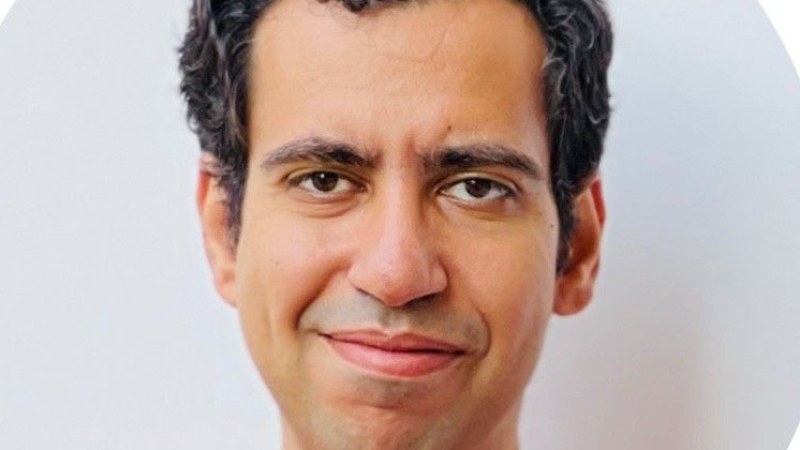
Ahmed Kamel
Ahmed Kamel is a Cairo-born, San Francisco-based serial tech entrepreneur and Google Developer Expert in Machine Learning. He is the CEO and Co-Founder of Sinai.ai, an AI-native book platform that transforms static books into interactive, personalized reading experiences via its patented aiBook™ format. A 20-year software veteran, Kamel previously co-founded YOUXEL Technology (2011) and adam.ai (2017), an AI-powered meeting management platform that attracted Atlassian investment and grew 5x during COVID-19. In April 2026, Sinai.ai closed a $1.45M pre-seed round led by KAUST Innovation Ventures and DisrupTech Ventures.
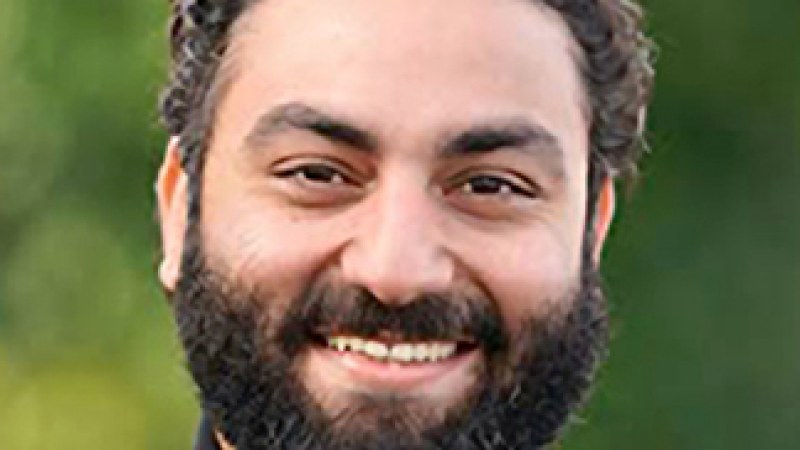
Mohamed Elgendy
Mohamed Elgendy is the Co-Founder and CEO of Kolena, a San Francisco-based AI testing and validation platform that raised $21M to help enterprises build reliable, trustworthy AI systems. An Egyptian-American technologist and author of the widely-read 'Deep Learning for Vision Systems' (Manning Publications, 20,000+ copies sold), Elgendy cut his teeth building AI/ML organizations at Amazon, Twilio, Rakuten, and Synapse (acquired by Palantir) before founding Kolena in 2021. His mission: bring software engineering rigor - unit testing, regression analysis, scenario-level validation - to a field that has long relied on aggregate accuracy scores that mask real-world failures.

Ali Abouelatta
Ali Abouelatta is an Egyptian-born product manager turned newsletter writer and founder who built First 1000 - a deep-dive Substack publication dissecting how famous startups acquired their first 1,000 customers - from zero to 90,000+ subscribers in under three years with no prior audience. After a stint at Duolingo where he generated an estimated $50-100M in incremental revenue through monetization experiments, he left in 2025 to build Lazyweb.com, an AI-powered design inspiration library, documenting his own journey to 1,000 paying customers in real time through the very newsletter that made him known.