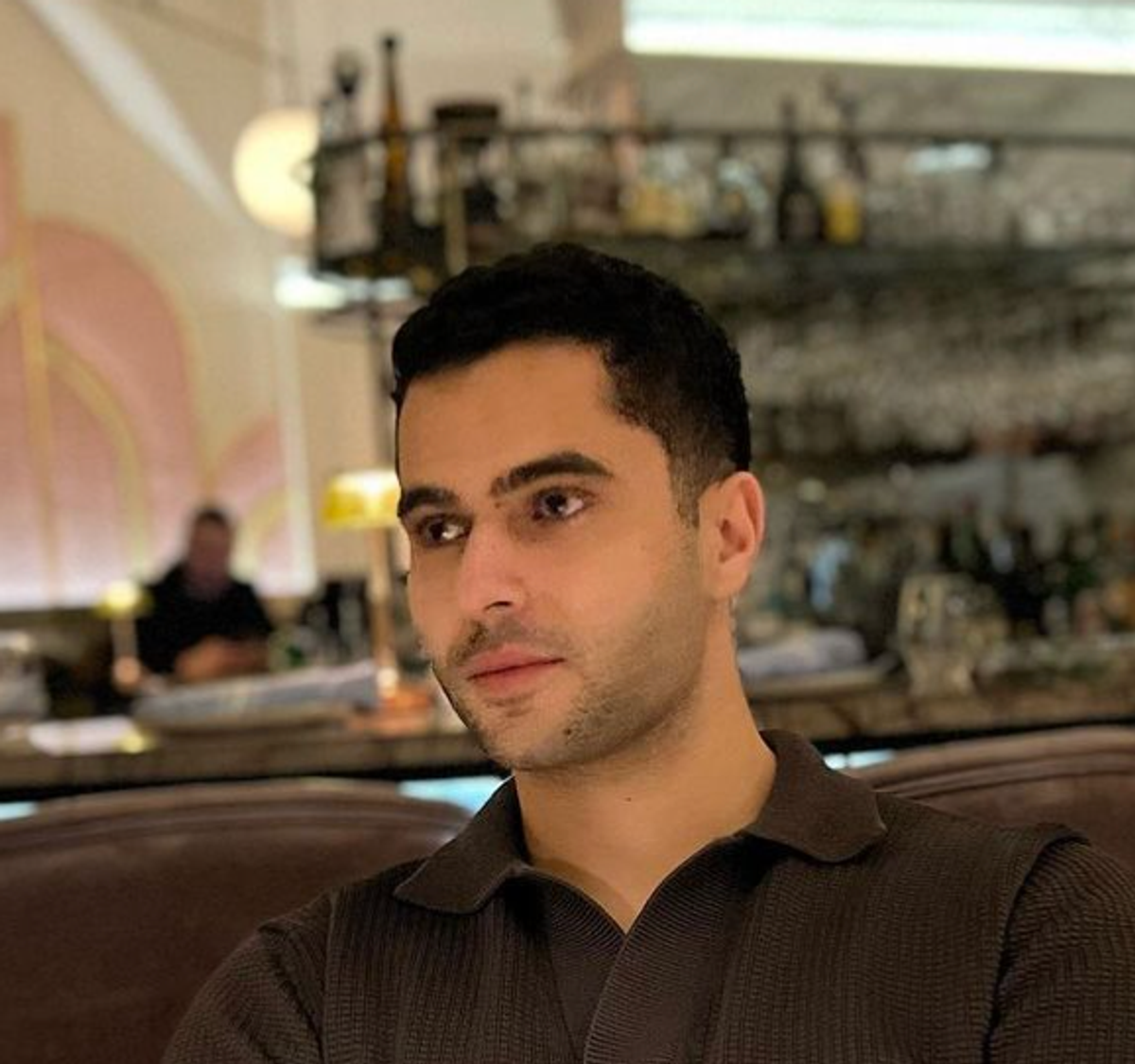
The Guy Who Ignored All the Rules and Won
He sent the tweet at 9pm on February 2, 2023. He had sixteen followers. The product was two weeks old. He called it Chatbase - "ChatGPT for your PDFs" - and he figured maybe a few people would try it. By morning, the tweet had gone viral. By the end of the week, he had dropped his university coursework. By the end of the year, he had $1M in annual recurring revenue. He failed two final classes. He would tell you it was the best decision he ever made.
That is Yasser Elsaid's story. Not the part where he grew up in Egypt or the part where he interned at Tesla or the part where Meta didn't give him a return offer. Those are the prologue. The story starts with a tweet to sixteen people and a two-week-old product that cost nothing to build.
Chatbase began in November 2022, weeks before ChatGPT launched. Yasser was in his final year at York University's Lassonde School of Engineering in Toronto, having arrived from Egypt in 2019. He had interned at BlackBerry, then Tesla, then Meta. Meta didn't give him a return offer. He calls it "the best thing that ever happened" to him. At the time, he had a new-grad offer from his dream company that got rescinded in the 2022 tech bloodbath. So he decided to try entrepreneurship before graduating - figure out the GPT-3 API, spin up a Supabase backend, see what happened.
What happened: two weeks of building, one viral tweet, two failed exams, and the beginning of something that would eventually make him an "Alien of Extraordinary Ability" - the exact phrase the United States government uses on an O-1 visa, which Yasser received in April 2026, letting him move to San Francisco.
Three months after launch - when Chatbase had been live since February, when Yasser had failed two final classes for it, when the product was still essentially a document Q&A tool - someone offered to wire him $1 million for the source code. He ignored the offer. He kept building. That decision is why he now runs a company doing $9M ARR.
The product wasn't magic. It was timing, product obsession, and a refusal to act like a startup. Yasser grew Chatbase entirely through product-led growth - get users to the "aha moment" as fast as possible, convert them to paid. No sales team. No conferences. No startup theater. Organic content, influencer marketing, paid ads, SEO - and a product that genuinely worked. He rode the early ChatGPT wave without drowning in it.
From PDF Chat to AI Agent Platform
Chatbase launched as a narrow product: upload a PDF, ask it questions, get answers. It was useful and it was early. But Yasser didn't stop there. The platform evolved into something considerably more ambitious: a full AI agent infrastructure for businesses. Instead of just answering questions, Chatbase agents take real actions - updating subscriptions, rescheduling appointments, handling support requests end-to-end. They plug into CRMs, payment systems, scheduling tools. The customer support ticket that used to require a human now routes through Chatbase.
The team at $8M ARR: 18 people. Eleven of them in engineering. Yasser structures the team to reflect his conviction that product is the moat. He waited until $8M+ ARR to consider hiring a sales function. Every VC-backed founder he met in San Francisco told him not to raise money - he was already at scale bootstrapped. He agreed.
What that quote actually means: Yasser grew up in the indie hacker mindset and then consciously decided to outgrow it. Bootstrapped doesn't have to mean small. It doesn't have to mean cautious. His 2026 declaration - "the year Chatbase forgets it's bootstrapped" - is a statement of intent. He is hiring in-person in San Francisco. He is going after account executives, SDRs, a head of growth. He is, in his own phrasing, ready to "take on the giants."
He is still blunt about what he got wrong. In 2024, he publicly missed his own $1M MRR target, ending the year at $390K MRR instead. He analyzed why. He published the analysis. He moved on. That kind of transparency - not as brand performance, but as actual accountability to yourself - is unusual. It suggests someone who tracks reality rather than narrative.
What He's Actually Like
Yasser is anti-hype in a way that feels genuine rather than performed. He avoided VC money not because of ideology but because the product was working. He uses LinkedIn despite openly despising it - "I hate that LinkedIn actually works for getting leads, and I have to ask myself how much MRR is worth taking part in the LinkedIn cringe olympics" - because pragmatism beats purity. He thinks in first principles. He ignores advice when the advice doesn't fit the situation.
His early GitHub repos tell you something about who he was before Chatbase: a sign language detector, an archery hub website for an academy in Egypt, a painting app for kids. Projects with zero monetization potential, built because they were interesting problems. The instinct to build something real and ship it - regardless of whether it would make money - predates the $9M ARR by years.
He arrived in San Francisco in April 2026, visa in hand, officially classified as an alien of extraordinary ability by the US government. His first act was visiting what he called "its most iconic landmark" - he tweeted about it - and then getting back to work. That is, apparently, who he is.