secure-messaging
(11)
TigerConnect Turned a Vanishing-Text Gimmick Into the Operating Layer Hospitals Actually Needed
It started with messages that disappeared. Then the founders noticed the bigger business hiding in plain sight: hospitals did not need another inbox - they needed the right work to reach the right person before the moment was lost.
The 3% Email Failure That Explains Echoworx's Quiet Enterprise Bet
Most security software asks people to change. Echoworx built its business around changing the route instead - and one insurer's 3% TLS gap shows why that matters.

Rocket.Chat
Bring together messaging, voice, video, critical apps, and AI to keep teams connected and missions protected.
Comm100
Support That's Simply Better, for Everyone.
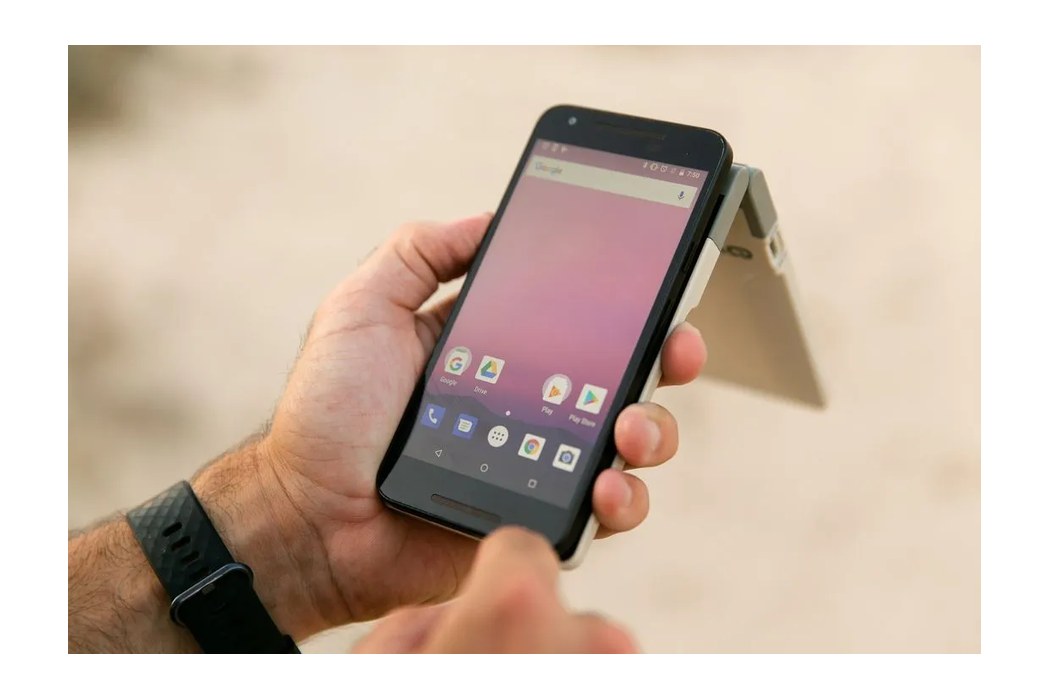
Higher Ground LLC
Higher Ground LLC is a Palo Alto hardware startup that builds compact, secure satellite communication and navigation devices. Its flagship SatPaq turned a smartphone into a two-way satellite messenger by talking to geostationary Intelsat Galaxy satellites, and the company has since pivoted its expertise toward defense and government work - most notably GEOFix, a non-jammable backup to GPS. Led by founder and CEO Rob Reis, the company holds dozens of patents and counts the U.S. Department of Defense, DHS, NASA and the FAA among its customers.

Mattermost
Mattermost is an open-source, self-hostable collaboration platform built for organizations that cannot put their conversations in someone else's cloud. Started as a game studio's internal chat tool and open-sourced in 2015, it grew into the leading self-hosted alternative to Slack and Microsoft Teams, combining channel messaging, voice and screen sharing, incident-response Playbooks, and integrated AI agents. Its customers skew toward defense, government, financial services, and technology organizations - from the U.S. Air Force to Uber - that need data sovereignty, air-gapped deployment, and government-grade security.

Tellescope
Tellescope is a HIPAA-compliant digital health platform that unifies patient communication, intake, scheduling, and workflow automation into a single, developer-friendly system. Built for digital health startups and modern clinics, it lets care teams reach patients across SMS, email, chat, and video, automate repetitive workflows without code, and plug into EHRs and clinical tools through an API-first architecture - so teams can launch faster and scale personalized care without stitching together generic sales software.
Vocera Communications, now part of Stryker
Vocera Communications builds the hands-free, voice-controlled communication tools that hospitals use to connect care teams in real time. Founded in 2000 and inspired by the Star Trek communicator badge, Vocera's wearable Badge and Smartbadge, plus its Vina app and Engage intelligent-workflow platform, let clinicians reach a colleague by name, role, or group with a single voice command. Used in roughly 2,300 facilities worldwide and integrated with more than 150 clinical and operational systems, Vocera went public in 2012 (NYSE: VCRA) and was acquired by medical-technology giant Stryker in February 2022 for about $3.09 billion, where it now anchors Stryker's digital care coordination portfolio.

David Craig
David Craig, MD is the CEO of Spruce Health, a San Francisco-based HIPAA-compliant healthcare communication platform serving 25,000+ healthcare providers. A Stanford-trained emergency medicine physician who began coding in his teens, Craig brings rare dual fluency in medicine and software engineering. He joined Spruce in 2014 as Chief Medical Officer before taking the CEO role in late 2021, and still works weekly ER shifts to keep his clinical perspective sharp while leading a team building the communication infrastructure for modern healthcare.

Trevor Perrin
Trevor Perrin is an applied cryptographer who co-created the Signal Protocol with Moxie Marlinspike - the encryption backbone now protecting conversations for over a billion people across Signal, WhatsApp, and beyond. He also designed the Noise Protocol Framework, a foundational cryptographic framework deployed in WireGuard, WhatsApp's client-server layer, and the Lightning Network. A 2017 Levchin Prize winner, Perrin works as an independent consultant on quantum readiness and cryptographic systems design.
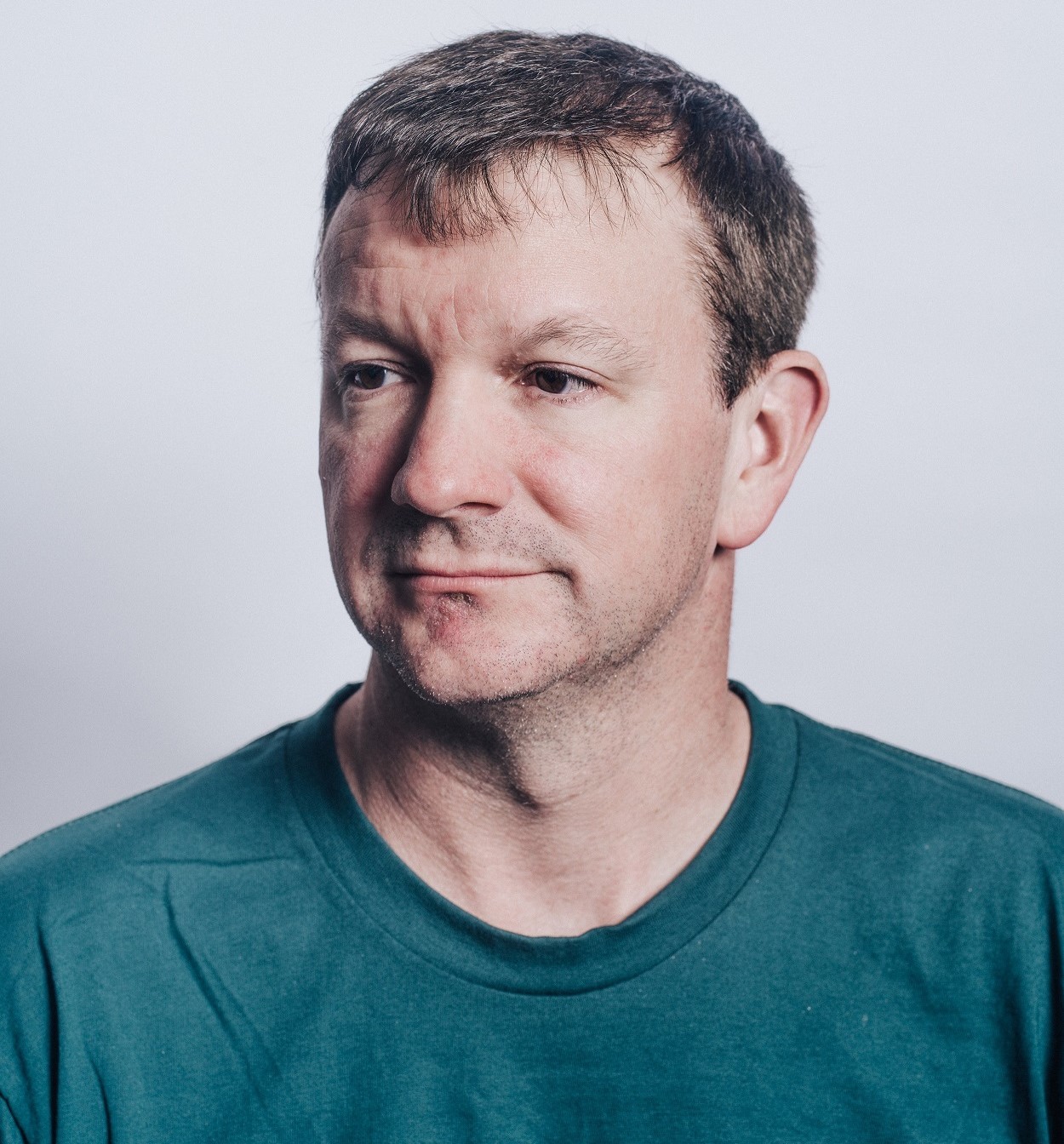
Brian Acton
Brian Acton is the co-founder of WhatsApp, which sold to Facebook for $19 billion in 2014, and the founder of Signal Foundation, where he champions privacy-focused communication. After walking away from $850 million in unvested Facebook stock over ethical disagreements about user privacy, he invested $50 million to build Signal, an encrypted messaging platform designed to put users first. A Stanford computer science graduate who was rejected by both Facebook and Twitter in 2009, Acton has given over $1 billion to charitable causes with his wife Tegan, focusing on low-income families, reproductive rights, and internet privacy.