Chief Executive Officer at Caresyntax • Chicago, IL
"Caresyntax sits at the intersection of AI, clinical data, and surgical decision-making, and our opportunity has never been greater."
Three million surgeries a year run through software Matt Krueger helped build. Not conceptually - physically. The Caresyntax platform captures video, device data, and clinical workflow signals inside the surgical suite, then turns that stream into something hospitals can actually act on: performance analytics, safety flags, outcome patterns, and the kind of institutional memory that typically evaporates when a shift ends.
When Krueger was named CEO in July 2025 - succeeding co-founders Dennis Kogan and Bjoern von Siemens - the announcement landed without much fanfare. That was the point. He had already been running the commercial engine for a decade, building out the Americas and ANZ regions from scratch, securing the partnerships that pushed the platform into 4,200+ operating rooms, and delivering the kind of 50%+ organic revenue growth that earns a company its Series C and then some. The title caught up to the work.
Krueger came to surgical intelligence through the long route. He spent years at Hill-Rom, then TRUMPF - two companies that understand hospitals as physical infrastructure - before seeing what software could do to the same environment. Caresyntax was still early when he arrived. He joined as SVP & General Manager for the Americas & ANZ, a title that roughly translated to: "build a business from the ground up in a market that doesn't yet know it needs this."
He did. Then he got promoted. Then again. Chief Commercial Officer. Chief Customer Officer. EVP of Operations. President. Each role wider than the last, each one closer to the actual complexity of selling enterprise software into one of the most risk-averse purchasing environments on earth - the hospital C-suite - while convincing surgeons, who are trained skeptics, to trust a platform that watches them work.
Caresyntax's pitch is not simple. The company sits inside a debate that healthcare has been having for a decade: how do you capture clinical data in a way that is useful rather than just abundant? The operating room generates enormous amounts of information - device telemetry, video footage, team communication patterns, procedural timing - and almost none of it has historically been aggregated, analyzed, or fed back in a form that changes behavior. Caresyntax built the infrastructure to change that. Krueger built the commercial motion to sell it.
The platform is vendor-neutral - a deliberate, hard-won architectural decision. Hospitals don't replace their device ecosystems for a software company, no matter how good the pitch deck. Caresyntax integrates across the existing technology stack: robots, cameras, monitors, schedulers. The platform becomes the connective tissue rather than a replacement organ. That positioning required patience - and Krueger, in 10+ years at one company, clearly has it.
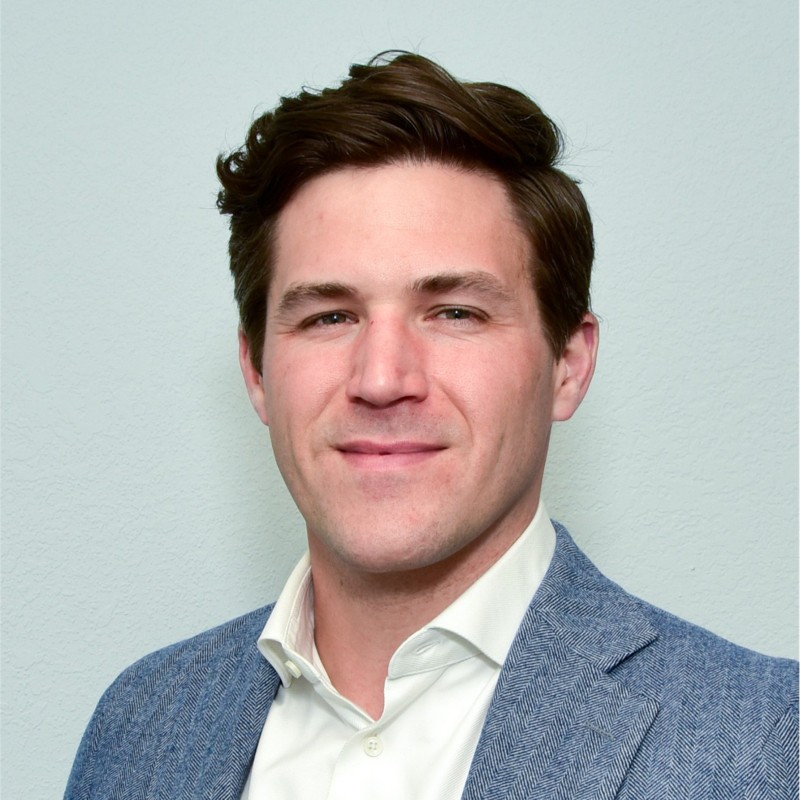
Caresyntax sits at the intersection of AI, clinical data, and surgical decision-making, and our opportunity has never been greater.- Matt Krueger, upon being named CEO, July 2025
Imagine a hospital where every procedure, every device interaction, every timing anomaly, and every team dynamic inside the operating room is captured, structured, and analyzed. Not for legal documentation - for learning. That is the operational vision behind Caresyntax, and it requires a platform that can talk to dozens of different device ecosystems simultaneously.
The company's vendor-neutral integration approach is what makes it viable at hospital scale. Caresyntax doesn't ask a hospital to standardize on a new robotic platform or replace its imaging hardware. It listens to what's already there, captures the signals, and creates what the company calls a "surgical digital twin" - a structured data record of every procedure that can be queried, compared, and learned from over time.
The AI layer sits on top of that. Outcome prediction, surgical skill assessment, team performance patterns, risk flags - these are the features that turn a data platform into something that changes clinical behavior. Krueger has spent the better part of a decade convincing hospital systems that this is worth the integration cost. The fact that Caresyntax now operates in 4,200+ ORs suggests those conversations went well.
The Series C - $100 million closed in August 2024, with Krueger still holding the President title - was a validation of the model. At $29.3M in reported ARR with 50%+ growth, the company was demonstrating that hospitals will pay recurring subscription fees for surgical intelligence. The funding was earmarked for expansion: more markets, deeper product capabilities, and the kind of enterprise sales motion that requires a seasoned operator at the top. Enter Krueger as CEO, effective July 2025.
What makes his appointment interesting is what it signals about the company's next phase. Co-founders Kogan and Bjoern von Siemens - who met earning MBAs at Harvard Business School - are moving toward board roles focused on capital markets and corporate development. They are handing the operational keys to someone who has been inside the machine long enough to know exactly which levers to pull. That is a specific kind of transition, and it typically happens when a company is ready to scale past the point where founder energy alone can drive growth.
Vendor-neutral hooks into surgical devices, cameras, monitors, and schedulers across the OR ecosystem. No rip-and-replace required.
Every procedure structured into a queryable data record - timing, team, device events, and video - creating institutional memory that persists beyond the shift.
Outcome prediction, safety analytics, surgical skill assessment, and team performance monitoring. Real-world evidence at scale, loop-closed to clinical decision support.
Most surgical suites generate enormous data - device telemetry, video, timing - but almost none of it is captured, structured, or fed back to improve performance. Caresyntax exists to close that loop.
Hospitals don't switch device ecosystems for software. Caresyntax's refusal to favor any single hardware vendor is the structural reason it can operate across systems rather than within one.
With 3M+ procedures worth of data, Caresyntax is past the cold-start problem. The AI models running on its platform are trained on more real surgical data than most research institutions have ever collected.
He's a University of Notre Dame business school alumnus running a surgical AI company that was founded in Berlin. The Fighting Irish meets the German precision engineering tradition.
Krueger is based in Chicago while Caresyntax is technically headquartered in San Francisco - with a significant operational presence in Berlin. Running a transatlantic startup from the Midwest is its own kind of logistics puzzle.
He spent more than a decade at one company before receiving the CEO title - an unusual level of patience for startup culture, where average executive tenure at pre-IPO companies is measured in months.
Caresyntax was co-founded by Dennis Kogan and Bjoern von Siemens - the latter from the Siemens industrial dynasty - who met in Harvard Business School MBA classes. Krueger inherited a company with a very specific pedigree.
Before writing software for surgeons, Krueger sold physical equipment into hospitals at Hill-Rom and TRUMPF. He understands the full stack: hardware procurement, clinical relationships, and now enterprise software subscription.