operating-room
(14)
Avail Built a Window Into the Operating Room. Mendaera Wants to Put a Hand Through It.
The company that made surgical expertise travel by screen ran out of money. Its technology found a second life inside a handheld robotics company that is trying to make a difficult first step in care easier to repeat.

The Operating Room Had a Memory. Aimbient Gave It a Voice.
A surgeon built a black box for the operating room. A decade later, the company is trying to make every procedure teach the next one - while persuading clinicians that a camera can be a coach rather than a cop.
The Company That Refuses to Let a Surgeon Fly Blind Through Your Nervous System
For twenty years, one Las Vegas-founded company has been the second set of eyes in thousands of operating rooms - watching the nerves surgeons can't see and sounding the alarm before a slip becomes a lifelong deficit.

Oath Surgical
Oath Surgical is a Portland, Oregon-based healthtech company building a full-stack, AI-native system for outpatient surgery. It owns and operates its own ambulatory surgical centers while developing OathOS, an ambient clinical intelligence platform that analyzes surgical video, audio and operational data in real time to reduce administrative burden and support value-based, surgeon-led care. Founded by physician and former Intuitive Ventures head Oliver Keown, the company has raised roughly $35M and partners with NVIDIA, McKesson Ventures and FPV Ventures.

Theator
Theator is a surgical intelligence company that turns raw operating-room video into structured, actionable data. Using proprietary computer vision and AI, its platform analyzes minimally invasive procedures in real time - identifying surgical steps, flagging safety milestones, and generating operative reports by the time the surgeon leaves the OR. Founded by Dr. Tamir Wolf and Dotan Asselmann, Theator aims to reduce variability in surgical care and is deployed at academic medical centers including Mayo Clinic and UHealth Miami, having analyzed more than 600,000 procedures.
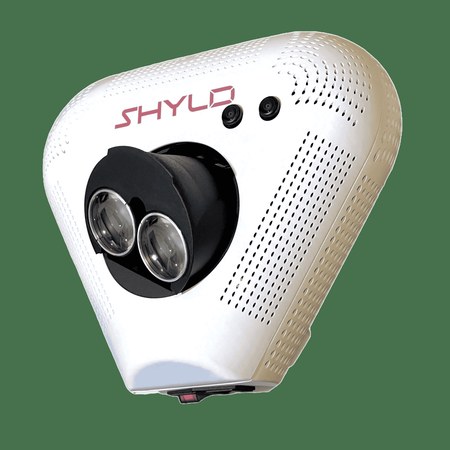
Shyld AI
Shyld AI builds autonomous, edge-native devices that watch hospital rooms with computer vision and sensors, then fire targeted UV-C light to kill pathogens the moment a room is empty or a high-touch surface is used. Founded by brothers Mohammad and Morteza Noshad, the Silicon Valley company sells an 'Active AI' platform to U.S. health systems that has shown a 93% reduction in environmental contamination in a peer-reviewed Stanford study.
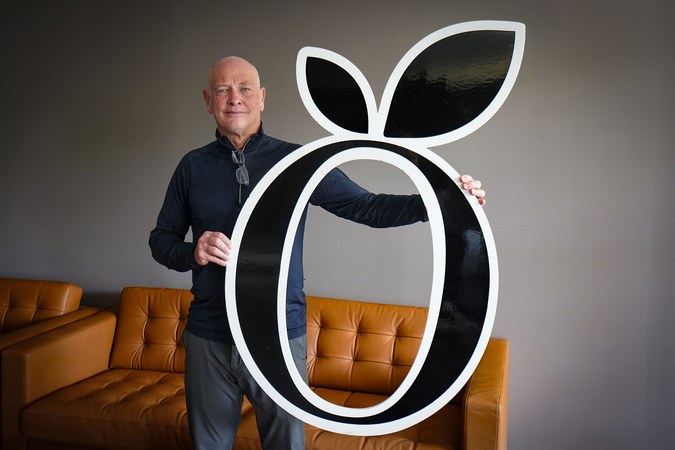
Robert Masson
Robert Masson is a neurosurgeon turned founder who runs eXeX (Expanded Existence), an AI and mixed-reality platform that captures surgical mastery and pipes holographic guidance into the sterile field. With more than three decades of spine surgery and 13,000-plus procedures behind him, he made global headlines for bringing the Apple Vision Pro into the operating room as a touch-free logistics tool. He is also the founder of the Masson Spine Institute and, at 52, raced to a podium at the Rolex 24 at Daytona alongside his eldest son.

Sam Weinstein
Sam Weinstein is a pediatric cardiac surgeon turned healthcare executive who runs SpecialtyCare, the Brentwood, Tennessee company that supplies the specialized clinical teams - perfusionists, neuromonitoring technologists, surgical assistants and sterile-processing staff - working inside more than 1,200 hospital operating rooms across 45 states. After 16 years operating on children's hearts in New York and leading more than 30 surgical mission trips to Latin America, he joined SpecialtyCare as Chief Medical Officer in 2015, became President of Operations in 2016, and has been CEO since 2017. His pitch is simple: take the largest operative procedural database in the business and use it to make surgery safer and cheaper, one case at a time.

Apella
Apella is a San Francisco-based healthcare AI company using ambient video, computer vision and machine learning to run hospitals' operating rooms better - automatically detecting up to 14 surgical case events, forecasting case durations, and writing structured data back to the EHR so surgical teams can serve more patients without staying late.
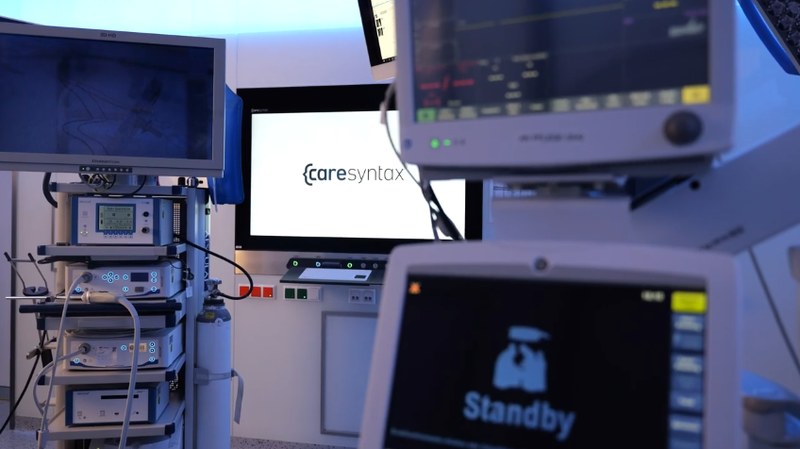
Caresyntax
Caresyntax is an AI-powered surgical intelligence platform that turns the operating room into a connected data environment. Its vendor-neutral software captures video, device, and EMR data across more than 4,000 ORs and supports over two million procedures a year, helping hospitals improve outcomes, reduce costs, and make surgery measurably safer.
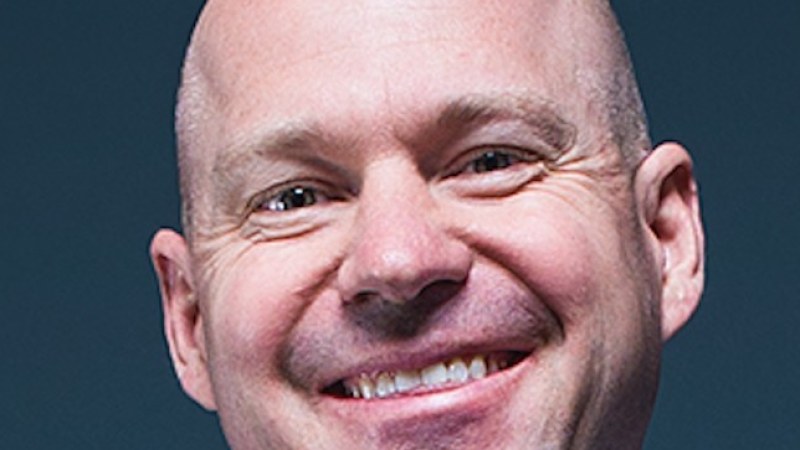
David Schummers
David Schummers is the co-founder and CEO of Apella Technology, a San Francisco-based ambient AI company transforming how hospitals run their operating rooms. Using computer vision and machine learning, Apella captures real-time surgical intelligence - automatically documenting up to 14 case events per procedure and feeding structured data back into EHR systems - reducing OR turnover times by 16% and increasing case volume by 10%. Before founding Apella in 2019, Schummers spent two decades in health technology, including a pivotal stint at Auris Health as its first commercial executive, where he helped engineer the company's $5.7 billion acquisition by Johnson & Johnson in 2019 - at the time the largest medical technology startup transaction in history. Apella raised an $80 million Series B in January 2026 led by HighlandX, bringing total funding to over $104 million.
Keith Carter
Keith Carter is a healthcare technology operator with deep roots in medical imaging and surgical data infrastructure. Currently VP of Implementations & Integrations at Caresyntax - the AI-powered surgical intelligence platform used in 3,500+ operating rooms worldwide - he also serves as CEO of Cloud9PACS.com, a digital PACS system he built from the ground up. Carter's career traces the arc of healthcare IT: from PACS architect at Medlink to running his own imaging solutions company, to joining one of the most-funded surgical AI ventures in the industry. He is based in Hattiesburg, Mississippi.
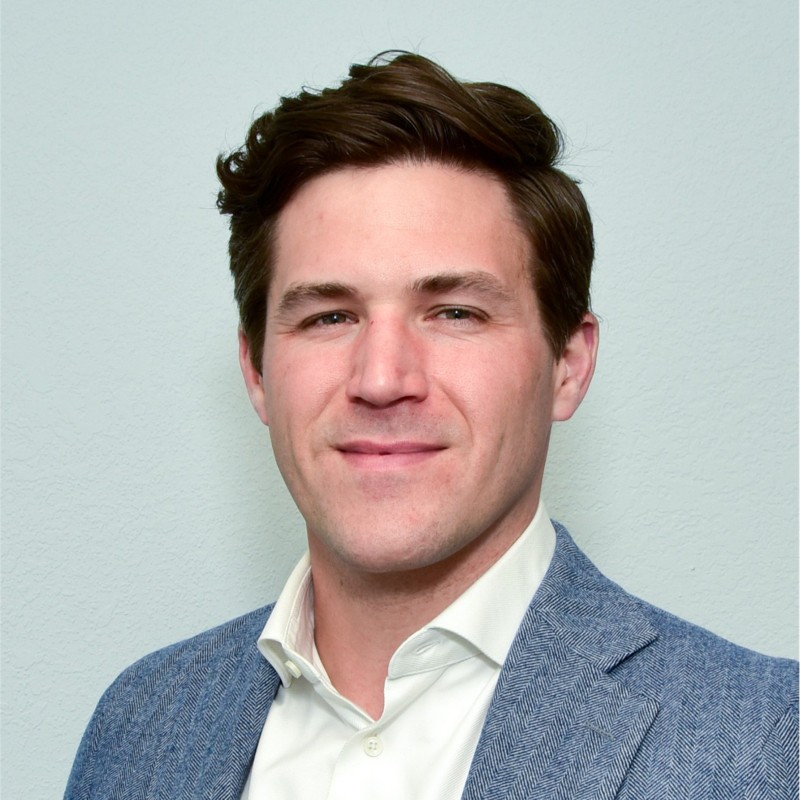
Matt Krueger
Matt Krueger is the Chief Executive Officer of Caresyntax, an AI-powered surgical intelligence platform used in 4,200+ operating rooms worldwide and supporting over 3 million surgical procedures annually. A decade-long veteran of the company, Krueger rose through roles including SVP & GM for the Americas & ANZ, Chief Commercial Officer, Chief Customer Officer, and President before being elevated to CEO in July 2025. With 18+ years in medical devices and healthcare technology - including stints at Hill-Rom and TRUMPF - he has been a primary architect of Caresyntax's expansion and its consistent 50%+ organic revenue growth trajectory.
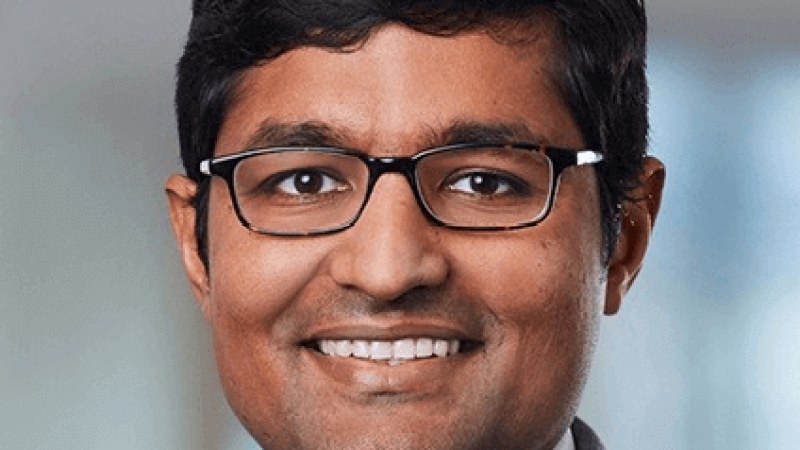
Mudit Garg
Mudit Garg is the co-founder and CEO of Qventus, a Mountain View-based AI healthcare company that automates hospital operations — from surgical scheduling to patient discharge. Trained as an electrical engineer at IIT and holding an MBA from Stanford, Garg spent time at McKinsey's healthcare practice before founding Qventus in 2012. Under his leadership, the company raised a $105M Series D led by KKR in January 2025, reached a valuation of over $400 million, and has helped health systems across the US free up tens of thousands of excess hospital days and generate tens of millions in surgical revenue.