design-software
(13)
Mohammed Ali Has Spent 26 Years Making Complicated Products Easier to Want
From enterprise computing to photographers' portfolios and photoreal 3D, Mohammed Ali has built a career around a deceptively difficult brief: make sophisticated software feel clear, useful and ready for market.

Jeremy Powell Built a Career Making Design Software Get Out of the Way
He joined Vectorworks when product marketing was a department of one. Two decades later, his clearest idea remains disarmingly practical: designers should spend less time negotiating with software and more time designing.
The $825 Million Business Hiding Behind the Fonts on Your Screen
Monotype sells beautiful letters. The more interesting product is control: one place for global brands to find, license, ship and police the type that holds their identity together.
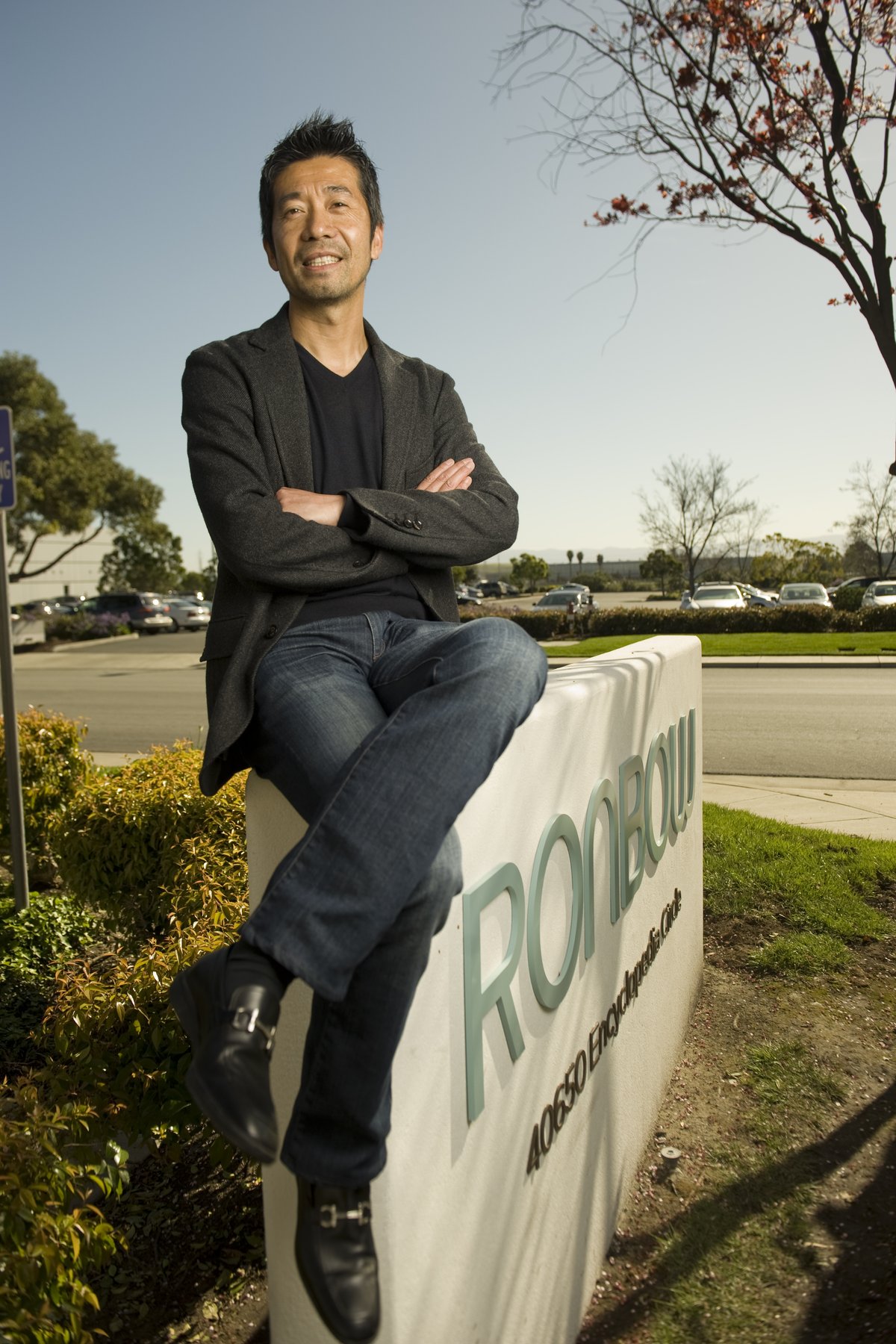
Jason Chen Put the Cabinet Shop on a Software Clock
After two decades in luxury home furnishings, the Ronbow founder made an unfashionable bet: custom cabinets could move at the speed of software without losing the touch of a craft business.
Gleason Corporation
The 160-year-old Rochester manufacturer is turning the humble gear into a connected data loop - linking design software, cutting machines and metrology so factories can correct quality while production is still running.
Adobe
The company that turned Photoshop into a verb now wants to own the age of generative creativity - here is how a 1982 printing startup became the operating system of visual work.

Aurorin CAD
Aurorin CAD is building professional mechanical design software from scratch, replacing the 1980s-era geometry kernels inside tools like SolidWorks with a purpose-built, AI-native B-Rep kernel. The result: parts that take an experienced SolidWorks user 20 minutes to model can be created in seconds, either through a fast modern interface or by describing them in natural language to an integrated AI agent. Founded in the Y Combinator Winter 2026 batch by Michael Baron, a former 3x SpaceX intern and Apple GPU driver engineer, Aurorin positions itself as 'Claude Code for mechanical engineers.'

Dextall
Dextall is a New York-founded construction technology company that pairs proprietary design software with factory-built, unitized prefabricated exterior wall panels for mid- and high-rise buildings. Its platform turns architectural concepts into fabrication-ready models and delivers a modular facade system manufactured by regional partners, cutting design-to-install timelines and on-site labor while improving building energy performance. The company raised a $15M Series A in July 2025 to expand its AI-powered prefab platform and address the housing crisis.
Autodesk
Autodesk is a design and make software company whose tools power the buildings, products, movies, and infrastructure of the physical world. Best known for AutoCAD, the company now spans architecture, engineering and construction (Revit, Civil 3D, Forma), product design and manufacturing (Fusion, Inventor), and media and entertainment (Maya, 3ds Max, Arnold). With roughly $6 billion in fiscal 2025 revenue and a near-fully subscription business, Autodesk's stated mission is to empower everyone, everywhere to design and make anything - increasingly with cloud platforms and AI woven into the workflow.
Vizcom
Vizcom is a San Francisco AI design platform that turns rough sketches into full-fidelity, photorealistic renders in seconds. Founded in 2021 by former Honda and NVIDIA designer Jordan Taylor and CTO Kaelan Richards, it is built for industrial, automotive, footwear and consumer-product designers who want to move from idea to visualization without leaving one tool. The company preserves original line work, proportions and intent while layering on materials, lighting and depth - positioning itself as the 'Figma for the physical world.' Backed by $52M in venture funding and used by more than 700,000 designers and 150+ companies including Ford, New Balance, Dell and Estee Lauder.
Acelab | Material Hub
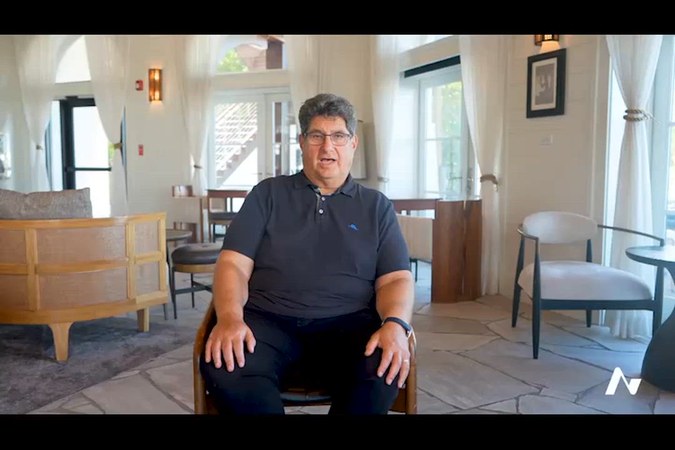
Acelab is a New York-based AEC technology company building an AI-powered Material Hub for the architecture and construction industry. The platform helps architects, designers, and building owners research, compare, specify, and document building products from a database of more than 250,000 products across 10,000+ brands, with native Revit integration and tools that keep a single material selection synced across every project document. Founded in 2019 by Harvard and MIT architecture graduates, Acelab is used by over 20,000 firms, including more than half of the top 100 global architecture practices.
Motif
Motif is a browser-based, AI-powered design workspace built for architects and the broader AEC industry. Founded by former Autodesk leaders Amar Hanspal and Brian Mathews, it streams live BIM models from Revit and Rhino into a collaborative cloud canvas, layers in architecture-tuned AI rendering, and aims to replace the file-shuffling that defines most building design today.

Amar Hanspal
Amar Hanspal is the co-founder and CEO of Motif, a cloud-native AI-first design collaboration platform challenging Autodesk's Revit dominance in the AEC (Architecture, Engineering, Construction) industry. A veteran of three decades in design software, he previously served as Co-CEO of Autodesk - where he helped triple the company's market cap from $8B to $24B - and as founding CEO of robotics startup Bright Machines. With Motif, backed by $46M from CapitalG and Redpoint Ventures and named to Forbes' Next Billion-Dollar Startups list for 2025, Hanspal is building what he describes as 'Figma for architects': a browser-based, real-time collaborative workspace for the world's built environment.