construction-tech
(111)
Once For All Is Turning Construction's Paper Chase Into a European Data Network
Construction runs on specialist subcontractors - and a heroic quantity of paperwork. Once For All is betting that the same verified record can unlock a tender, flag a weak supplier and satisfy a regulator, without being rebuilt for every job.

The Software That Makes a Building Site Show Its Work
DataScope began with gates and attendance. Two decades later, its software records the untidy choreography of people, permits, plant and deliveries - and turns a building site into something its managers can actually read.

Causeway Is Building the Operating System Construction Forgot to Ask For
Construction runs on specialist software, stubborn spreadsheets and handoffs where useful data goes to die. Causeway's bet is that the industry's next productivity gain will come from connecting what already works.

BuildOps Put a Billion-Dollar Price on the Contractor’s Messy Back Office
Commercial contractors kept hospitals cold and data centers humming while their own businesses ran on spreadsheets, texts, and software sprawl. BuildOps turned that mismatch into a vertical SaaS company valued at $1 billion - but the real test happens during the three-month slog of changing how a shop works.

Justin Levine Put Construction Insurance on a Different Set of Blueprints
He learned risk from the contractor’s side, sold one construction software company, then returned with a sharper question: what if insurance could see how a jobsite actually works?

Franco Giaquinto Bet on Construction's Most Boring Problem - and Kept Building
He began with a failed reputation app, learned construction from the jobsite up, and survived a pandemic pivot across continents. Now Franco Giaquinto is betting that the future of building belongs to software ordinary crews can actually use.

Emily Marineau Wants Construction to Show Its Math
The Juno co-founder moved from Wall Street and Apple into the stubborn economics of housing. Her method is simple to describe and difficult to fake: define the cost, locate the risk, and make every elegant idea survive the spreadsheet.

Jahan Khanna Is Teaching AI to Read the Contractor's Clipboard
After helping redraw the map for ridesharing, the Sidecar co-founder has returned with XBuild - a wager that the most useful AI may begin with roof photos, supplier prices and paperwork nobody wants to do.

Breadcrumb Followed a QR Code From Contact Tracing to Construction’s Paperwork Problem
The Melbourne startup began with pandemic check-ins, listened when contractors asked for more, and built an annual subscription around the least glamorous - and most consequential - work on a jobsite.

David Bae Went Looking for a Heater and Found a Construction Company
A six-week dorm repair sent the former student advocate into construction's paper maze. Now FlowManual is trying to catch the costly line before a contractor signs it.

Ardalan Khosrowpour Is Turning the Jobsite Camera Roll Into a Construction Ledger
He grew up around construction, trained an engineer's eye on its oldest information problem, and built OnsiteIQ around a stubborn idea: if every project is captured consistently, pictures can become evidence.

Anna Berger Is Turning Construction Payroll Into Infrastructure
She grew up watching construction paperwork consume the people doing it. Now the two-time founder is building Trayd around a stubborn idea: the back office should work as precisely as the jobsite.

Kamal Shah Is Teaching Jobsite Photos to Speak Up Before the Truck Leaves
For three decades, the Oakland engineer has chased a stubborn problem: the gap between work completed in the field and proof that reaches the office. SiteCaptureAI is his latest attempt to close it while crews are still on site.

Omer Slavin Is Turning the Jobsite Binder Into a Living Risk Map
A fourth-generation builder studied law, managed projects in two countries and discovered that construction’s most stubborn risk was hiding in plain sight - inside the paperwork.

BiltOn Put a Face Scan at the Gate - Then Turned Jobsite Paperwork Into Risk Intelligence
Construction runs on concrete, steel and an alarming amount of paper. BiltOn starts by proving who walked through the gate, then turns the resulting trail into something contractors, safety chiefs and insurers can actually use.

HeadLight Is Turning $20 Billion of Infrastructure Work Into a Searchable Memory
Road projects generate mountains of evidence and still lose the one photo that matters. HeadLight’s field-first software turns jobsite observations into a live, defensible record - but its value depends on disciplined adoption, integration and trust.

CamDo Turned a Paraglider's Battery Hack Into a $999 Jobsite Camera - Here's What Builders Can Copy
A camera that wakes up, takes the right frame and goes back to sleep sounds modest. On a construction site, that small trick became a hardware-and-software business built around fewer site visits, cleaner project records and equipment that can stay outside for months.

Claire Wilson Saw the Payment Problem Hiding Inside the Skyline
The civil engineer who once managed pieces of Hudson Yards now runs Siteline, turning the paperwork behind commercial construction into a clearer path to getting paid.

Cameron Page Built a Company Around Construction’s Messiest Paper Trail
A carpenter turned project manager spent a decade watching change orders disappear into email, spreadsheets, and carbon-copy tickets. Clearstory is his attempt to give every company on a job the same live account of what changed, what it costs, and who needs to act.

Why a Google Doc Can't Build a Skyscraper
Google Workspace goes everywhere. Procore goes deep - wiring itself into the Autodesk and Trimble tools a generic office suite has never heard of. This is why 'we already have Google' is the objection that quietly costs jobs money.

Fifth Wall Built a Venture Fund With a Customer List Attached
The Los Angeles firm turned real estate's slow technology adoption into a distribution strategy: owners supply capital and operating problems, while startups bring the software, hardware and climate tools.

Reece Built a $9 Billion Business Selling the Parts Nobody Notices
A century after H.J. Reece sold hardware from a truck, his name sits atop a trade network built around an unglamorous promise: have the right part, the right advice and the right delivery ready when the job cannot wait.
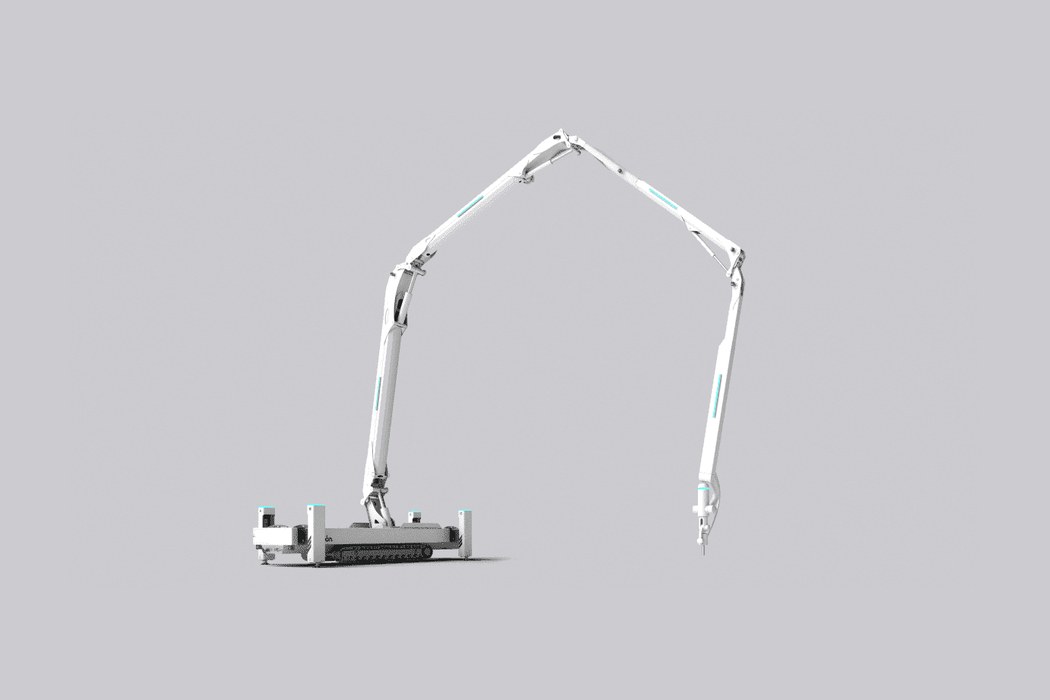
ICON Is Selling the Machine That Prints the Walls
After years spent proving that a robot can print a neighborhood, ICON is putting its construction system in other builders' hands. The harder test starts now: turning spectacular machinery into ordinary infrastructure.

Procore Technologies
A carpenter who got tired of paper blueprints built the software the construction industry now runs on - and priced it so nobody has to pay per seat.

Ythalo Silva
Ythalo Silva is the co-founder and CEO of Vobi, a Y Combinator-backed (W22) project and construction management platform built for small construction businesses across Latin America. He turned a struggling home-renovation marketplace called HomeHero into a SaaS product that helps contractors, architects, and remodelers cut manual budgeting and procurement work in half. A serial founder out of the MAR Ventures venture builder, he previously co-founded Modiax, acquired by Foxbit in 2019.
FlowManual
FlowManual is an AI platform for the back office of construction contractors. It reads specs, contracts, quotes, and invoices and automatically marks up scope, prices, deadlines, and exclusions, then compares bids against signed contracts and invoices against locked buyout prices to flag every scope change and price drift by severity and dollar impact. Founded in 2026 by Harvard dropouts David Shijoon Bae and Michael Lin, the company is part of Y Combinator's Summer 2026 batch and aims to cut the repetitive manual work of pre-construction so contractors can bid more and deliver at a higher standard.

Vobi
Vobi is a Sao Paulo-based, all-in-one project and construction management platform for small and midsize construction businesses across Latin America - contractors, remodelers, architects and engineering firms. It rolls estimating, budgeting, scheduling, a client portal, purchasing and payments (Vobi Pay) into one system, with AI agents for finance, procurement and work diaries. Backed by Y Combinator (W22) and MAR Ventures, the platform says it manages over R$5 billion in construction projects annually.

Scott Reynolds
Scott Reynolds is the co-founder and CEO of UpCodes, a construction-tech company that turned the tangled world of building codes into a searchable, AI-assisted platform used by hundreds of thousands of architects, engineers, and builders. A Syracuse-trained architect who worked at Hassell in Hong Kong and KPF in New York, he teamed with his software-engineer brother Garrett to make code compliance faster and access to the law free. He also led UpCodes through a multi-year copyright fight with the International Code Council, which ended in a fair-use ruling.

Tom Yeshurun
Tom Yeshurun is the co-founder and CEO of Civ Robotics, a San Francisco construction-technology company building autonomous robots that automate land surveying and site layout. A civil engineer by training who managed a $100 million road project in Israel before founding the company, Yeshurun watched surveyors spend millions marking coordinates by hand in desert heat and set out to automate the task. Civ Robotics' CivDot robots now stake out survey points with roughly 8-millimeter accuracy and mark up to 3,000 points a day, and its technology has been deployed on solar projects representing more than 20 gigawatts of capacity. In July 2025 the company raised a $7.5 million Series A led by AlleyCorp.

Downstream
Downstream is a Dallas-based online marketplace that lets construction contractors rent equipment, book waste hauling, and order jobsite services - dumpsters, porta potties, scissor lifts, forklifts, fencing, mobile offices - from a nationwide network of vetted suppliers. The platform delivers real-time pricing, multiple competing quotes per job, consolidated billing, Net 30 payment terms, and AI agents that read a contractor's rollout sheets or invoices to procure automatically. Founded in 2022 (originally as Trash Gurus), the company raised an $8M Series A in November 2025 co-led by Brick & Mortar Ventures and Moneta Ventures.