neuroprotection
(8)
Perceive Biotherapeutics wants to borrow the biology of eyes that stay healthy
Some eyes carry genetic protection against degeneration. Perceive Biotherapeutics is trying to turn that advantage into a lasting treatment - and its next test is whether the biology can slow geographic atrophy.
Neurotech Pharmaceuticals, Inc.
Neurotech Pharmaceuticals is a Cumberland, Rhode Island biotechnology company that develops long-acting therapies for chronic retinal diseases using its Encapsulated Cell Technology (ECT) platform - a tiny implant of genetically engineered cells that continuously secretes a therapeutic protein inside the eye. In March 2025 its lead product ENCELTO (revakinagene taroretcel-lwey, formerly NT-501/Renexus) became the first and only FDA-approved treatment for macular telangiectasia type 2 (MacTel), delivering ciliary neurotrophic factor (CNTF) to slow the loss of photoreceptors.

ProJenX
ProJenX is a New York City clinical-stage biotechnology company developing prosetin, a first-in-class, oral, brain-penetrant MAP4K inhibitor for amyotrophic lateral sclerosis (ALS) and other neurodegenerative brain diseases. Spun out of a two-decade collaboration between the nonprofit Project ALS and Columbia University researchers, ProJenX is built on the discovery that inhibiting MAP4 kinases protects motor neurons across multiple patient-derived stem cell models of ALS. The company is running the PRO-101 Phase 1b trial in people living with ALS.
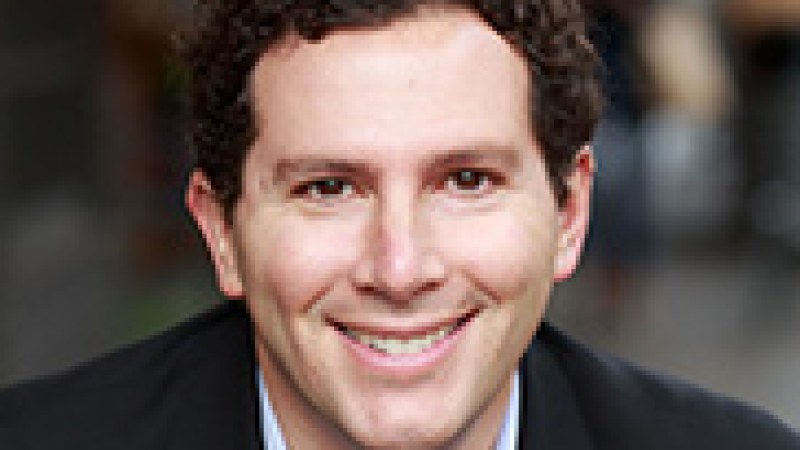
Scott Greenberg
Scott Greenberg is the Chief Business Officer of Nura Bio, a clinical-stage biopharmaceutical company in South San Francisco building small-molecule drugs to stop nerves from dying. He joined in February 2025 to steer business development and corporate strategy as the company pushes its lead SARM1 inhibitor, NB-4746, into the clinic. He arrives with more than two decades crossing the line between finance and biology - a Goldman Sachs banking start, more than a decade at Celgene, an operations leadership role at Roivant Sciences, and a stint as Chief Operating Officer at Aro Biotherapeutics. He studied both Finance and the Biological Basis of Behavior at the University of Pennsylvania before an MBA at Harvard.
Noveome Biotherapeutics, Inc.
Noveome Biotherapeutics is a Pittsburgh clinical-stage biopharmaceutical company built around ST266, a multi-targeted secretome of hundreds of biologically active proteins harvested from a novel population of amnion-derived cells. Rather than transplanting cells, Noveome delivers the healing signals those cells secrete - aiming to modulate inflammation, protect nerves, and accelerate tissue repair. Its lead program treats necrotizing enterocolitis, a devastating gut disease in premature infants, with additional pipeline work spanning ophthalmology, neurology, and dermatology.

Nura Bio
Nura Bio is a clinical-stage biopharmaceutical company in South San Francisco developing brain-penetrant, small-molecule neuroprotective medicines. Its work centers on SARM1, an injury-activated NAD hydrolase that triggers axon degeneration, an early and common event across many neurological diseases. The lead candidate, NB-4746, is an oral, brain-penetrant SARM1 inhibitor that completed Phase 1 in healthy volunteers and shows protection in preclinical models of ALS, MS, traumatic brain injury and chemotherapy-induced peripheral neuropathy. The company has raised more than $140 million in Series A financing led by The Column Group.

Larry Brown
Larry Brown, Sc.D., is Executive Vice President of R&D and Chief Scientific Officer at Noveome Biotherapeutics, the Pittsburgh clinical-stage biopharma he joined in 2012. He is leading the translation of ST266, a cell-free secretome of hundreds of proteins harvested from amnion-derived cells, from proof of principle into the clinic. Trained at MIT under Robert Langer and in Judah Folkman's surgical research lab at Children's Hospital Boston, he spent 35-plus years inventing drug-delivery systems at Baxter, Alkermes and biotech startups, accumulating more than 100 publications and a thick stack of patents along the way.

Shilpa Sambashivan
Shilpa Sambashivan is the CEO and a co-founder of Nura Bio, a South San Francisco biotech building brain-penetrant small molecules that aim to stop nerves from dying. A protein biochemist by training, she helped spin the company out of academic labs in 2018, built its R&D engine as Chief Scientific Officer, and was elevated to CEO in September 2024 alongside a $68M Series A extension that pushed total funding past $140M. Her lead drug, NB-4746, blocks the SARM1 enzyme that triggers axon self-destruction.