data-privacy
(80)
MetaCompliance wants to change what happens after you click
Security training is easy to count. Safer habits are harder. MetaCompliance is building a business around that gap, combining phishing rehearsals, policy paperwork and lessons triggered by real-world exposure.

aosphere sells the legal answer, minus the timesheet
A business born inside Allen & Overy turned recurring legal questions into an annual subscription. Now aosphere is buying the tools to carry those answers into the daily decisions of banks and asset managers.
GRC Solutions wrote the rulebook. Now it does the work.
A business that began with security books now sells the people, software and testing behind compliance. Its next bet puts round-the-clock cyber response on the same shopping list.
Defog Lets You Question the Database, Not the Data Team
Defog turns plain-English hunches into SQL, charts, and follow-up questions while keeping the underlying data in your environment. It is built for teams whose most expensive dashboard is the one still waiting in an analyst's queue.

Sarah Hospelhorn Makes the Invisible Risks in Data Impossible to Ignore
A physics-and-literature graduate became a builder, product marketer, and CMO by learning the same lesson three times: technology matters only after someone makes its meaning clear.
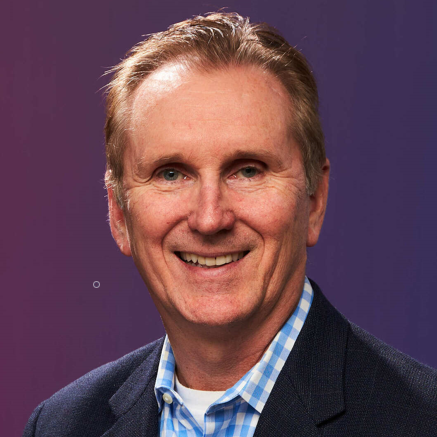
Dave Deasy Has Spent a Career Making Complicated Technology Easier to Choose
From e-commerce and online privacy to cybersecurity and live AI translation, Dave Deasy has built a career around one stubborn marketing problem: making sophisticated technology useful, legible, and worth adopting.
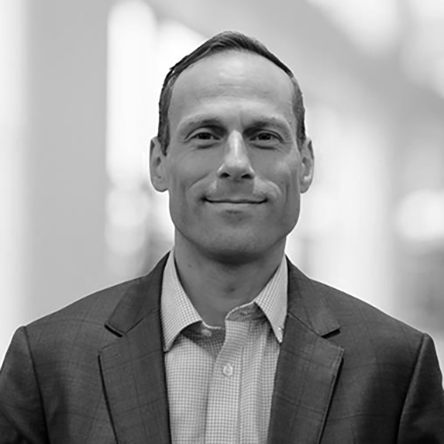
Michael Schanker Wants Marketing to Earn Its Place at the Revenue Table
The OneTrust CMO began as a CPA, learned persuasion while carrying a sales quota, and now argues that marketing's job can be stated in five plain words: set up sales to win.
Collibra Wants to Be the Air-Traffic Control for Your Company's AI
The Belgian data-governance pioneer spent 18 years teaching companies what their data means. Now it is betting that AI agents need the same lesson - plus a control tower.
BigID Found the Enterprise’s Dark Data. Now It Wants to Govern What AI Does With It
BigID built a unicorn by answering a dull but dangerous question: what data does a company actually have? Ten years in, AI has made that inventory more valuable - and the company’s own reinvention more severe.
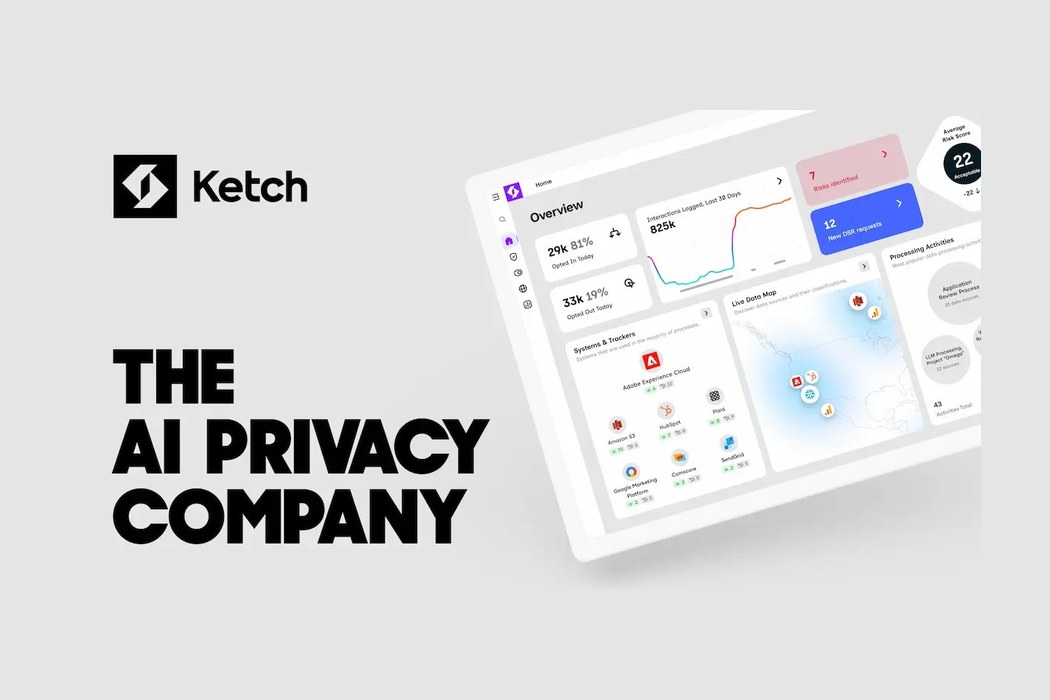
Ketch Wants to Turn the Cookie Banner Into a Kill Switch
Most privacy software records what a customer clicked. Ketch is betting that the valuable part is making the rest of the company obey it.
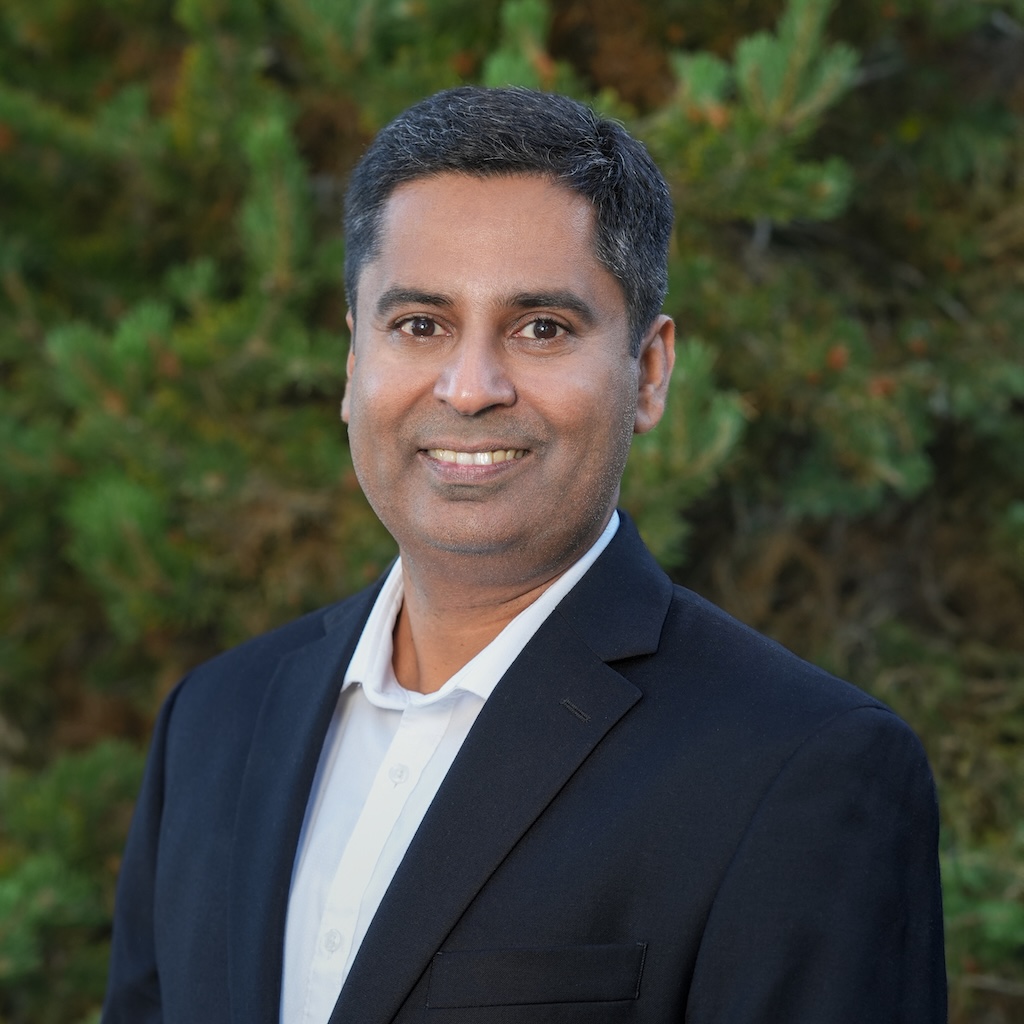
Himanshu Shukla Is Teaching Enterprise Data to Introduce Itself
After two decades building infrastructure, the Lightbeam co-founder made a human bet on enterprise security: every scattered byte matters because it belongs to someone.

Ian Coe Is Making Fake Data Useful - and Real Data Less Dangerous
After Palantir and Tableau, Ian Coe built Tonic.ai around a stubborn idea: developers should get realistic data without getting the secrets inside it.
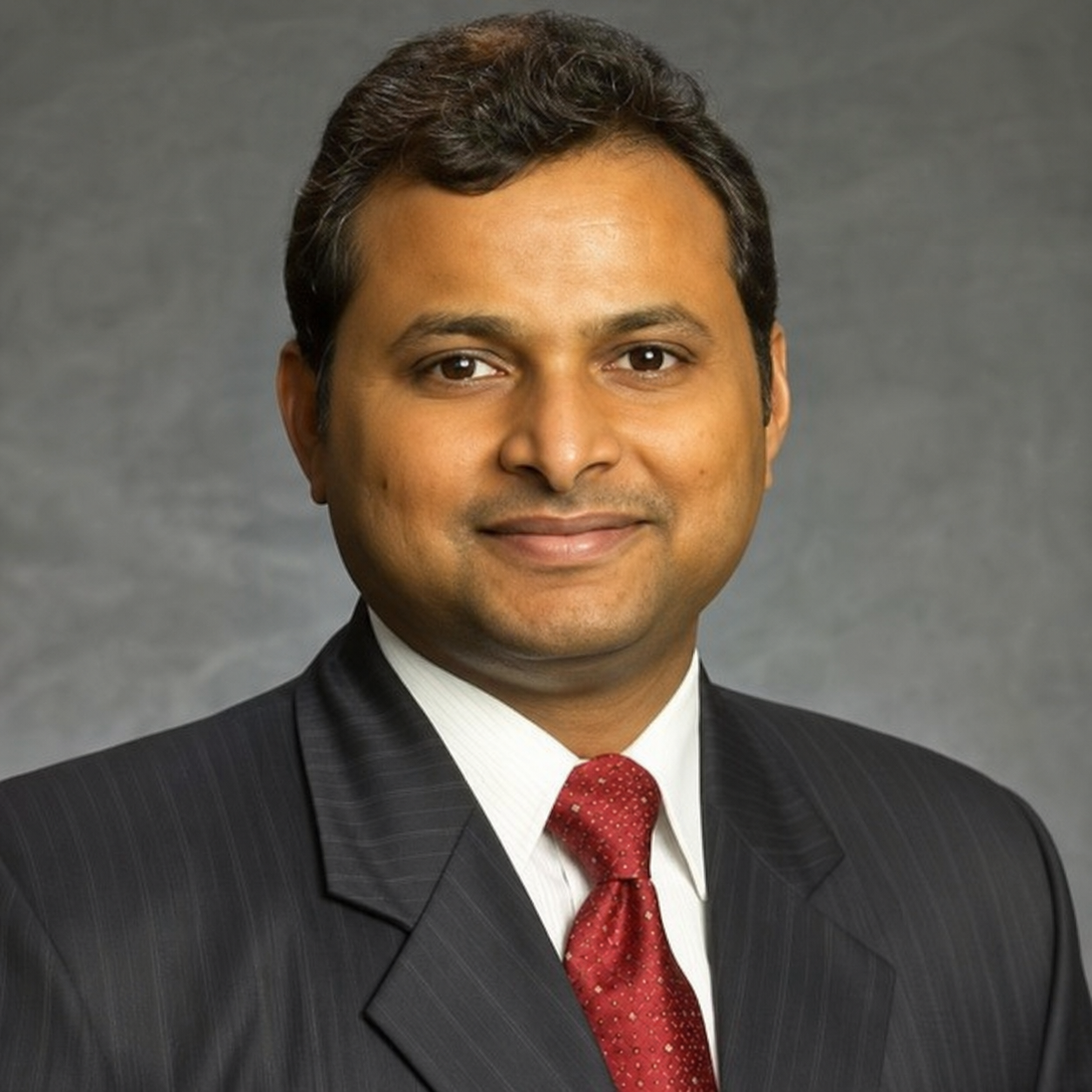
DV Dronamraju Is Turning Compliance Into a Product
The Essert founder has spent years translating dense rules into worklists, controls and software. His bet is simple: compliance works better when it behaves like a product, not a pile of paperwork.

AJ Sarkar Asked Hundreds of Executives What Risk Looks Like. Then He Built the Dashboard.
The RiskOpsAI founder has spent years translating the anxious language of cyber risk into decisions a board can actually use. His latest bet is that AI governance must move as quickly as AI itself.
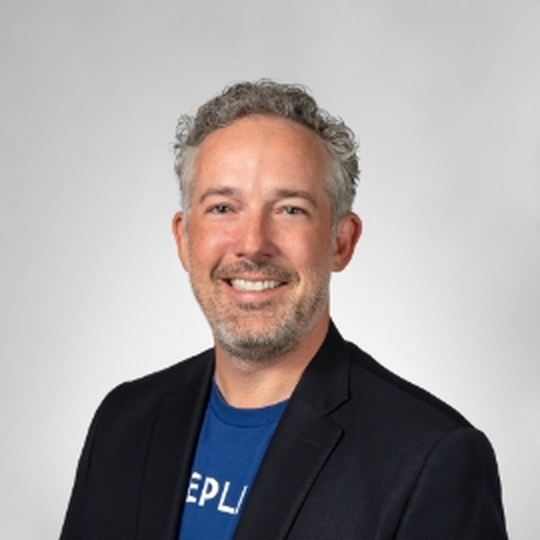
Kristopher Schroeder Built a Room Where Risky Work Can Breathe
After 17 years inside a giant consultancy, Schroeder chose the smaller, stranger bet: build secure digital rooms where investigators, engineers and AI teams can do dangerous work without dragging the danger home.

Lorena Magee Makes Encryption Make Sense
The Echoworx chief marketing officer has spent years turning an invisible technology into a human proposition: trust should be easy to use, simple to explain and difficult to break.

The Doctor Who Built a Research Machine Because He Never Had Time to Do Research
Dr Matt Wilson spent 14-hour shifts in emergency medicine with no time to eat, let alone run a study. So he built a platform that makes the research happen without the clinician lifting a finger - and pharma is paying to plug in.

How Do You Work the Dark Web Without Getting Burned? Build a Throwaway Computer Every Single Time.
Grey Market Labs spent a decade turning intelligence tradecraft into a button. Now Fortune 100 banks and the US Army rent disposable, fully isolated workspaces that appear in minutes and leave no trail.
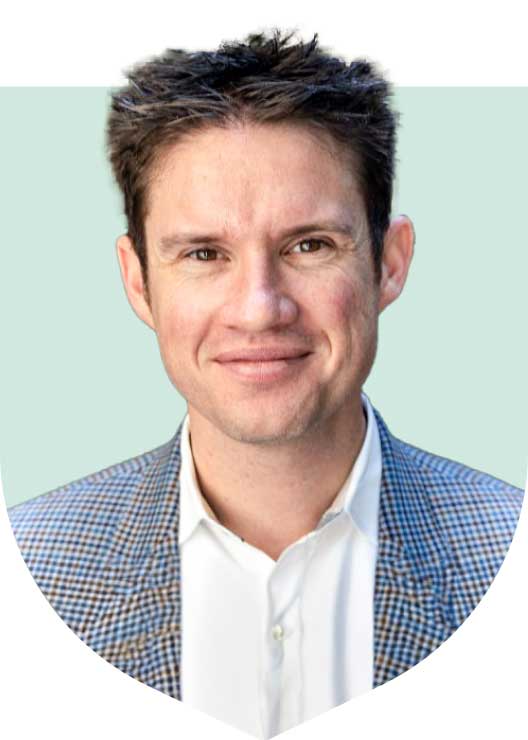
Daniel Barber Is Turning Privacy Into an Operating System
After years selling software built on customer data, Daniel Barber began asking a harder question: could a company map what it collects, honor what people ask, and make trust part of the machinery? DataGrail is his answer - and AI has made the question more urgent.

Bobby Jaffari Has Spent a Career Turning Complexity Into a Company
After helping WebEx and Freshworks through defining transitions, Bobby Jaffari is applying an operator's discipline to data privacy - a field where trust has become part of the product.
The 140-Lawyer Firm Built to Make Bigger Rivals Blink
Keker, Van Nest & Peters has one office, no practice departments and a habit of preparing every hard case as if a jury will decide it. In an era of sprawling law-firm empires, constraint is its competitive strategy.
Rocket.Chat
Bring together messaging, voice, video, critical apps, and AI to keep teams connected and missions protected.

NuMind
NuMind is a Paris-based, Y Combinator-backed AI company building multimodal large language models that turn messy documents - PDFs, scans, spreadsheets, handwritten forms - into clean, structured JSON. Its NuExtract platform and open-source models let developers and enterprises extract exactly the fields they define, in any language, either as a hosted API or deployed privately on their own infrastructure.

Pally
Pally is an AI relationship management platform that pulls together a person's connections from across iMessage, WhatsApp, LinkedIn, Google, email, calendar and X into one intelligent inbox and personal CRM. Its AI researches what each contact does and posts online, surfaces who you should reconnect with, prepares you for meetings, and tracks relationship strength - built for founders, investors, salespeople and recruiters who live and die by their networks. Founded in 2024 by Haz Hubble and Wyatt Lansford, Pally is part of Y Combinator's Summer 2025 batch.
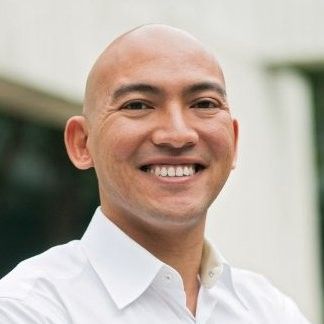
Zouhair Belkoura
Zouhair Belkoura is the founder and CEO of Keepsafe, a San Francisco company that builds a family of consumer privacy apps used by tens of millions of people worldwide. A former electrical engineering PhD who researched mobile video coding, he has built Keepsafe around the idea that privacy is a form of freedom and that ordinary people deserve simple tools to control their personal photos, messages, and browsing. He is a frequent writer and speaker on the difference between abstract data privacy and the content privacy that actually matters to people's daily lives.
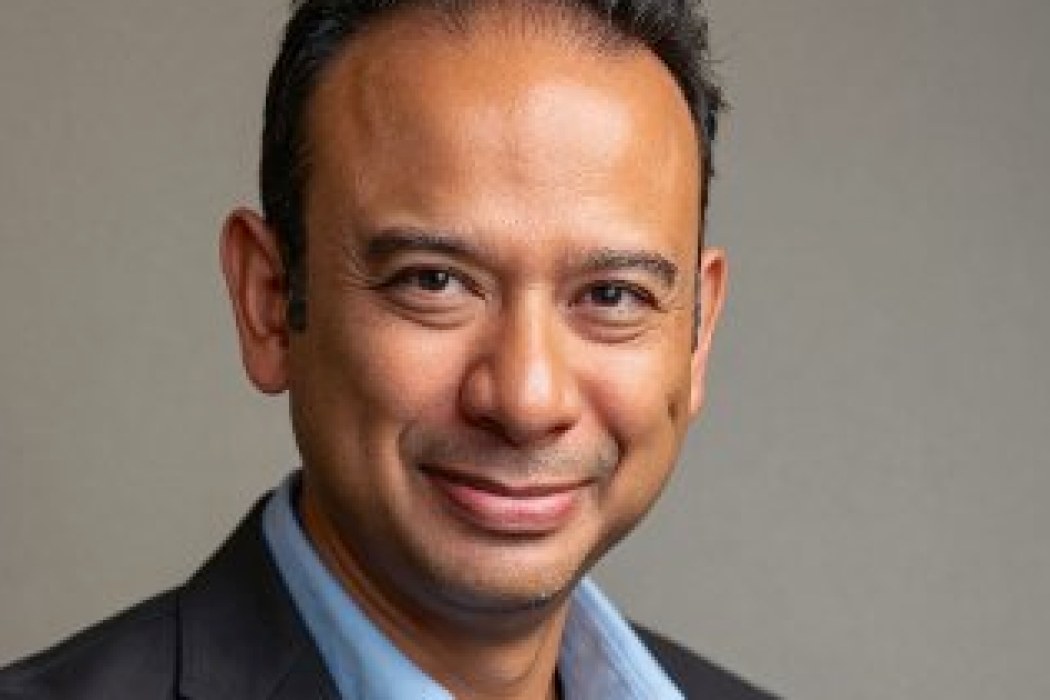
Ché Wijesinghe
Ché Wijesinghe is the CEO of Cape.ai (formerly Cape Privacy), a New York and Halifax based company that builds AI for confidentially processing sensitive data across vision, voice and language models. A 25-year veteran of the enterprise software industry, he has led field operations and revenue at data and analytics companies including Cisco, Composite Software, OmniSci/HEAVY.ai and Neokami before taking the helm at Cape, where he has steered the company from an encrypted machine learning platform toward AI tools for document validation, compliance and financial services.
Cape.ai
Cape.ai (formerly Cape Privacy) is a New York-based enterprise AI company building an agentic automation platform purpose-built for financial services. Founded in 2018 by Che Wijesinghe and Gavin Uhma, Cape lets banks, asset managers and insurers automate document-heavy back-office work - enhanced due diligence, SOC-report and third-party risk analysis, KYC/AML onboarding and regulatory reporting - using AI agents that are fully cited, auditable and deployable on-premise or in a private cloud so sensitive data never leaves the customer's environment.

The Data Was Locked in a Vault. Subsalt Found a Way to Share It Without Opening the Door.
This Microsoft customer story details how healthcare technology startup Subsalt built a HIPAA-compliant synthetic data sandbox on Microsoft Azure and Microsoft Fabric to help medical researchers and students at UT Southwestern Medical Center access real-quality clinical data in days instead of months, accelerating research outcomes while safeguarding patient privacy.
Integral Privacy Technologies
Integral is a privacy engineering company that turns sensitive real-world data - starting with HIPAA-regulated healthcare records - into compliant, AI-ready datasets. Founded in 2022 by Shubh Sinha and John Kuhn, it pairs automated de-identification and continuous risk assessment with embedded statisticians and privacy engineers (its Forward Deployed Privacy Services) so enterprises and AI labs can use regulated data quickly without violating privacy law. The company positions itself as an independent privacy layer for the real-world data economy and has raised roughly $24.9M to date, including an $18M Series A closed in July 2026.

MDClone
MDClone is a healthcare data company that lets clinicians, researchers, and analysts explore patient data without touching real patient records. Its ADAMS platform ingests structured and unstructured health-system data into a longitudinal database, then generates statistically faithful synthetic data that carries no risk to patient privacy. That combination turns months-long, IRB-heavy data requests into self-service exploration, letting front-line staff ask their own questions, run analyses, and share results across organizations. Founded in Israel in 2016 and used across the U.S., Canada, and 100% of the Israeli healthcare market, MDClone has raised roughly $112M to expand data-driven discovery in health systems, government, payers, and life sciences.