ipsc
(13)
The Startup Rebuilding the Organ That Quietly Ages You
Most of biotech chases the diseases you can see. Thymmune went after the organ almost no one thinks about - the thymus - and built a way to grow it from stem cells.

GC Therapeutics Wants to Turn a Four-Day Cell Recipe Into Medicine at Scale
The Harvard spinout says its TFome platform can compress months of stem-cell differentiation into four days. Now it has to prove that programmable cells can survive the far harder journey from an elegant recipe to an approved medicine.
Made Scientific
Made Scientific is a Princeton, New Jersey-based contract development and manufacturing organization (CDMO) focused exclusively on cell therapies. Formerly BioCentriq, it was rebranded in March 2025 and is backed by South Korea's GC Corporation. The company runs a 60,000 sq. ft. GMP facility with five ISO 7 / Grade B cleanrooms, offering process and analytical development, GMP manufacturing of autologous and allogeneic products, aseptic fill and finish, QC release testing, regulatory consulting, and workforce training, taking cell therapy programs from preclinical development through commercial supply.

Syntax Bio
Syntax Bio is a Chicago synthetic biology company building Cellgorithm, a CRISPR-based platform that programs stem cells to differentiate on command. Instead of coaxing stem cells into specialized cell types through months of manual, growth-factor-heavy protocols, Cellgorithm encodes the sequence of gene activations that mimic human development into a single DNA program, collapsing timelines from months to weeks. Spun out of the University of Illinois Chicago and formerly known as Cellgorithmics, the company has raised more than $25 million and is advancing a pancreatic beta cell therapy for type 1 diabetes while partnering with biopharma to program cells at scale.
Curi Bio
Curi Bio is a Seattle biotechnology company building human-relevant preclinical platforms for drug discovery. By combining human iPSC-derived cells, 3D engineered tissues, lab instruments, and AI/ML data analysis, it gives biopharma teams functional human data earlier in development - aiming to bridge the gap between animal/2D-cell models and the clinic across cardiac, skeletal muscle, metabolic, and neuromuscular diseases.
HebeCell Corp
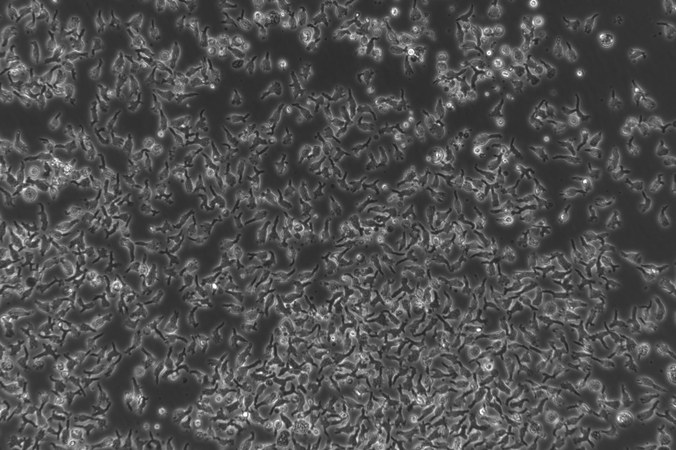
HebeCell Corp is a Natick, Massachusetts biotech developing allogeneic, off-the-shelf cell therapies grown from induced pluripotent stem cells (iPSCs). Its core invention is a suspension-bioreactor platform, ProtoNK, that produces natural killer (NK) cells indefinitely and at scale - a manufacturing approach the company says no other lab can match. Founded in 2016, HebeCell aims to make cancer and degenerative-disease therapies cheaper, safer, and available without a matched donor, under the tagline 'Incurable no more.'

I Peace, Inc.
I Peace, Inc. is a Palo Alto- and Kyoto-based biotech that mass-manufactures clinical-grade induced pluripotent stem cells (iPSCs) using a proprietary automated, closed-cassette platform. Founded in 2015 by Koji Tanabe - a co-author of the world's first human iPSC paper from Shinya Yamanaka's Nobel Prize-winning lab - the company operates as a CDMO supplying GMP-grade iPSCs to pharmaceutical companies, biotechs, and research institutions, and offers personal iPSC banking and longevity services that aim to make cell therapy affordable and accessible.

Morphocell Technologies
Morphocell Technologies is a Montreal-area regenerative medicine company building allogeneic, stem cell-derived engineered tissues to treat severe organ deficiencies, starting with the liver. Its lead program, ReLiver, is a transiently implanted engineered liver tissue made from induced pluripotent stem cells (iPSCs) intended to treat acute and acute-on-chronic liver failure without immunosuppression. Spun out of CHU Sainte-Justine in 2018, the company has raised US$50 million in Series A funding and runs vertically integrated operations spanning discovery, cell manufacturing and preclinical development.
Oryon Cell Therapies
Oryon Cell Therapies is a Belmont, Massachusetts clinical-stage biotechnology company developing autologous neuron replacement medicines for Parkinson's disease and other neurodegenerative disorders. Spun out of research at the Neuroregeneration Research Institute at McLean Hospital and Harvard Medical School, Oryon converts a patient's own blood cells into induced pluripotent stem cells, then differentiates them into dopamine-producing A9 neurons that are implanted into the brain to restore lost dopaminergic function - without immune suppression. The company emerged from stealth in March 2026 with a $21M Series A tranche ($42M total in equity and grants) and early Phase 1b/2a data showing motor improvements and neuroimaging evidence of restored dopamine signaling.
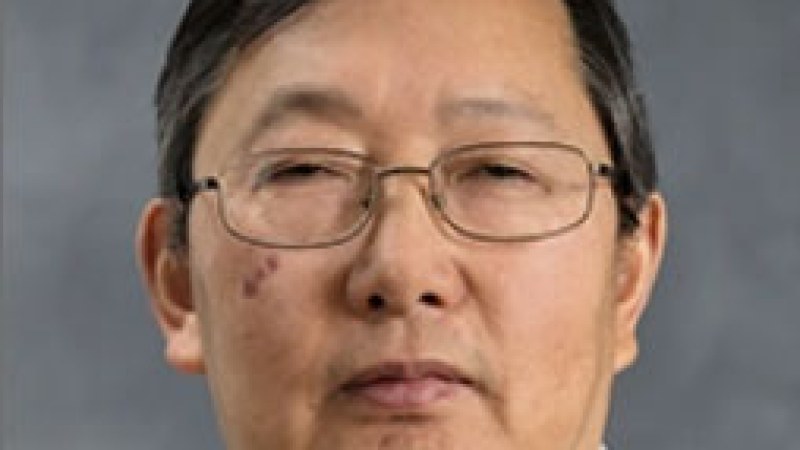
John Lu
Shi-Jiang (John) Lu is a stem cell scientist and the founder, President and CEO of HebeCell Corp, a Natick, Massachusetts biotech building off-the-shelf cancer-killing immune cells from pluripotent stem cells. He spent two decades in regenerative medicine, was a top-ranked inventor in the global stem cell patent landscape, and led research at Advanced Cell Technology before that company was absorbed by Astellas. At HebeCell he pioneered a 3D, feeder-free bioreactor process for growing iPSC-derived natural killer (NK) and CAR-NK cells at industrial scale - aiming to make potent immune therapies as standardized and reproducible as a manufactured product.

Koji Tanabe
Koji Tanabe is the founder and CEO of I Peace, Inc., a Palo Alto and Kyoto biotech building an automated platform to mass-manufacture clinical-grade induced pluripotent stem cells (iPSCs). He earned his PhD in the Kyoto University lab of Nobel laureate Shinya Yamanaka and was a co-author of the landmark paper that first reported the creation of human iPS cells. After postdoctoral work at Stanford, he founded I Peace in 2015 with the goal of giving every person access to their own stem cells for therapy and longevity.
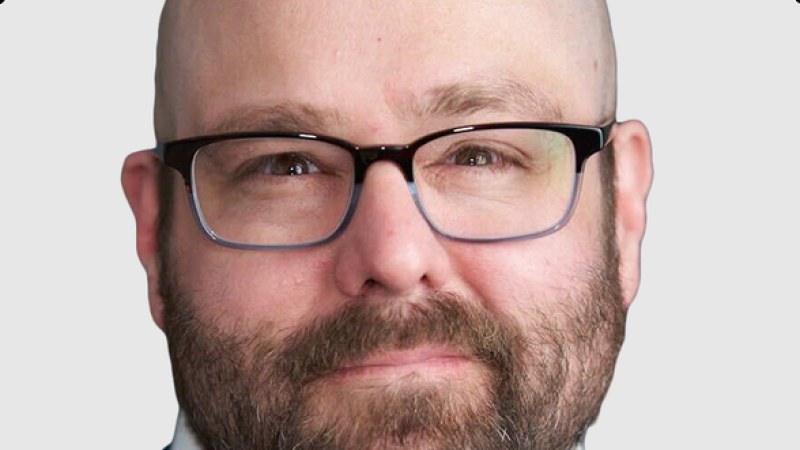
Nicholas Geisse
Nicholas Geisse is the CEO of Curi Bio, a Seattle biotech building human-relevant tissue platforms that make lab-grown muscle and heart cells behave more like the real thing. A Cambridge-trained pharmacologist who learned to wire up tiny instruments in Kevin Kit Parker's cardiac engineering lab at Harvard, he spent years at Asylum Research selling and designing atomic force microscopes before joining Curi Bio as Chief Science Officer in 2017. He led development of the Mantarray 3D engineered-muscle-tissue platform and the company's NIH-backed R&D program, then stepped up to chief executive in 2023. His work has collected an Xconomy 'Big Idea' award, an SBA Tibbetts award, and an Edison Award.
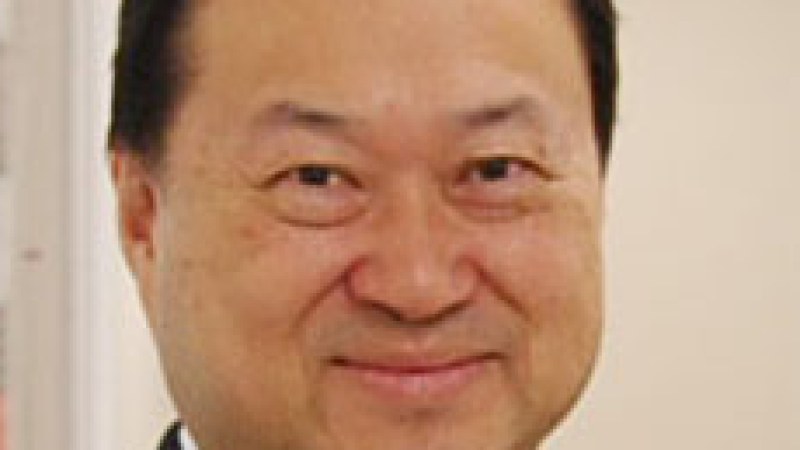
Vincent Ling
Vincent Ling is the Chief Business Officer of Morphocell Technologies, a Laval-based regenerative medicine company building iPSC-derived engineered tissues to treat severe organ dysfunction, starting with liver disease. A biotech and pharma veteran of three decades, he spent 12 years at Takeda's Center for External Innovation, where he identified and backed the Kariko-Weissman mRNA platform out of the University of Pennsylvania - the science that became the first COVID mRNA vaccines and earned the 2023 Nobel Prize. He has held leadership roles at Genetics Institute, Adnexus Therapeutics, and Neurotech Pharmaceuticals, and advises the Gates Foundation and academic institutions.