zero-emission
(10)
Near Space Labs
Near Space Labs is a Brooklyn-based earth-imaging company that flies small autonomous robots called Swift into the stratosphere on helium balloons to capture 7-centimeter-resolution imagery of the ground below. Founded in 2017, it delivers frequent, analysis-ready aerial data to property and casualty insurers, governments, utilities and environmental groups at a fraction of the cost of traditional planes or satellites, positioning balloon-borne imaging as a scalable, low-emission alternative for monitoring cities, infrastructure and disasters.

Kazuhiko Nishioka
Kazuhiko Nishioka is the co-founder and CEO of Sun Metalon, a Japan-origin, Chicago-area climate-tech company decarbonizing the metal industry. A former Nippon Steel engineer with a materials science background from Northwestern University, he built a patented, near zero-emission heating technology that turns metal scrap, sludge and swarf into clean, reusable metal pucks on-site. Founded in 2021, Sun Metalon has raised roughly $42M in total funding, partnered with Toyota on aluminum recycling, and drawn Nippon Steel's first venture investment in its 100-plus-year history.
Navier
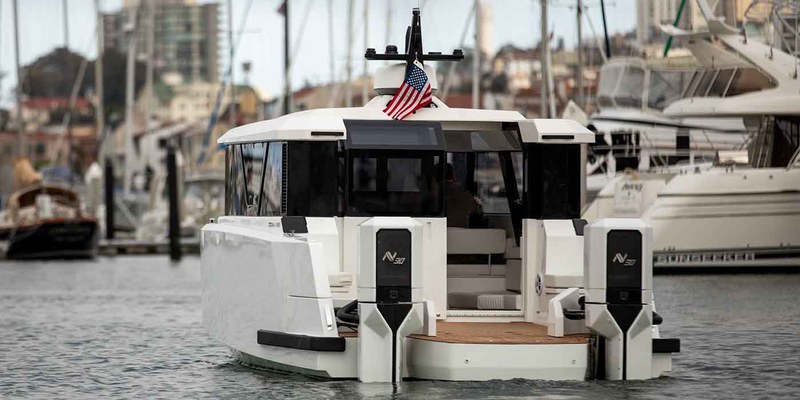
Navier is a San Francisco maritime technology company building all-electric hydrofoiling boats. Its flagship N30 lifts on three computer-controlled carbon foils, cruises 75 nautical miles on a charge, and points toward a future of quieter, cleaner waterborne transit.
Verne
Verne is a San Francisco climate-tech company building high-density cryo-compressed hydrogen (CcH2) storage and power systems. Founded in 2020 by Stanford and UC-Berkeley alumni, Verne developed a method to store hydrogen at up to 73 g/L - roughly 33% denser than liquid hydrogen and 87% denser than 700-bar compressed gas - without the cost of full liquefaction. After proving the technology on the world's first CcH2-powered Class 8 truck in 2024, Verne has expanded into turnkey zero-emission on-site power, targeting data centers, ports, construction sites and EV charging with modular hydrogen-to-power systems.

GILLIG
GILLIG is a 135-year-old American bus maker based in Livermore, California, and the second-largest transit bus manufacturer in North America. Every GILLIG bus - clean diesel, CNG, hybrid, battery electric, and a coming hydrogen fuel cell model - is designed and assembled by U.S. workers for public transit agencies across the country.
Dennis Howard
Dennis Howard is CEO and President of GILLIG LLC, America's oldest surviving bus manufacturer and the second-largest heavy-duty transit bus maker in North America. Based in Livermore, California, GILLIG produces clean diesel, CNG, hybrid electric, battery electric, and hydrogen fuel cell buses that move millions of commuters across the United States daily. Under executive leadership, the company has leaned into the electric revolution - deploying fleets for King County Metro, PSTA, and dozens of transit agencies - while remaining a privately held American family business rooted in 135 years of craftsmanship.
Derek Maunus
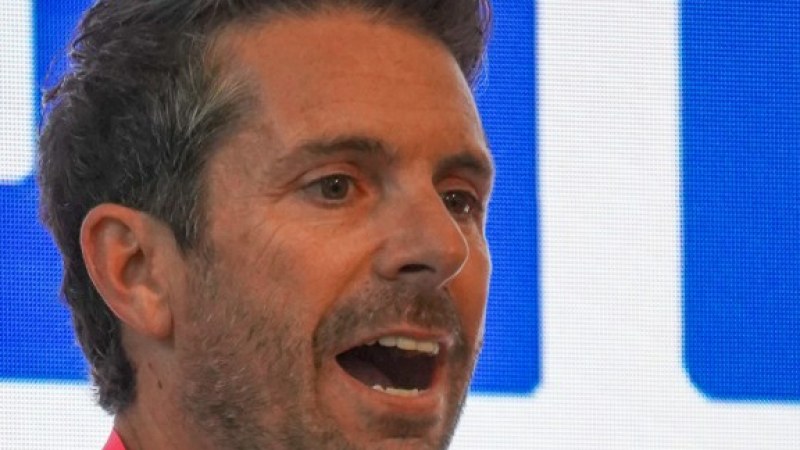
Derek Maunus is the President and CEO of GILLIG LLC, America's oldest surviving bus manufacturer, founded in 1890 and now headquartered in Livermore, California. He joined GILLIG in 2011 and rose through roles in aftermarket parts and manufacturing before being appointed CEO in 2018. Under his leadership, GILLIG has expanded its clean-energy portfolio - including battery electric, hybrid, CNG, and hydrogen fuel cell buses - and executed a complex relocation from Hayward to a new 600,000 sq ft solar-powered facility in Livermore. With roughly 1,100 employees and annual revenue near $325M, GILLIG holds significant market share in North American heavy-duty transit bus manufacturing.

Sampriti Bhattacharyya
Sampriti Bhattacharyya is the founder and CEO of Navier, the company building America's first all-electric hydrofoiling boat. She grew up in Kolkata, India, arrived in the US at 20 with $200, and went on to earn a PhD in mechanical engineering from MIT. After her first venture — Hydroswarm, an underwater drone startup — she co-founded Navier in 2020 with MIT engineer Reo Baird. Their flagship product, the N30, is a 30-foot, eight-passenger electric foiling yacht that glides four feet above the water at 35 knots, runs 10 times more efficiently than gas-powered boats, and delivered its first customer unit in October 2024. Navier's investors include Google co-founder Sergey Brin and Android co-founder Rich Miner.
Ted McKlveen
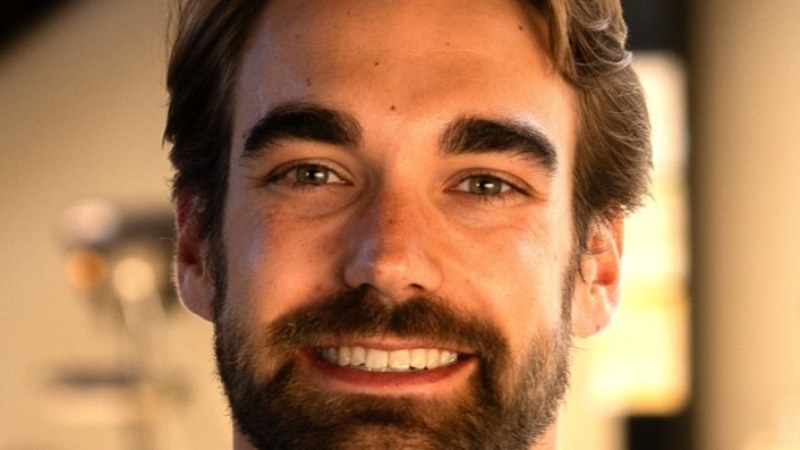
Ted McKlveen is the Co-Founder and CEO of Verne, a San Francisco-based clean energy company pioneering cryo-compressed hydrogen (CcH2) technology to decarbonize heavy-duty transportation and off-grid power. He graduated summa cum laude in Chemistry from Harvard and earned an MBA from Stanford GSB (2021), where he co-founded Verne. Under his leadership, Verne unveiled the world's first CcH2 Class 8 heavy-duty truck, secured backing from Amazon's Climate Pledge Fund and United Airlines Ventures, raised $15.5M total, and expanded into a new Pennsylvania manufacturing facility creating 61 jobs.
Smart #1
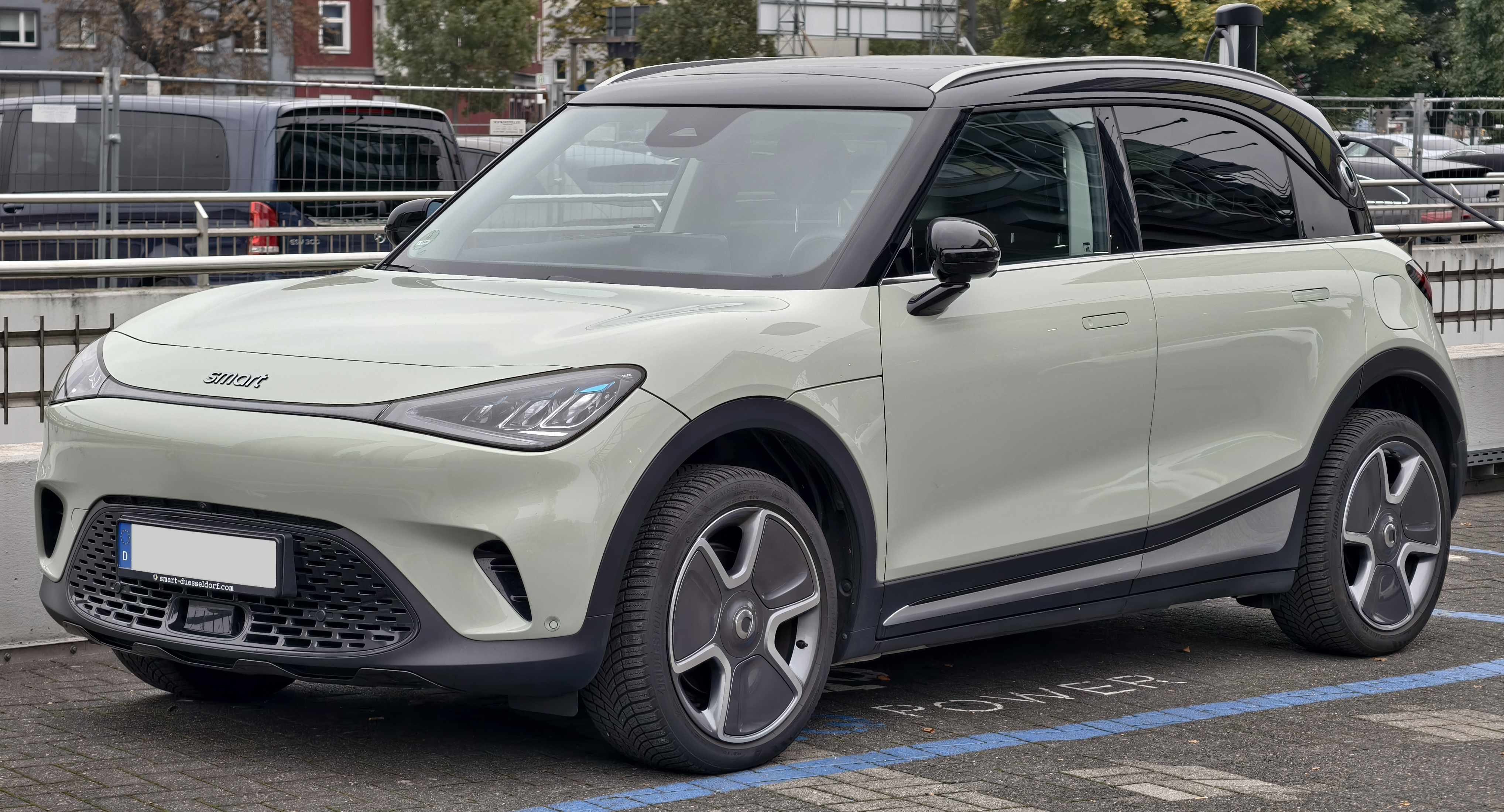
The Smart #1 is a battery-electric subcompact crossover SUV that marks the complete reinvention of the Smart brand. Developed as the first product of a 50:50 joint venture between Mercedes-Benz Group and Geely Holding, it swaps the iconic two-seater city car formula for a five-door family crossover built on Geely's SEA2 electric platform. With Mercedes designing the exterior and interior, and Geely handling engineering and production in China, the #1 delivers up to 440 km of WLTP range, a 12.8-inch touchscreen with AI voice assistant, and a 0-62 mph time as low as 3.9 seconds in the Brabus variant.