public-transit
(13)
The Woman Who Saved San Francisco’s Cable Cars
City Hall called them costly relics and planned to replace them with buses. Friedel Klussmann turned a piece of Victorian machinery into a public cause—and gave San Francisco the power to keep its past moving.
The Robert Group Makes Public Input Hard to Ignore
Southern California's biggest plans do not move on engineering alone. This 11-person public-affairs firm turns maps, environmental reports and construction schedules into conversations people can actually enter.
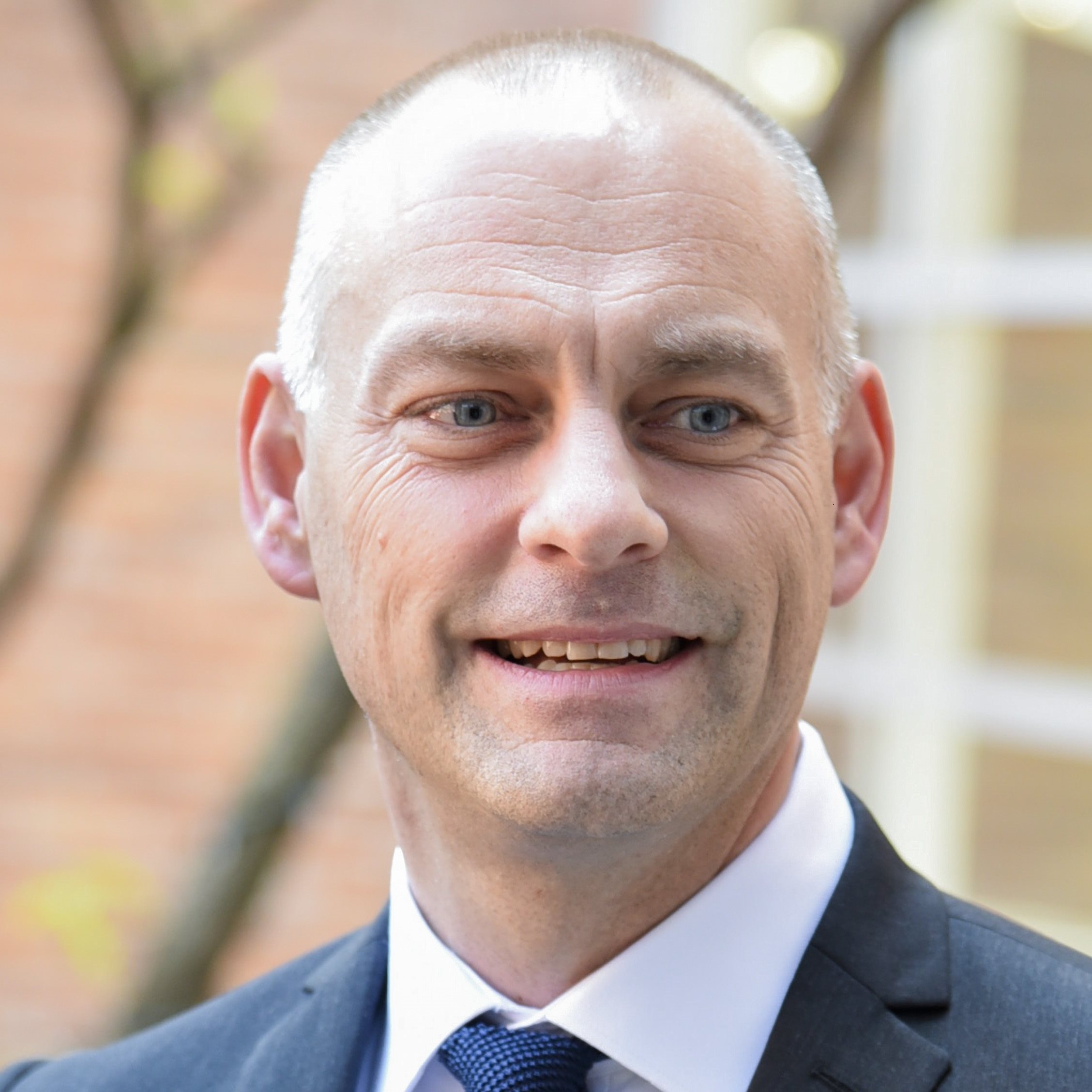
Mark Childs Is Marketing the Ride, Not Just the Railway
After decades selling cereal, soup and smartphones, Mark Childs took on a harder brief: persuading a region to see public transit as part of a good day, not merely the machinery between two places.
Durham Region Runs the Business Nobody Can Opt Out Of - Here’s the Playbook for Making 780,000 Customers Feel Local
Durham’s real product is coordination: one regional layer for pipes, buses, health, housing and emergencies across eight very different municipalities. Its useful lesson for operators is simple - scale the hard infrastructure, then make the front door feel local.

Metrolinx Bet $13 Billion on One Toronto Rail Line - Here’s What Transit Builders Should Copy, and What They Should Never Repeat
The agency made regional integration feel ordinary with one fare card and free transfers. Then a 19-kilometre light-rail project took 15 years and roughly $13.1 billion to open - a case study in both the power and peril of building the connective tissue of a city.
The Bus System Learning to Bend
Metro Detroit was built around the car. SMART is trying to make the region work for everyone else - one fixed route, curb-to-curb trip and on-demand connection at a time.

Hayden AI
This video profiles Hayden AI, a company building an AI-powered platform that automates the enforcement of bus lanes on public transit systems. Cameras mounted behind a bus windshield feed an onboard compute box that detects when a parked or stopped vehicle is illegally blocking a bus lane. The system processes footage on the bus itself, blurring license plates and faces and transmitting only the clip tied to an actual violation to the cloud. Framed as a low-cost path to smarter cities, Hayden AI argues that one blocked bus lane impedes 50 to 60 riders at once, and that automating enforcement reduces collisions, improves on-time arrivals, lowers greenhouse gas emissions, and grows ridership.

Nicole Gelinas
Nicole Gelinas is a senior fellow at the Manhattan Institute, contributing editor of City Journal, and a New York Post columnist who has become one of the most-cited voices on how New York moves, pays its bills, and keeps itself safe. A Chartered Financial Analyst turned urban-policy writer, she translates municipal bonds, subway capital plans, and congestion-pricing math into prose ordinary readers can follow. Her 2024 book Movement: New York's Long War to Take Back Its Streets from the Car won the 2025 Gotham Book Prize and reframed the century-long fight over the city's streets as a story with many heroes, not just one Robert Moses villain.

GILLIG
GILLIG is a 135-year-old American bus maker based in Livermore, California, and the second-largest transit bus manufacturer in North America. Every GILLIG bus - clean diesel, CNG, hybrid, battery electric, and a coming hydrogen fuel cell model - is designed and assembled by U.S. workers for public transit agencies across the country.
Dennis Howard
Dennis Howard is CEO and President of GILLIG LLC, America's oldest surviving bus manufacturer and the second-largest heavy-duty transit bus maker in North America. Based in Livermore, California, GILLIG produces clean diesel, CNG, hybrid electric, battery electric, and hydrogen fuel cell buses that move millions of commuters across the United States daily. Under executive leadership, the company has leaned into the electric revolution - deploying fleets for King County Metro, PSTA, and dozens of transit agencies - while remaining a privately held American family business rooted in 135 years of craftsmanship.

Derek Maunus
Derek Maunus is the President and CEO of GILLIG LLC, America's oldest surviving bus manufacturer, founded in 1890 and now headquartered in Livermore, California. He joined GILLIG in 2011 and rose through roles in aftermarket parts and manufacturing before being appointed CEO in 2018. Under his leadership, GILLIG has expanded its clean-energy portfolio - including battery electric, hybrid, CNG, and hydrogen fuel cell buses - and executed a complex relocation from Hayward to a new 600,000 sq ft solar-powered facility in Livermore. With roughly 1,100 employees and annual revenue near $325M, GILLIG holds significant market share in North American heavy-duty transit bus manufacturing.
Hayden AI
Hayden AI is a San Francisco-based vision-AI company that turns city buses into rolling sensors. Its behind-the-windshield cameras and edge-AI perception stack detect bus-lane and bus-stop violations in real time, then send verified evidence to enforcement agencies - powering programs in New York, DC, Los Angeles, and beyond.
Marty Beard
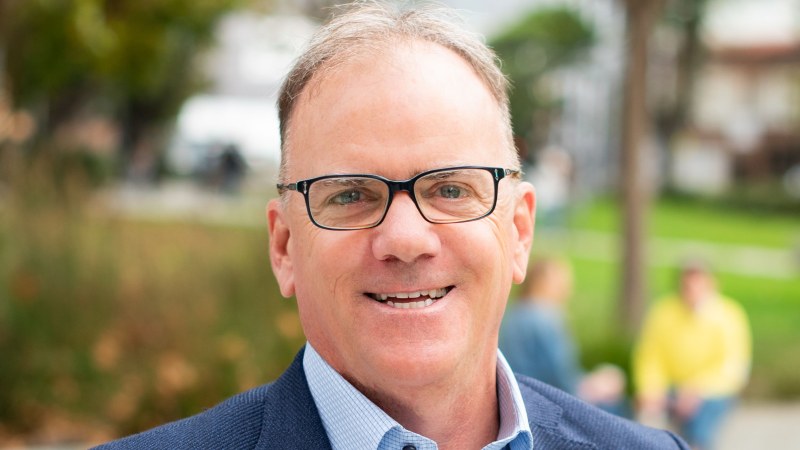
Marty Beard is the CEO and Board Member of Hayden AI, the largest provider of mobile automated bus zone and bike lane enforcement systems in the United States. A serial enterprise technology executive with a track record spanning Oracle, Sybase, LiveOps, BlackBerry, and alwaysAI, Beard brings deep expertise in scaling AI and computer vision platforms. At Hayden AI, he leads a 190-person company backed by $246M+ in funding - including a $90M Series C - to deploy vision AI on city transit vehicles that detect lane violations in real time, improving bus speeds, reducing collisions, and making urban transit safer and more reliable across cities in the US and Europe.