captioning
(6)
Telestream and the race before you press play
A finished video still has a long way to go. Telestream builds the machinery that gets it from the camera to the right screen, in the right format, before the clock runs out.
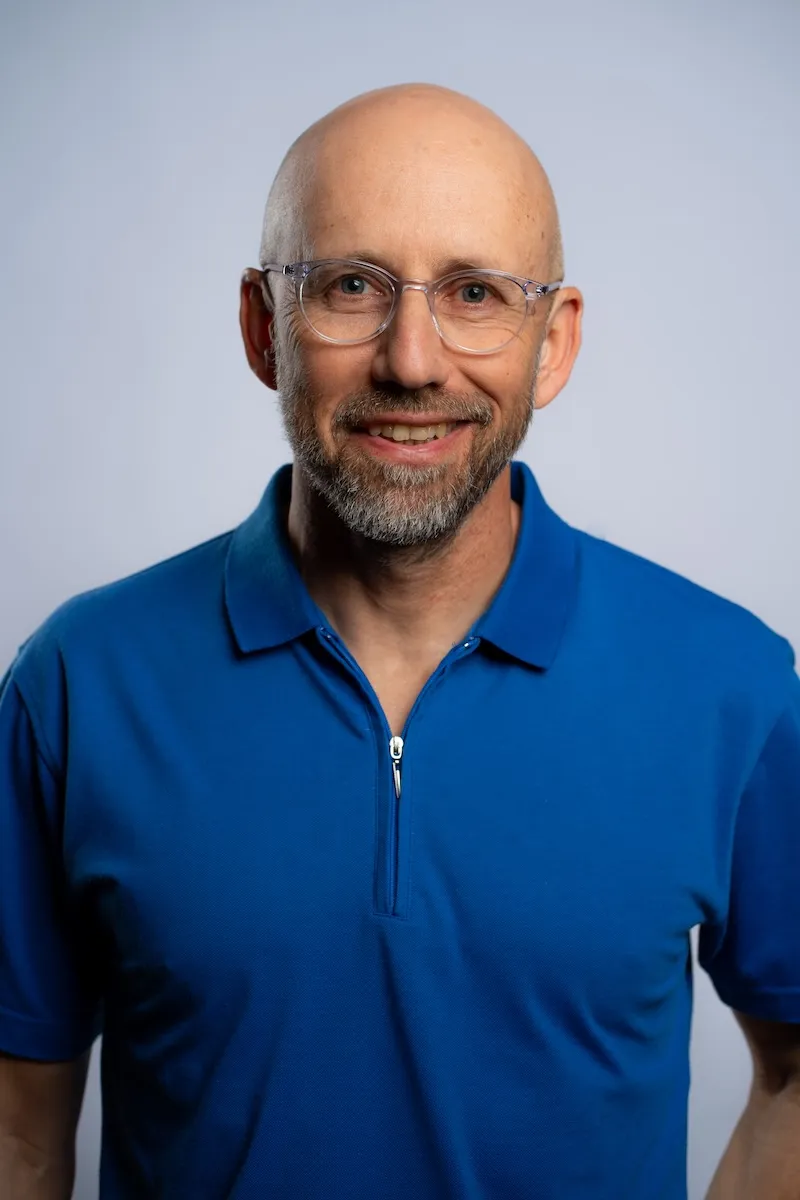
Yair Amsterdam and the trouble with getting every word right
A software operator took charge of Verbit just as AI was changing the price of a transcript. His next chapter runs from presidential debates to practice depositions, with a deceptively simple question: what should happen after the words are captured?
Interra finds the faults before your audience does
A good master file can still become a bad stream. Interra Systems has built a business around the places where pictures, sound and subtitles go wrong.
Stenograph and the business of keeping up
A noisy shorthand machine became a business built around the people who cannot afford to miss a word. Eighty-eight years later, Stenograph is still finding smaller things to fix - and larger parts of the legal record to handle.
KUDO
KUDO is a New York-based language technology company that delivers real-time speech translation and interpretation for online, in-person, and hybrid meetings and events. It pairs a global network of roughly 12,000 professional human interpreters with its own patented AI speech-to-speech translation engine, letting people speak and be understood across more than 200 spoken and sign languages on platforms like Zoom, Microsoft Teams, and Webex.
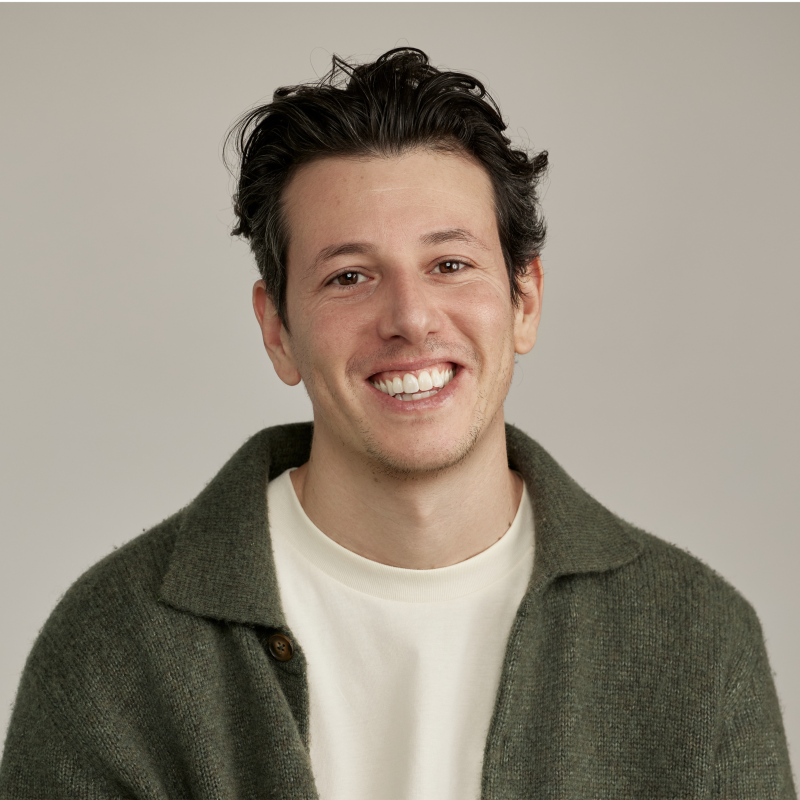
Tomer Aharoni
Tomer Aharoni is the co-founder and CEO of Nagish, a New York startup using AI to caption phone calls in real time so Deaf and hard-of-hearing people can place and receive calls by typing and reading, with no human operator in the loop. The idea began with a phone ringing during a class at Columbia and a question he couldn't shake: how do you take a call if you can't hear or speak? Nagish (Hebrew for 'accessible') is now FCC-certified, offered free to users through federal subsidies, and has raised $16 million. Aharoni builds the product hand-in-hand with the Deaf community and is now pushing into AI sign-language translation.