The order was simple to describe and awkward to deliver: twenty feature films, resized and fitted with Scandinavian subtitles, ready within twenty-four hours. Dicentia, a media services company, had the expertise. What it needed was more encoding capacity. Working with its Danish technology partner, it turned to Telestream’s Vantage Cloud Subscriptions, a service it had never used. The films made their deadline. In the 2015 customer account, the interesting detail is how ordinary the problem was. The work was understood. There was simply too much of it.
- Telestream handles the jobs between capturing video and delivering it.
- Its range runs from desktop livestreaming to enterprise automation and signal measurement.
- The buying decision is about capacity, handoffs, and the whole operating bill.
The movie is finished. The work isn’t.
We tend to imagine video as a creative sequence: shoot, edit, publish. A broadcaster’s version has more verbs. Capture. Inspect. Convert. Caption. Route. Archive. Check again. The same program may need different formats, audio tracks, and subtitles for different destinations. Each variation creates another opportunity for a person to wait, repeat a task, or send the wrong thing.
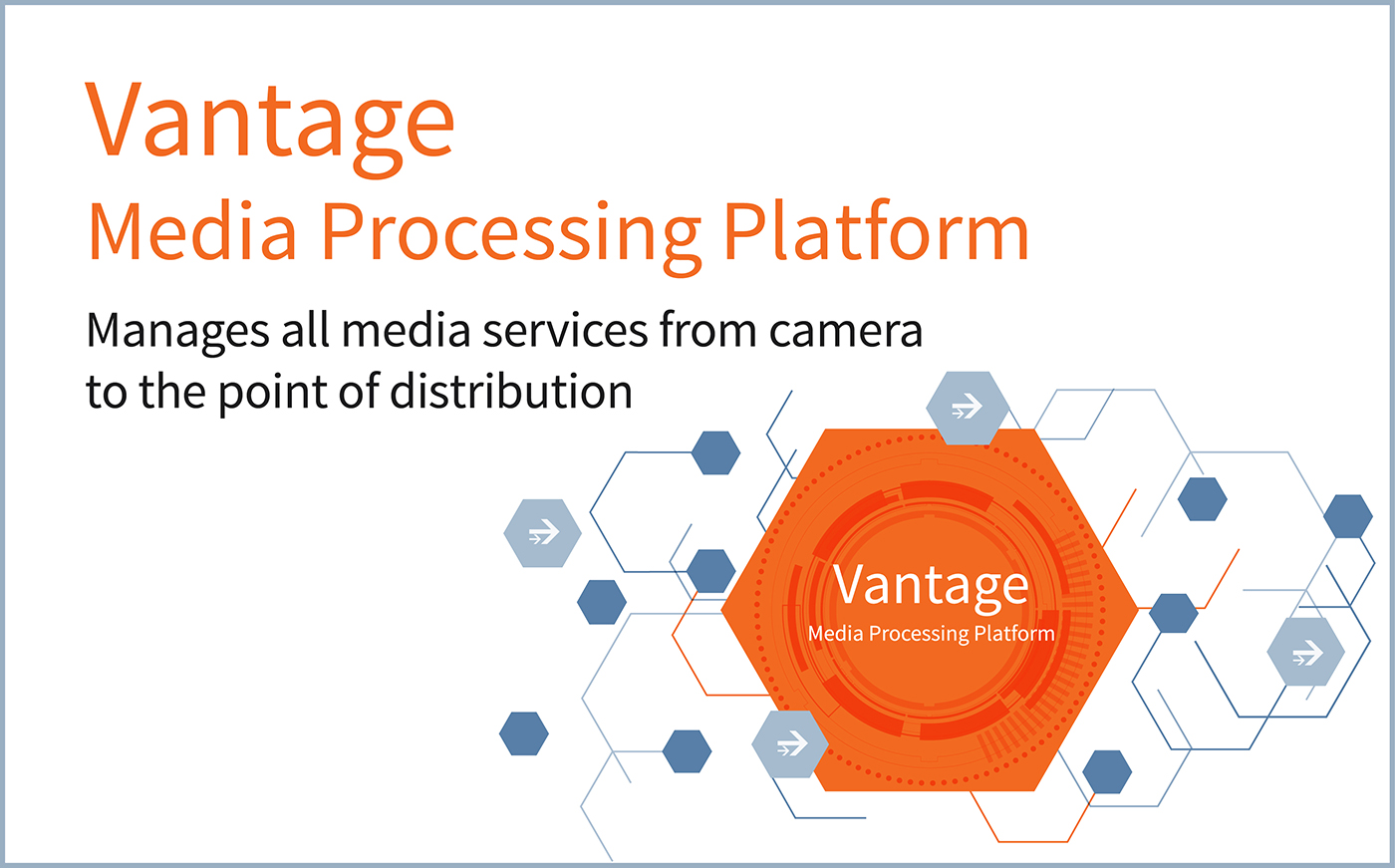
Vantage, Telestream’s enterprise processing platform, organizes those jobs into workflows. It can connect ingest, transcoding, quality control, metadata, and delivery, running on premises, in the cloud, or across both. Its value is partly the conversion itself and partly the coordination surrounding it. A fast encoder attached to a slow approval process still leaves a slow operation.
Dicentia’s experience suggests a useful distinction: keep the workflow you understand, then add capacity where the deadline demands it. That approach depends on a working process, suitable connectivity, and enough time to get material into the processing environment. Renting compute cannot repair missing subtitles or an undecided delivery specification.
The expensive problem with a quiet server
Adstream encountered a different version of the same imbalance. Its advertising business could receive a few processing requests, then hundreds or thousands. The company began using Vantage on physical servers in 2011. By 2013, it saw that keeping enough machines for demand spikes could leave expensive equipment idle between them.
In 2017, Adstream moved its Vantage processing into an AWS-based virtual environment. Crucially, it retained work already invested in scripts and API integrations. The change addressed how processing capacity was supplied without discarding the logic that made the operation useful.
“pay-as-you-go pricing enables us to better control costs.”
Steven W. Brown, Adstream
Telestream customer case study
That is a customer’s account, rather than a universal cloud discount. The transferable idea is to measure the shape of demand before choosing infrastructure. Constant workloads, large transfers, or strict data-location rules can change the calculation. A migration deserves a spreadsheet with storage, processing, transfer, and integration costs on it.
- 01CaptureBring it in
- 02TransformFit the destination
- 03CheckCatch the errors
- 04DeliverGet it there
Two very different control rooms
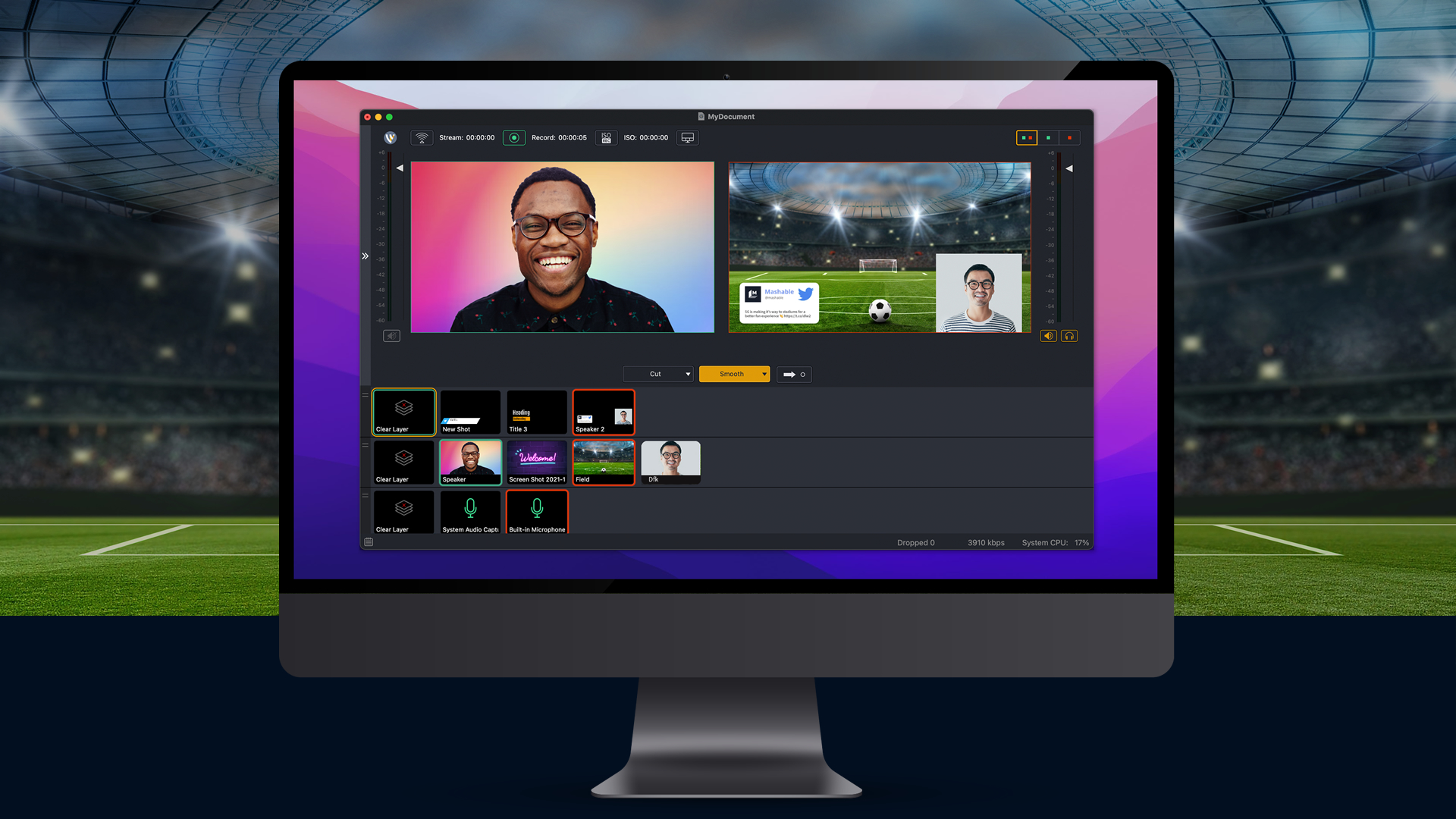
Telestream’s range makes more sense when viewed through its users. A live producer can use Wirecast to switch sources, bring in remote guests, add graphics, and stream a show. A Mac user can record and edit a tutorial in ScreenFlow. Neither task requires building a broadcaster’s processing plant.
At the enterprise end, the catalog includes Qualify for file quality control, Stanza for captions, DIVA for archives, and PRISM for signal measurement. Telestream’s customer material includes Comcast Technology Solutions, RMC-BFM, and Angels Baseball. These are different working environments, joined by the need to prepare and inspect video reliably.
The breadth also explains its market position. AWS Elemental MediaConvert offers cloud file processing; other vendors compete in individual production or monitoring jobs. Telestream’s pitch is the connection among tasks and existing systems. That is a meaningful distinction for a complex operation, although a single-purpose buyer may need only a single-purpose tool.
Founded in 1998, Telestream counts Dan Castles and Shawn Carnahan among its co-founders. Thoma Bravo acquired the company in 2012; Genstar announced its acquisition in 2015. In May 2022, Telestream bought Encoding.com, its thirteenth acquisition, adding cloud-native processing. That history helps explain the wide catalog: the company has assembled capabilities across the media chain, rather than restricting itself to a single desktop application.
The subscription is only the beginning
Telestream sells software, subscriptions, cloud services, and hardware. Its newer UP platform, introduced in March 2026, bundles modular services for ingest, review, orchestration, and monitoring. Teams can adopt services incrementally instead of committing to every function immediately.
As listed in October 2026, UP Starter begins at $300 a month. Basic begins at $700 and Professional at $1,200. These are base subscription prices, with application usage billed additionally. A buyer therefore needs to estimate the jobs, seats, sessions, and data movement involved. The cheapest plan name does not establish the cheapest finished workflow.
Plus application usage charges. Pricing checked October 2026.
For a prospective customer, the sensible trial is one representative job from arrival to acceptance. Include the awkward file, the caption correction, and the rejected delivery. Measure operator minutes alongside processing minutes. Automation pays for itself through the work it removes, which is why testing only a clean sample can flatter the result.
Teaching the conveyor belt to read
Telestream’s recent announcements follow that operational logic. An August 2026 ScorePlay partnership connects live ingest and processing to sports media management, making captured material available for editing and distribution. In September, Telestream announced NVIDIA-powered Vantage Super Resolution, with release planned for Q4 2026 on specified Lightspeed servers. The intention is to upscale older footage inside the processing workflow.
The attraction is fewer separate handling steps. The constraint remains the finished picture: teams still have to judge whether an enhanced archive clip meets their editorial and technical requirements. Telestream’s opportunity lies in making those decisions easier to execute at scale. For the audience, the reward is pleasantly uneventful. The video arrives, the captions fit, and pressing play works.