molecular-diagnostics
(53)
The Cancer Clue That DNA Leaves Behind
Lucence built a blood test around a small but consequential idea: tumors speak in RNA as well as DNA. The difficult part was not only hearing the signal - it was making doctors, labs and Medicare listen.

The Chip Factory That Learned to Read Tissue
Centrillion borrowed the tools of a semiconductor fab to make biology legible - then discovered that the most useful product might be the manufacturing system behind the chip.
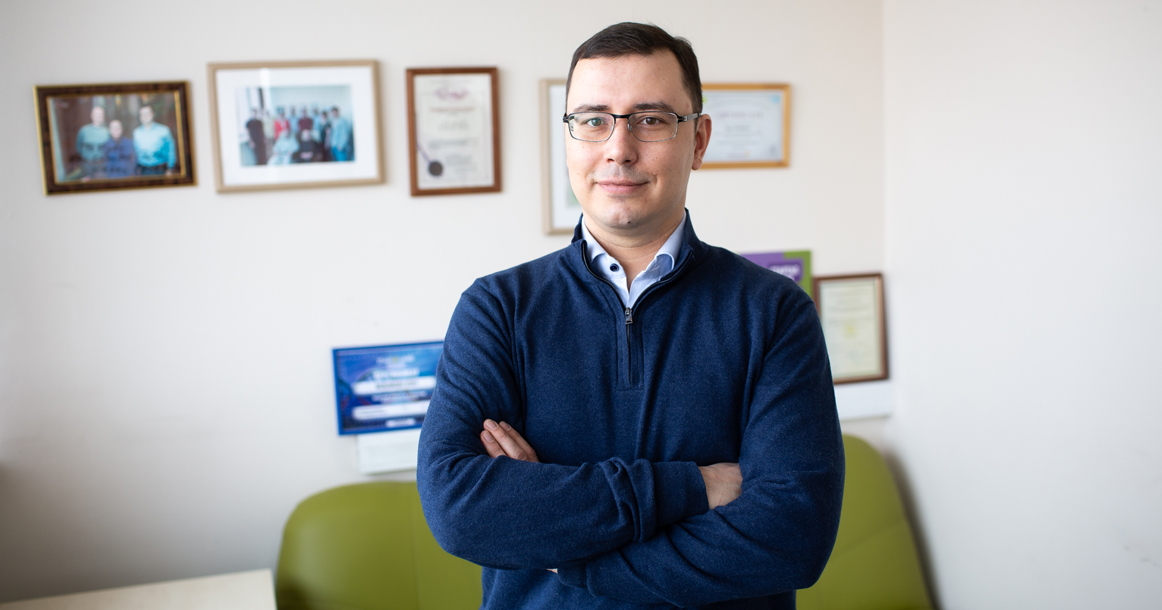
Egor Melnikov Bet a Founder’s Life on a Family Idea
An economist from a Russian science town turned his father’s unfinished research into a decade-long biotech company. The useful lesson is not romance. It is his stubborn method: narrow the question, protect the idea, and keep earning the next experiment.
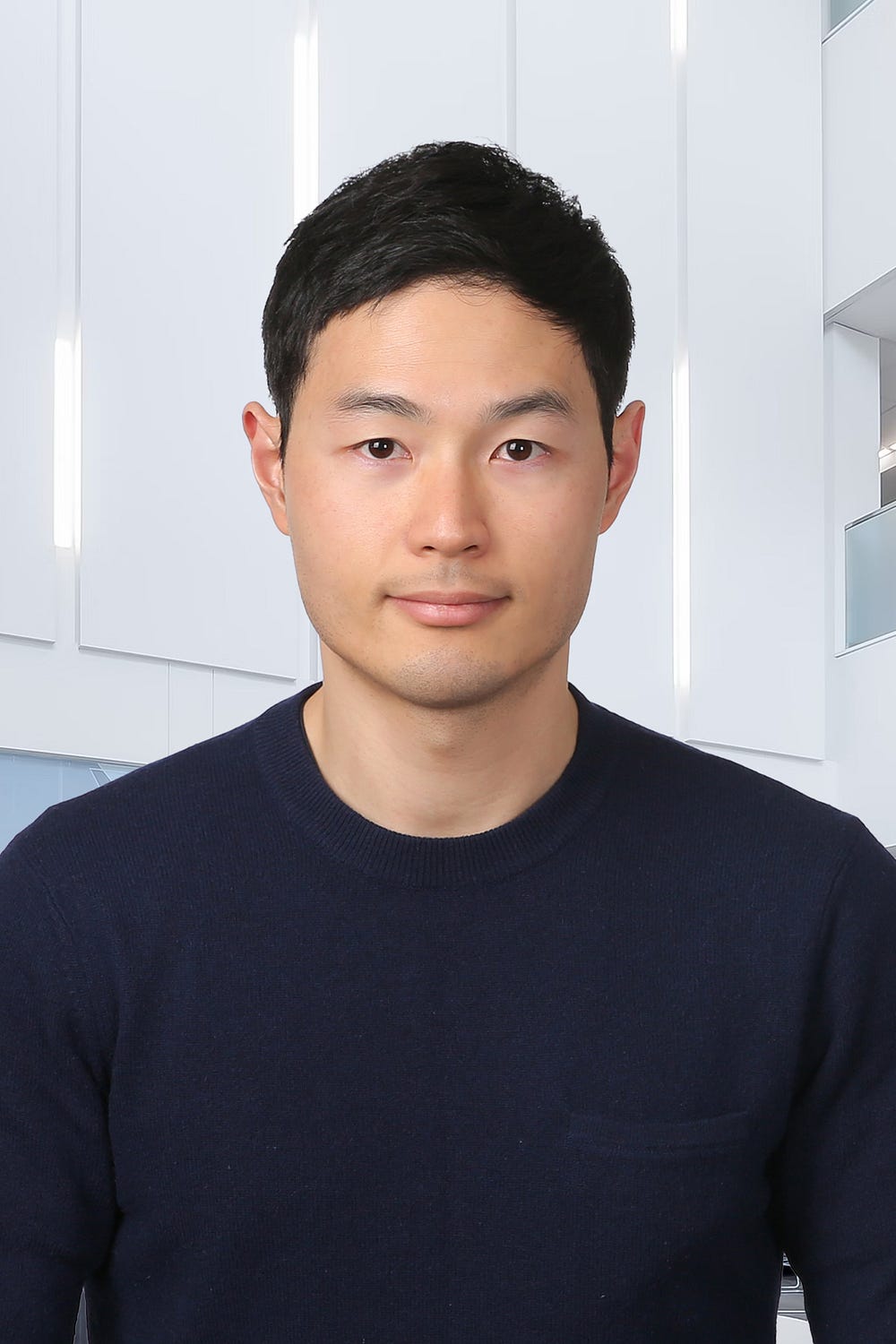
Jinyong Lee Put PCR on a Stopwatch
A private-jet courtship vanished with one licensing snag. Jinyong Lee kept building, lost the suitor, and shaped a patient, product-first company around light, heat and an unusually stubborn definition of success.

Bio-Techne Built a $1.2 Billion Lab-Supply Machine - Then One Bad Bet Clarified the Whole Business
The Minneapolis life-sciences supplier turned a catalog of repeat-purchase reagents into a $1.2 billion business. Its best lesson is not the pending $11.3 billion exit - it is how one expensive diagnostics detour forced the portfolio back toward tools that scale.
CareDx Made Transplant Care Less Invasive. Then Its Own Business Needed Surgery.
The transplant diagnostics company turned fragments of donor DNA into a recurring-care business. A 2023 reimbursement shock forced a reset - and revealed a playbook built on narrow markets, repeat tests, and one very deep customer relationship.
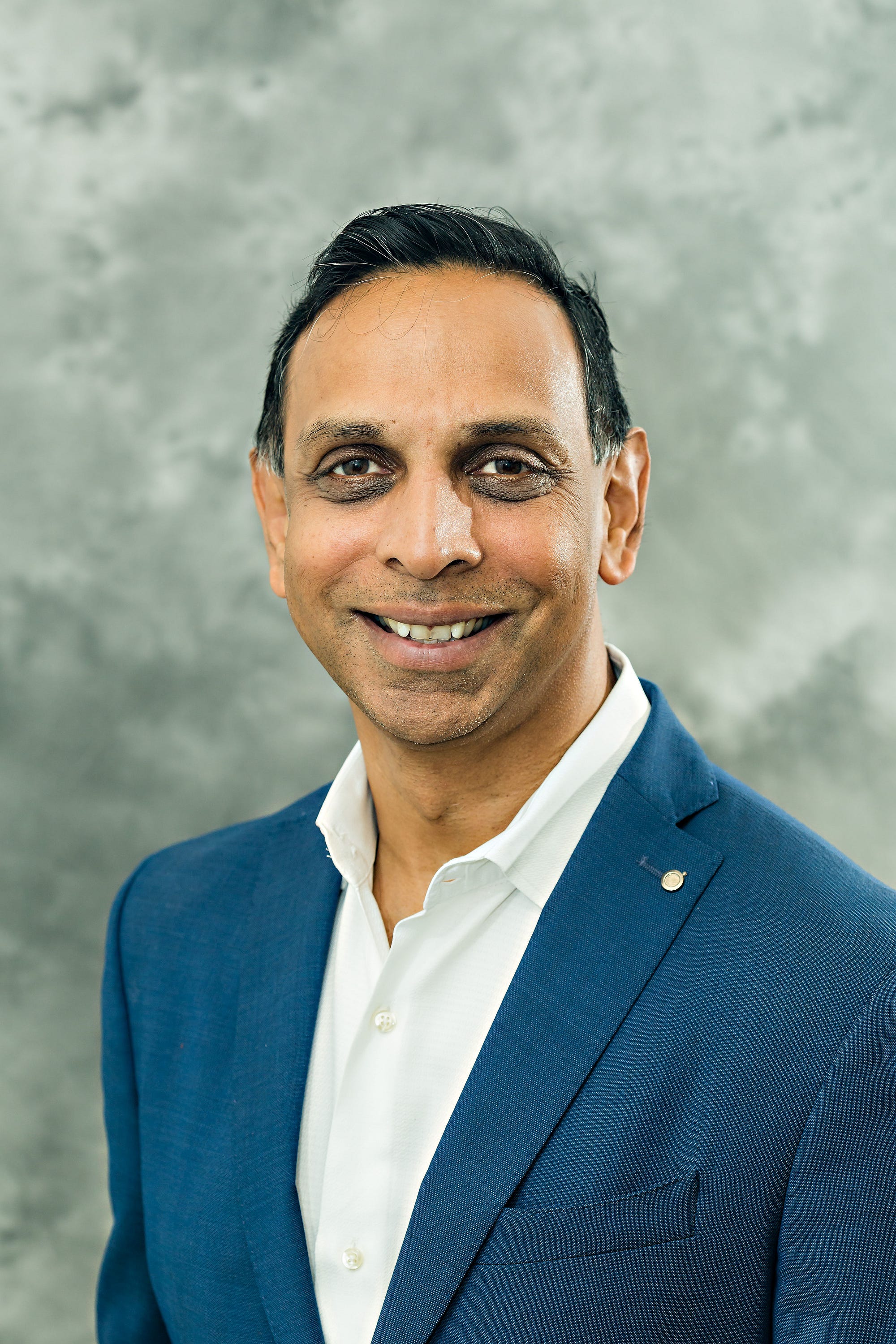
Milan Patel Bet His Third Startup on a Glass Chip - and a 120-Year-Old Problem
Before PathogenDx, Milan Patel built cars, ran an electronics company, learned finance at Intel and watched his first startup fail. His third venture turns tiny patterns on glass into same-shift answers for laboratories - a career assembled from engineering, money and the nerve to ship.
The Lab Test That Found Its Market in Cannabis - Then Went Hunting for Salmonella
PathogenDx spent years turning a three-dimensional DNA microarray into a commercial test. Cannabis labs supplied the opening; poultry processors may supply the scale.

The Urine Test That Reads Cancer's Mail Twelve Years Early
No scope, no needle - just a cup of urine and 60 genes worth of warning. Convergent Genomics is betting that bladder cancer leaves a paper trail years before a doctor can see it.
Michael Farmer Built the Companies Around the Science
Across defense systems, diagnostics startups and a San Francisco drug-discovery company, Michael Farmer made a career of turning technical possibility into an operating business.

David Ge Builds the Quiet Machinery Behind Liquid Biopsy
Before a genomic test can read a signal, someone has to rescue it from the noise. David Ge has spent his career moving upstream - from interpreting DNA data to engineering the chemistry that decides what reaches the sequencer.
The Quiet Machine Behind One in Three American Adults
Quest Diagnostics is easy to mistake for a chain of blood-draw centers. Its real product is a national system that moves specimens, data and decisions through American healthcare at unusual scale.

Paul Billings
Paul Billings has spent four decades asking the same hard question from different seats: how do you turn genetic information into something useful without letting it become something dangerous?

Albert Luderer
He spent thirty years turning lab science into products doctors actually use. Now he is betting that a synthetic peptide can beat the antibody at its own game.
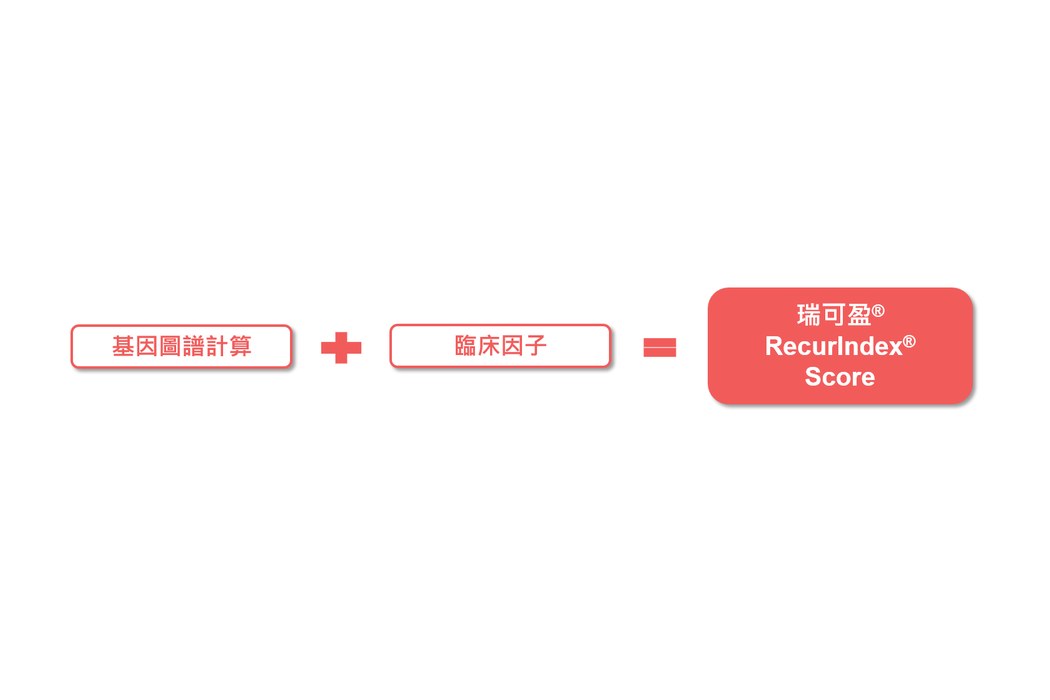
Amwise Diagnostic PTE. LTD.
Amwise Diagnostic is a Singapore- and Taipei-based cancer genomics company behind RecurIndex, a multi-gene test built specifically on the genomes of Asian breast cancer patients. It reads a tumor's genetic profile alongside clinical factors to estimate the five-year risk of local recurrence and distant metastasis, helping physicians and patients decide whether chemotherapy or radiotherapy is actually needed - and helping many avoid treatment they don't.

Pando Bioscience
Pando Bioscience is an AI-driven synthetic biology company that engineers better enzymes for the pharmaceutical and diagnostics industries. It pairs a generative-AI design model with an ultra-high-throughput 'one-pot' screening platform that tests roughly 1,000 times more enzyme variants - about 75% faster and 80% cheaper than conventional methods - compressing the design-build-test-learn cycle to about one month. Founded in 2022 by former Ginkgo Bioworks scientists Will Cao and Yang Wang, Pando both improves customers' enzymes and builds its own proprietary enzyme assets, such as the Saiyan-Phi29 polymerase.
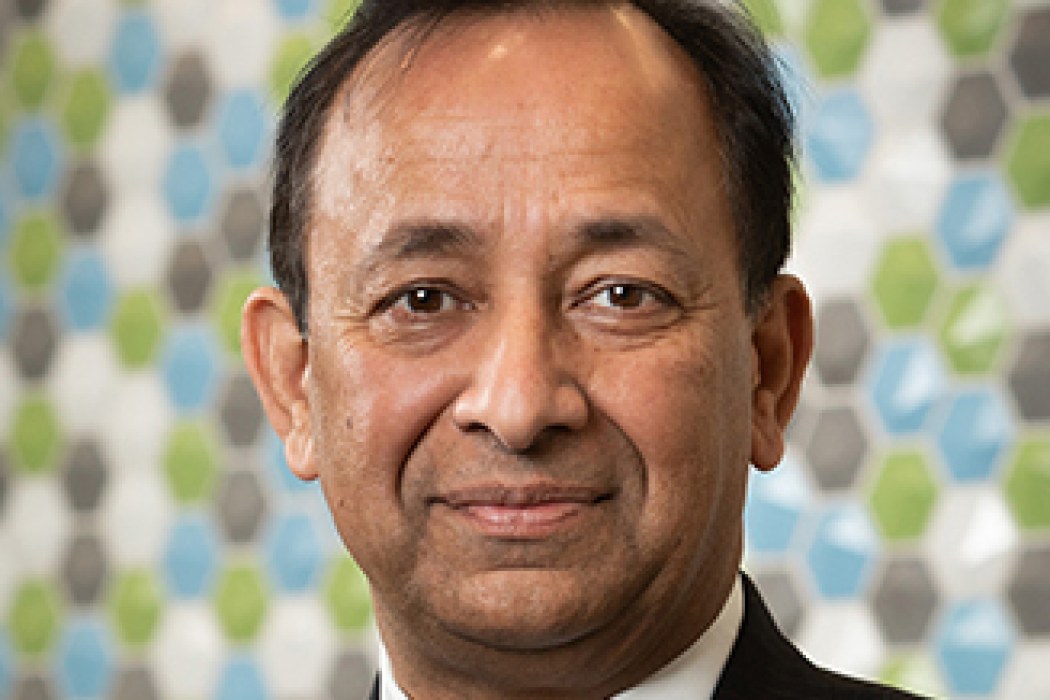
Sanjeev Saxena
Sanjeev Saxena is a serial medical-device entrepreneur and engineer who has spent more than 30 years trying to move cancer screening out of expensive central labs and into villages, clinics and pop-up sites. He is founder, CEO and CTO of Harae Dx Corp., a Pleasanton, California startup building a low-cost, portable, automated cancer detection system based on lab-on-a-disc microfluidics. Earlier he founded POC Medical Systems, whose MammoAlert and Pandora CDx platforms brought portable breast-cancer screening to emerging markets, and he co-founded Scanis, Actis Biologics and Telesto Diagnostics. He has raised more than $70 million across his ventures and sits on the board of the Texas Tech Research Park.
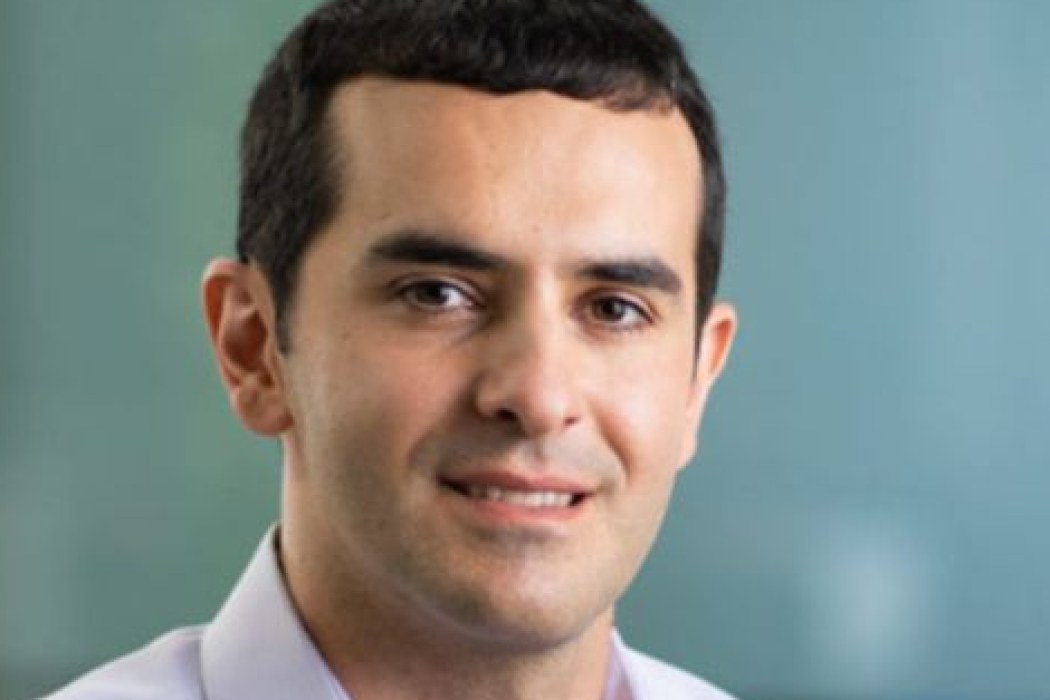
Sasan Amini
Sasan Amini is the co-founder and CEO of Clear Labs, a San Carlos genomics company that turns next-generation DNA sequencing into a push-button diagnostic for food safety and infectious disease. An Iranian immigrant who left Tehran at 22, he earned a PhD in genomics at Princeton, worked in advanced research at Illumina, and in 2014 set out to make sequencing simple enough for any lab to run. When COVID-19 hit, Clear Labs pivoted its automated platform into SARS-CoV-2 surveillance and reached more than half of U.S. public health labs.

Shidong Jia
Shidong Jia, MD, PhD, is the founder and global CEO of Predicine, a Silicon Valley precision-oncology company building multi-omic liquid biopsy tests that read cancer from blood and urine. Trained as a physician-scientist at Harbin Medical University, Peking Union Medical College, Dana-Farber and Harvard, he ran oncology biomarker strategy at Genentech before leaving to start Predicine in 2015. His pitch is simple: precision diagnostics to enable precision medicine, built 'From Pharma, For Pharma.'

Virtue Diagnostics
Virtue Diagnostics is a platform-based in vitro diagnostics (IVD) company headquartered in Singapore, with manufacturing in Suzhou, China and clinical operations in Beijing. Founded in 2019, it develops affordable diagnostic instruments and reagents across chemiluminescence, clinical chemistry, hematology, clinical mass spectrometry, multiplex immunohistochemistry (mIHC) and molecular diagnostics, aiming to serve patients through every stage of disease - from early screening and diagnosis to treatment monitoring and minimal residual disease management. Its strategy centers on localized innovation and expansion in emerging markets including China, Singapore, Brazil, Indonesia and the Philippines. The company closed a US$100 million Series B round in January 2022 led by Sequoia China and Morningside Ventures.
Indi Molecular
Indi Molecular is a Culver City, California biotech developing a synthetic alternative to antibodies called Protein Catalyzed Capture (PCC) agents - small, stable cyclic peptides built with click chemistry that bind protein targets with antibody-like specificity while behaving like small-molecule drugs. Spun out of Caltech chemist James Heath's lab in 2013, the company applies its platform to targeted oncology therapeutics and PET imaging agents, aiming to reach targets long considered undruggable, including KRAS G12D pancreatic cancer and ovarian cancer.
Pearl Diagnostics, Inc.
Pearl Diagnostics is a Baltimore-based in vitro diagnostics company spun out of Johns Hopkins University that develops non-invasive urine tests to detect life-threatening lung infections. Its proprietary Smart Antibody technology identifies circulating microbial extracellular vesicles, and its lead product, the MycoMEIA Aspergillus Assay, became the first urine-based test to win FDA 510(k) clearance for aiding diagnosis of invasive aspergillosis. The company raised an $11.2M Series A in March 2026 to commercialize in the US and expand across Europe.

Apostle Inc
Apostle Inc is a Pleasanton, California biotechnology company that develops nucleic acid isolation and preservation technologies for liquid biopsy. Its flagship magnetic-nanoparticle kit, Apostle MiniMax, extracts circulating cell-free DNA and RNA from blood for applications in early cancer detection, non-invasive prenatal testing, infectious disease research, and even astronaut biospecimen collection in commercial spaceflight. Founded in 2018 out of the Stanford StartX accelerator, the company sells reagents, automation instruments, and CLIA/CAP lab services to researchers and diagnostics developers worldwide.

Aqtual, Inc.
Aqtual, Inc. is a Hayward, California precision medicine company that reads epigenetics, gene regulation and transcriptomics from a single blood draw. Its proprietary active-chromatin cell-free DNA (cfDNA) platform captures circulating chromatin to survey hundreds of thousands of regulatory sites, integrating DNA, epigenetic regulation and protein-DNA binding in one blood-based assay. The company is first commercializing a test that predicts which therapy will work for rheumatoid arthritis patients, with a broader pipeline spanning oncology, immunology, cardiovascular, metabolic and neurological disease. Aqtual has raised roughly $47M to date, including a $31M Series B in July 2025.

ARNA Genomics US Inc.
ARNA Genomics US Inc. is a San Francisco-based biotechnology company developing multiomics liquid-biopsy technology for early cancer detection. Its lead assay, ARNA Breast, analyzes cell-free DNA and plasma enzyme activity from a routine blood draw to flag early-stage breast cancer, with proof-of-concept studies reporting sensitivity above 90%. Founded in 2013 and led by CEO Egor Melnikov, the company raised a $3.5M Series A in 2020 to fund clinical validation.
Clear Labs
Clear Labs is a San Carlos, California genomics company that builds Clear Dx, a fully automated next-generation sequencing platform. It turns whole genome sequencing - normally a slow, expert-heavy lab process - into a push-button diagnostic used by food manufacturers and public health labs to detect pathogens like Salmonella and Listeria, characterize SARS-CoV-2 and TB, and identify bacteria and fungi from clinical specimens, often with next-day results.

Harae Dx Corp.
Harae Dx Corp. is a Pleasanton, California medical device startup building what it calls the world's smallest portable, automated system for early cancer detection. Founded in 2021 by serial medtech entrepreneur Sanjeev Saxena, the company pairs a proprietary lab-on-a-disc centrifugal microfluidic platform with a biomarker panel exclusively licensed from Lawrence Livermore National Laboratory to deliver a non-invasive early breast cancer test that returns results in roughly 30 minutes - without shipping samples to a third-party lab. Backed by SOSV/HAX and Fusion Fund, Harae Dx aims to make low-cost cancer screening portable enough to run at the point of care.
Kryptos Biotechnologies, Inc.
Kryptos Biotechnologies is a Hayward, California life-sciences startup that reinvented the PCR machine around light. Its proprietary photothermal heating uses an optical thin film to convert light into precisely controlled heat, driving an Ultrafast Photonic PCR engine that runs 40 thermal-cycles in under 10 minutes. That engine powers Kuick, a sample-to-answer molecular diagnostics system that delivers lab-grade infectious-disease results at the point of care in roughly 20 minutes. Founded in 2017 and backed by a $10M Series A led by Osang Healthcare, Kryptos is pushing toward U.S. clinical trials and FDA clearance.

Predicine
Predicine is a molecular insights company advancing precision oncology through non-invasive, multi-omic liquid biopsy. Founded in 2015 by former Genentech scientist Shidong Jia, the company builds NGS-based assays that read cell-free DNA and RNA from blood and urine to detect cancer mutations, track minimal residual disease, and match patients to targeted therapies. Its flagship PredicineCARE urine cfDNA assay holds FDA Breakthrough Device Designation and is in premarket approval as a companion diagnostic in bladder cancer, developed in collaboration with Johnson & Johnson's Janssen.

Algorithmic Biologics
Algorithmic Biologics is a Bengaluru- and Delaware-based deep-tech company that treats molecular testing as an information-processing problem. Founded by molecular-computing researcher Dr. Manoj Gopalkrishnan, its patented Tapestry platform uses compressed sensing and combinatorial pooling to run large-scale DNA/RNA/protein tests with far fewer reactions - screening many samples at once and only zooming in where a signal exists. The approach first proved itself as an award-winning, regulator-approved COVID-19 pooling solution and now targets affordable genomics, multiplexed diagnostics, and accelerated assay design.