targeted-therapy
(28)
BeOne Medicines built the machinery behind the medicine
A blood-cancer drug made BeOne a global business. Its bigger wager is that owning more of the journey from laboratory to patient can change the economics of cancer care.
Incyte: One molecule. Two worlds.
A blood-disorder pill and a skin cream share an active ingredient. Inside Incyte, that unlikely pairing explains both the business and the hard limits of a good scientific idea.
PRUNUS Therapeutics Is Betting the Company on the Moment Cancer Lets Go
Most cancer drugs chase a mutation, receptor or pathway. This tiny Chicago biotech is chasing a moment - when a metastatic cell leaves home and reveals a weakness.

Albert Luderer
He spent thirty years turning lab science into products doctors actually use. Now he is betting that a synthetic peptide can beat the antibody at its own game.

Steven Everett
Steven Everett is a biotechnology executive and cancer scientist who founded MaveriX Oncology in Palo Alto, California, where he serves as President and CEO. With a background rooted in more than two decades of cancer research at the University of Oxford, University of Dundee and UCSF, he has built his career around a single idea: making cancer drugs that switch on only inside tumors. At MaveriX he is developing conditionally activated small-molecule therapeutics that exploit hydroxylase biology in the tumor immune microenvironment, aiming to hit cancer hard while sparing healthy tissue.
Indi Molecular
Indi Molecular is a Culver City, California biotech developing a synthetic alternative to antibodies called Protein Catalyzed Capture (PCC) agents - small, stable cyclic peptides built with click chemistry that bind protein targets with antibody-like specificity while behaving like small-molecule drugs. Spun out of Caltech chemist James Heath's lab in 2013, the company applies its platform to targeted oncology therapeutics and PET imaging agents, aiming to reach targets long considered undruggable, including KRAS G12D pancreatic cancer and ovarian cancer.
K36 Therapeutics, Inc.
K36 Therapeutics is a Cambridge, Massachusetts clinical-stage biotech developing first-in-class oral small-molecule inhibitors of NSD2/MMSET, an epigenetic enzyme that drives hard-to-treat cancers. Its lead candidate, gintemetostat (KTX-1001), is in Phase 1 for relapsed/refractory multiple myeloma carrying the t(4;14) translocation, and a second program, KTX-2001, targets metastatic castration-resistant prostate cancer. Backed by Atlas Venture, F-Prime Capital, Eight Roads Ventures, Nextech Invest and Bristol Myers Squibb, K36 has raised roughly $100M+ to translate chromatin biology into precision cancer medicines.
PIC Therapeutics
PIC Therapeutics is a Natick, Massachusetts biotechnology company developing small-molecule precision medicines that target cancer at the level of protein translation. Rather than chasing individual oncogenes one at a time, PIC modulates the Pre-Initiation Complex (PIC) and the translation factor eIF4E - a convergence point for many oncogenic signaling pathways - to selectively shut down the production of cancer-driving proteins while sparing healthy cells. Founded on the research of Harvard structural biologist Gerhard Wagner and led by CEO Katherine Bowdish, the company is advancing an allosteric eIF4E modulator toward first-in-human studies in drug-resistant metastatic breast cancer, backed by a $35M Series A led by OrbiMed.
Scorpion Therapeutics
Scorpion Therapeutics was a Boston-based, clinical-stage precision oncology company built to advance what it called "Precision Oncology 2.0" - pairing cancer biology, computational chemistry, medicinal chemistry and genomics to design small-molecule drugs against cancer targets that had resisted earlier approaches. Founded in 2020 by a group of prominent scientists and biotech operators, it raised more than $440 million and built a pipeline of mutant-selective inhibitors, most notably the PI3K-alpha inhibitor STX-478 and a franchise of fourth-generation EGFR inhibitors. In January 2025 Eli Lilly agreed to acquire the company and its PI3K-alpha program in a deal worth up to $2.5 billion, while Scorpion's remaining pipeline and staff were spun into a new independent company, Antares Therapeutics.

CytomX Therapeutics
CytomX Therapeutics is a clinical-stage, oncology-focused biopharmaceutical company in South San Francisco that engineers conditionally activated antibody therapeutics through its proprietary PROBODY platform. By masking a drug's binding site and unmasking it only in the tumor microenvironment - where specific proteases cut a cleavable linker - CytomX aims to hit cancer targets that are otherwise too toxic to drug, widening the therapeutic window for antibody-drug conjugates, T-cell engagers and cytokines. Its wholly owned pipeline is led by CX-2051, an EpCAM-targeting PROBODY ADC for metastatic colorectal cancer, alongside masked interferon CX-801 and T-cell engager CX-904, and it partners its technology with Amgen, Astellas, Bristol Myers Squibb, Moderna and Regeneron.

DermBiont, Inc.
DermBiont is a Boston-based, clinical-stage biotechnology company developing first-in-class targeted topical therapeutics that treat the root cause of common skin diseases. Its lead programs are SM-020, a topical AKT kinase inhibitor for seborrheic keratoses, and SM-030, a topical PKC-beta inhibitor for melasma and other hyperpigmentation disorders, with earlier-stage work aimed at basal cell carcinoma and Gorlin syndrome. Founded in 2017 by dermatology-drug veteran Karl Beutner, the company has raised roughly $79M-plus across multiple rounds, including a $35.2M Series B led by Double Point Ventures in 2023.
Kivu Bioscience
Kivu Bioscience is a clinical-stage biotechnology company in San Mateo, California, building next-generation antibody-drug conjugates (ADCs) for solid tumors. Founded by BioGeneration Ventures and led by ADC veteran Mohit Trikha, the company licenses Synaffix's GlycoConnect and HydraSpace site-specific conjugation technology to engineer more homogeneous, stable ADCs that aim to widen the therapeutic window - hitting tumors harder while sparing healthy tissue. Backed by a $92 million Series A led by Novo Holdings, Kivu has moved its lead candidates KIVU-107 (PTK7) and KIVU-305 (CEACAM5) into Phase 1 clinical trials.

MBrace Therapeutics
MBrace Therapeutics is a clinical-stage oncology company building antibody-drug conjugates (ADCs) against hard-to-drug cancer targets. Its proprietary SPARTA platform screens antibodies directly inside living tumors to surface antigens that are cancer-specific, accessible, and internalizing - the traits an ADC needs to deliver its toxic payload where it counts. Founded in 2020 and headquartered in San Diego, the company raised an $85M Series B in 2023 (led by TPG) to advance a pipeline led by MBRC-101, a first-in-class ADC targeting the EphA5 receptor now in Phase 1/2 clinical trials.
Vivace Therapeutics, Inc.
Vivace Therapeutics is a San Mateo, California oncology company turning novel Hippo-YAP pathway biology into first-in-class cancer drugs. Its lead small molecule, VT3989, is a first-in-class YAP/TEAD inhibitor that blocks TEAD auto-palmitoylation and has shown durable responses in treatment-resistant mesothelioma and NF2-mutant tumors. Built on a capital-efficient US-China 'virtual biotech' model, the company has raised roughly $105 million across four rounds and is preparing a registrational Phase 3 trial.

Myris Therapeutics
Myris Therapeutics is a Pittsburgh-based precision oncology company building the next generation of antibody drug conjugates (ADCs). Formerly BioHybrid Solutions, Myris uses proprietary polymer chemistry rooted in Carnegie Mellon's ATRP (atom transfer radical polymerization) technology to grow polymer bottlebrushes on antibodies, achieving ultra-high drug-to-antibody ratios (DAR) of 50-300 - roughly 10 to 100 times higher than conventional ADCs. That capability opens up new chemical space for cancer payloads that were previously unusable, aiming to deliver more potent, precisely targeted therapies.

Joel Barrish
Joel Barrish is the President and CEO of Avilar Therapeutics, a Waltham, Massachusetts-based biotechnology company pioneering extracellular protein degradation. A medicinal chemist by training with a Ph.D. from Columbia University, Barrish spent 28 years at Bristol Myers Squibb rising to VP and Global Head of Discovery Chemistry, co-inventing blockbuster drugs including SPRYCEL (dasatinib) for leukemia. After stints as CSO at Achillion Pharmaceuticals and co-founder/President at Jnana Therapeutics, he founded Avilar in 2019 to build the ATAC and MTAC platforms - bifunctional molecules that hijack the body's own cellular recycling machinery to degrade disease-causing proteins outside the cell, a class of targets previously undruggable. Avilar has raised $75 million in total seed financing.

Alterome Therapeutics, Inc
Alterome Therapeutics is a San Diego-based clinical-stage biopharmaceutical company building next-generation small molecule cancer drugs aimed at specific oncogenic mutations. Using its Kraken platform - a structure-guided, machine-learning approach to drug design - Alterome has advanced two precision oncology programs into the clinic: ALTA2618, an AKT1 E17K mutation-selective inhibitor, and ALTA3263, a KRAS-selective inhibitor covering roughly 90% of KRAS mutations including G12V and G12D.

Olema Oncology
Olema Oncology is a clinical-stage biopharmaceutical company based in San Francisco that develops targeted small-molecule therapies for ER+/HER2- metastatic breast cancer and other women's cancers. Its lead candidate, palazestrant (OP-1250), is an oral complete estrogen receptor antagonist and selective ER degrader now in two Phase 3 trials, while a second program, OP-3136, is a KAT6 inhibitor in Phase 1. Olema's bet is that better-designed oral endocrine therapy can overcome the resistance that limits today's standard of care.
858 Therapeutics
858 Therapeutics is a clinical-stage biotechnology company in San Diego building small-molecule cancer drugs aimed at novel targets in DNA damage response, RNA modulation, and innate immunity. Its lead candidate, the oral PARG inhibitor ETX-19477, is in a first-in-human Phase 1/2 trial for advanced solid tumors and has won FDA Fast Track designation for BRCA-mutated, platinum-resistant ovarian cancer. Founded in 2019 by a serial team of San Diego drug developers, the company has raised $110 million across Series A and B financings.
BlossomHill Therapeutics, Inc.
BlossomHill Therapeutics is a San Diego clinical-stage biopharmaceutical company designing small-molecule precision medicines for cancer and autoimmune disease. Founded in 2020 by drug designer J. Jean Cui and biotech veteran Y. Peter Li - the team behind Turning Point Therapeutics (acquired by Bristol Myers Squibb in 2022) - the company is advancing a wholly-owned pipeline led by BH-30643, a first-in-class macrocyclic OMNI-EGFR inhibitor for EGFR-mutant non-small cell lung cancer, and BH-30236, a CLK inhibitor targeting aberrant RNA splicing in AML and high-risk MDS.

Bonum Therapeutics
Bonum Therapeutics is a Seattle biotechnology company building conditionally active biologics - drugs that switch on only where they are needed and switch off everywhere else. Spun out of Good Therapeutics after Roche's $250M acquisition in 2022, Bonum kept the platform blueprint and its founding team, then raised a $93M Series A to extend the approach. Its patented dual-binding antibody (DBA) technology uses a single domain that binds either an effector cytokine or a marker protein, but only one at a time, creating fully reversible medicines aimed at cancer, autoimmunity, metabolic disease and pain.

Circle Pharma, Inc.
Circle Pharma is a South San Francisco biotechnology company building intrinsically cell-permeable, orally available macrocycle therapeutics to hit cancer targets long considered undruggable. Spun out of UCSF and UC Santa Cruz in 2012, it pairs structure-based design, AI/ML, physics-based simulation, and advanced synthetic chemistry in its proprietary MXMO platform. Its lead program, CID-078, is a first-in-class oral cyclin A/B RxL inhibitor now in a Phase 1 trial for advanced solid tumors. The company has raised more than $200 million in total funding, including a $90 million Series D in 2024.
Delphia Therapeutics
Delphia Therapeutics is a Cambridge, Massachusetts biotech pioneering a new field of cancer biology it calls activation lethality - the idea that cancer cells with oncogenic mutations live dangerously close to the upper limit of how much pathway activity they can tolerate, and can be pushed past it. Rather than blocking cancer signals like most drugs, Delphia designs targeted activators that overload cancer's stress pathways until the cell dies, aiming for durable benefit and a way around drug resistance. Founded in 2024 by Kevin Marks, Bill Sellers and Mike Dillon, it launched with a $67 million Series A led by GV, Nextech Invest, Polaris Innovation Fund and Alexandria Venture Investments.

Fore Biotherapeutics
Fore Biotherapeutics is a Philadelphia-based, registration-stage precision oncology company developing targeted therapies for patients with hard-to-treat cancers. Its lead candidate, plixorafenib, is a next-generation BRAF inhibitor (a 'dimer breaker') aimed at BRAF-altered solid tumors, including BRAF V600E-mutated high-grade glioma, for which it received FDA Breakthrough Therapy Designation in 2026. Spun out of the Israeli functional-genomics company NovellusDx, Fore has raised more than $200M to push plixorafenib toward an accelerated FDA approval pathway.

MaveriX Oncology, Inc.
MaveriX Oncology is a Palo Alto biotech developing conditionally activated small molecule drug conjugates (CA-SMDCs) that exploit tumor-associated hydroxylase biology to deliver cytotoxic and immunomodulatory payloads selectively to solid tumors. Its IMPACT-2X platform aims to widen the therapeutic window of chemotherapy and immunotherapy, killing cancer cells while turning 'cold' immunosuppressive tumors 'hot.' Founded by veteran oncology drug developers and backed by PPF Group and SOTIO, the company's lead program is MVX-5005.
One Health Company (FidoCure)
One Health Company, known to vets and pet parents as FidoCure, brings human-grade precision oncology to dogs. It sequences canine tumors, pinpoints cancer-driving mutations, and uses an AI engine (Fetch) trained on the world's largest structured canine cancer dataset to recommend targeted, FDA-approved therapies. Because dog and human cancers share genetics, the company is also building a comparative-oncology data asset that could accelerate cancer drug development for both species.
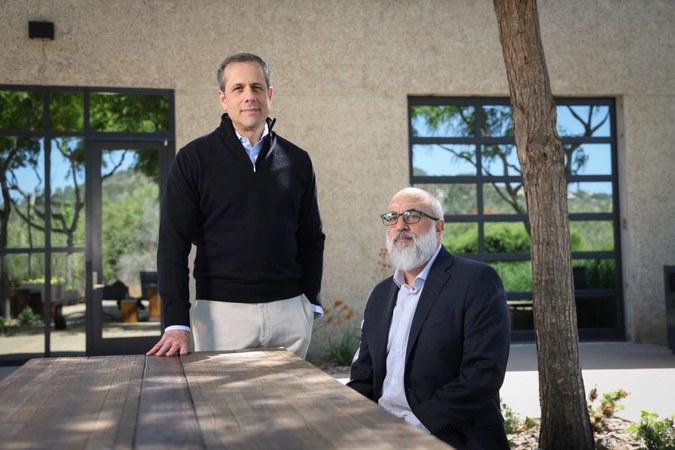
Josh Bilenker
Josh Bilenker is the CEO and co-founder of Treeline Biosciences, a Watertown, Massachusetts biotech building precision oncology medicines. A physician by training who once reviewed cancer drugs at the FDA, he founded Loxo Oncology in 2013 and took a tumor-agnostic, genomics-first approach he likened to 'moneyball' target selection. Loxo produced three FDA-approved medicines and was bought by Eli Lilly for roughly $8 billion in 2019. In 2021 he started Treeline with former Novartis research head Jeff Engelman, and in 2026 the company agreed to merge with Standard BioTools to go public as 'Treeline Biosciences' (Nasdaq: TRLN).
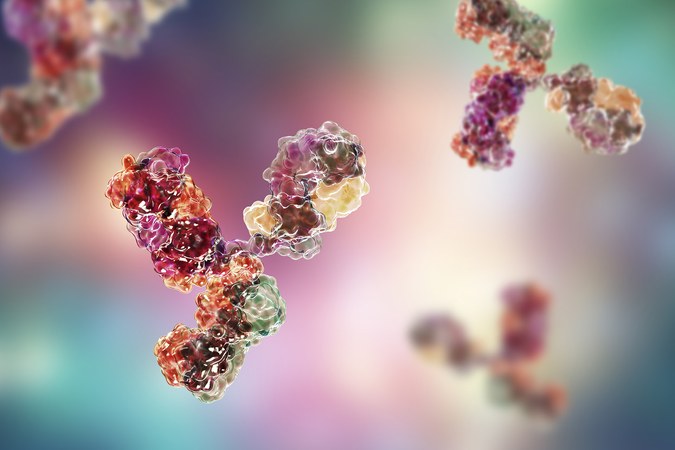
TORL BioTherapeutics LLC
TORL BioTherapeutics is a clinical-stage biopharmaceutical company in Culver City, California developing antibody-based cancer therapies, including antibody-drug conjugates (ADCs) and monoclonal antibodies. Built on discoveries from the UCLA laboratory of Dennis Slamon - the scientist behind Herceptin and Ibrance - TORL is advancing a pipeline against novel cancer targets such as Claudin 6, Claudin 18.2, CDH17, and DLK1. Its lead program, TORL-1-23 (ixotatug vedotin), a CLDN6-targeted ADC, is in pivotal trials for platinum-resistant ovarian cancer. The company has raised over $450 million across multiple rounds, including a $96 million Series C in October 2025.