energy-storage
(105)
The Solar Lobby That Learned to Sell Sunlight as Infrastructure
SEIA does not make panels or sell electricity. It makes a scattered industry act like one - with lobbying, data, standards, and a very Washington belief that the right spreadsheet can become a constituency.

Darren Van’t Hof Learned Solar Through the Ledger - Now He Has to Win the Argument
After two decades financing the energy transition and 15 years inside SEIA’s boardroom, Darren Van’t Hof has crossed from underwriting solar’s growth to defending its place in America’s power supply.
Innovestor puts venture capital on the roof
The Finnish investment manager connects startup funding, commercial property and battery storage. Its wager: owning more of the route from invention to everyday use can make each investment more useful.
Outpost Ventures Wants Uncle Sam on the Cap Table’s Side
The Alexandria investor backs technology with two potential buyers: business and government. Its bet is that public funding can help private capital carry expensive inventions further.
GoodLeap Put a Loan Desk in the Solar Salesman’s Pocket - Now It Wants the Whole House
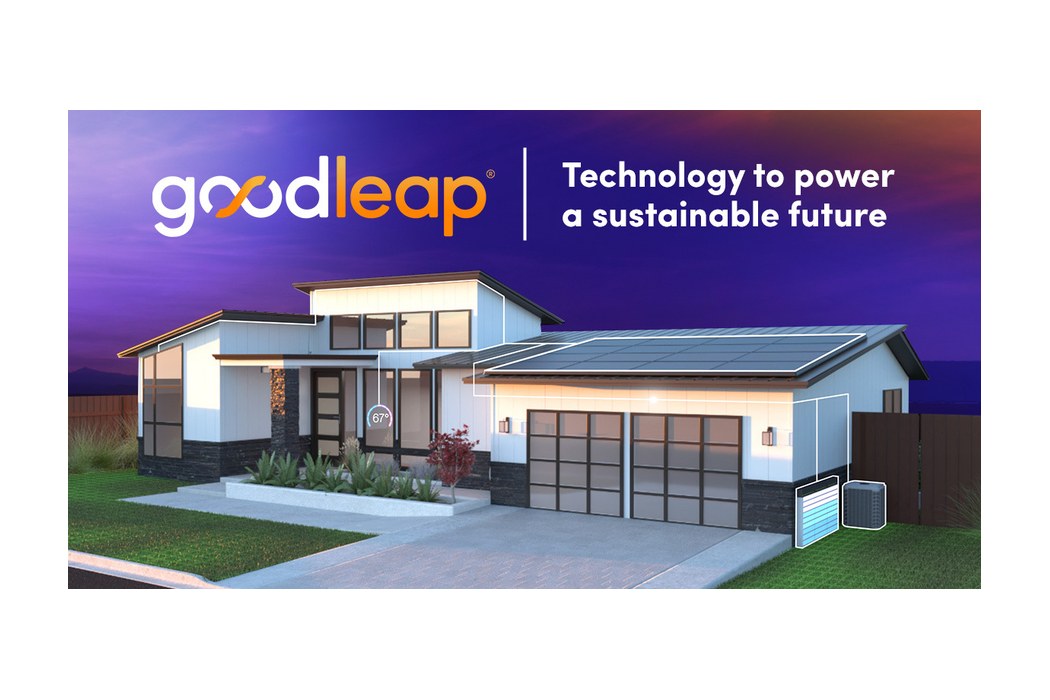
GoodLeap turned a five-minute financing decision into a clean-energy growth engine. The bet now is bigger - that the same software connecting a contractor, a homeowner and Wall Street can also connect millions of houses to the electric grid.
The 70-Day Hardware Sprint: Motivo Built a Company for the Projects Everyone Else Calls Impossible
Motivo puts mechanical engineers, coders and fabricators under one roof, then hands them the sort of brief that makes a normal vendor ask for another quarter. Its real product is not a robot, tractor or aircraft part - it is a faster way to make hard technology real.

The Tiny Box That Lets Solar Installers Refuse the Walled Garden
Tigo Energy spent nearly two decades making a small, unglamorous box beneath the solar panel unusually consequential. Its wager: installers will pay for safety and intelligence without surrendering the freedom to mix brands.
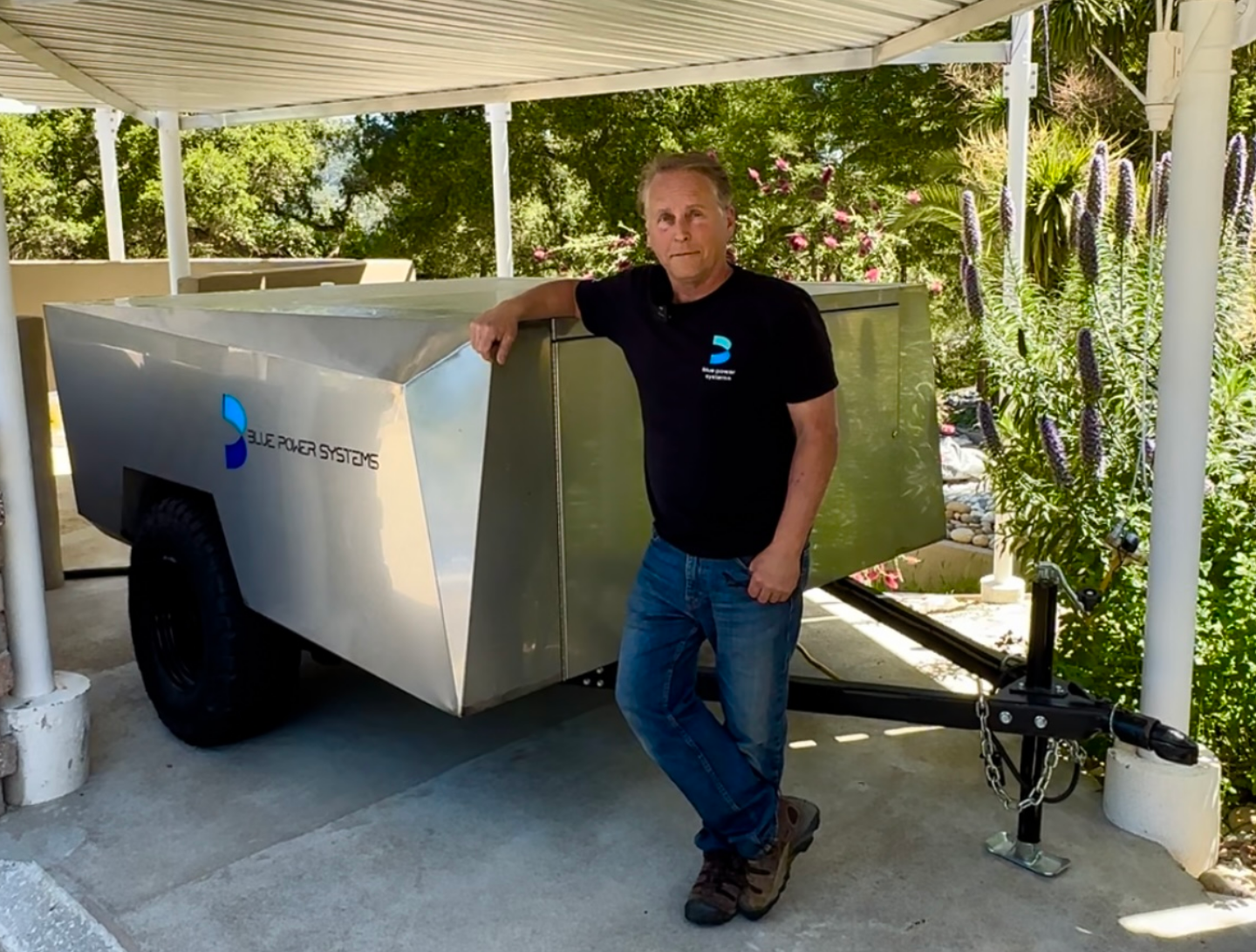
Ray Caamano's Long Bet: Make the Grid Optional
A high-school dropout taught himself electromagnetics, helped rethink the electric drivetrain, and spent decades learning one stubborn lesson: reliable power is a systems problem.

Michael Baker Is Teaching Batteries to Wait for the Right Five Minutes
A grid battery can make a fifth of its annual revenue in a single five-minute interval. Michael Baker built Tyba around the quiet, difficult art of being ready when that interval arrives.

Rajan Kumar Put the Battery Factory on a Diet
A stretchable battery started the company. A stubborn factory bottleneck changed its course. Now Rajan Kumar is betting that better batteries begin with a faster, cleaner way to make the part inside.

The Battery’s Hardest Job Is Leaving the Lab
For three decades, Yutaka Wakai has worked where promising materials meet unforgiving machinery. His years at Blue Current put him at the quiet hinge of the battery business: turning a silicon-rich, fully dry chemistry into something a factory can repeat.

Paul Gaynor Built a Renewable-Energy Career for the Years After the Ribbon Cutting
The Longroad Energy co-founder has spent four decades learning that a power project is not a product launch. It is a promise measured in permits, financing, megawatts and years.

Matthew Irvin Is Teaching the Grid to Use Time
The Maplewell Energy co-founder spent his career around power plants and utility constraints. Now he is betting that smarter timing - from refrigerated drinks to distributed batteries - can make the electric system more flexible.

Deep Chakraborty Is Building Memory for the Rooftop
He arrived in America with one suitcase, a sitar and a ticket he still keeps. Decades later, Deep Chakraborty is trying to give every solar roof something the industry has often misplaced: a continuous memory from first sketch to long-term performance.

Jim Murphy Built for the Grid's Long Game
After 25 years beside founder Michael Polsky, Invenergy's finance-minded co-founder has taken the CEO seat. His operating idea is simple: relationships compound, execution matters, and the power grid cannot run on slogans.
Invenergy’s 38-Gigawatt Trick: Build the Power Plant, the Contract, and the Patience
The Chicago power builder became North America’s largest privately held independent producer by treating energy as a full-stack business. Its advantage is execution across decades - and its latest pivots show exactly where that model bends.
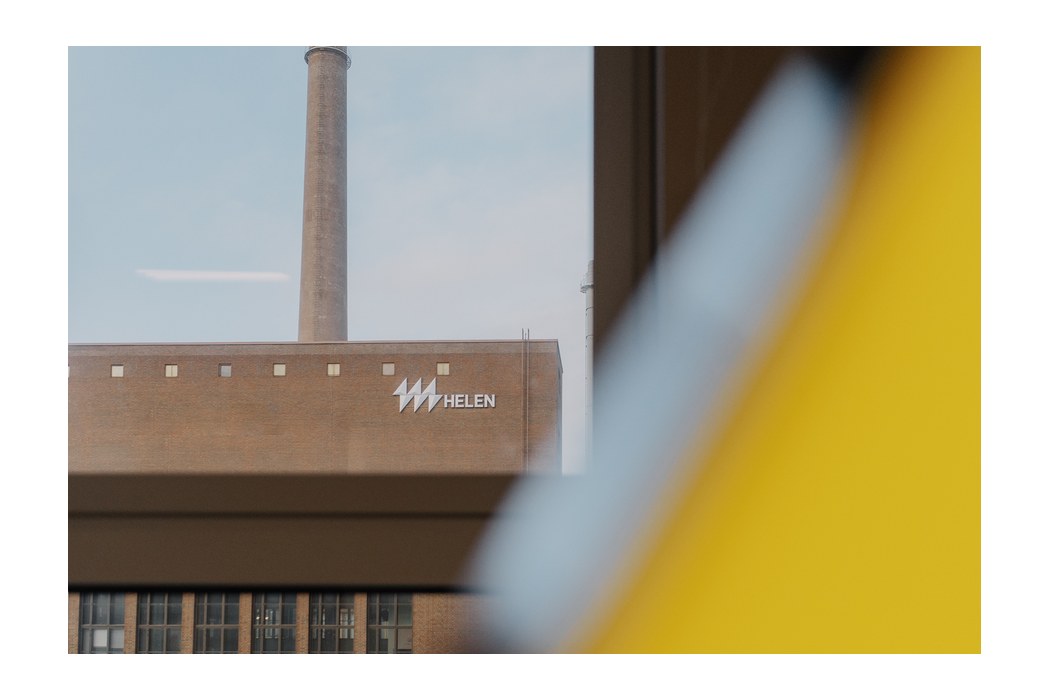
Helsinki Killed Coal Without Freezing: Helen's Blueprint for Rebuilding a City While It Runs
A century-old municipal utility retired its last coal plant, cut direct emissions 56% in a year and survived the next hard winter with heat reliability above 99.9%. The useful idea is not one miracle machine - it is a network designed to swallow whatever clean heat source works next.
Enact Solar Wants to Be the Operating System for Every Rooftop - From First Sketch to First Fault
Solar installers still lose hours to tool-switching, proposal rework and disconnected monitoring. Enact is stitching design, engineering, financing and long-term asset care into one record - and its PVComplete acquisition makes the wager much more interesting.

The Henderson Company Betting Your Roof, Your Locks and Your Light Switch Belong on One App
Solar panels, door cameras, thermostats and monitored alarms - most homeowners buy them from four different companies. LivSmart's pitch is that they should have bought them from one.
The DJI Battery Guys Who Turned a $12M Kickstarter Into a Home Energy Company
A team of ex-DJI battery engineers used Kickstarter as a factory floor, turned camping gear into home power, and built a billion-dollar clean-energy company one power outage at a time.
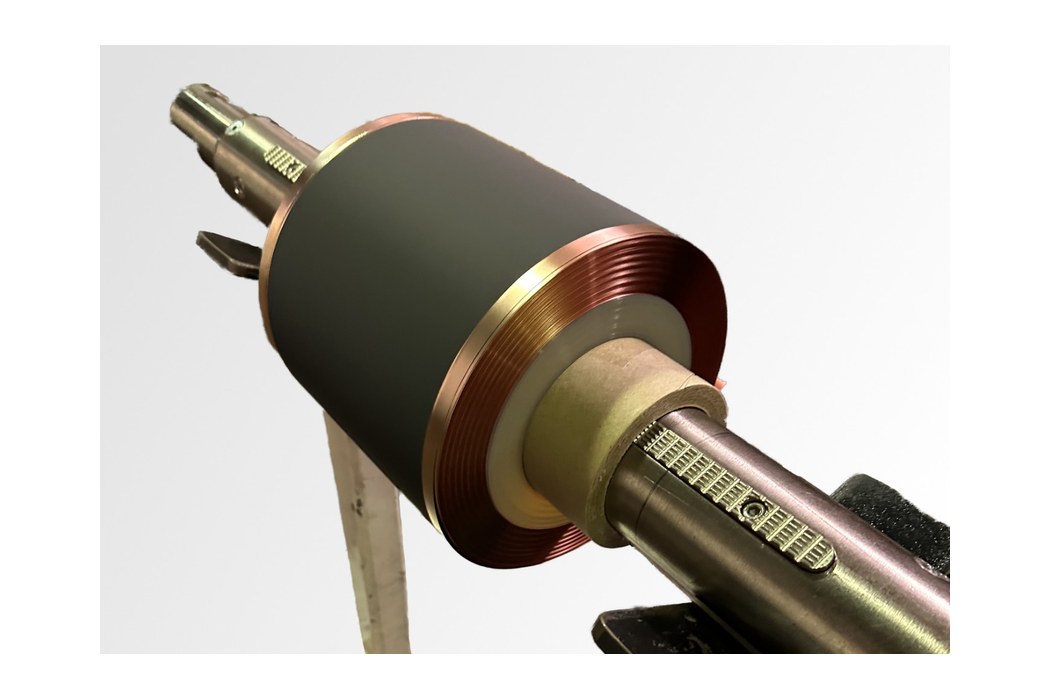
The Battery Startup Betting That the Next Breakthrough Isn't Chemistry - It's the Coating Machine
Ateios ripped the solvents and forever chemicals out of battery-making and replaced the oven with a flash of light. The result coats three times faster - and Kodak, a Nobel laureate, and a Fortune 100 electronics giant have all shown up to look.

Arnold Leitner Has Been Redesigning Power Since He Was 19
A teenage passive-house project became a 35-year argument with the electric grid. Now the physicist behind SkyFuel and Leitnium is betting that homes should make, store, and command their own power.
The Solar Investor Turning Small Power Plants Into Big Infrastructure
True Green Capital built its business in the awkward middle of renewable energy: projects too small for utility-scale giants, yet too capital-intensive for many developers. Its answer is to assemble, operate and eventually sell them at institutional scale.

The Power Plants Nobody Wants - Until the Grid Needs Them
Rockland Capital built a private equity strategy around the awkward middle of the energy transition: keeping the grid reliable while cleaner power scales. Its edge is not a new technology, but an operator's appetite for complicated assets.

The VC That Shows Up With Wrenches
Most venture firms write a check and offer advice. FP Solutions writes the check, then sends mechanical engineers, supply-chain specialists, and factory-builders to help startups actually make things - rockets, batteries, building materials, and semiconductor wafers grown in orbit.

The Firm That Publishes Its Homework
Cathie Wood built ARK Invest on a heresy in money management: tell everyone what you are buying, why, and when - then let them watch.

The Company Betting America's Grid on a Reactor It Once Switched Off
It runs the largest nuclear fleet in the country, sells power to three-quarters of the Fortune 100, and just agreed to bring a piece of Three Mile Island back online for Microsoft. Inside the utility quietly rewiring how America pays for clean power.

John Ahlman Wants the Solar App to Be the Thing You Show Your Neighbors
SolarEdge's North America marketing chief has a practical theory of the energy transition: make the hardware work together, make the data legible, and give a happy homeowner something worth showing at the kitchen table.

Generac
How a generator built in a Wisconsin barn became the machine millions of Americans buy the week after the power goes out - and why Generac now wants a say in the grid itself.
SolarEdge Technologies
The Israeli company that made every solar panel report for duty individually - and then had to fight its way back from a near-death inventory crisis.