The DJI Battery Guys Who Turned a $12M Kickstarter Into a Home Energy Company
A team of ex-DJI battery engineers used Kickstarter as a factory floor, turned camping gear into home power, and built a billion-dollar clean-energy company one power outage at a time.
In 2017, a small group of engineers walked out of DJI - the company that put a camera-drone in every hobbyist's hands - and asked a question that had nothing to do with flying. If you can double a drone's battery life in three years, why can't you keep the lights on in a house? That question became EcoFlow, a Shenzhen company that spent the next eight years quietly climbing from camping gadgets to the electrical panel on the side of your home.
The short version: EcoFlow makes batteries you can plug things into. The long version is more interesting, because the way they built it - using crowdfunding not as charity but as a factory floor - is a playbook other hardware founders keep trying to copy.
01 / What They Actually DoA battery company that sells reassurance
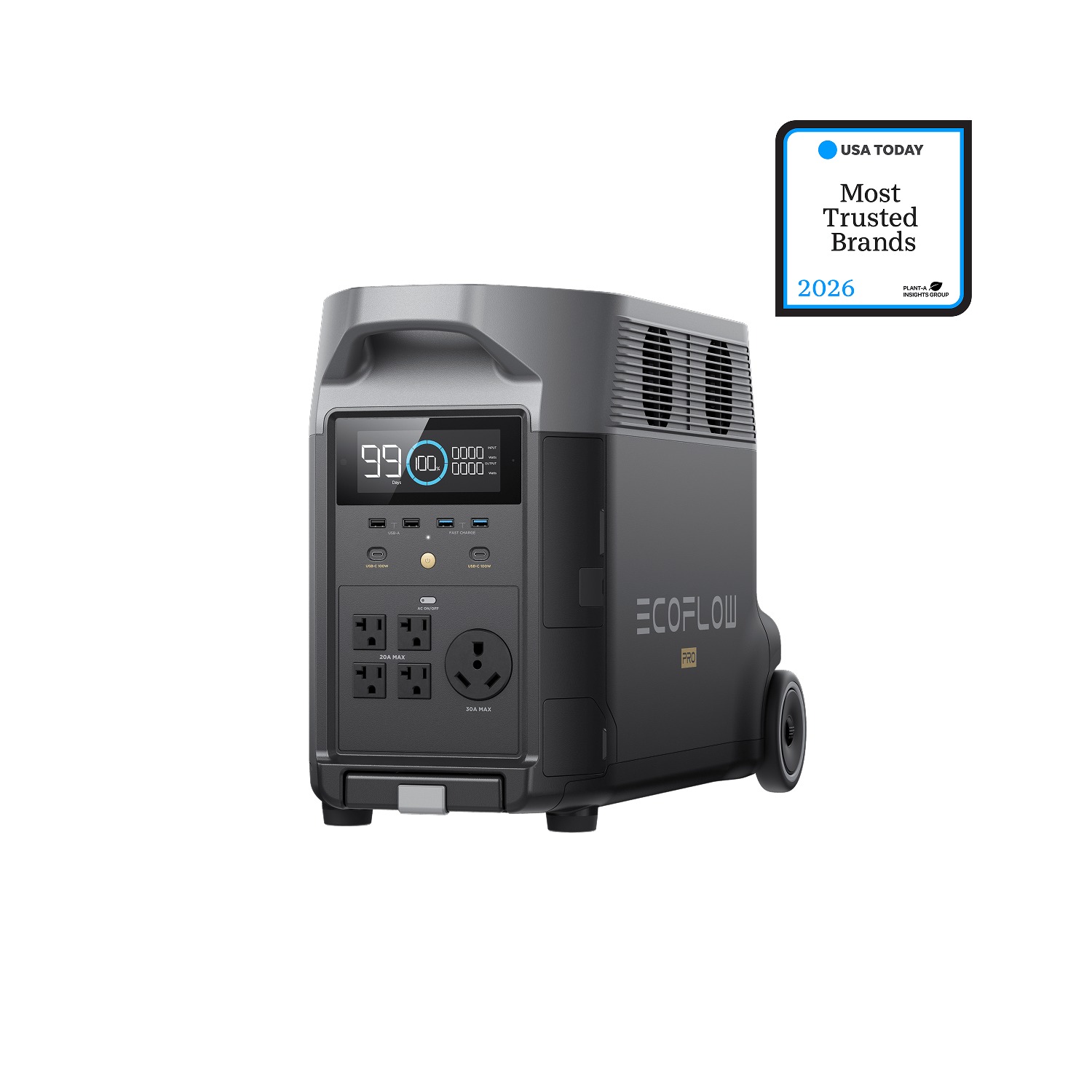
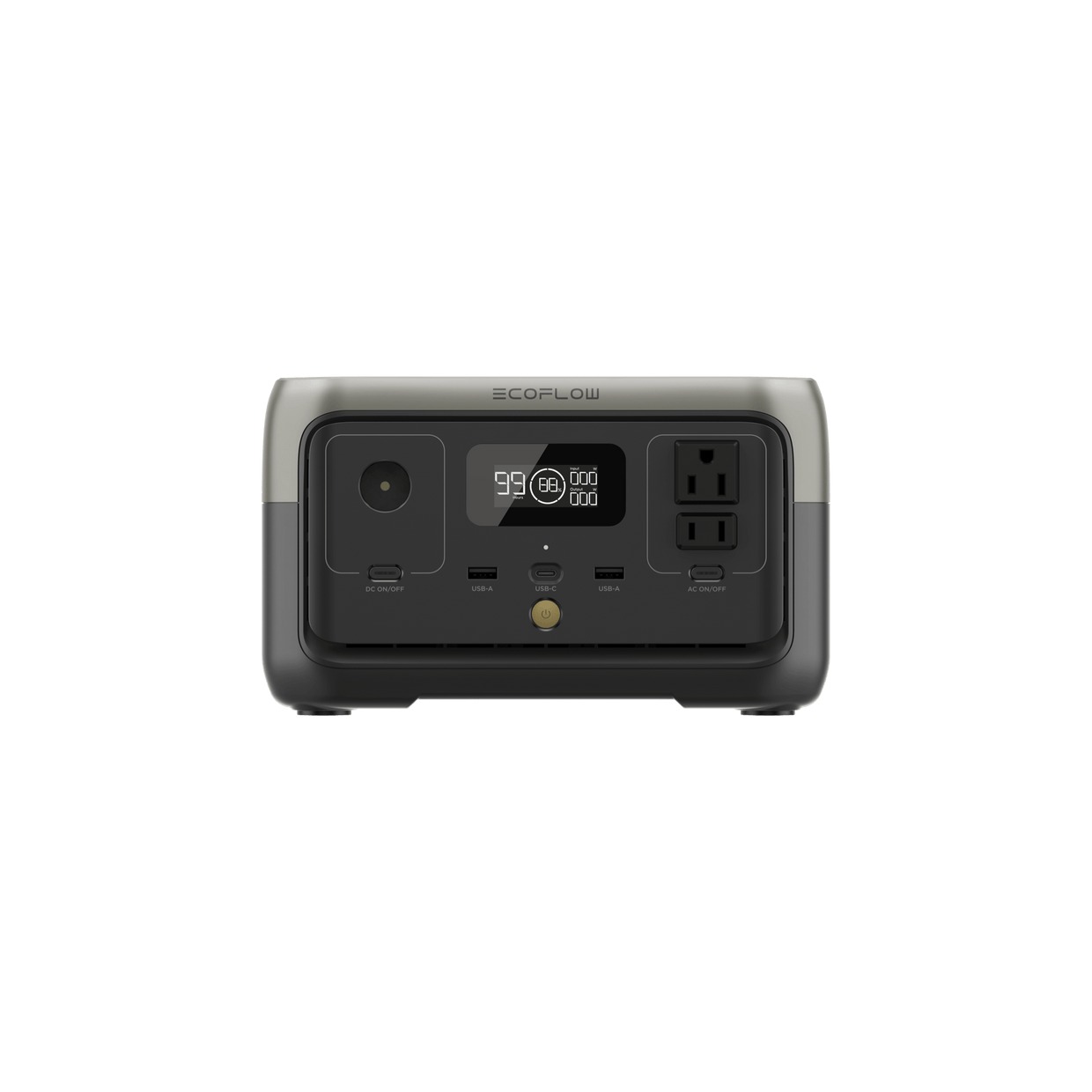
At the center of EcoFlow's catalog is the portable power station - a chunky lithium box with a screen, a handful of wall outlets, USB ports, and a car socket. You charge it from the wall, a car, or a solar panel, and then it powers your stuff: a phone, a fridge, a CPAP machine, a space heater, or in the big models, most of a house for a couple of days. The entry-level RIVER line handles a laptop and a few gadgets. The DELTA line scales up to whole-home territory.
What EcoFlow is really selling is the gap between "the power went out" and "everything is fine." Camping is the fun use case. The serious one is a storm, a rolling blackout, or a grid that keeps failing - and EcoFlow's growth has tracked, uncomfortably closely, with how often that happens.
02 / The OriginDrone batteries, a desert, and a hunch
Founder Bruce Wang Lei ran battery R&D at DJI, where his team reportedly roughly doubled drone flight time over three years. He grew up near the Mu Us Desert in northwestern China and watched government reforestation slowly turn sand back into green - the kind of thing that lodges in a person and comes out later as a company mission. Several co-founders, including Eli Harris, came from the same DJI orbit, which gave EcoFlow something most energy startups don't have on day one: people who already knew how to make lithium cells behave.
The future of energy does not lie in exhibition halls or at negotiation tables, but in millions of ordinary homes.Bruce Wang Lei, Founder & CEO
03 / The TrickKickstarter as a factory floor
Here is the part worth stealing. EcoFlow didn't build a product and then look for buyers. It ran crowdfunding campaigns as three things at once: a launch event, a demand test, and a source of cash that costs no equity. The RIVER station raised about $1M on Indiegogo. The original DELTA raised roughly $2.8M on Kickstarter in 2019. Then, in July 2021, the DELTA Pro raised $1M in the first ten minutes and finished north of $12M - the most-funded technology project in Kickstarter's history at the time.
That's roughly $16M in customer money across campaigns - capital that didn't dilute a cap table and, better yet, told EcoFlow exactly which products the market wanted before the tooling was locked. A month before the DELTA Pro campaign, in June 2021, a $100M Series B led by HongShan (the former Sequoia China), with Hillhouse and CICC, pushed the company past a $1B valuation. Crowd cash proved demand; venture cash funded the factory.
The playbook, in one box
1. Start with a deep technical pedigree competitors can't fake (drone batteries).
2. Win on industrial design, then use the award pipeline as free marketing.
3. Launch direct-to-consumer through crowdfunding - validate demand and raise non-dilutive cash at the same time.
4. Only then layer on retail, marketplaces, and B2B.
04 / The ClimbFrom tents to the electrical panel
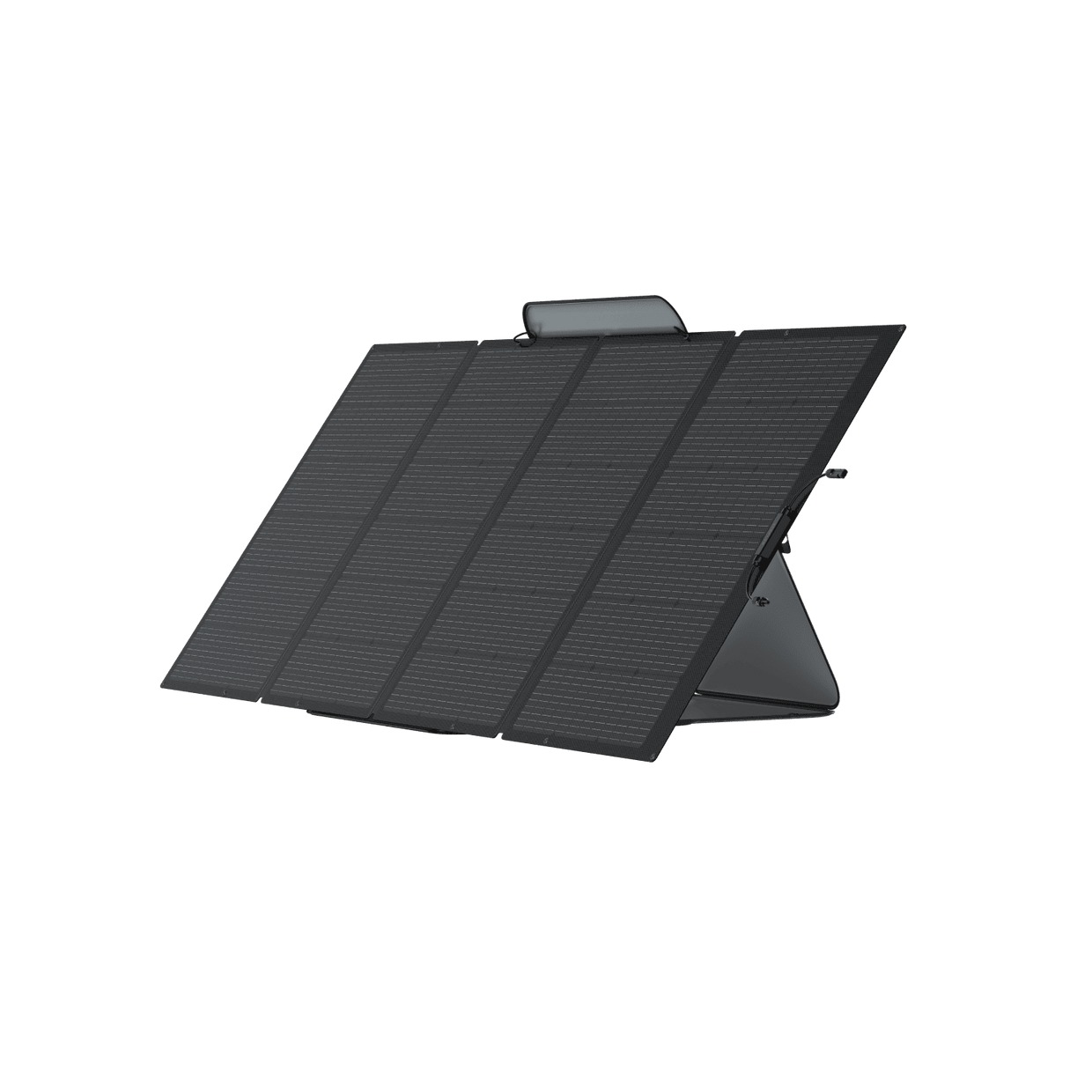
Most rivals fought over the campground. EcoFlow used it as a beachhead. Once the portable stations sold, the company climbed the energy stack: solar panels to recharge the batteries, then modular Power Kits for vans and RVs, then PowerStream - a plug-in balcony solar system aimed squarely at European apartment dwellers who can't bolt panels to a roof. In 2023 it opened a European HQ in Düsseldorf and debuted PowerOcean, a permanently installed whole-home solar battery. At CES 2024 came DELTA Pro Ultra, pitched as a smart hybrid whole-house battery generator, followed by the modular DELTA Pro Ultra X in late 2025.
Somewhere along that climb, EcoFlow stopped being a camping brand and started sharing a market with Tesla Powerwall. By 2024, a Frost & Sullivan report ranked it first globally in smart home energy storage sales. The camping battery had grown up into grid hardware.
05 / The SprawlA mower, a fridge, and an air conditioner walk into an app
EcoFlow's catalog looks, at a glance, like a company that can't say no. There's the Wave portable air conditioner. The Glacier, a portable fridge-freezer with a built-in ice maker. The Blade, a wire-free robotic lawn mower that navigates by LiDAR. It reads as chaos until you notice they all run on the same batteries and the same app. The thesis underneath the sprawl is simple: put clean, app-controlled power into every corner of a home and its yard, and let one ecosystem quietly absorb the gas generator, the noisy window unit, and the extension cord.
06 / The FieldWho else is in the ring
The portable power market has consolidated around a handful of names, and each has a lane. EcoFlow's edge has been aggressive entry pricing and a design language that keeps winning awards; where it's weaker is the same place all of them are - a crowded, price-competitive market that squeezes margins.
| Brand | Known for | Where it plays |
|---|---|---|
| EcoFlow | Fast charging, design, whole-home range | Camping to grid |
| Jackery | Outdoor / camping mindshare | Portable |
| Bluetti | Specs, value, early LiFePO4 | Portable to home |
| Anker SOLIX | Consumer-electronics polish | Portable to home |
| Tesla Powerwall | Fixed home energy storage | Whole-home |
07 / The SetbackWhen your product is also software
In late 2025, EcoFlow recalled about 25,000 DELTA Max 2000 units in the US over an overheating and fire risk - six reported fires and more than $850,000 in property damage, no injuries. The notable detail is the fix: instead of shipping every unit back, most were remedied through a firmware update. That's the double edge of a connected battery. The same software that lets you monitor charge from a phone can also, when something goes wrong, become the recall itself - faster and cheaper than a truck, and a reminder that a battery in a living room carries real stakes.
Replacing fossil fuel with renewable energy is the fundamental way to increase energy consumption per capita while still achieving sustainable growth.Bruce Wang Lei, Founder & CEO
08 / The BusinessHow the money moves
EcoFlow sells hardware, direct-to-consumer first. Its own site and crowdfunding campaigns lead, then Amazon, Costco, regional distributors, and a growing set of home-installer and B2B channels. North America, Europe, and Japan have historically driven roughly 80% of sales. Revenue reportedly climbed from around $630M in 2022 to more than $1B by 2024, and the company is described as profitable - a rarer thing in hardware than the launch headlines suggest. By late 2025, it was reported to be weighing a US IPO to fund the next stretch of global expansion.
09 / The CatchWhen the playbook doesn't travel
The EcoFlow story is copyable in parts, not in whole. The crowdfunding-as-validation move only works if you can actually fulfill and keep quality high - hype curdles fast, as the recall shows. The battery IP and supply chain that came free from DJI are exactly the parts a newcomer can't shortcut. Home energy adds slow, country-by-country grid certification. And a Chinese-founded company chasing a US listing carries geopolitical scrutiny that has nothing to do with how good the hardware is. The lesson isn't "run a Kickstarter." It's "have something the crowd can't get anywhere else, then let the crowd pay you to prove it."