solar-power
(13)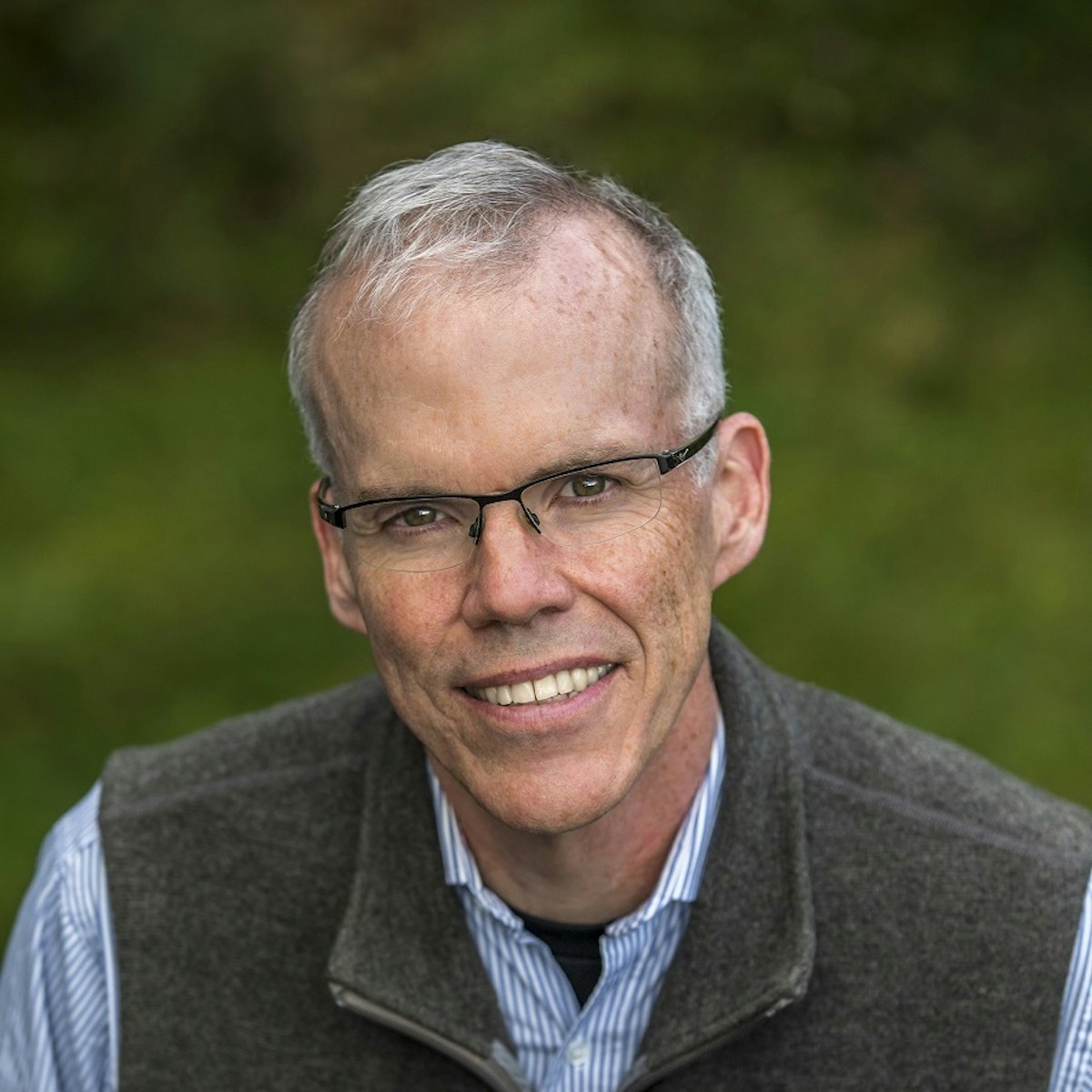
Bill McKibben Spent 37 Years Sounding the Alarm. Now He Wants to Show You the Sun.
The writer who gave climate change a vocabulary became an organizer when words were not enough. His latest argument is brighter, cheaper and sitting above us every day.

Triple Oak Power’s 8-Gigawatt Bet: Turn the Messy Middle of Clean Energy Into Something Banks Can Back
Triple Oak Power does not sell turbines. It sells uncertainty reduction - the patient work that turns wind, land, grid access and local consent into financeable power projects.
Abt Built One Store. Then It Outlasted Everyone Who Built a Thousand.
A family-owned retailer in the Chicago suburbs has spent nearly 90 years betting everything on one store - dancing fountain, saltwater shark tank and all - while national chains opened, expanded, and disappeared around it.
The DJI Battery Guys Who Turned a $12M Kickstarter Into a Home Energy Company
A team of ex-DJI battery engineers used Kickstarter as a factory floor, turned camping gear into home power, and built a billion-dollar clean-energy company one power outage at a time.

How a Closet Full of Deer Feeders Became an AI That Tells a Buck From a Bobcat
Moultrie spent 45 years wiring the Alabama woods. Now its cameras text you the second a big buck steps out - and quietly ignore the raccoons.

The Renewable-Energy Company That Turned Local Opposition Into a Funding Model
Root Energy found that Korea's clean-power bottleneck was not the turbine or the solar panel. It was consent - so the company made nearby residents investors, built a regulated climate-finance platform around the idea, and added an RE100 business for corporate buyers.

Arnold Leitner Has Been Redesigning Power Since He Was 19
A teenage passive-house project became a 35-year argument with the electric grid. Now the physicist behind SkyFuel and Leitnium is betting that homes should make, store, and command their own power.

Canopy Power Wants to Turn Every Diesel Island Into Its Own Power Plant
The Singapore engineering company has built a business around the places conventional solar developers tend to avoid - remote islands, awkward logistics and power systems where failure is not an option.
The Utility Betting $11 Billion That the Wind Off Virginia Beach Can Power a Data-Center Boom
It started as a Richmond streetcar company in 1909. Today Dominion Energy runs power plants, gas lines and a 176-turbine wind farm 27 miles out to sea - and the fastest-growing customers on its grid are warehouses full of servers.

Bell Resources
Bell Resources is building AI-powered Roadside Hubs that fold ultra-fast EV charging, automated car washing, clean energy and smart retail into a single connected stop.
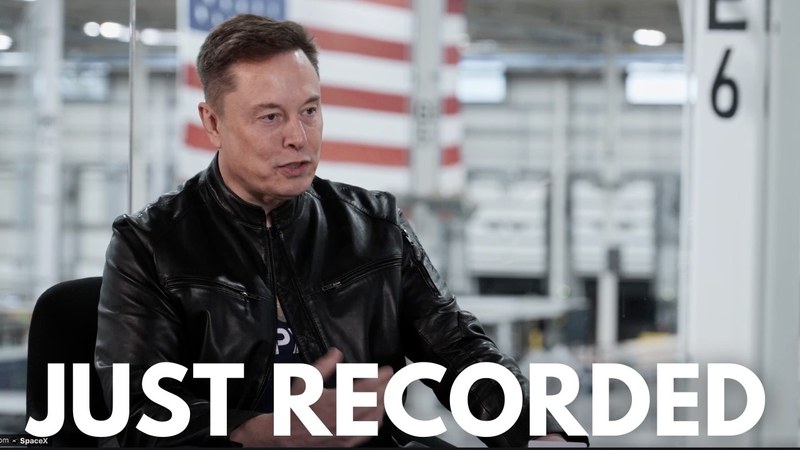
Climbing the Kardashev Scale: SpaceX AI Satellites and the Terafab
In a SpaceX studio sit-down at the company's Bastrop, Texas facility, Elon Musk and Starlink engineer Ian join a host to connect the dots between Starship, Starlink solar technology, and a bold plan to put AI compute in orbit. Musk frames the effort using the Kardashev scale, arguing that humanity currently harnesses less than a trillionth of the sun's power and must move to space to ascend it. The team outlines three limiting factors to solve at scale, mass to orbit, solar power, and chips, and unveils a draft design for a SpaceX AI satellite delivering roughly 150 kW peak power. The conversation escalates from launching thousands of orbital compute satellites to building a 100-million-square-foot 'terafab' chip factory, and ultimately to lunar mass drivers that could fling AI satellites into deep space, scaling civilization's energy harvest toward a terawatt per year and beyond.

Philip Johnston
Philip Johnston is the co-founder and CEO of Starcloud, the company putting AI data centers into orbit. In November 2025 his team flew an Nvidia H100 GPU to space aboard Starcloud-1, then trained the first large language model off-planet. Five months later the company raised a $170M Series A and became the fastest unicorn in Y Combinator history. A British applied mathematician and ex-McKinsey space-agency consultant, Johnston argues the cheapest place to build a gigawatt-scale data center is no longer Earth - it is low Earth orbit, where sunlight is free and the cold of space does the cooling.
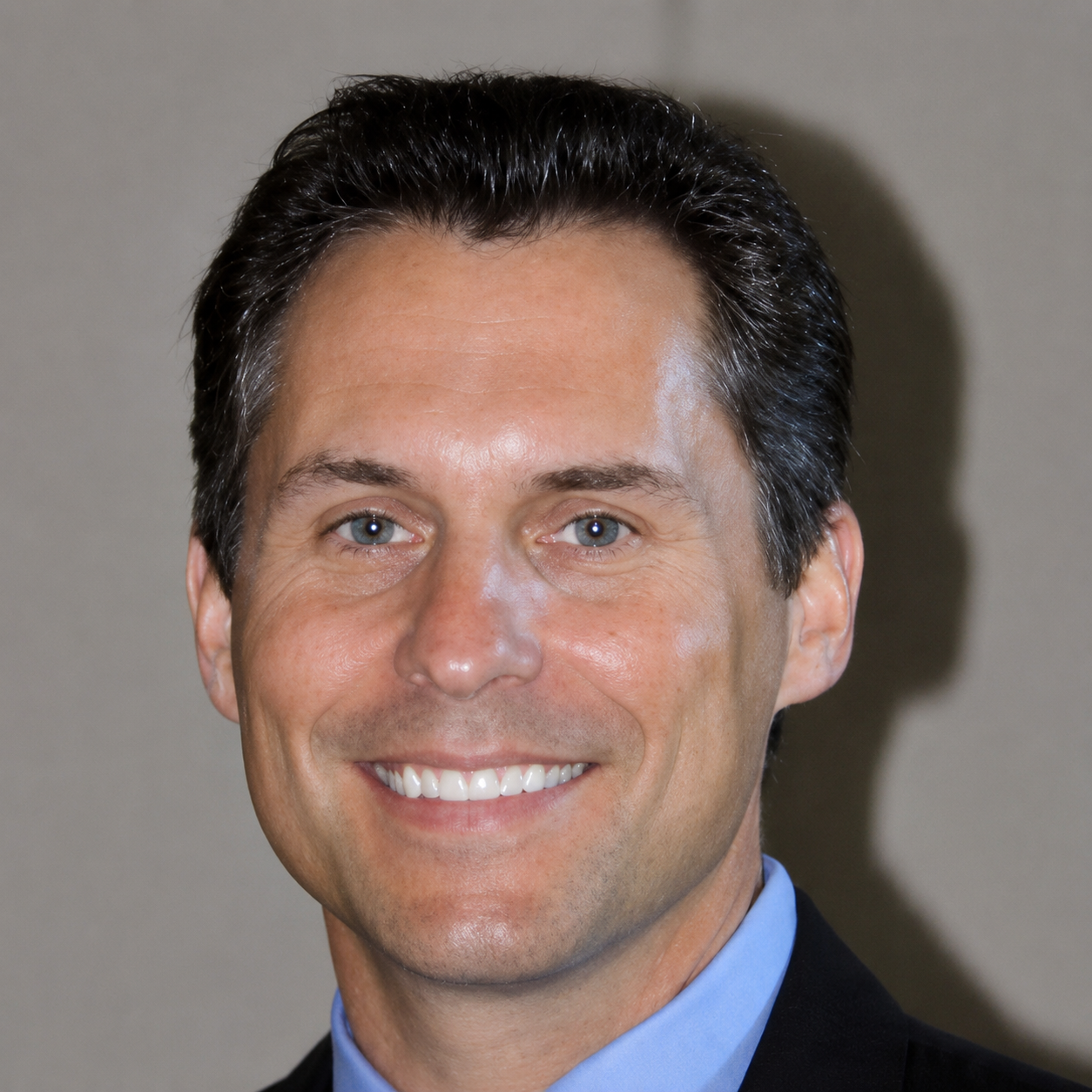
Jim Ritchie
Jim Ritchie is the CEO and co-founder of AEONrv, a Reno, Nevada-based company building high-tech, all-season, electric-cabin recreational vehicles on Ford Transit platforms. A Silicon Valley veteran with 30+ years in technology, Jim started AEONrv as a personal project after growing frustrated with the state of existing RV options - he wanted something that could handle ski mountains in winter and desert trails in summer without propane systems or dealer hassles. What began as a one-off custom build evolved into Nevada's 2025 Manufacturing Company of the Year, with 100+ vehicles delivered, 70+ employees, and plans to build the world's most automated RV manufacturing plant.