logistics-technology
(43)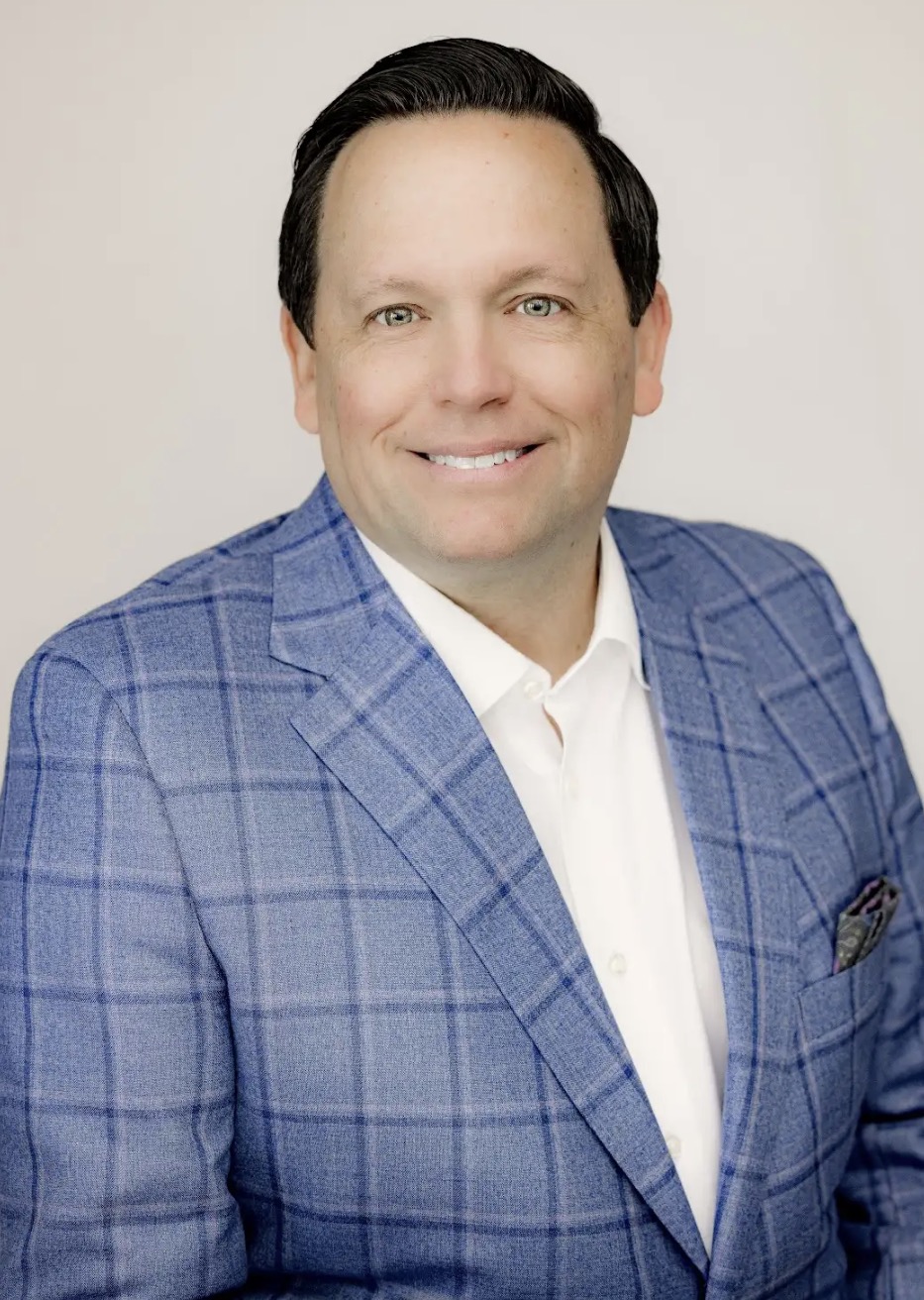
Chris Cochran and the Business of Keeping the Lights On
Chris Cochran built FreightWise by making shipping costs easier to see. Buying Kuebix gave the second-time founder a different assignment: keep a software community running, and give its customers a reason to stay.
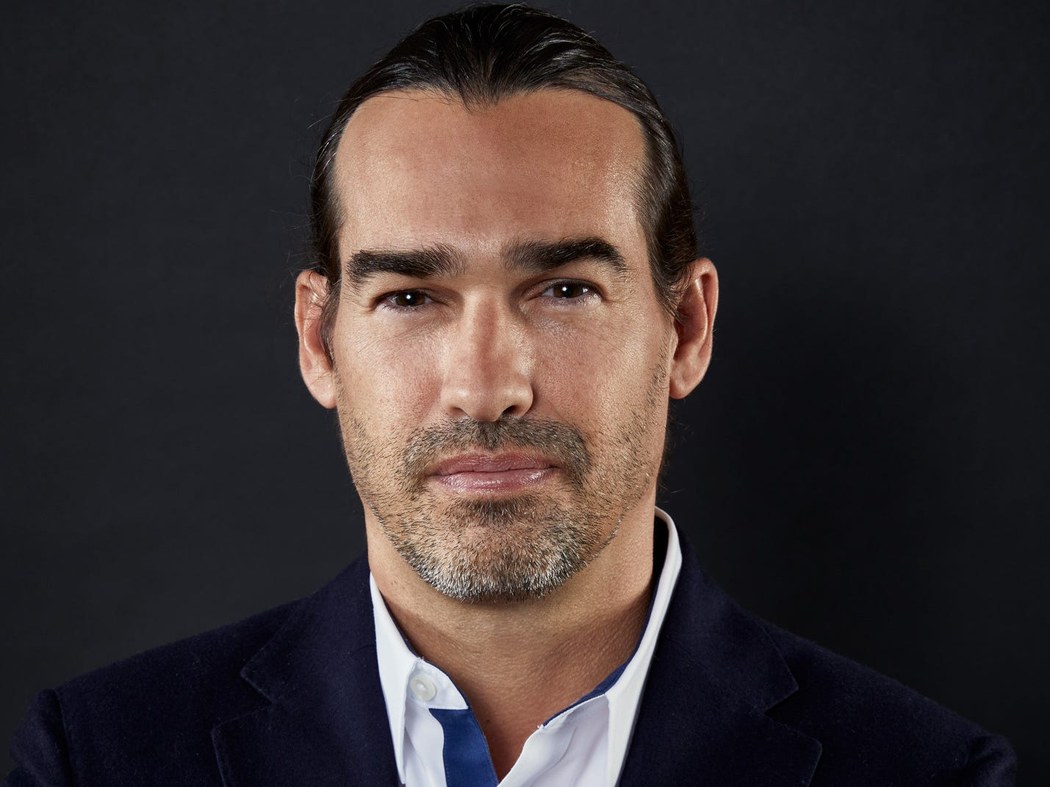
Jett McCandless and the long goodbye to the check call
At $12 an hour, he was the person you called to find a truck. After building project44, Jett McCandless is working on a harder question: what should happen after you find it?
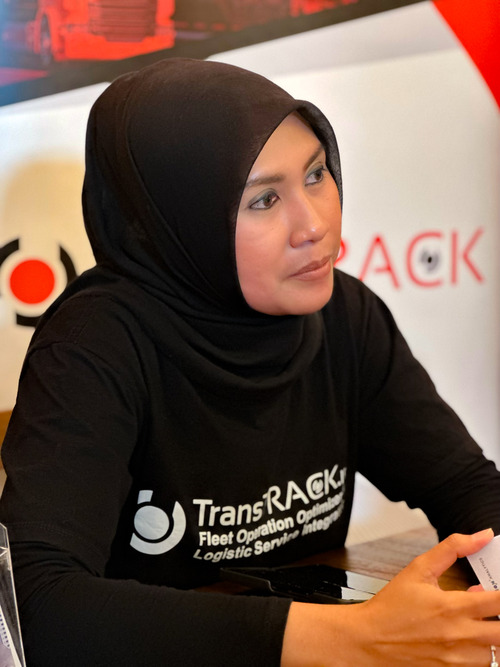
Anggia Meisesari and the freedom to change the machinery
After years teaching software and running technology businesses, Anggia Meisesari built TransTRACK around a practical frustration: fleet operators needed more choice. Her route from Bandung classrooms to regional logistics offers a lesson in knowing when to start again.

Mahesh Niruttan and the business of letting go
The 20Cube founder put software at the centre of a freight business. His colleagues remember another investment: giving people room to take responsibility.
Loggi found its next mile at the corner shop
The Brazilian delivery company spent years building a national network. Its next opportunity was waiting behind the counters of neighborhood shops.
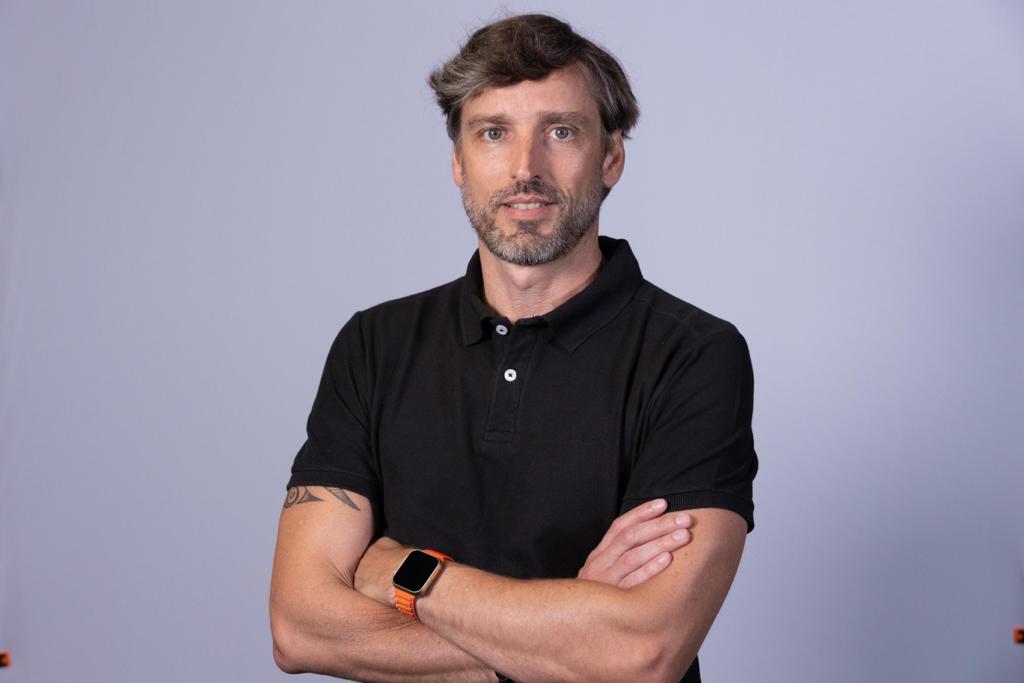
Alexandre Felix and the trouble with going faster
After helping run Loggi’s parcel operations, Alexandre Felix founded Nexallog to tackle a quieter problem: transport businesses can win more work and still run short of cash.

Flock Freight and the expensive art of shipping air
A half-empty truck still sends a full-sized bill. Flock Freight pools compatible shipments to make the unused space pay its way - provided the route, timing and arithmetic agree.

Cleo and the eight-week handshake
Winning the customer is only the beginning. Cleo works on the awkward interval between a signed deal and two companies whose systems can finally talk.

Chad Raube and the Value of the Outside View
The IntelliTrans CEO has made a career of entering established industries and asking the impolite, useful question: what if the model itself is the constraint?
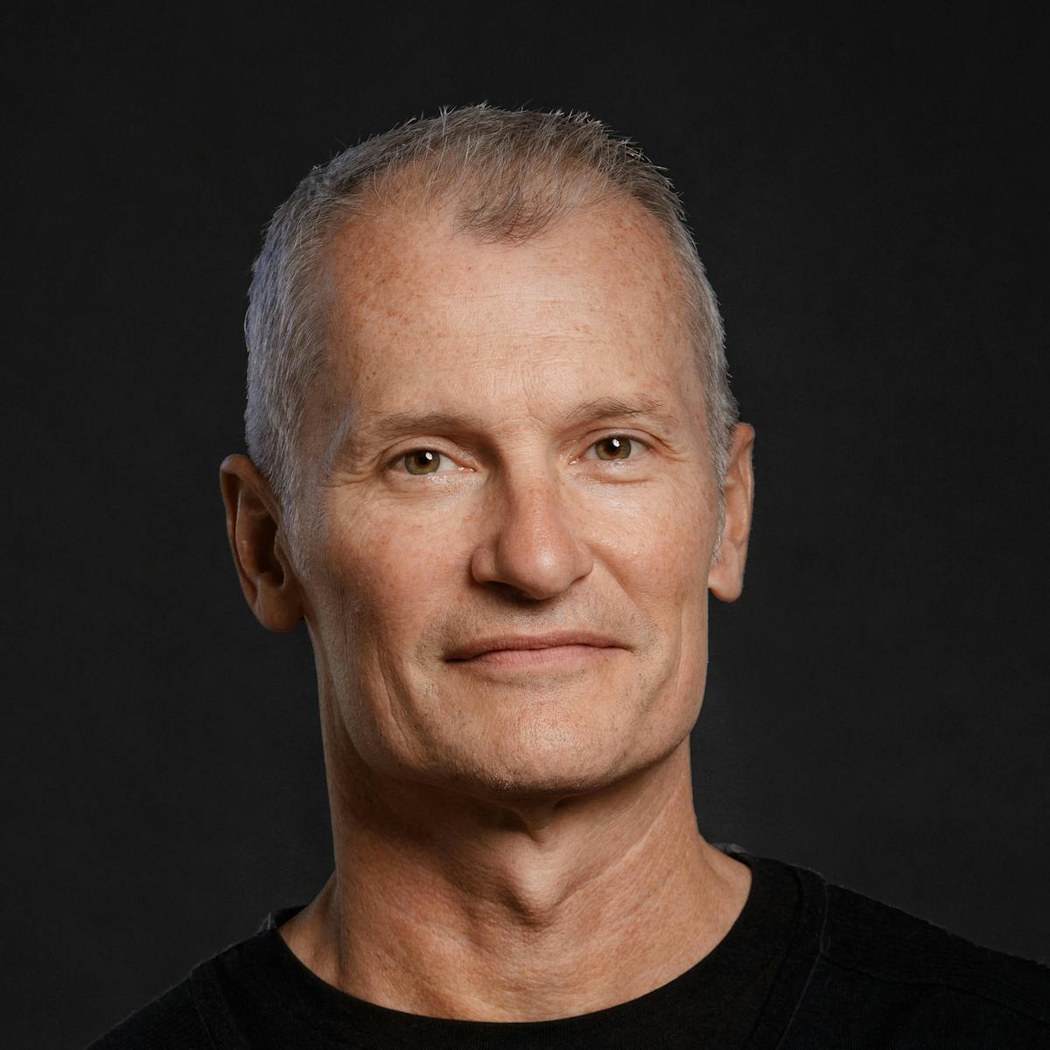
Karl Siebrecht and the Fine Art of Planning to Be Wrong
The Flexe co-founder built his career in systems where certainty is expensive and pressure is ordinary. His answer is not a better forecast, but a business designed to survive the forecast being wrong.

Prashant Bhatia Has Spent a Career Closing the Gap Between the Plan and the Yard
From warehouse software to omnichannel retail and port operations, the Georgia Tech engineer has followed one stubborn question for three decades: can the system help someone act?
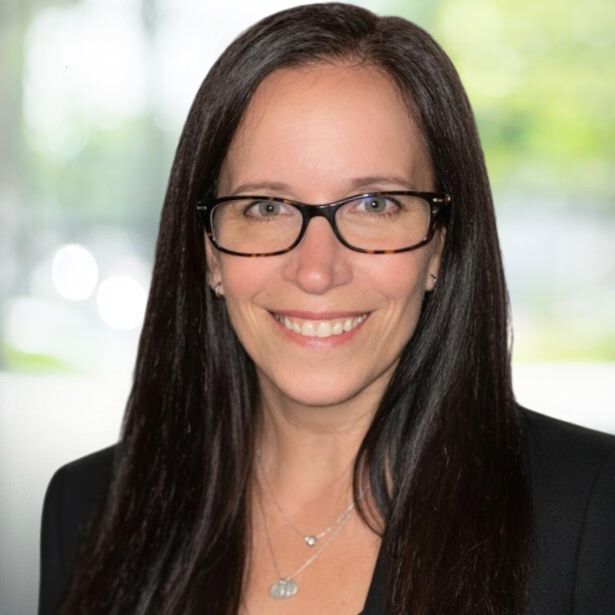
Jaimie Kowalski Keeps Marketing Close to the Numbers
After big budgets at Chase and Sears, Jaimie Kowalski chose a harder brief: make growth measurable, make small teams dangerous, and never confuse a campaign with a business result.

Kim Emond Makes the Invisible Work of a Warehouse Count
At Royal 4 Systems, the veteran 3PL specialist works where warehouse detail meets commercial consequence - making sure receiving, repacking, storage and shipping become visible, measurable work.
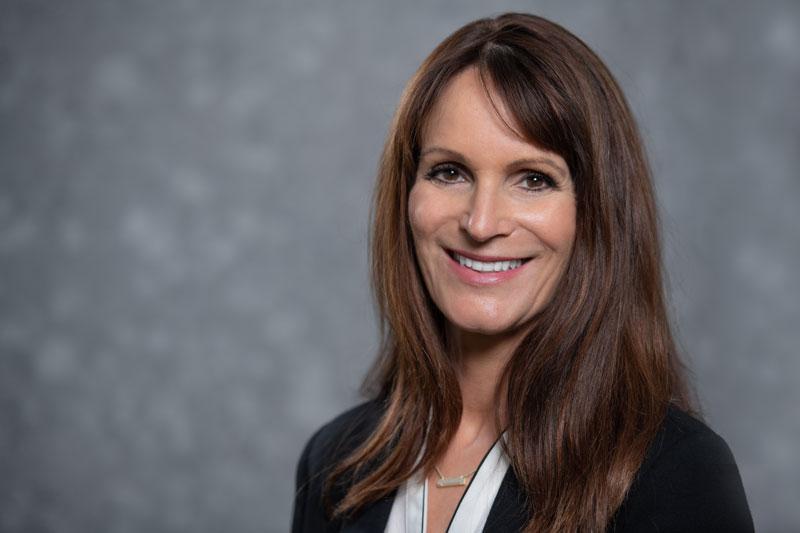
Renee Truttmann Makes the Warehouse Make Sense
Warehouse software is a world of docks, data and unforgiving details. Made4net CMO Renee Truttmann has spent two decades translating that machinery into a clear business case for change.

Taylor Pawelka Packed a Decade of Marketing Into ProShip - Then Chose the Unmarked Box
For ten years, Taylor Pawelka made parcel software sound like a conversation worth joining. Now, after building a team, an industry voice and a fondness for putting shipping strategies on the roast, she has left ProShip with her next label deliberately unwritten.

Powerfleet Bought Its Way to 3 Million Subscribers. Now It Has to Make Them Speak One Language
After two major deals, Powerfleet has the customers, devices and reach of a telematics heavyweight. Its bet is that device-agnostic software can turn forklifts, trucks and cold-chain sensors into one coherent operating system - before integration debt catches up.
Infios Is Betting Your Warehouse Is Only One-Third of the Problem
Infios is stitching order, warehouse and transportation software into one execution layer. For operators, the pitch is less dashboard, fewer handoffs - and no mandatory rip-and-replace.
Karin Stevens Learned Marketing in Music. Then She Helped Turn Supply-Chain Chaos Into a Product.
Before Overhaul had revenue, Karin Stevens came in for messaging and stayed to help shape the product. Her route from Scottish coffee counters and music licensing to an Austin control tower is a lesson in getting close to the work.

Ed Rusch Has Spent 20 Years Making B2B Software Sound Like People
The Magaya CMO built a career in unglamorous corners of enterprise software by asking a disarmingly human question: are you speaking in your customer's language?

Kushal Pillay Put Robot Eyes in a Phone
After years teaching robots to see, Kushal Pillay reached a practical conclusion: warehouses did not always need another machine. Sometimes they needed the camera already in a worker’s hand.

Raghav Midha Is Making 330 Vehicle Data Systems Speak One Language
From a Queen Street walk-in closet to two terabytes a day, the Toronto founder built Terminal by turning trucking's least glamorous software chore into shared infrastructure.
Barry Conlon Built a Control Room for the World’s Cargo
From Irish special operations to an Austin control room, Barry Conlon has spent three decades turning freight’s faintest warning signals into action. His second act now includes buying back the business lineage he once sold - and pushing visibility toward something more useful: control.
He Wanted Inventory to Work Like Online Banking. Now It Runs 12 Million Square Feet.
Carl Wasinger started Smart Warehousing with one computer under his desk in 2001. Two decades on, its proprietary software SWIMS quietly moves other companies' products through 30-plus warehouses - and nearly 5,000 customers depend on it.

Lion Parcel Has an Airline Hiding Inside Its Delivery Network
Indonesia is an expensive place to move a box. Lion Parcel's answer is to connect thousands of neighborhood agents and couriers to the aircraft network its parent already knows how to run.

The Family Office Building an Operating System for Main Street Arkansas
FoxDen Capital is assembling an unusually tactile portfolio - pediatric therapy, thin-crust pizza, truck parking software and drum motors - around one idea: patient capital works better when the investor knows how the business actually runs.

The $8.5 Billion Brain Behind the Things on Your Shelf
Blue Yonder is trying to give the global supply chain one shared brain - from the forecast to the forklift to the final return. Its real advantage is less about flashy AI than joining thousands of ordinary decisions before they become expensive surprises.
Delmar International Inc.
Delmar began with customs forms in Montreal. Sixty years later, the family-run forwarder sells something harder to ship: a clear view across the whole supply chain.

ArchLynk
ArchLynk has built a global business around the unglamorous systems that decide whether a shipment moves, a warehouse flows and a product clears customs. Its bet is that deep SAP supply-chain specialization can beat the sprawling generalist integrator.

Sam Tyagi
Sam Tyagi is a Silicon Valley serial entrepreneur and the founder, CEO and chairman of KlearNow.AI, an AI-powered platform that digitizes customs clearance and drayage to make global supply chains clearer, faster and cheaper. Before KlearNow he built and exited three IT integration companies, including Softline and Systech, and he is a managing partner at Argean Capital. He often frames his mission as bringing to customs clearance what Uber brought to transportation.
TransTRACK
TransTRACK is an Indonesian fleet telematics and supply-chain technology company that helps businesses track, monitor and optimize their vehicles, vessels and cargo in real time. Founded in Jakarta in 2019, it combines IoT hardware (GPS trackers, sensors, electronic seals) with a software platform spanning fleet management, transportation management, vessel monitoring and driver behavior analysis. The company serves more than 1,200 clients and over 150,000 subscription units across Indonesia, Malaysia and Singapore, and raised a US$12 million Series A in 2024 to expand across Asia.