human-capital-management
(44)
Netchex and the art of the 15-minute payroll
At a Wyoming YMCA, a two-hour payroll run became a 15-minute job. Netchex’s wager is that connected software and a familiar human can make payday less of a production.
ProLiant and the art of an uneventful payday
A truck driver’s time card reveals the real test of payroll software. ProLiant’s answer pairs cloud tools with a person who knows what to do when the numbers get awkward.

PM AM and the expensive art of crying wolf
A false alarm looks like a policing problem. PM AM found a business in the paperwork behind it - then carried the same appetite for overlooked operations into compliance, retail cameras and software testing.
The Company That Put Contractors on the Org Chart
VNDLY found a lucrative blind spot in the modern corporation: the people doing the work but missing from its people system. Workday paid about $510 million to bring them into view.
Ciphr wants to give HR its working day back
A holiday calculation that swallowed months became an afternoon’s work. Behind Ciphr’s pitch to Britain’s mid-sized employers is a practical bet: connect the records, then give people fewer things to chase.
Frontier Software and the art of getting payday right
For more than four decades, Frontier Software has worked on the unglamorous machinery behind payday. Its story runs from a kitchen-bench design to multinational payroll, with hard lessons about the price of trust.
The 43-Year-Old Staffing Software Firm That Became a Takeover Puzzle
Bond spent four decades turning the messy work of staffing into software. Then a public-market standoff, a £24.1 million sale and two mergers folded its hard-won expertise into Bullhorn.
The HR Software Company That Won a Customer Back From Oracle
Pilat spent decades making HR software bend to the customer. One enterprise tried the opposite, saw the compromises coming, and brought Pilat back.
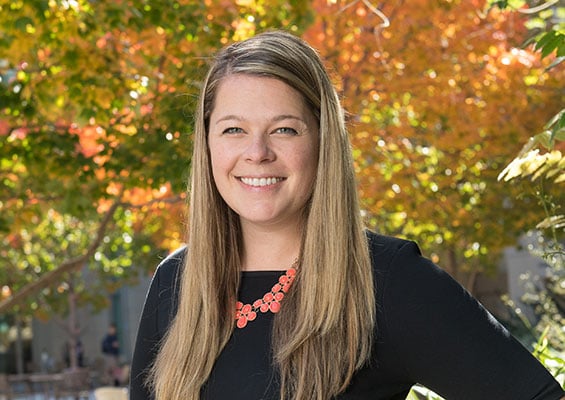
Vanessa Danziger Has Been Asking What People Would Do Since the Sixth Grade
Long before she marketed workforce technology, Danziger won a science fair by studying how children make ethical choices. The same curiosity now runs through a career built around people, data, and purpose.
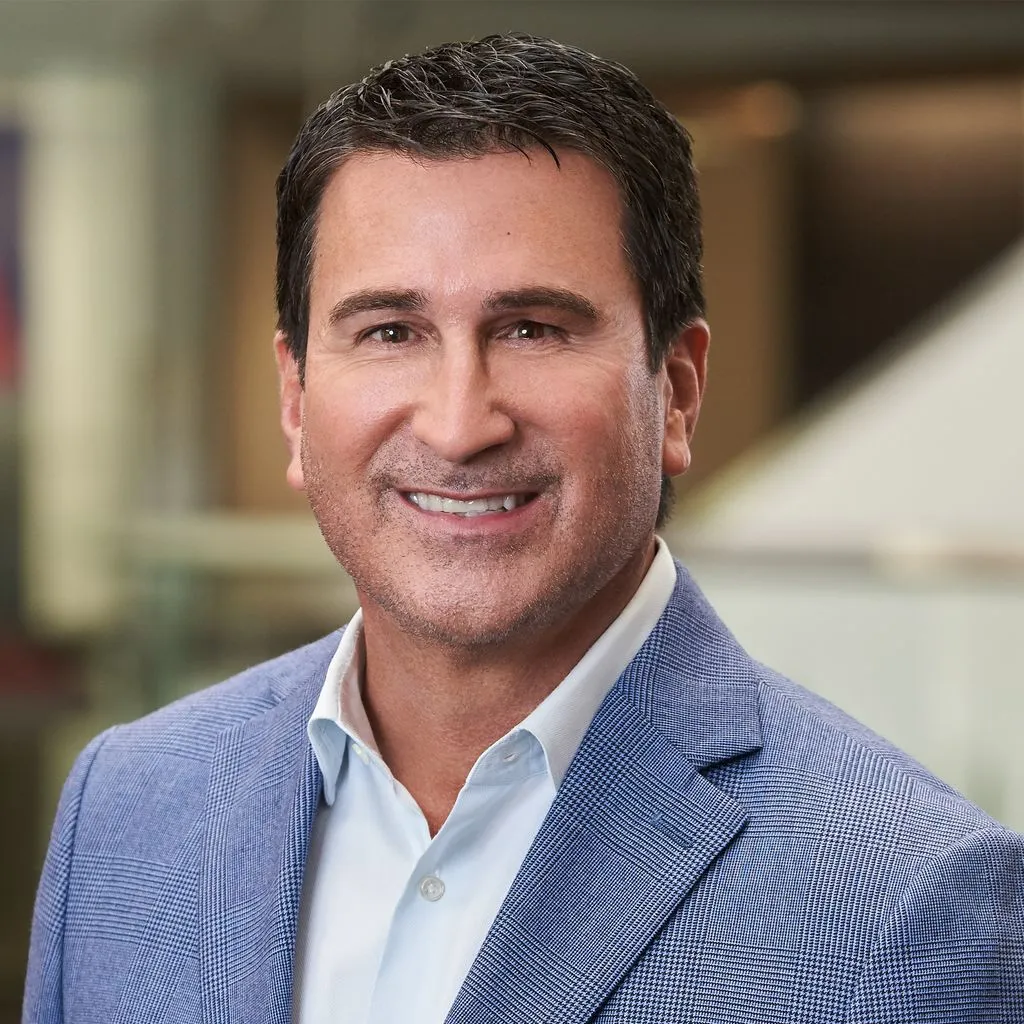
Gus Blanchard Spent 36 Years Learning the Customer Before He Marketed the Company
Before leading ADP marketing, Gus Blanchard spent decades across its sales floor. His career makes a quiet argument for patience, customer fluency and a marketing department that earns its place in the buying journey.

Sarah Hodges Put On the Boots Before She Wrote the Message
The UKG chief marketing officer built her career by leaving the conference room - onto construction sites, into product teams, and closer to the people her companies serve.
PlanSource Wants to Make Benefits Admin Boring - and That’s the Point
HR teams do not need another dazzling demo. They need the newborn to be covered, the carrier file to match and open enrollment to end without a fire drill. PlanSource has spent nearly two decades turning that unglamorous promise into enterprise software.
UKG Wants to Run the Workday - From the First Shift to the Final Paycheck
A $22 billion merger joined the time clock to the employee record. Now UKG is betting that its decades of workforce data - and a layer of carefully governed AI - can turn the machinery of HR into an operating system for work.
BambooHR Put the Employee Record in Charge - Now It Wants AI to Run the Errands
The Utah software company turned a tidy employee database into a broad people platform used by more than 33,000 organizations. Its next trick is asking AI to do the administrative chasing - without losing the simplicity that made the product useful.

Cornerstone Lost Its First Business - Then Built the Software That Trains 140 Million People
The dot-com crash killed its consumer pitch. Customers designed the replacement, a loan shark covered payroll, and 25 years later Cornerstone is trying to teach HR what comes after the job description.
Namely Raised $217 Million to Fix HR Software - Then Found Its Second Act Inside a Payroll Empire
Namely set out to make the employee database feel less like a filing cabinet and more like a product people would actually use. A founder crisis, $217 million in funding and a 2022 merger turned that clean software idea into something messier - and potentially more durable.
Asure Sold Half Its Story for $120 Million - Then Built a Payroll Machine for the Businesses Everyone Else Finds Too Small
The Austin software veteran escaped a muddled identity by selling its workspace business and betting on the least forgiving job in a company: paying people correctly. Now it is stitching software, service, tax compliance and AI into one back office for growing businesses.
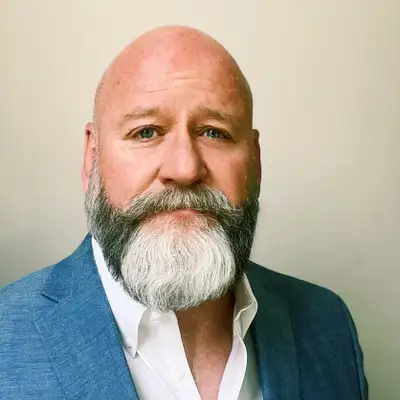
Mike Vannoy Has Spent 30 Years Turning HR Complexity Into a Growth Story
Before HR became a cloud platform and marketing became an AI workflow, Mike Vannoy was already learning how work gets measured, sold and explained. His career is a case study in staying with one stubborn business problem long enough to watch the tools change completely.

Bernadette Bressler Made Payroll Sound Human
Across printers, connected care, senior-living software, and healthcare payroll, Bernadette Bressler has kept returning to one deceptively difficult brief: make complicated technology feel useful to an actual person.
Viventium Bet the Future of Healthcare HR on the Weirdest Paycheck in the Building
Generic HR software assumes work is tidy. Viventium built around the opposite - then bought its way from first application to final paycheck.
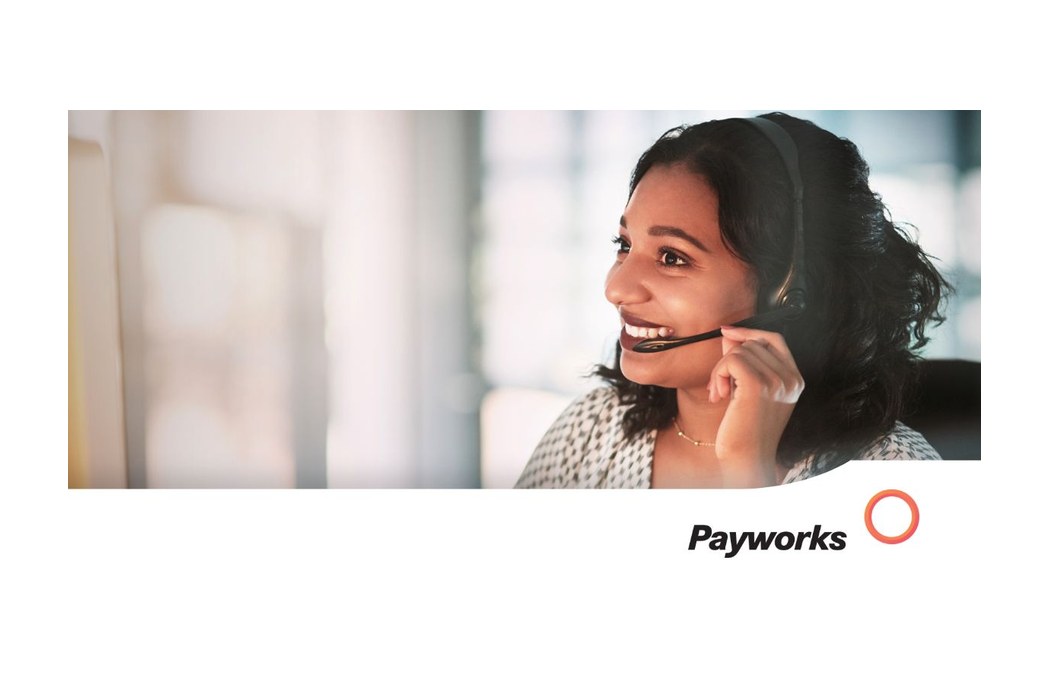
Payworks Bet That Payroll Needed a Human Voice - 50,000 Canadian Businesses Picked Up
Barb Gamey carried a desktop computer into sales meetings and pitched a radical idea for payroll: modern Canadian software, backed by a person who knows your name. Twenty-five years later, Payworks is testing how far that service-first playbook can scale.
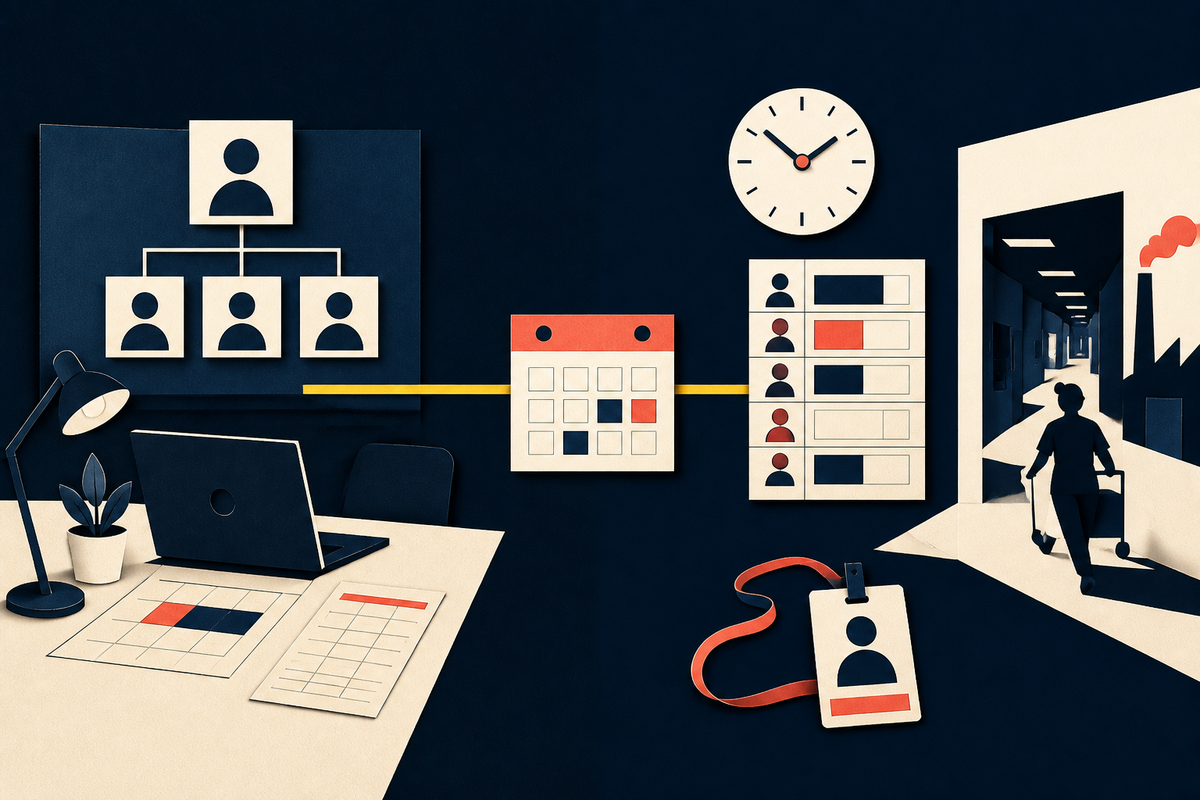
Workday or UKG Depends on How Your People Work
The real HCM choice is not a feature-counting contest. It is a decision about whether your hardest problem lives in the enterprise data model or on the next shift.
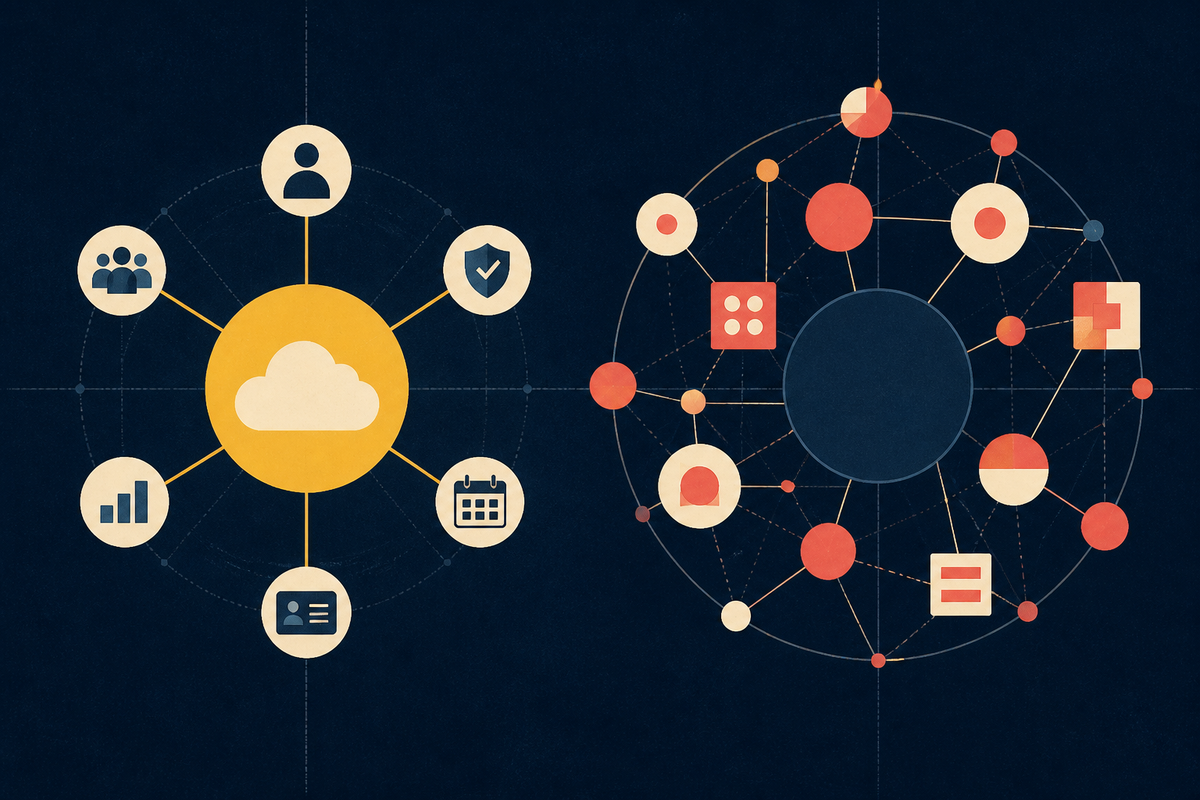
Workday or Oracle Is Really a Choice About Your Company
The HCM contest looks like a feature comparison. Underneath, it is a decision about architecture, purchasing power and how much of the enterprise one vendor should own.

Qualtrics or SuccessFactors Is the Wrong Question
One platform listens to employees. The other runs the machinery of work. The smarter choice starts with knowing which problem you actually have - and when the answer is both.
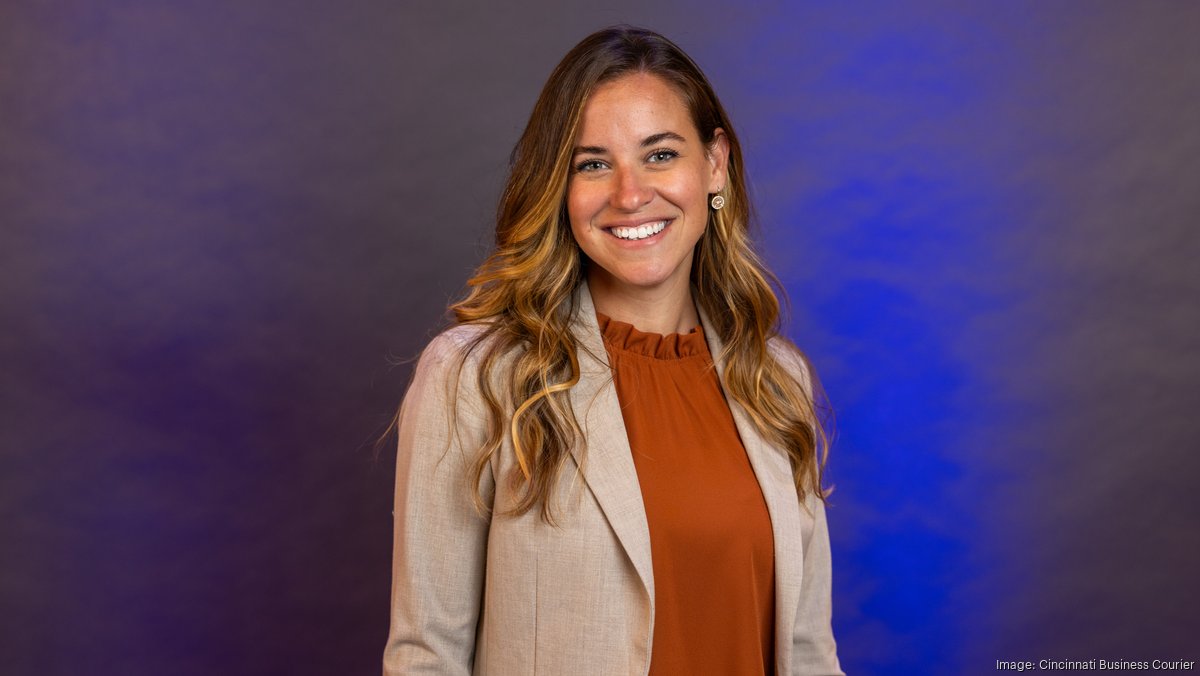
Katy Bunn Is Making the Customer the Meeting’s Most Important Voice
After a decade helping Paycor grow from a regional HR company into a public business acquired by Paychex, Katy Bunn has a new brief: turn marketing from an order-taking function into a source of customer truth.

Samantha Orihuela Is Building ADP's Next Growth Story Around People
After two decades moving between brand, experience, innovation and growth, Samantha Orihuela has returned to ADP with a clear brief: make a global company feel coherent, useful and human.
The Oracle Whisperers Who Named Themselves After a Bike Race
A Boston consultancy borrowed its name from cycling - the pack that shares the wind so no one rider burns out. Sixteen years later it is one of Oracle's go-to partners for the unglamorous, high-stakes work of moving a company's books to the cloud.
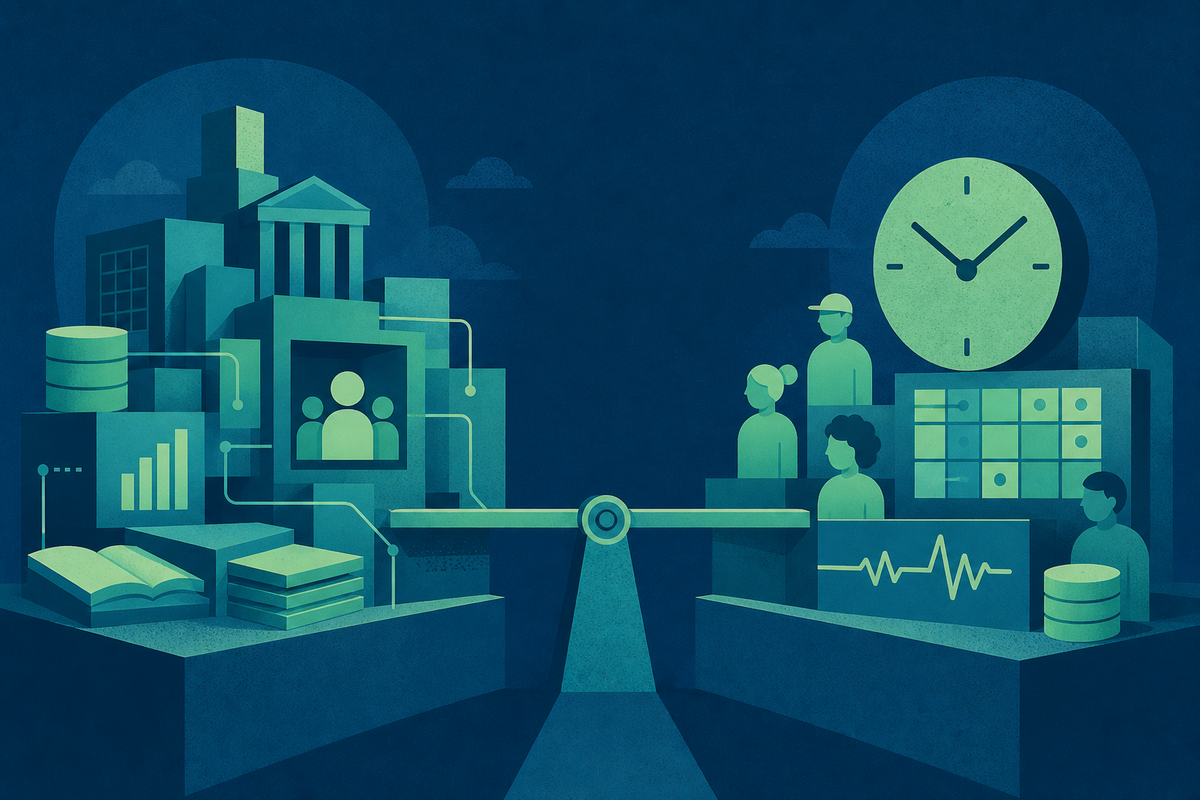
Your HCM Shortlist Is Really a Systems Bet
Oracle and UKG cover much of the same HR ground. The consequential choice is whether people data should live inside a wider enterprise suite or anchor a workforce platform of its own.
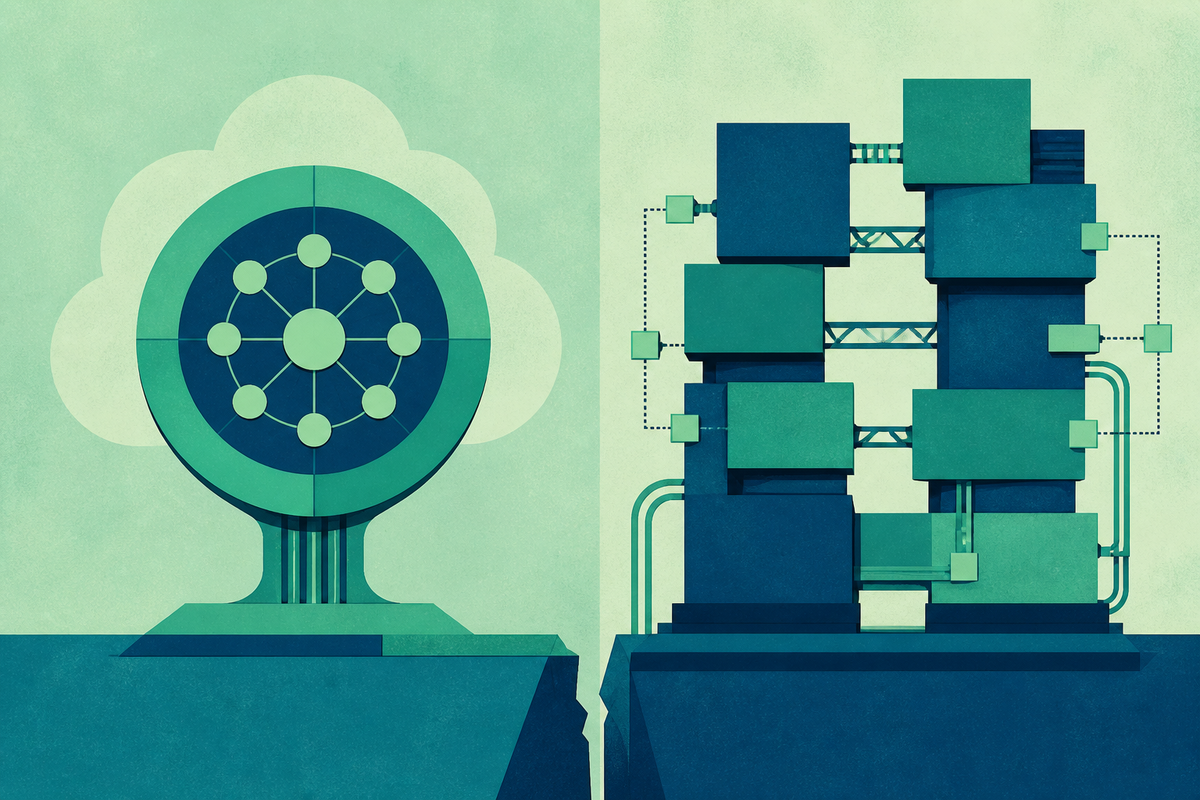
Your ERP Is Quietly Choosing Your HR Software
Workday and SAP SuccessFactors sell similar HR outcomes, but their architectures ask companies to make very different bets. The real choice is between a unified cloud operating model and the pull of an existing SAP estate.

Your HCM Vendor’s Owner Is Part of the Product
Workday, SAP SuccessFactors, Oracle HCM Cloud and UKG sell overlapping promises. Their ownership structures reveal which compromises buyers are actually choosing.