IBM Apptio Asks What Your AI Tokens Actually Bought
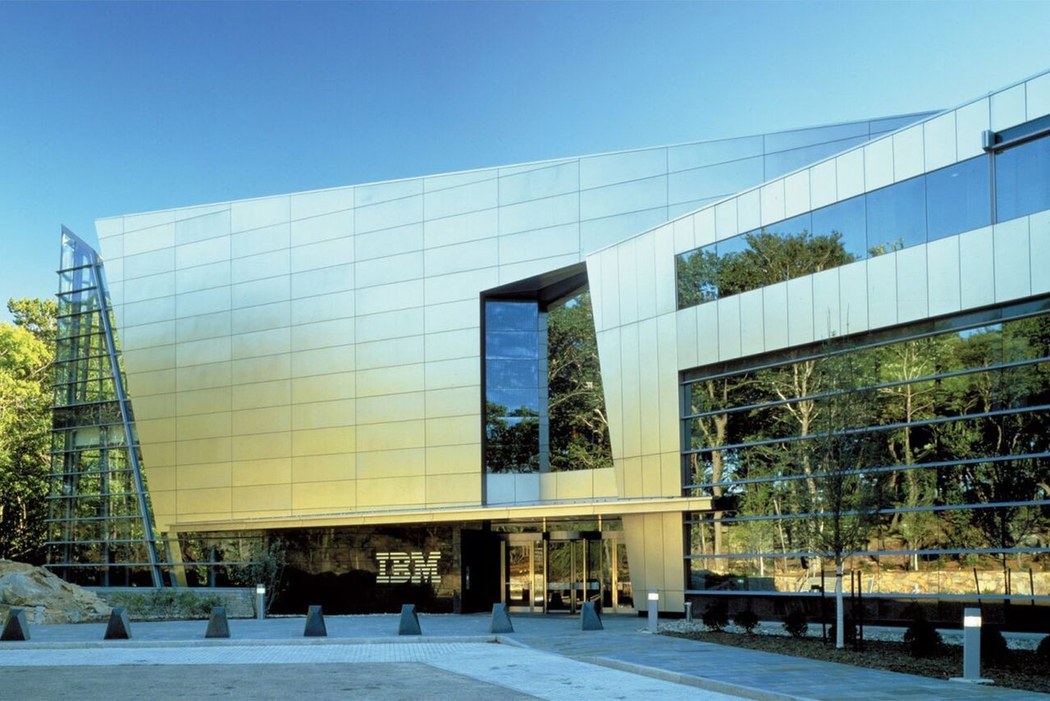
IBM’s new AI Value & ROI preview puts the token bill beside the business result. The harder job is proving that faster work, lower costs and better decisions survived contact with the accounts.
Featured
This month's top stories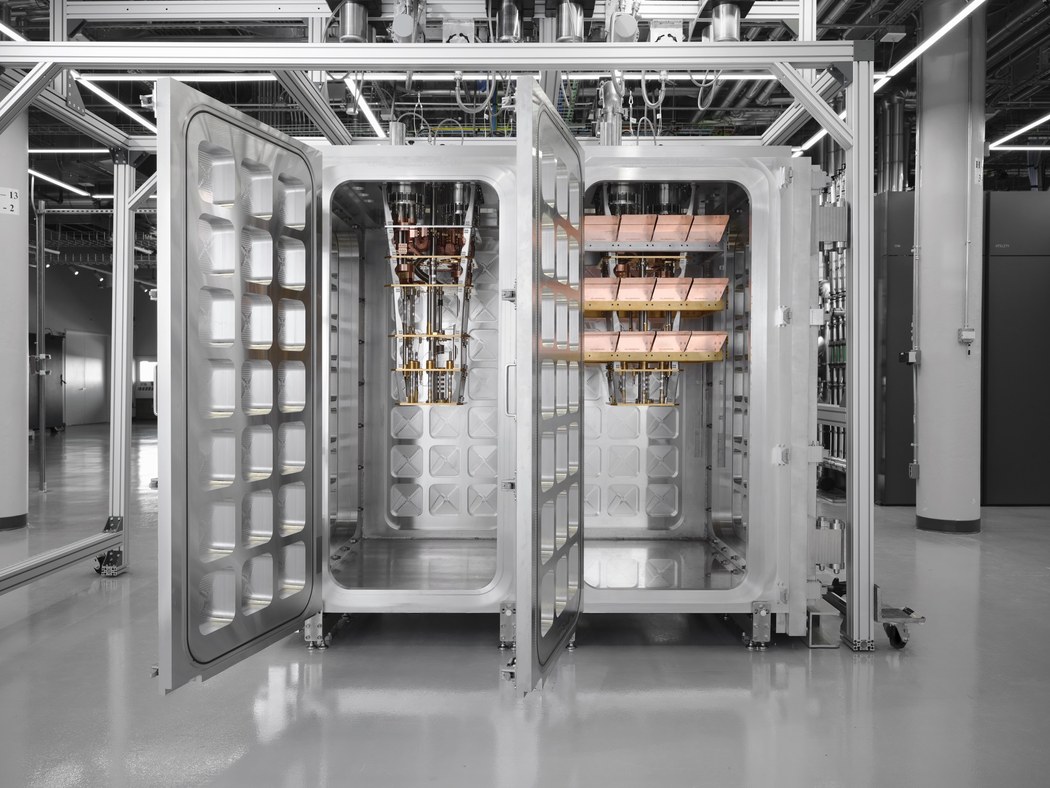
IBM’s $10 Billion Quantum Bet Has a 2029 Deadline
IBM has committed more than $10 billion over five years to pursue fault-tolerant quantum computing. Two connected cryogenic modules mark a real step toward Starling, but the 2029 target still has to survive the laboratory.
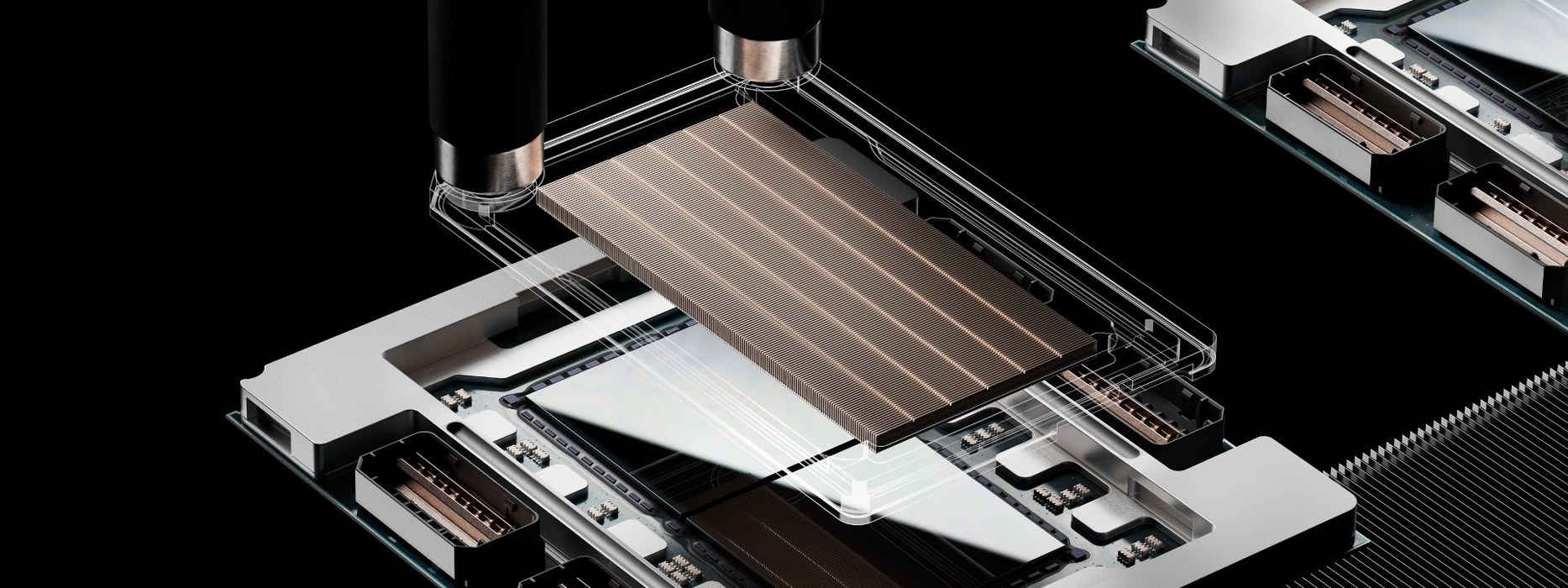
IBM’s Dual-Architecture Chip Invites Arm to the Mainframe
IBM wants to bring Arm’s claimed 22-million-developer ecosystem into the machines that run regulated business. Its proposed dual-architecture processor could change where modern software lives—but the design is ahead of the delivery.

IBM and NASA Give the Moon an Open-Source Memory
A new lunar AI model brings scattered observations into one scientific toolkit. Its first tests sharpen the search for ice, map craters with less training data, and trace the Moon’s volcanic past.

IBM’s AI Warning: The Judgment Gap Is Growing
Workers are learning to operate AI faster than companies are redesigning the work around it. IBM’s new global study finds a widening gap between the judgment leaders demand and the support employees receive.
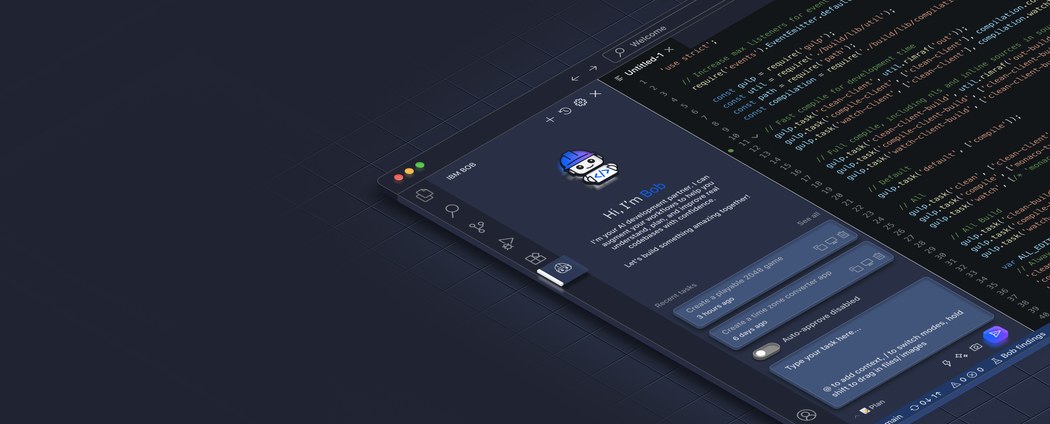
IBM's Bob Grows Up: From Coding Assistant to Agentic Development Partner
On July 9, 2026, IBM unveiled major enhancements to IBM Bob, its agentic software development platform. The updates introduce multi-agent coordination across the full software development lifecycle, model-native parallel tool calling, subagents for context management, cost-and-productivity visibility via Bobalytics, and pre-built premium modernization workflows for IBM Z (COBOL/PL/I), IBM i (RPG), and Java (migration to Java 25). The release responds to a shift in enterprise bottlenecks from code generation to code review and validation, aiming to help teams ship production-ready software faster while optimizing the total cost of AI-driven development.

The $5 Billion Patch: IBM and Red Hat Try to Fix Open Source Before AI Breaks It
On July 8, 2026, IBM and Red Hat announced the commercial launch of Lightwell, a platform delivering automated open source vulnerability remediation at enterprise scale. The launch, which builds on a $5 billion open source security commitment made in May 2026, introduces two offerings: Lightwell Network, a generally available catalog of 6,500+ remediated, digitally signed and certified application-layer dependencies across ecosystems like Java and Python, and Lightwell Clearinghouse Premier, a limited-availability trusted intermediary for secured patch embargoes and vertical threat coordination, starting with financial services. The initiative aims to build the 'trust infrastructure' for open source as AI accelerates both software creation and cheap, automated exploits.
Latest
LiveCompany Facts
At a glanceUpdates
Recent updatesTimeline
Company historyCharles Ranlett Flint combined tabulating machines, time recorders and commercial scales into the Computing-Tabulating-Recording Company.
The broader name reflected Thomas J. Watson Sr.'s ambition for a unified global information business.
IBM introduced RAMAC, the first commercial computer system with magnetic disk storage.
A common architecture replaced five incompatible lines and let customers upgrade without rewriting their software.
An open architecture accelerated personal computing but allowed compatible makers and Microsoft to capture much of the value.
Mainframe decline and organizational fragmentation produced what was then the largest annual corporate loss in US history.
The new CEO rejected a planned breakup and rebuilt the company around integrated solutions and services.
IBM's chess system defeated world champion Garry Kasparov in a six-game match.
IBM completed the sale of its personal computer division to Lenovo and concentrated further on enterprise technology and services.
IBM completed its largest acquisition to anchor a hybrid-cloud strategy in open source and containers.
IBM separated Kyndryl so IBM could focus on software-led hybrid cloud, AI, consulting and infrastructure.
IBM launched a platform spanning AI development, data and governance.
The latest mainframe generation arrived with the Telum II processor and AI capabilities across hardware and operations.
IBM expanded funding for a roadmap intended to produce the fault-tolerant Starling system in 2029.
Product History
What shipped, and whenIBM watsonx
A portfolio for building, governing and operating predictive and generative AI across hybrid environments.
Red Hat OpenShift
An enterprise Kubernetes platform used to build and run applications consistently across on-premises systems and multiple clouds.
IBM Consulting
Strategy, experience, technology and operations services that implement IBM and partner technologies.
IBM Z
Mainframe systems for high-volume, security-sensitive and continuously available enterprise workloads; the z17 generation adds on-chip AI acceleration.
IBM LinuxONE
Linux-focused enterprise servers designed for consolidation, security and hybrid cloud workloads.
IBM Automation and Data Software
Integration, observability, application automation, data management and transaction-processing products, including technology from Apptio, HashiCorp and Confluent.
IBM Quantum
Cloud-accessible quantum systems, software and research partnerships, with a roadmap toward fault-tolerant computing.
FAQs
Frequently askedWhat does IBM do today?
IBM sells enterprise software, consulting, mainframe and Linux infrastructure, storage, technical support and financing, with a strategy centered on hybrid cloud and AI.
Who owns IBM?
IBM is a publicly traded company listed on the New York Stock Exchange under the ticker IBM and is owned by its shareholders.
Does IBM still make computers?
Yes. IBM makes the Z mainframe family, LinuxONE systems, Power servers, storage and quantum computers, though it no longer makes consumer PCs.
What is watsonx?
watsonx is IBM's enterprise AI and data portfolio for building, running and governing machine-learning and generative-AI applications across hybrid environments.
Why did IBM buy Red Hat?
IBM bought Red Hat for approximately USD 34 billion to make OpenShift and open-source software the foundation of a hybrid-cloud strategy spanning private infrastructure and multiple public clouds.