Who she is now
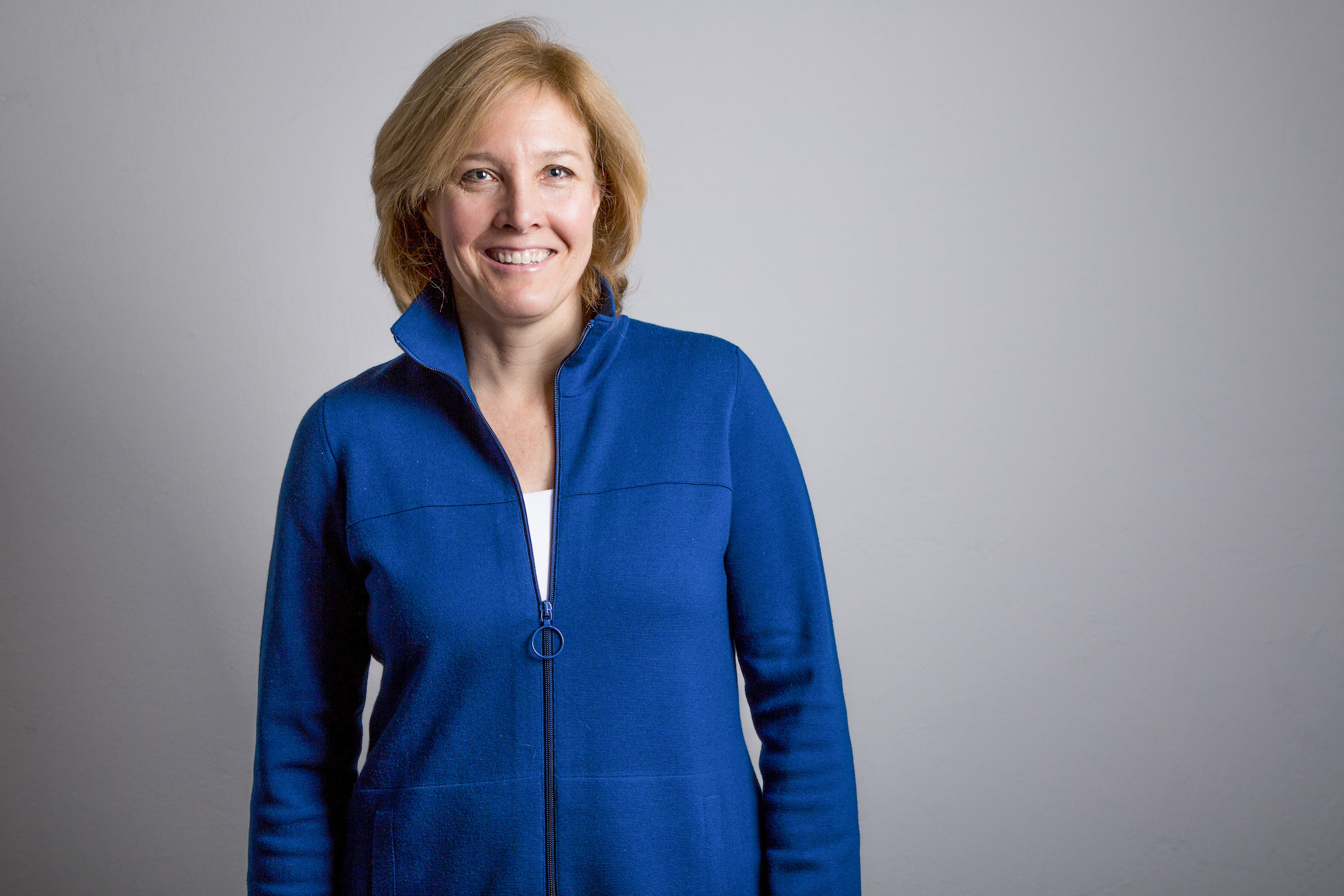
Julie Hansen runs the part of Babbel where the money lives. As Chief Revenue Officer and US CEO, she owns every team that touches revenue - and she owns the market that now matters most. The United States is Babbel's largest market, and it got there on her watch. In the first half of 2022 alone the company sold more than a million US subscriptions. The metric people remember is the number. The one she cares about is whether those people kept showing up to learn.
That distinction is the whole worldview. Plenty of subscription companies optimize for the sign-up. Hansen optimizes for the seventh lesson. When she talks about her north star, it is not acquisition - it is whether a new feature measurably improves learner success and retention. A subscriber who never speaks the language is a churn problem wearing a revenue costume.
"Subscriptions will always remain core because they align our goals with consumers' goals."
She arrived at Babbel in 2017 as CEO US, took on the CRO title in 2021, and spent the years in between proving a contrarian bet: that people will pay for an ad-free product if it actually works. Babbel sells no banner ads, no interruptions, no attention arbitrage. The pitch is almost old-fashioned. You pay, we teach, you learn to talk. In an internet built on free-with-strings, charging money up front is the strange move. Hansen made it the moat.
Part of why she trusts the model is that she lives inside it. Hansen is a Babbel learner. She keeps German vocabulary notebooks the way other executives keep board decks - by hand, on purpose. She speaks English, French, and German. When she argues that language learning is "a lifelong pursuit, not an overnight accomplishment," she is describing her own evening routine, not a marketing line.
Her read on the market is granular to the point of being almost anthropological. German customers, she has found, want five pricing options to choose from. Americans want three. Same product, same value, completely different psychology at the checkout. Localization, for Hansen, is not translating a button. It is knowing how many choices a culture wants before it will commit.
Before Babbel
Hansen did not come up through edtech. She came up through media, in the years it was being torn apart and rebuilt online. She began at Penguin Books, of all places, building software to help people learn about literature - a first job that looks, in hindsight, like the entire career compressed into a sentence. Then came Time Inc. and Conde Nast, where she led digital transformations at NewYorker.com and TeenVogue.com, and a run through CBS Interactive and CBS Sports.
The defining chapter was Business Insider. Hansen was the fifth employee. She left as President and COO, and in between the site became the most-visited business news outlet on the internet. Being employee number five at a company that becomes a category leader is its own kind of credential - you do not inherit the playbook, you write it while the building is on fire. That instinct for scaling from almost-nothing is exactly what Babbel hired.
She brought the media operator's paranoia with her. "We need competitive forces to make our best product and do our best marketing," she says - which is not a complaint about competition but a request for more of it. Comfort, in her telling, is where good products go to get lazy.
"We want learners to actually learn and speak the language."
The credentials underneath all of it: a BA in English from Yale and an MBA from Columbia. The English degree is not decoration. She still reads fiction to wind down, still thinks of herself as a writer, and runs a company whose entire product is helping people find words. The MBA explains the spreadsheets. The English degree explains why she cares what the words are for.
How she operates
Most days start at 5:30am in a rowing shell. From April through October she is on the water; the rest of the year she rows indoors. She is not subtle about why the sport stuck. "Everyone on a rowing team has to be in sync, working together and equally as hard to succeed." It is the cleanest possible metaphor for a revenue org, and she uses it without apology.
The rest of the routine is deliberately unglamorous. Black coffee. Sourdough toast with peanut butter. Six or seven hours of sleep despite the early alarm. A screen-time average she once clocked at 2.5 hours a day and was quietly proud of - a strange brag from someone whose company lives on a phone, until you remember she is selling learning, not scrolling. She pushes the same boundaries onto her teams, encouraging half-days for personal appointments and protecting offline time as a competitive asset rather than a perk.
When she unplugs entirely, it is usually Vermont - golfing, hiking, skiing, biking, kayaking over a July Fourth weekend with family. She is adventurous enough to have broken her leg learning to ski and to still list skiing among her hobbies. Her favorite subscription, asked off the clock and besides her own, is Strava. Of course it is.
In April 2025 she was named an ASU+GSV Power of Women honoree in San Diego, recognition for what she has built in education and workforce skills since 2017. Her response was characteristically deflective toward the team: "The recognition reflects not only my commitment but also the hard work and passion of the entire team at Babbel." She then went back to the part of the job that does not come with a trophy - the seventh lesson, and whether anyone finished it.