By the time Akamai acquired Soha Systems in October 2016, Haseeb Budhani had already seen enough of enterprise infrastructure to know what the next problem would be. It wasn't secure remote access - that was solved. It was containers. Specifically: the gap between what Kubernetes promised and what large enterprises could actually pull off with it.
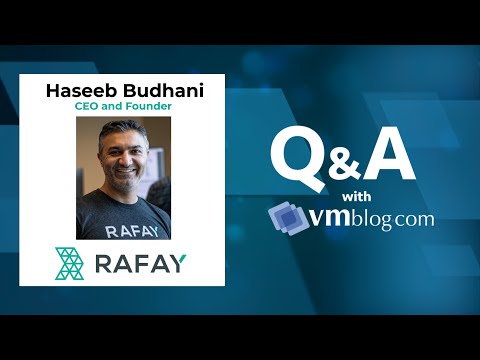
He spent a year at Akamai as VP of Enterprise Strategy. Then he left to co-found Rafay Systems. The hunch was precise: enterprise platform teams were spending enormous cycles reinventing container lifecycle management from scratch, each company building the same operational scaffolding that should have been a product. Rafay would be that product.
What's striking about Budhani's arc is the pattern: he keeps gravitating toward the layer below the application - the infrastructure plumbing that enterprises need but don't want to build. At Citrix, it was application delivery. At Orbital Data and Infineta, it was WAN optimization and data deduplication. At Soha, it was Zero Trust access before Zero Trust had a name. At Rafay, it's Kubernetes operations - and increasingly, GPU and AI infrastructure.
Soha was backed by Andreessen Horowitz and Menlo Ventures, and named a Gartner Cool Vendor in 2016 - the same year Akamai bought it. Rafay has replicated that trajectory with more scale: $37.1M raised across seed through Series B, a Gartner Cool Vendor win in 2023, and the kind of enterprise customer roster (Verizon, Guardant Health, MoneyGram) that makes the category real.
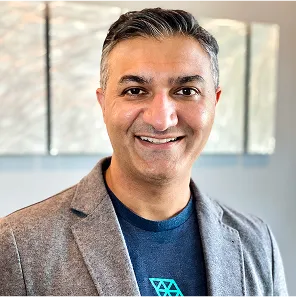
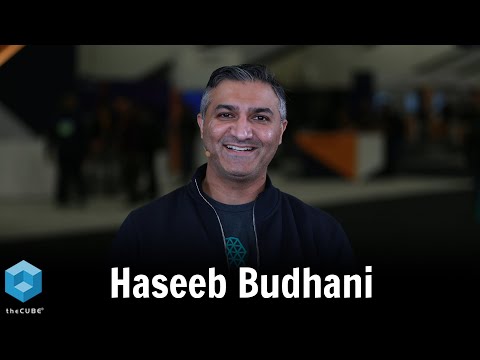
The Berkeley MBA (Haas, class of 2006) who also holds a Computer Science degree from USC navigates both worlds with unusual fluency. He writes technical blog posts. He keynotes analyst conferences. He pitches Verizon. He's the kind of operator that emerges once per industry cycle - someone who understands the code and can explain the business case for it in the same breath.
Rafay's growth in 2024 was the kind of number that changes the conversation: revenue doubled to $25.1M ARR while the number of Kubernetes clusters under management more than doubled. That's not just growth - it's compounding density. The platform gets more valuable the more it manages, and more enterprises are choosing to have Rafay manage it.
In 2025, the GPU era arrived at Rafay's doorstep. The same operational complexity that plagued Kubernetes in 2017 - lifecycle management, multi-tenancy, security, cost control - now applies to GPU infrastructure and AI workloads. Budhani saw it coming. Rafay integrated with NVIDIA Enterprise AI Factory, partnered with Cisco for GPU cloud on AI PODs, and launched Token Factory in 2026: a platform that lets GPU providers monetize token-metered access to AI models. It's a bet that the infrastructure operations layer for AI will be as valuable as it was for containers - and that Rafay gets to own it.
He is based in Menlo Park. Rafay's headquarters is in Sunnyvale - a 15-minute drive and a full infrastructure generation apart from where he started.