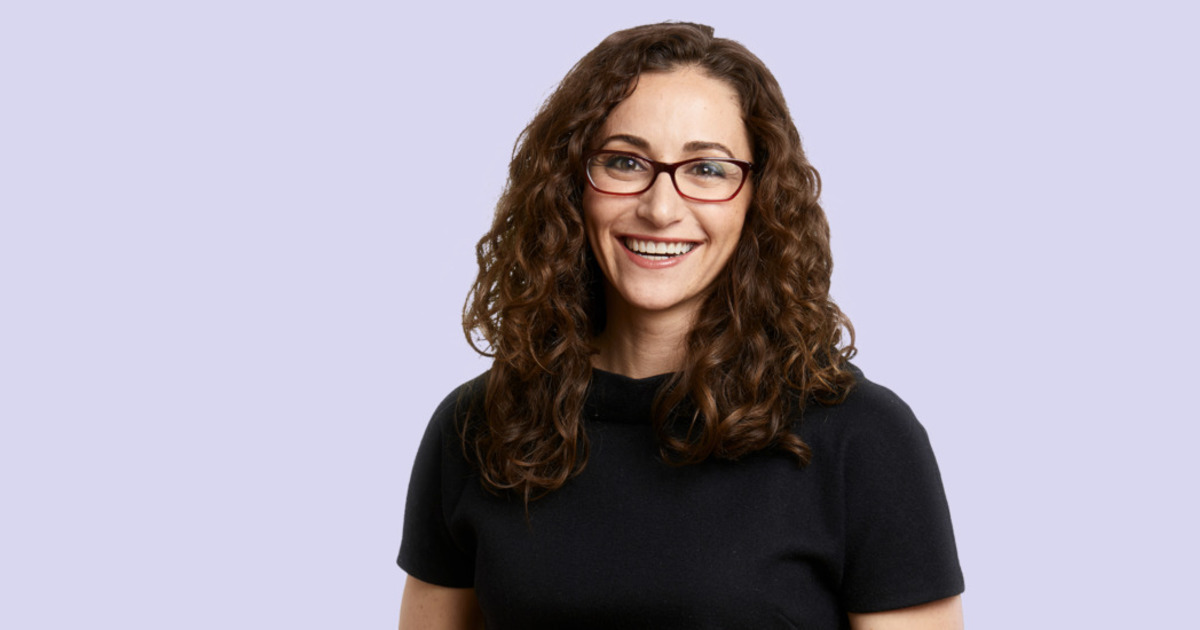
In 2018, Julie Grant walked into a meeting that most venture capitalists would have scheduled with a founder. Instead, she sat in the founder's chair. Together with pediatric oncologist Dr. Sam Blackman, she co-founded Day One Biopharmaceuticals - and then served as its CEO. Two people in a VC office, building something the pharmaceutical industry had largely refused to build: cancer treatments designed for children.
The FDA had approved more than 200 oncology drugs for adults over two decades. Fewer than ten had been approved for pediatric patients. There was a median 6.5-year gap between an adult trial completing and a pediatric trial even beginning. Ninety-five percent of childhood cancer survivors develop significant health conditions by age 45 - often from the toxicity of treatments designed for adult bodies. Grant saw a moral imperative and a market failure at once, which is exactly the kind of problem she was built to solve.
Day One raised $60 million in its Series A from Canaan, Atlas Venture, and Access Biotechnology. Its lead asset, DAY101 - an oral, first-in-class pan-RAF inhibitor - targeted genetically-defined pediatric cancers by molecular profile rather than patient age. The company eventually hit a valuation north of $1.5 billion and was acquired by Servier. Grant moved from the boardroom to the board, where she continues as chair.
Before all of this, there was Yale - where Grant studied Molecular Biophysics and Biochemistry and won a national sailing championship. Then Cambridge, for an MPhil in BioScience Enterprise. Then Goldman Sachs. Then Genentech, where she spent years in the commercial trenches of oncology - building brand plans, recommending modifications to Phase III trial designs, and learning how the industry actually works from the inside. She arrived at Canaan in 2013 carrying something most investors don't have: she knew what it felt like to be the person responsible for getting a drug into a patient's hands.
That operational depth defines her approach. When Grant invests in or incubates a company, she has played several of the roles that company will need to fill. She knows the difference between a scientifically elegant idea and a commercially viable one. And she knows, from her years at Genentech, where the translation usually breaks down.
Her portfolio beyond Day One reflects the same instinct: find the biological insight that the market has mispriced because the patient population is too small, too underserved, or too difficult to reach. Protagonist Therapeutics pursued peptide-based therapies for rare diseases and blood disorders. Nocion Therapeutics explored peripheral nervous system biology for neurogenic inflammation. Synthekine designs what it calls "synthekines" - engineered versions of cytokines - for immuno-oncology and autoimmune diseases. Cellular Research, acquired by Becton Dickinson, was building single-cell sequencing technology before the market quite knew what to do with it.
In 2023, President Biden appointed Grant to the National Cancer Advisory Board - the federal body that advises the National Cancer Institute. The appointment put her in a room with researchers, clinicians, and policy architects at the highest level of U.S. cancer strategy. For Grant, it wasn't a departure from her day job. It was a continuation of the same argument she'd been making since she co-founded Day One: the system can and must do better for patients who fall outside the center of the Venn diagram.
She is the fourth woman to become a General Partner at Canaan. In 2017, the San Francisco Business Times named her to its 40 Under 40 list. She runs investments out of San Francisco, hikes and skis the western mountains on weekends, and has Japan's ski slopes on her bucket list. She grew up near The Second City comedy club in Chicago - which may explain something about her willingness to take a room full of skeptical VCs and convince them to fund a children's cancer company.
One detail she includes on her Canaan profile under "things I can't live without": dark chocolate, consumed daily. The sailing trophy from her Yale days lives somewhere in the past. What remains is the same quality that won it - patience, precision, and an absolute refusal to stop before the finish line.
The Gap That Built Day One - FDA Oncology Approvals Over 20 Years
Source: Day One Biopharmaceuticals founding thesis. Gap identified by Grant & Blackman, 2018.
Yale University
B.S. in Molecular Biophysics and Biochemistry. Won a national collegiate sailing championship. The science was foundational; the sailing was formative.
Cambridge University
M.Phil. in BioScience Enterprise - the degree that sits between bench science and the board table. Cambridge gave Grant the language to move between worlds.
Goldman Sachs
Early career in finance. Built the capital markets fluency that every biotech investor eventually needs.
Genentech
Roles spanning business development, commercial, and cross-functional management in oncology. She built brand plans. She sat in on Phase III design discussions. She learned where promising drugs go to die.
Stanford GSB
M.B.A. from Stanford's Graduate School of Business - the credential that comes after the experience, not before.
2013 — Canaan
Joined Canaan as investor, West Coast, focused on biopharma. Began incubating and building alongside portfolio companies rather than just funding them.
2017
Named to San Francisco Business Times 40 Under 40 - recognition of an approach to investing that was already distinct from the standard venture playbook.
2018 — Day One
Co-founded Day One Biopharmaceuticals with Dr. Sam Blackman. Served as founding CEO while continuing her role at Canaan. $60M Series A. The company grew to a $1.5B+ valuation before acquisition by Servier.
2023
Appointed by President Biden to the National Cancer Advisory Board. One of six appointments announced in February 2023.
2024
Day One Biopharmaceuticals acquired by Servier. Grant continues as General Partner at Canaan and as board chair of Day One. Featured on the BioVenture VoiCes podcast discussing the future of biopharma investing.