PROFILE / 2026
The Price of Expertise
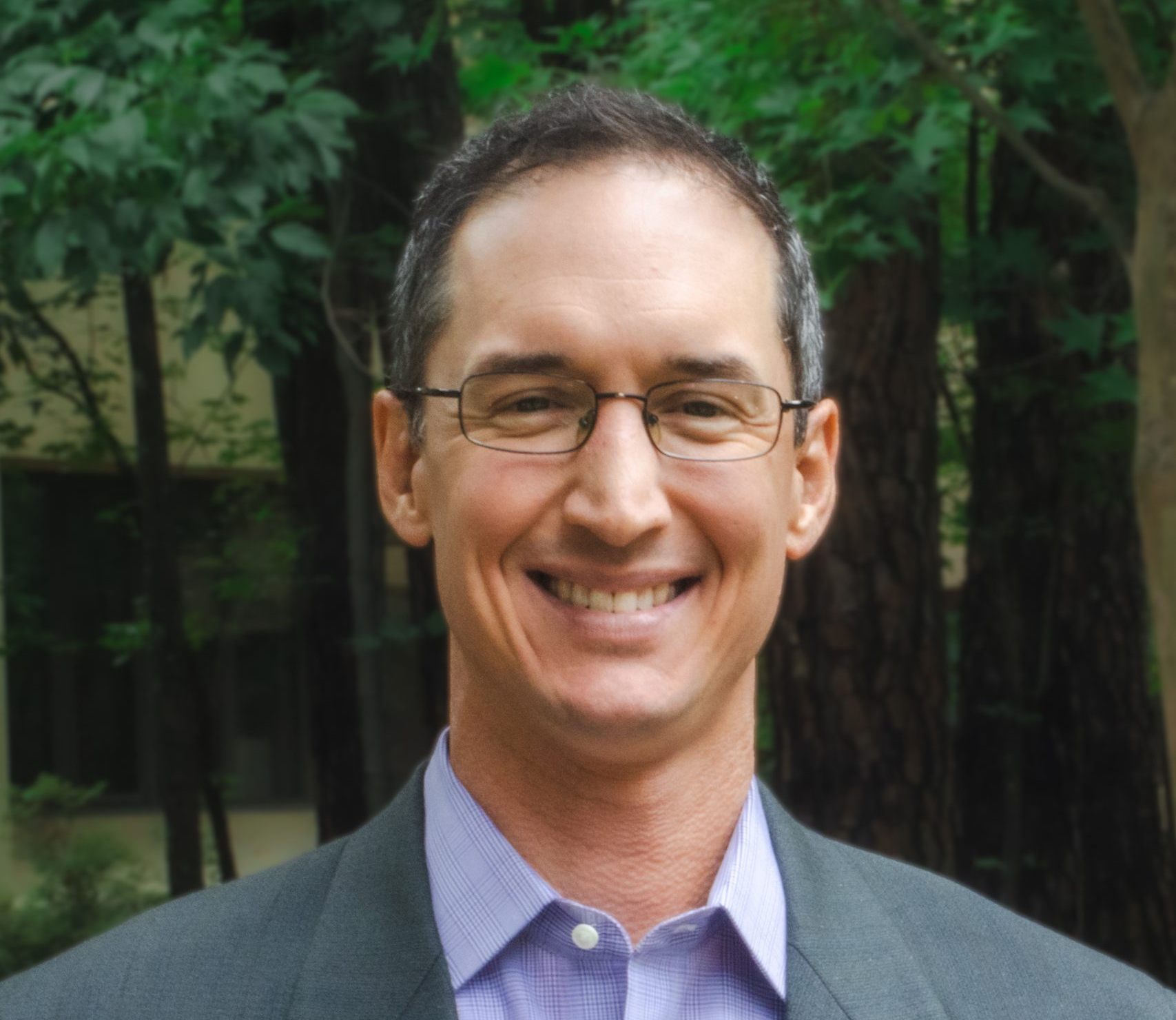
Eric Bolesh
He can tell you what a cardiologist in Bulgaria gets paid for an hour of their time. For 130 markets, he can tell you the whole range. That precision is the business.
He can tell you what a cardiologist in Bulgaria gets paid for an hour of their time. For 130 markets, he can tell you the whole range. That precision is the business.
Walk into any pharmaceutical compliance meeting and ask a deceptively simple question: how much should we pay this physician to sit on our advisory board? The room goes quiet. Pay too little and the expert walks. Pay too much and a regulator may call it an inducement. Somewhere in that anxious gap sits Eric Bolesh, and the number he hands back is one the lawyers can defend.
Bolesh is the Chief Executive Officer of Cutting Edge Information, a market-research firm in Research Triangle Park, North Carolina that has quietly become the reference standard for fair market value (FMV) data in life sciences. The work sounds dry until you realize what it actually does: it converts a vague compliance fear into a transparent, percentile-ranked number. More than 300 biopharma and medical-technology companies treat that number as gospel.
What makes him unusual is the climb. Bolesh joined Cutting Edge Information in 2002 as one of its very first employees. Two decades later he runs it. Most executives collect logos on the way up; he stayed in one building and watched a startup become the thing everyone benchmarks against.
Role: Chief Executive Officer, Cutting Edge Information
Since: 2002 (employee #1 era)
Education: Harvard University
Field: Fair market value & HCP engagement
Based: Research Triangle Park, NC
We hold a mirror up to industry. We can provide detailed insights showing what a Cardiologist in Bulgaria or a Pharmacist in the UK is paid.
There are several ways to set a rate for a healthcare professional. Bolesh favors the one that survives an audit: collect the actual rates that pharma, biotech, and medical-tech companies really pay, then read the distribution.
The answer is not a single figure. It is a range. Everything between the 25th and 75th percentile is fair, appropriate, and defensible. That reframing - from a number you justify to a band you cite - is the whole game.
It is data-driven, transparent, and built to answer the regulators and industry bodies whose guidance keeps multiplying.
"For specific roles across 130 markets, we can produce the range of hourly rates paid by industry."
"The range from the 25th to the 75th percentile is the fair market value; these are the appropriate and defensible rates for a given role."
"It's a chicken and the egg situation: current industry approaches tend not to differentiate a great deal among patients."
"There is an appetite for establishing tiering, but we are at an early point in the evolution of FMV for patients."
The settled questions bored him into solving new ones. The hard frontier now is patient remuneration - paying patients for their time and insight, where the data barely differentiates.
Then come inflation, influencer compensation, travel-time adjustments, and the awkward math of virtual-versus-in-person rates.
Early innings, by his own admission.
Fair market value is not glamorous. It is spreadsheets, percentiles, and 130 columns of country data. But it is also the thin line between a legitimate expert engagement and a headline-making compliance failure. Bolesh built his reputation on the unglamorous side of that line, and the industry rewarded the discipline by quietly agreeing to use his firm's numbers as the default.
His instinct for the vivid example - the Bulgarian cardiologist, the UK pharmacist - is the trick of someone who has explained an abstract methodology to enough nervous compliance officers that he knows exactly which detail makes it click. He does not sell certainty. He sells a defensible range, and a paper trail to back it.
The result is a career with no flashy pivots and one genuinely rare line on the resume: he helped build the company, and then he got to run it.