Puffco Turned the Dab Rig Into a Smart Device - And a Movement
Roger Volodarsky wanted a cleaner hit without the blowtorch. A decade later, his company sells app-controlled smart rigs to more than a million people and throws its own cannabis block party.
In 2012, Roger Volodarsky borrowed a friend's G Pen and had what he later described as a life-changing hit. The device was crude, the flavor was thin, and the experience was nothing like the ritual he thought cannabis concentrates deserved. A year later, on what he has called a dare from a friend, he started building his own vaporizers out of the basement of a family apartment. That side project became Puffco - a Los Angeles company that spent the next decade convincing a skeptical, torch-wielding subculture that dabbing could feel less like chemistry class and more like unboxing a phone.
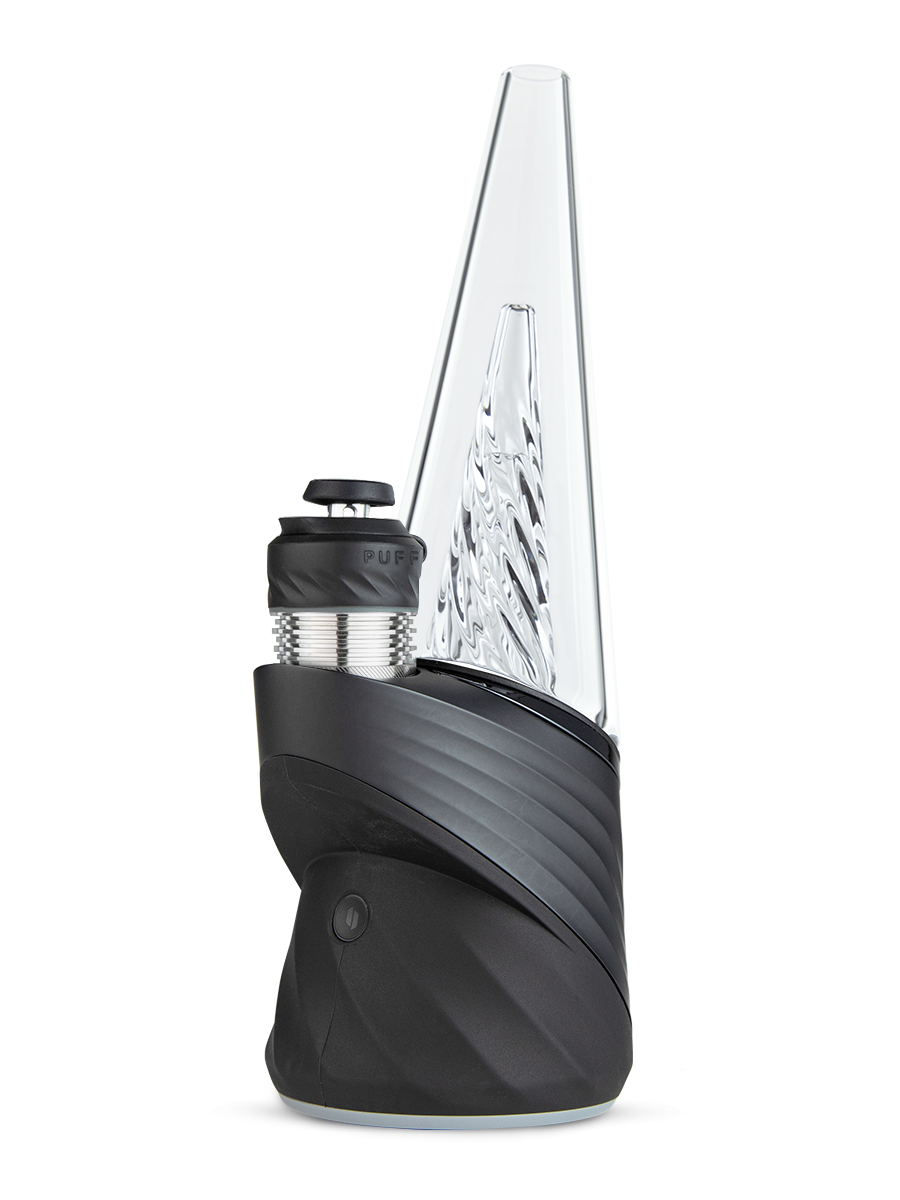
Today Puffco is one of the most recognized names in cannabis hardware. Its flagship, the Peak Pro, is a smart electronic dab rig you calibrate from a smartphone app. Its Proxy squeezes that same experience into something you can pocket. And its annual PuffCon block party fills a Los Angeles studio lot with music, glassblowing, and clouds of vapor. The company reports a community of more than a million customers, built with no disclosed venture funding.
The scary ritual, made friendly
To understand what Puffco did, you have to understand what dabbing used to look like. A dab is a small dose of concentrated cannabis extract - wax, shatter, rosin, the potent stuff. The traditional way to consume it involved a glass rig, a metal or quartz "nail," and a butane blowtorch. You heated the nail red-hot, waited for it to cool to the right temperature by feel, dropped the concentrate on, and inhaled. It was effective and, for newcomers, genuinely intimidating.
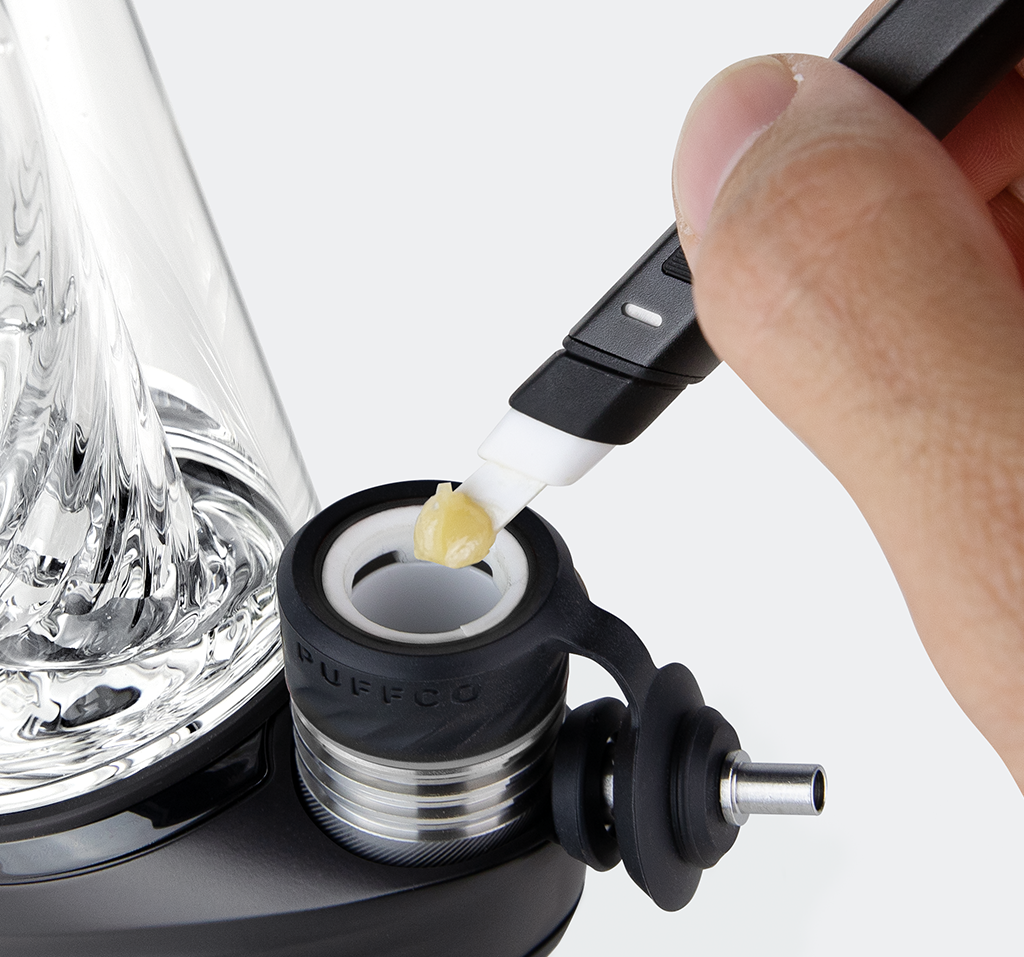
Puffco's core insight was not a new chemistry. It was a reframing: take a ritual people loved but feared, and remove the fear without removing the ritual. Replace the torch with a battery. Replace guesswork with temperature presets. Replace the hot nail with a ceramic chamber that heats evenly and consistently. What is left is the flavor, the vapor, and the social moment - minus the open flame.
A product line that reads like a ladder
The company's release history is a study in patience. It started premium, earned trust, then worked toward portability and price. The first products - the Puffco Classic and Puffco Pro - were portable concentrate pens; the Pro was named High Times Best Vaporizer of the Year in 2015. That credibility set up the 2018 launch of the Peak, widely described as the first smart electronic dab rig, with ceramic heating, four temperature settings, water filtration, and haptic feedback that buzzed when your dab was ready.
The 2020 Peak Pro added the pieces that made it feel like a real consumer-electronics device: a real-time-tracking ceramic 3D chamber, Bluetooth control through the Puffco app, wireless and USB-C charging, and an LED base you could recolor from your phone. Then came the modular Proxy in 2022, a chamber that detaches and connects to different glass, priced around $250 against the Peak Pro's roughly $420. The Pivot pen followed in 2024, and accessories like the Cupsy flower bubbler widened the line beyond concentrates.
What it costs, and what the price buys
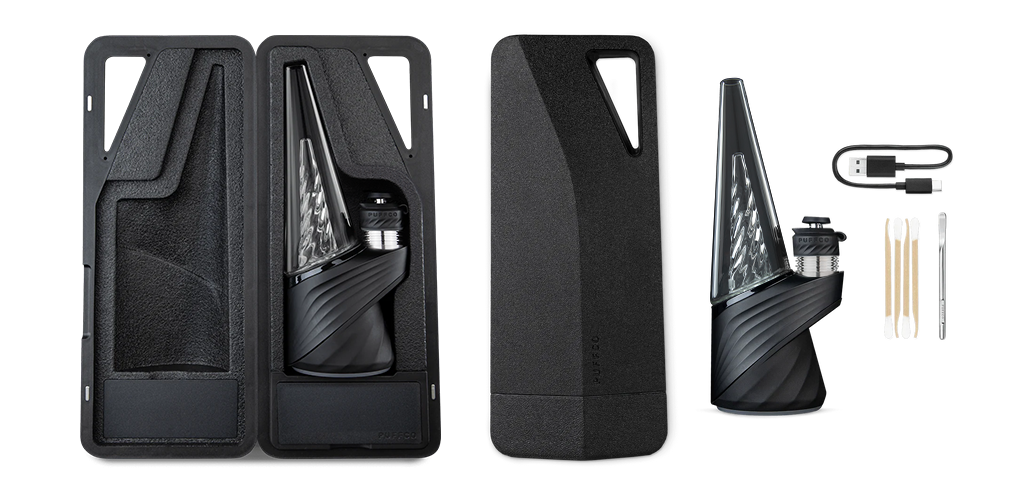
Puffco competes on feel, not price. A Peak Pro runs about $420; a Proxy about $250. In a market full of cheaper torch-and-glass setups, that is a deliberate premium. What it buys is the ceramic chamber, the app, the presets, the haptics, and a finish that reviewers repeatedly compare to Apple's. The Proxy's later revisions leaned into that: a deeper chamber to cut splashback, longer battery life, and improved stock glass.
The business model follows the razor-and-blade logic of any serious hardware brand. Devices sell direct through puffco.com on Shopify and through a network of authorized dispensaries and smoke shops, with international distribution on top. Around that sits a recurring stream: replacement atomizers, chambers, glass, and accessories that wear out or get upgraded. Third-party aggregators peg annual revenue somewhere in the tens of millions - a figure worth treating as approximate.
Who actually buys this
Puffco's customer runs from the curious newcomer, drawn in precisely because there is no blowtorch, to the self-described connoisseur who argues about temperature curves the way audiophiles argue about amplifiers. That range is the point. The premium tier and the app give enthusiasts something to obsess over; the removal of intimidation makes the whole category approachable to people who would never light a torch. The buyers concentrate in legal U.S. markets, with reach abroad.
The company treats those buyers less like a customer list and more like a fan base. Its most visible expression of that is PuffCon, an annual Los Angeles block party that started as a fan-appreciation gathering and grew into a multi-stage festival with live entertainment, art installations, food, and live glassblowing. In 2025 it expanded to two days at Los Angeles Center Studios, adding a public access day. When a hardware company can fill a block party, it has stopped selling only products and started renting belonging.
Puffco at a glance
- Founder & CEORoger Volodarsky
- HeadquartersLos Angeles, CA
- CategoryCannabis concentrate hardware
- FlagshipPeak Pro smart rig
- Signature eventPuffCon (annual, LA)
- FundingBootstrapped
How it stands apart
Puffco's competitors include Dr. Dabber, Storz & Bickel (the Volcano and Venty, now under Canopy Growth), PAX Labs, and G Pen, plus the ever-present alternative of a traditional glass rig and torch. The technical ingredients are not secret - a battery, a controller, a heated ceramic chamber. What has been hard to copy is the taste, in both senses: the flavor of the vapor, and the design taste that makes people willing to pay a premium and then show the thing off.
That is the frustration-turned-moat at the center of the story. Volodarsky, the son of Ukrainian Jewish immigrants who came to Brooklyn in the 1980s, built the company out of his own dissatisfaction with what existed. He has called cannabis "the American Dream." The product decisions - premium first, portable later, community always - flow from treating concentrate consumers as people who deserve a refined experience rather than a compromise.
The engineering people argue about
Under the finish sits a specific set of choices. Puffco leaned on ceramic heating rather than exposed quartz, which trades a little raw punch for even, repeatable heat and a cleaner flavor. Its 3D chamber design heats concentrate from more than one surface, which is what reviewers point to when they say a Puffco session tastes fuller than a torch-and-nail hit. The app layer turns those physical parts into adjustable software: you set the temperature, the session length, the LED color, and the device reports back in real time. For enthusiasts, that turned a fixed piece of hardware into something you tune, share, and debate.
The company is roughly 150 people and describes a 100-plus-person core team based in Los Angeles. It sits inside cannabis culture rather than adjacent to it, staffing an engaged digital community across its app, Discord, and social channels, and hiring from a scene that already knew the products. That proximity is part of why the roadmap tracks what customers actually complain about - splashback, battery life, portability - rather than spec-sheet bragging rights.
Where it fits in the market
Puffco sits at the premium end of a fragmented, regulation-bound market. Cannabis hardware is legal to sell more broadly than cannabis itself, which lets the company operate a direct-to-consumer storefront alongside dispensary retail and navigate a patchwork of state rules. Its position is closer to a design-led consumer-electronics brand than a commodity accessory maker - it competes on experience, community, and iteration rather than on being the cheapest coil in the case.
What can a reader take from it? The playbook is portable well beyond vaporizers: find a ritual people love but fear, remove the fear without stripping the ritual, ship the premium version first to earn credibility, then ladder down to portability and price. Build recurring revenue into the accessories. And turn your customers into a community you can gather in one place. It would not work for everyone - it needs a category with real ritual, buyers willing to pay for feel, and a founder obsessive enough to sweat the chamber, the app, and the LED color. Puffco had all three.