Speaqua Makes the Speaker You Can Actually Throw in the Ocean
A University of San Diego grad and a few surf buddies built a floating, suction-cupped Bluetooth speaker for people who keep dropping electronics in the water. A decade later, the Barnacle is still stuck to the wall.
Most companies pitch you a story about resilience. Speaqua Sound Co. pitches you a speaker you can drop in a pool, forget about, and fish out an hour later still playing. The San Diego brand builds Bluetooth speakers rated IP68 - the highest common waterproof grade - that float, cling to almost any surface with a suction cup, and, unusually, keep playing while fully submerged. The flagship product is called the Barnacle, and the name is not an accident. It is designed to stick to things, near the sea, and refuse to let go.
The idea started, like a lot of good hardware, with a specific annoyance. Founder Stevie Patsis was a University of San Diego student spending long hours in the water on surf trips, and he kept ruining ordinary electronics. He was also working in his father's custom-manufacturing and supply-chain business, which meant he had something most annoyed surfers do not: a direct line to a factory. He wanted a speaker that could travel to remote breaks, survive saltwater and sand, and still sound good. Around 2014 he started drawing one.
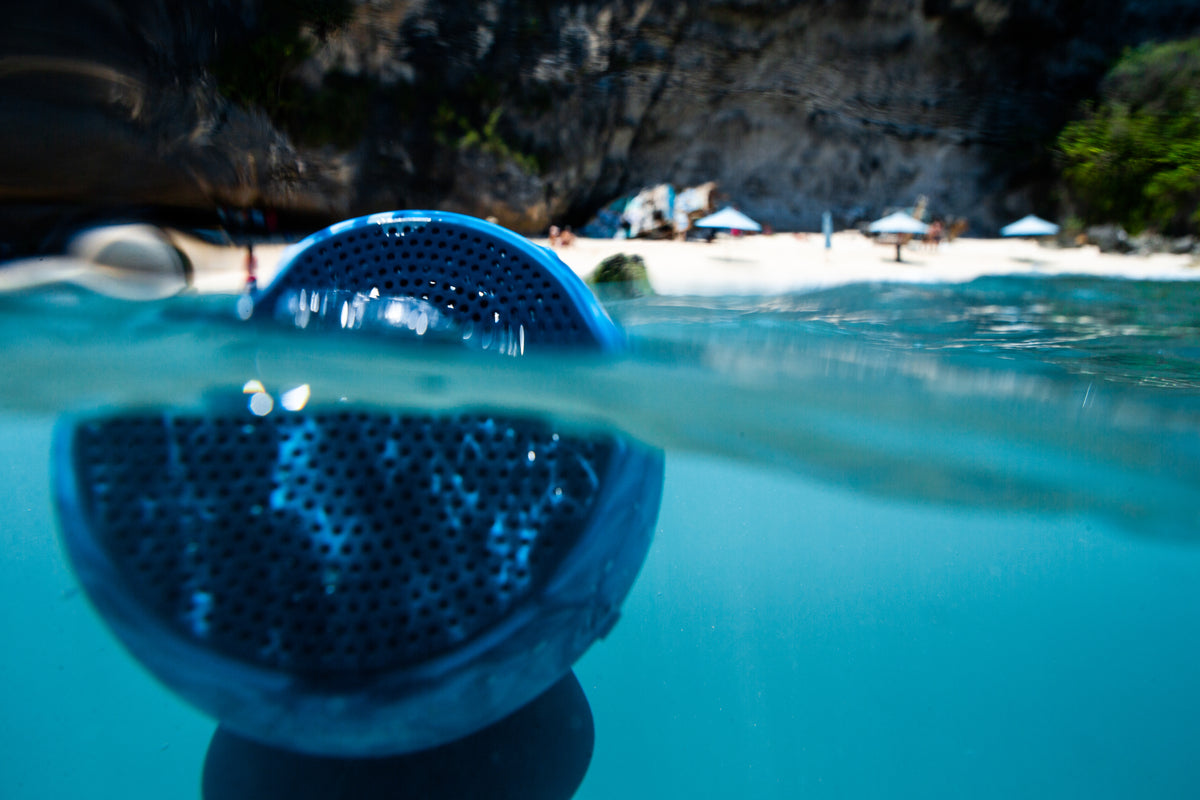
The ProductA speaker shaped like the problem it solves
The first Barnacle shipped around 2015: tennis-ball sized, floatable, with a suction cup on the bottom and a launch price near $40. It sold through surf shops, the USD ToreroStore, and Instagram. The core insight has not changed since. A waterproof speaker is not really about audio specs - plenty of speakers sound fine. It is about where you can put the thing. So Speaqua made the mount the point.
Today's Barnacle Pro 2.0 ships with what the company calls a 4-in-1 mounting system: a suction cup, a carabiner clip, a universal thread, and a GoPro adapter. That last one matters more than it sounds - it means the speaker snaps into the enormous ecosystem of GoPro mounts already bolted to bikes, boards, roll bars and helmets. The speaker also carries roughly 8GB of internal storage, about 2,000 songs, so it works with no phone in range at all. Leave your phone in the dry bag; the music stays on the water.
The differentiator Speaqua leans on hardest is what it calls Water-Play technology: the speaker keeps producing sound even when it is underwater, rather than just surviving the dunk and going quiet. Add floatation, a built-in microphone for calls, dust and sand resistance, shockproofing, and roughly eight hours of battery, and you get a device engineered around a single scenario - the messy, wet, sandy edge of a day outside - instead of the living room.
In practice, that scenario is broader than surfing. Clip a Barnacle to a backpack for a hike, suction it to the inside of a kayak, thread it onto a GoPro mount on a jet ski, hang it from a beach umbrella, or stick it to the tile in a steamy shower. Golfers strap it to a cart rail; boaters leave it on deck through the spray; parents hand it to kids at the pool without a second thought. Because it stores music internally, it also covers the dead-zone case - the campsite with no signal, the dive boat an hour offshore - where a phone-tethered speaker simply stops.
The LineupOne idea, four price points
Speaqua has done the sensible thing a maturing hardware brand does: it built a ladder. At the bottom sits the Cruiser H2.0 at $34.99, which also works as a bottle opener - a joke and a feature at once. The Barnacle Pro 2.0 is the workhorse at $69.99. The Barnacle Vibe 3.0 steps up to $99.99. At the top, the Barnacle X runs $149.99 and adds RGB smart lighting plus Party Pairing that can chain 150-plus speakers into one synchronized system. Accessories and mounts fill in the $2.99 to $19.99 gaps.
Speaqua price ladder
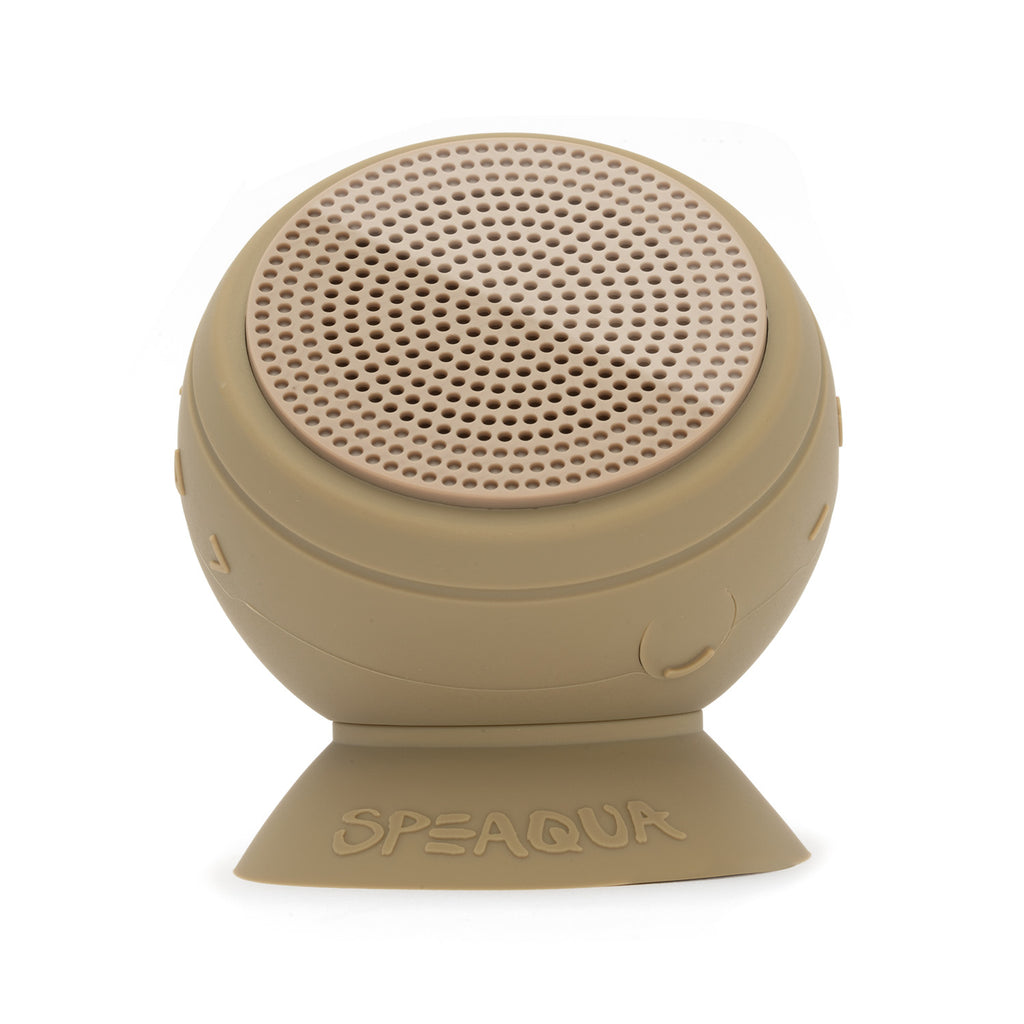
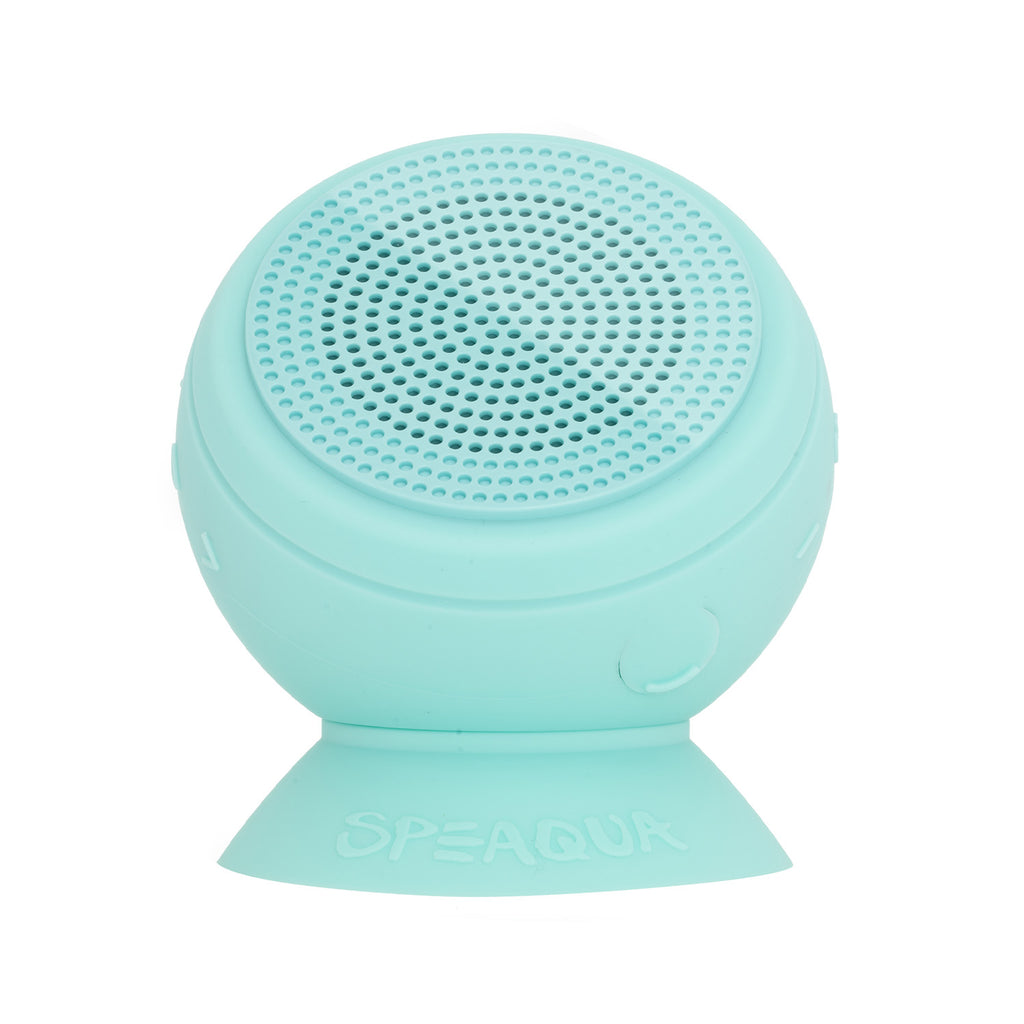
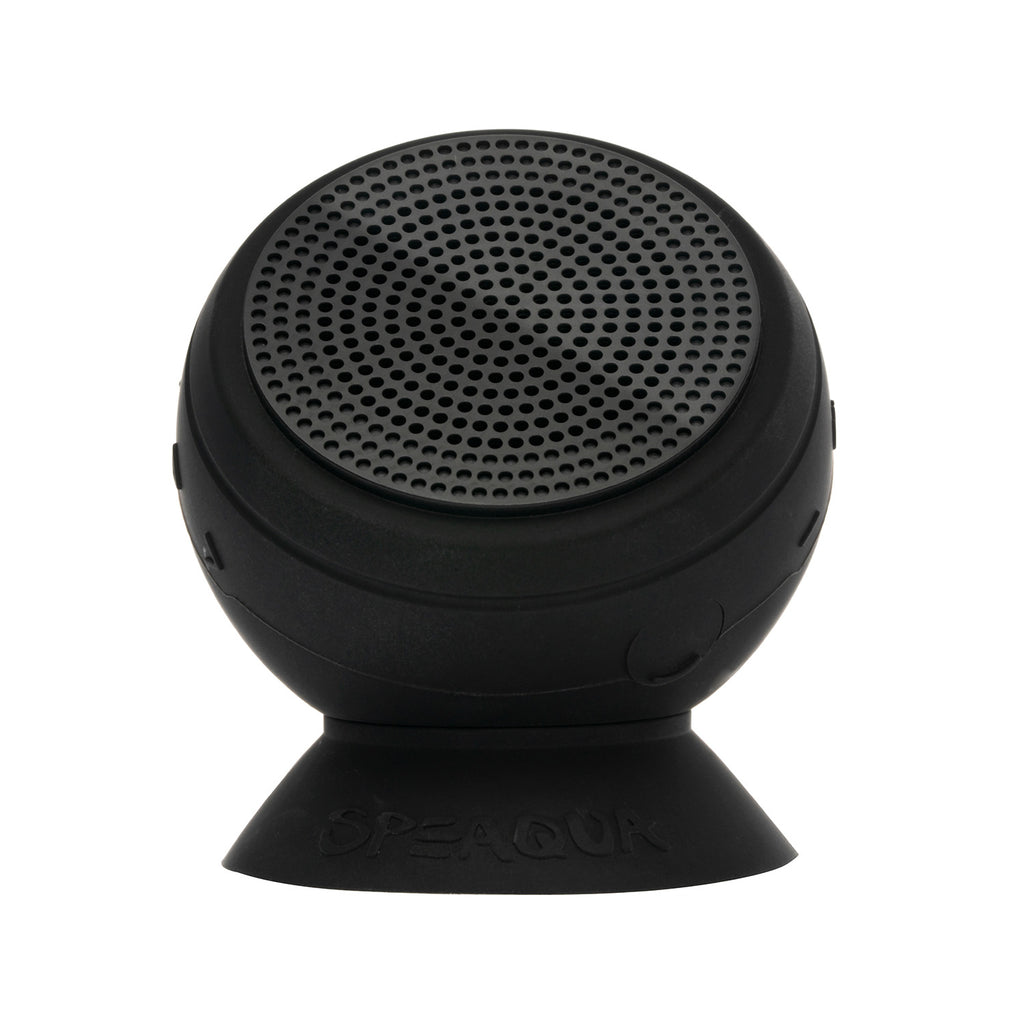
The same shape carries through the whole range, which lets Speaqua do the other thing it is good at: colorways and collaborations. The Pro 2.0 alone comes in Pelagic Blue, Dune, Seaglass, Manta Ray Black and Tidal Blue, plus licensed editions for the Rolling Stones, SpongeBob SquarePants, golf, pickleball and a USA design. Each drop is, functionally, a new reason to buy the same well-understood product again.
The FightWhy it isn't trying to beat JBL
Speaqua is a small operation - roughly ten people and an estimated $665,000 in annual revenue - sharing a category with JBL, Bose, Ultimate Ears and Sony. It does not try to out-spec them on loudness or bass. It competes on a narrower promise those brands treat as an edge case: you can throw this one in the water, on purpose, over and over. Most "waterproof" speakers are built to survive an accident. Speaqua's are built to be used wet.
A typical waterproof speaker
- Survives a splash, then goes quiet
- Sinks if it goes under
- Needs your phone nearby
- One way to carry it
The Speaqua Barnacle
- Keeps playing while submerged
- Floats back to the surface
- Stores ~2,000 songs onboard
- Mounts four different ways
The business behind it is straightforwardly modern: direct-to-consumer through a Shopify storefront, email via Klaviyo, plus Amazon and a scattering of surf and lifestyle retailers across the US and South America. There is no disclosed venture funding. The company's advantage is the founder's manufacturing background, which keeps unit costs low enough to hold that $34.99-to-$149.99 range while still selling durable hardware.
Where it fits in the market is a useful question. The portable-Bluetooth-speaker category is enormous and crowded, and a ten-person brand cannot win it on marketing spend. Speaqua's answer is to sit in the specialist corner - outdoor and water sports, active-lifestyle audio - where the giants show up as generalists and a purpose-built product can feel like the obvious pick. That is a smaller pond, but it is one where "the speaker that plays underwater and floats back to you" is a complete sentence, not a footnote.
The Hard PartThe batch that almost sank it
It was not a clean ride. An early production run of roughly 10,000 units shipped with a static-electricity defect, the kind of problem that can end a young hardware company outright. Patsis has been candid that manufacturing overseas came with a steep learning curve - "communication is a huge barrier," he noted of the early work with factories abroad. The company worked through it and kept shipping, which is the unglamorous difference between a good idea and a real product line.
The PeopleA college crew and a factory floor
Speaqua's origin is unusually collegiate. Patsis built the first team out of University of San Diego students - a group that included Blake Ferraro, Tyler Howard, Gill Soranejo, Zack Hines and Steven Melendez, who signed on to run global marketing and sales and today serves as co-founder, CMO and creative director. It was, for a while, a group of seniors turning a class-project energy into purchase orders, distributing through their own campus store before they had anything resembling a national footprint.
The expertise that made it credible sat one generation up. The founder's family runs a custom-manufacturing and supply-chain operation, with decades of experience managing high-tech electronics production across North America, Asia and Latin America. That is not a detail you can fake into a pitch deck; it is the reason a college venture could specify tooling, source components and hit an aggressive price without an outside round. For a hardware company, the supply chain is the moat, and Speaqua started with one already dug.
There is a lifestyle layer too, and Speaqua does not hide it. The brand calls its customers the "good vibe tribe" and pairs the product with messaging about community and taking care of local environments. It grew out of surf culture - early partnerships included Skudin Surf and the Fulcrum Surf camp in Del Mar - and the audience is anyone whose good days happen near water: surfers, boaters, campers, golfers, and the far larger group that just wants a speaker for the pool, the beach or the shower that they never have to baby.
The lesson worth stealing is small and repeatable. Speaqua did not invent a new audio technology or chase a spec war. It found one situation where the big brands hedge - genuine, repeated contact with water - and built the entire product, name, mounts and marketing around owning it. Then it put its logo on the one part of the speaker you see when it is doing its job: the suction cup, stuck to the wall.