Company Profile / Consumer Hardware / Houston, TX
The Speaker Four Friends Built Because Everything Else Broke
Turtlebox Audio spent more than a decade turning a Buffalo Bayou garage project into one of America's fastest-growing private companies - by building a speaker loud and tough enough to outlast the water, the drops, and the duck blind.
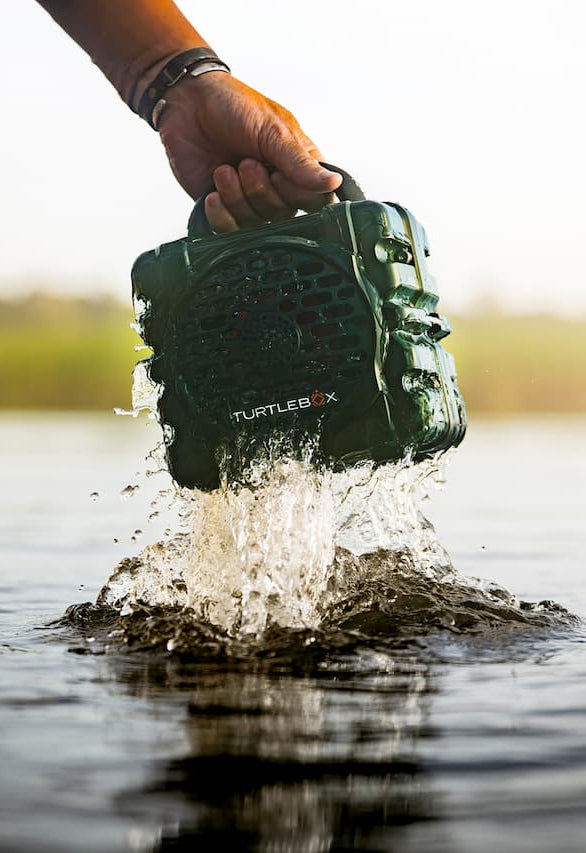
Somewhere off the coast of Alaska, a boat went down. Months later, one of the few things recovered from the wreck was a battered plastic box that had been floating and submerged the whole time. It was a Turtlebox speaker. According to the company, it still worked. That is the kind of story you cannot buy in an ad campaign, and it is roughly the entire pitch behind Turtlebox Audio: a speaker built to survive the situations that kill everything else.
The company makes rugged, waterproof, deliberately overbuilt Bluetooth speakers for people who spend their weekends on boats, in duck blinds, at deer camp, on the water and in the back of a truck. It sells them directly to consumers from a Houston headquarters, and over the past few years it has quietly become one of the fastest-growing private companies in America - No. 209 on the 2024 Inc. 5000 and No. 84 in 2025 - without taking a dollar of venture money.
01 / Born on the bayouFour friends, one acre, a lot of broken speakers
The origin is almost suspiciously on-brand. Around 2012, four friends - Will Bradley, Jonathan McKenzie, Reagan Fincher and Jeff Bezner - were living together on an acre along Buffalo Bayou in Houston, sharing a sailboat and spending most of their free time on the water. They kept running into the same problem: portable speakers were not built for the outdoors. Salt water killed them. Drops killed them. And the ones that survived were never loud enough to hear over a boat engine.
So they built their own in a garage. Marine-grade components throughout, airtight construction, a Class-D amplifier tuned to be genuinely loud. It was not meant to be a business. It was meant to be a speaker that would stop breaking.
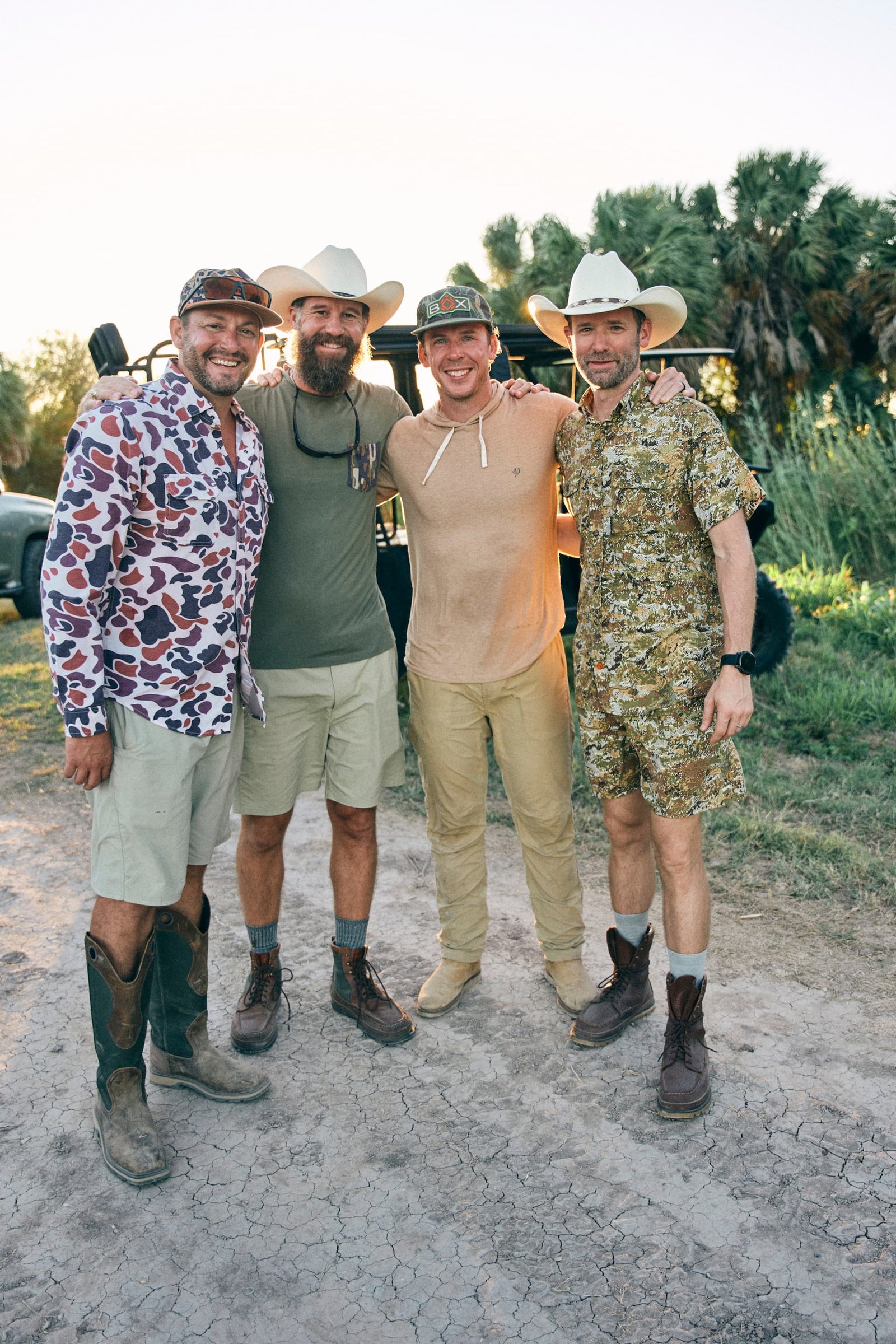
The motto came from the house itself. A sign hung over the back door that read "Live Free." It became the company's north star - shorthand for doing things without much regard for what other people think, from buying a boat on impulse to throwing the door open to whoever wanted to come hang out. It is now printed on the brand, but it started as a piece of wood over a doorframe.
"We needed something to be loud, but also could get water all over it."
The founding problem, in one sentence02 / The slow part50 units by hand, and a day job until midnight
What happened next is the part most founders skip when they tell their own story. Turtlebox did not explode. Friends started asking where they could buy one, so the team built roughly 50 units by hand and sold them to their immediate circle. For years, all four kept their full-time corporate jobs and worked on Turtlebox from about 9 p.m. to midnight. It was a side hustle before it was a company, and it stayed that way long enough to prove the demand was real.
That patience shows up in the product philosophy. Turtlebox tests its speakers past the point of reason - dropping them off ladders, leaving them submerged, running them through temperature extremes - on the theory that if the speaker survives abuse it will never see, it will shrug off the abuse it will. The Alaska story is the folklore version of that testing lab.
03 / The lineupFour sizes, one job: be the loudest thing at the lake
Today the catalog spans four speakers, priced from $250 to $730, so a buyer can pick a size rather than a spec sheet. The flagship Original (now on its third generation) is the one most people picture: it plays up to 120 decibels, carries an IP67 waterproof rating, floats, runs 25-plus hours on a charge, and pairs over Bluetooth 5.4 with a 6x9 woofer and a titanium tweeter doing the work.
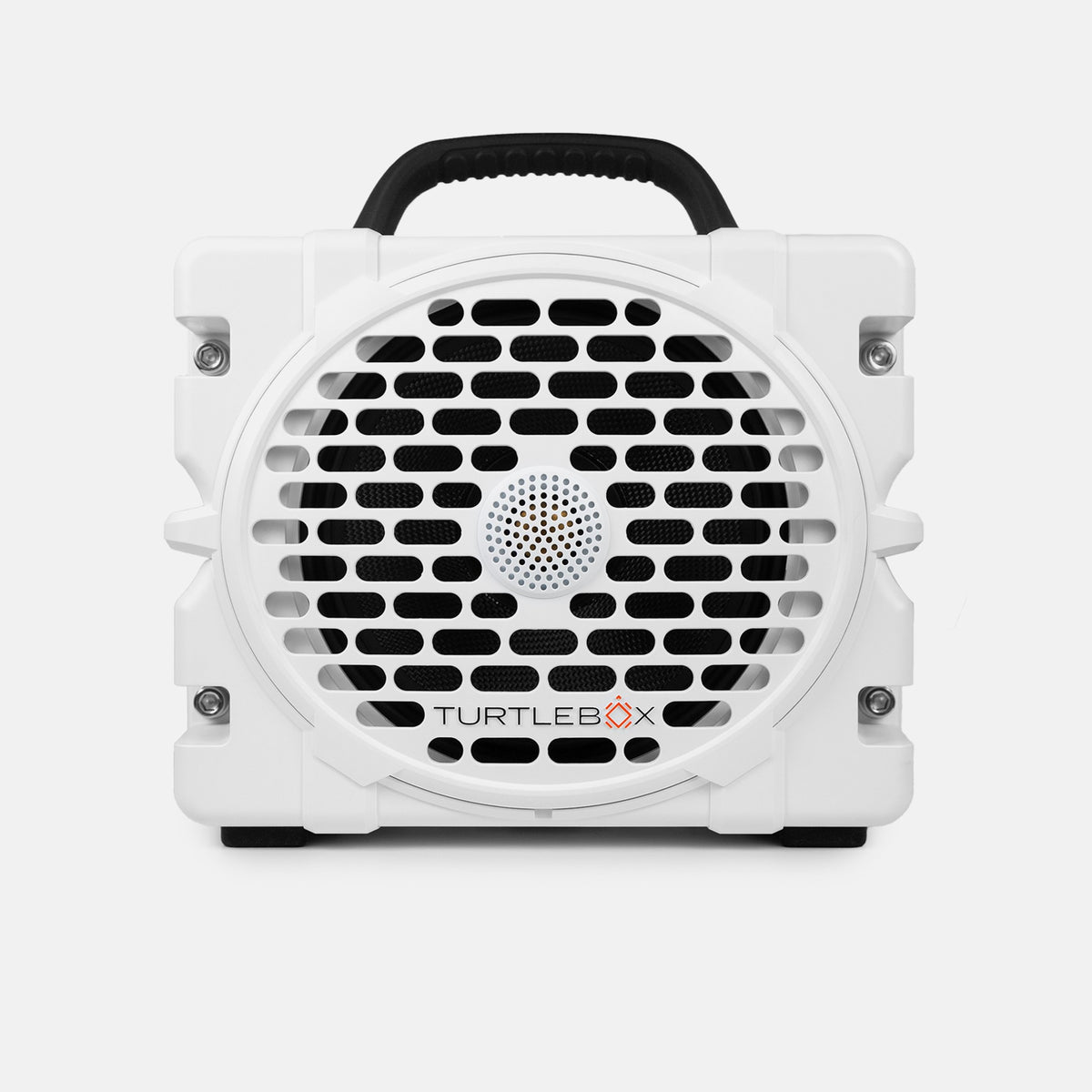
The engineering choices all point the same direction. A Class-D digital amplifier keeps the box efficient enough to stay loud for a full day on one charge. The airtight, marine-grade build is there so salt spray and a dropped-in-the-cooler accident do not end the speaker's life. USB-C charging means it can also top up a dead phone in the field. None of it is exotic on its own; the difference is that Turtlebox treats "will it survive the boat" as the first requirement rather than the last.
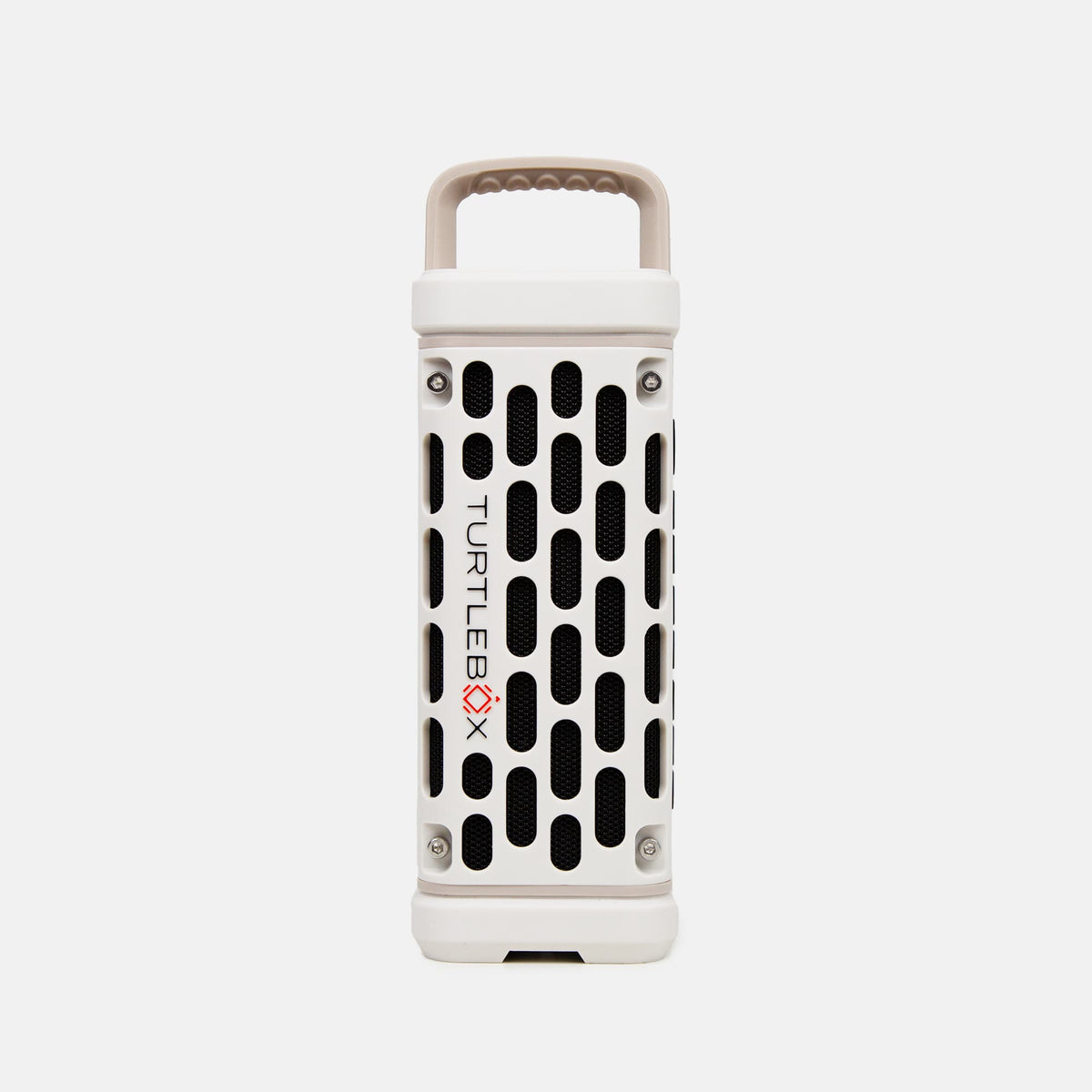
There is one more feature worth naming, because it quietly turns a product into a party: Party Mode. It lets owners pair multiple Turtlebox speakers together into a single synchronized stereo system, so a group of friends who each own one can chain them into a wall of sound. It is also, not coincidentally, a very effective way to sell a second, third and fourth speaker.
04 / The businessPremium price, no apologies, no venture capital
A $430 Bluetooth speaker is a hard sell in a market where you can buy something that plays music for a fraction of that. Turtlebox's answer is to not compete there at all. It does not fight JBL, Bose or Ultimate Ears on price or on feature count. It competes on a use case none of them fully own - the boat, the blind, the ranch, the tailgate - and it defends that ground with durability and volume that cheaper speakers cannot match.
The model is straightforward direct-to-consumer: sell premium hardware at healthy margins through the website, Amazon and outdoor retailers, add monogram and color customization as upsells, and let the product's reputation do the marketing. Because the company is bootstrapped, every decision has to make the speaker better or the business tighter - there is no growth-at-all-costs investor clock ticking in the background.
Who actually buys these? The short version is anyone whose fun happens somewhere a normal speaker would die. Boaters and anglers who need volume over an engine and a motor's worth of spray. Hunters running a Turtlebox in a duck blind or at deer camp. Tailgaters, ranch hands, campers and river-trip regulars. The customer base skews toward people who have already broken a cheaper speaker once and decided they would rather pay up than do it again - which is why so much of the growth comes from repeat buyers and word of mouth rather than paid ads.
"Turtlebox has quickly grown from a founding group of four best friends, to a growing team of more than eighty passionate employees."
Will Bradley, Co-Founder05 / Where it fitsSelling a feeling, backed by a spec sheet
Turtlebox sits in the narrow, fast-growing slice of consumer audio built around the outdoors - a category that barely existed a decade ago and that the company helped define by refusing to compromise on either loudness or toughness. Its customers are boaters, anglers, hunters, campers, tailgaters and ranchers, and its brand partnerships stretch into the culture those people live in: conservation groups like the Rocky Mountain Elk Foundation, along with athletes, musicians and MLB teams.
The next chapter looks like a company growing up. In 2026 Turtlebox named McGarrah Jessee its first-ever creative agency of record after a national review - a signal that the garage-and-word-of-mouth phase is giving way to a deliberate, national brand push. The team has grown from four to 80-plus, the office space has expanded roughly tenfold, and the founders are still, by their own description, "sound nerds" trying to recreate the feeling of an outdoor concert.
What is worth stealing here is not the speaker. It is the sequence: solve a problem you personally have, sell the first units to people who trust you, keep your day job until the demand is undeniable, and refuse to cheapen the product to grow faster. It is a slower playbook. It also produced a speaker that outlives boats.