san-diego
(213)
Kevin Gorman and the art of staying long enough
He helped found Neurocrine in 1992, took the CEO’s job in 2008, and handed it on in 2024. Kevin Gorman’s career makes a case for persistent company-building - and a carefully timed exit.

Blah Blah Blah bets on the moment before you buy
The San Diego agency traded an all-platform brief for a Pinterest specialty. Its most useful idea: show up while the customer is still deciding what they want.
Paul Burke and the case of the distracted museum visitor
A trip to Rome gave the Guru Experience co-founder a reason to reconsider the phone in a visitor’s hand. His answer combined museum stories, mobile software and the unglamorous work of keeping both useful.
Walter J. Zable and the scholarship that kept paying forward
A football scholarship took Walter J. Zable to William & Mary. After six decades building Cubic, he left money for the students, laboratories and playing fields that might give someone else a start.
Henry Eimstad and the work that happens after the software sale
Henry Eimstad spent decades helping colleges choose and run the systems behind campus life. At SIG, the company he co-founded with Frank Vaskelis, the harder assignment eventually became handing over the company itself.
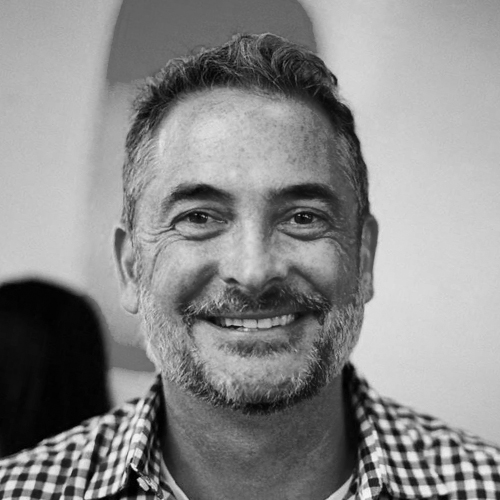
Jack Kennedy and the problem with a smarter truck
From the back of a Navy Hawkeye to the birth of Hulu, Jack Kennedy has worked where information changes the rules. At Platform Science, he is asking what happens when a truck can understand more than itself.
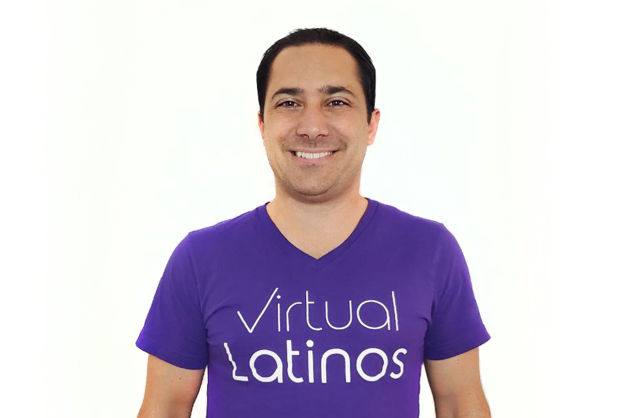
Jaime Nacach’s very practical theory of freedom
He built Virtual Latinos to solve a hiring problem in his own marketing agency. The harder assignment has been learning how to give other people the work - and himself the time.
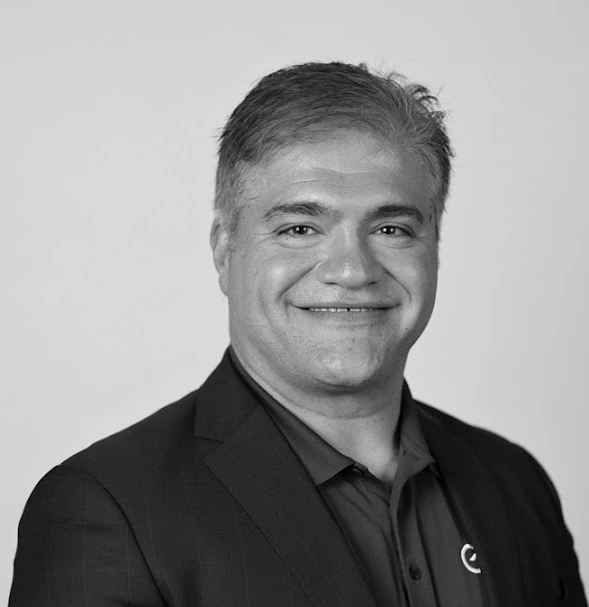
Hai Mag and the trouble with selling more
After managing a billion-dollar business at Oracle, Hai Mag turned to the smaller, messier arithmetic of online selling. At Eva, his question is still the same: how much of that growth do you get to keep?
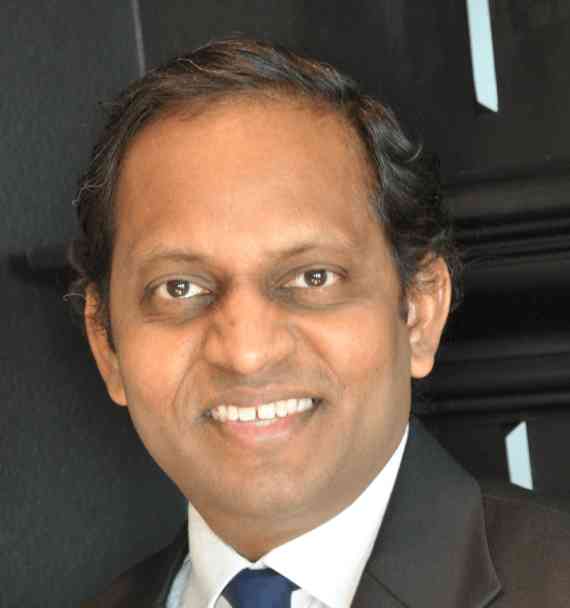
Kishor Amberkar and the lessons hiding in the software
The Observatis founder spent years making workplace learning easier to use. Now he is asking what employees learn from the rewards, decisions and systems around them.
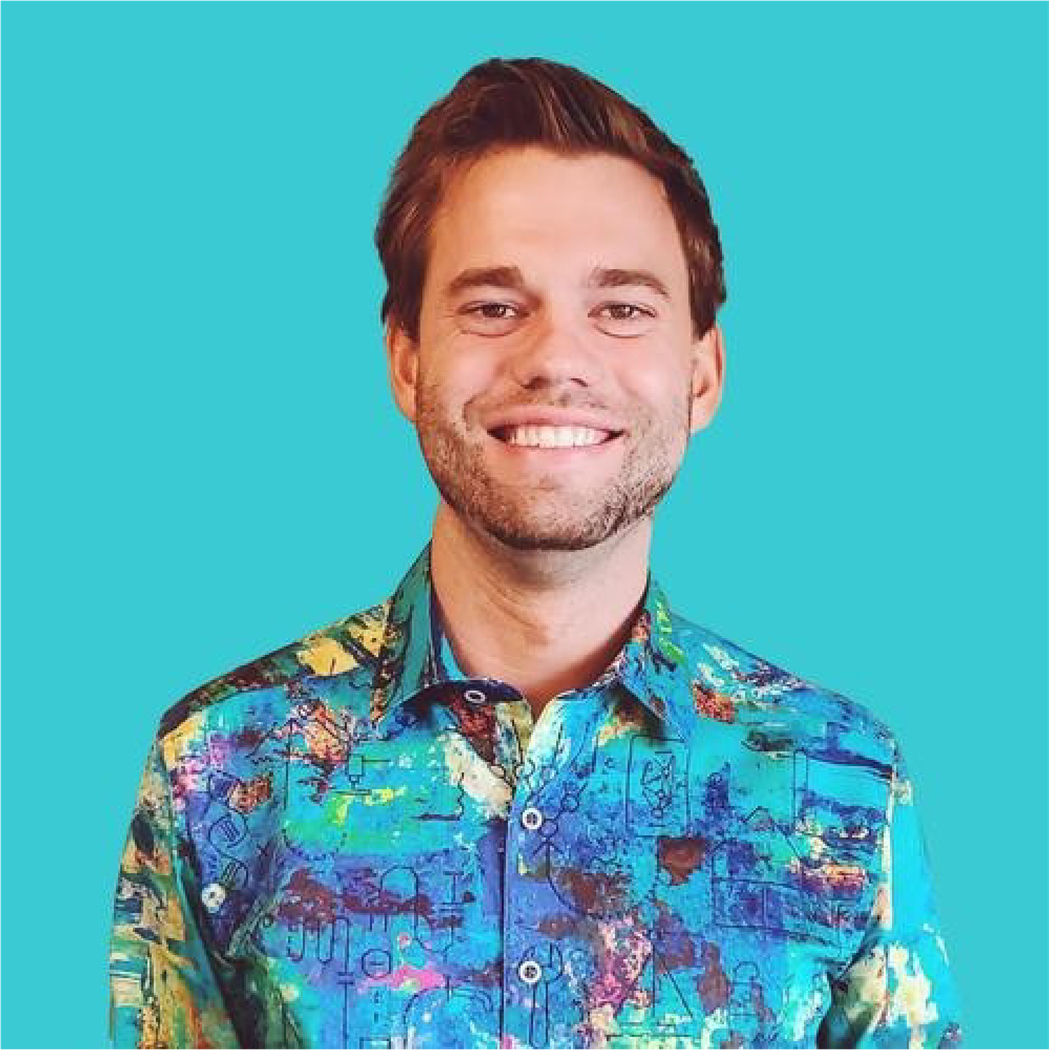
Zeb Evans and the missing afternoon
Before ClickUp became a business, it was a fix for its founders’ own working day. Zeb Evans has been chasing the hours lost between apps ever since - and his AI ambitions are making that pursuit more consequential.
Serene Health sees the whole problem.
A therapy appointment is one piece of care. Serene Health works on the connections around it, from clinical supervision to housing support for eligible Medi-Cal members.

Kyle Gano and the summer job that lasted 23 years
He arrived at Neurocrine as a business-school intern in 2001. By October 2024, Kyle Gano was running the company - with a chemist’s education, a dealmaker’s experience, and colleagues who remembered the beginning.

Cubic makes the complicated disappear
A subway tap. A fighter-pilot debrief. Cubic builds the machinery behind both - and its hardest projects reveal what simplicity really costs.
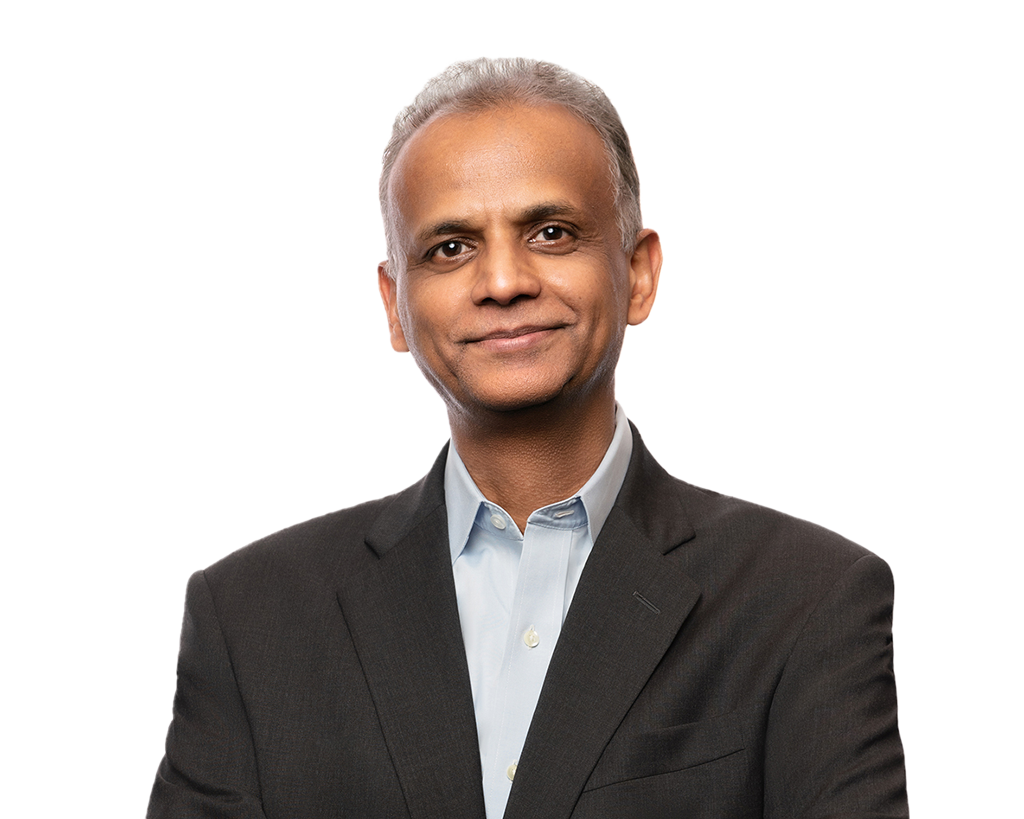
Ashish Masih and the arithmetic of a second chance
An engineer by training, Encore Capital Group’s CEO has spent years connecting portfolio decisions to the people who must live with them. His career follows the difficult work between a financial model and a repayment conversation.
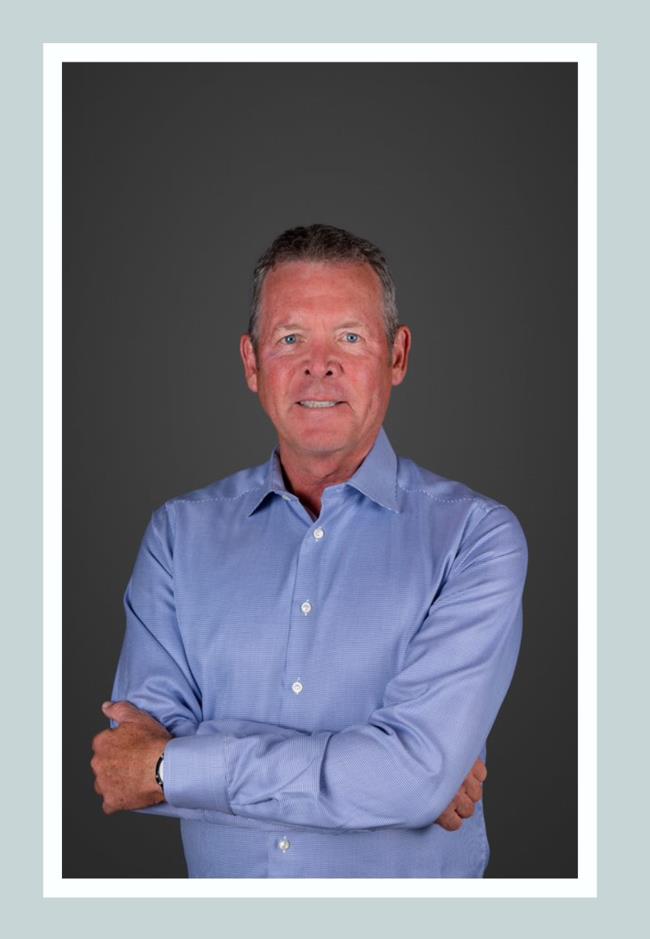
John Sheridan and the work before the title
Before John Sheridan became CEO of Tandem Diabetes Care, he spent nearly six years running its operations. His career offers a close look at the patient work of building a company, sharing credit, and making promises measurable.
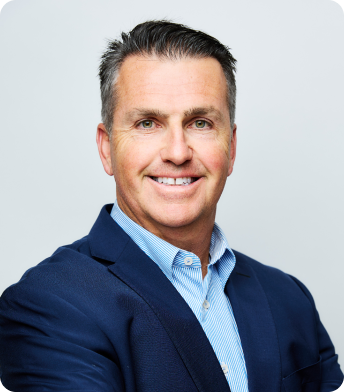
Gregory Garrabrants and the bank that outgrew its name
An engineer, a lawyer, and an investment banker walk into the same career. At Axos, Gregory Garrabrants has spent nineteen years working out what a bank can become when its delivery system keeps changing.
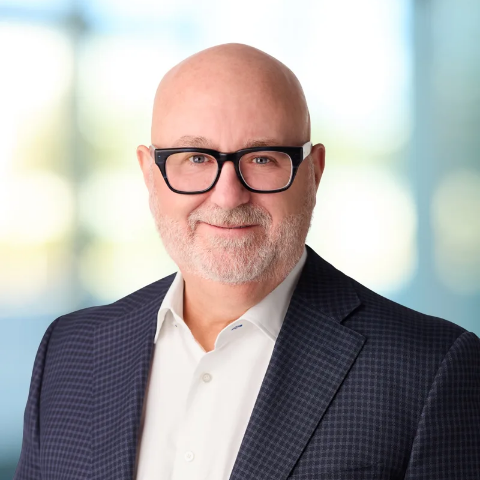
Brad Weston and the education of a merchant
From a department-store training program to Petco, Party City and At Home, Brad Weston built a career around what customers want. Then came the harder question: what does it take to keep the store open?
Tandem Diabetes Care makes room for life
An insulin pump is a tiny machine with a very big job. Tandem’s bet is that better diabetes care begins with making that machine easier to live with.
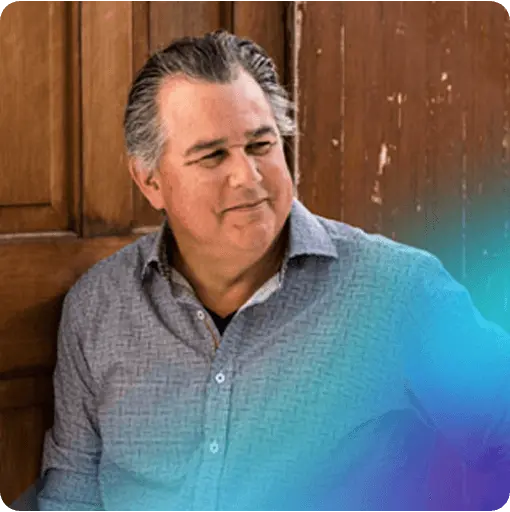
Tom Gallego and the Trouble With a Finished Idea
He founded L7 Creative in 2001, wrote Adapt or Die, and kept returning to the microphone. For Tom Gallego, a marketing career means getting comfortable with the next revision.
Les Kollegian and the business of remembering your name
A clothing store in Grand Central gave the Jacob Tyler founder an idea about service. Building an agency taught him how difficult that idea could be to keep.
Robert Young and the company he almost sold
In 1984, Robert Young offered to sell his stake in Motivational Systems. He ended up buying his partner’s instead - a reversal in a career built on selling ideas and making room for the people who could deliver them.
Rio Penn-Grice and the art of getting a reply
Before he founded MarketU, Rio Penn-Grice was making videos and asking how strangers become a network. His hiring advice offers a clue to the business he would build: turn on the camera and give someone a reason to answer.
Stevie Patsis and the art of taking music somewhere it shouldn’t go
A surfer with a family connection to electronics manufacturing, Stevie Patsis built Speaqua around a practical wish: take the music along. The interesting part is everything that had to happen after the wish.

Realty Income made rent a monthly ritual.
A Taco Bell property started it. Hundreds of monthly dividends made it famous. Inside the landlord that sells companies capital and investors a calendar.
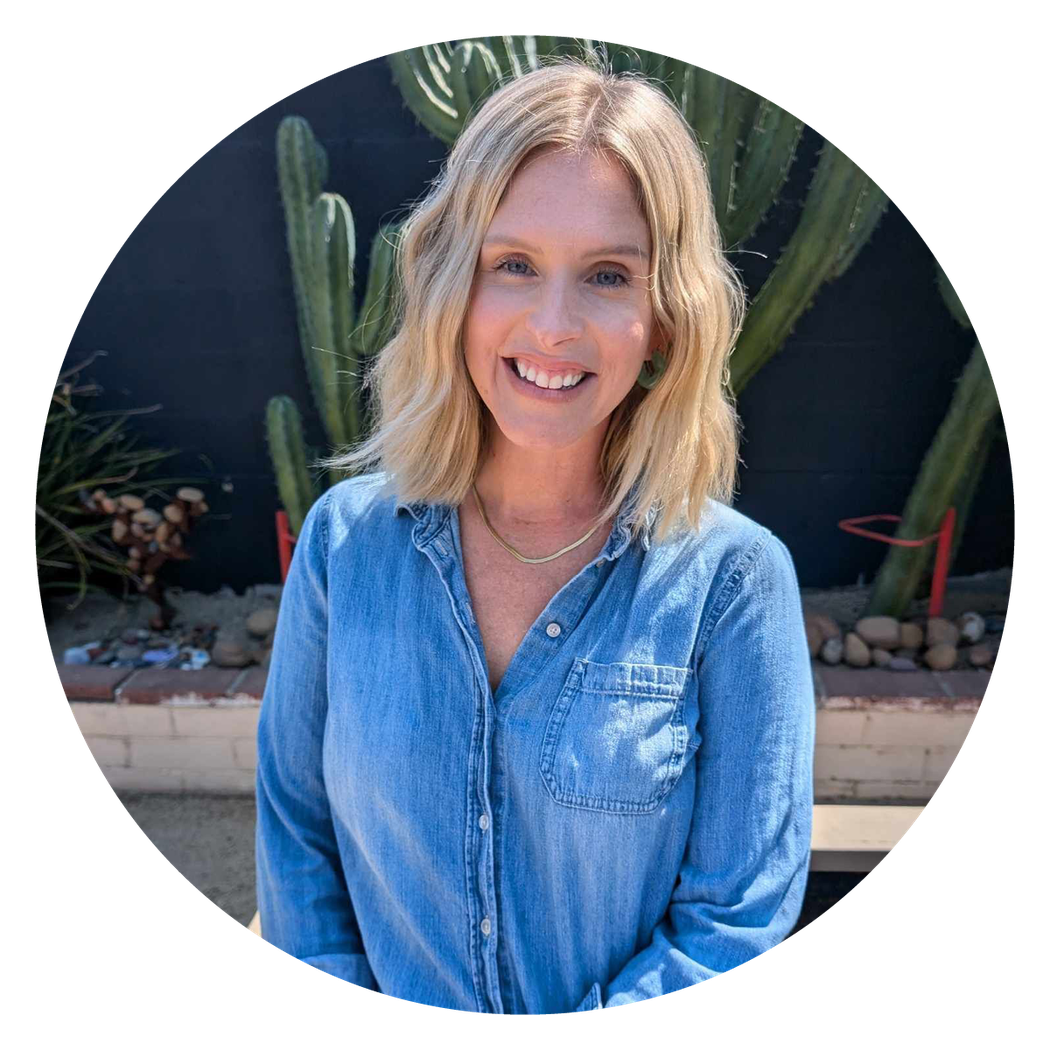
Lindsay Anthony and the art of asking for someone else
Before she founded Lately, Lindsay Anthony sold payroll door to door. Her next career would put that same question - will someone say yes? - to work for brands and the people who tell their stories.
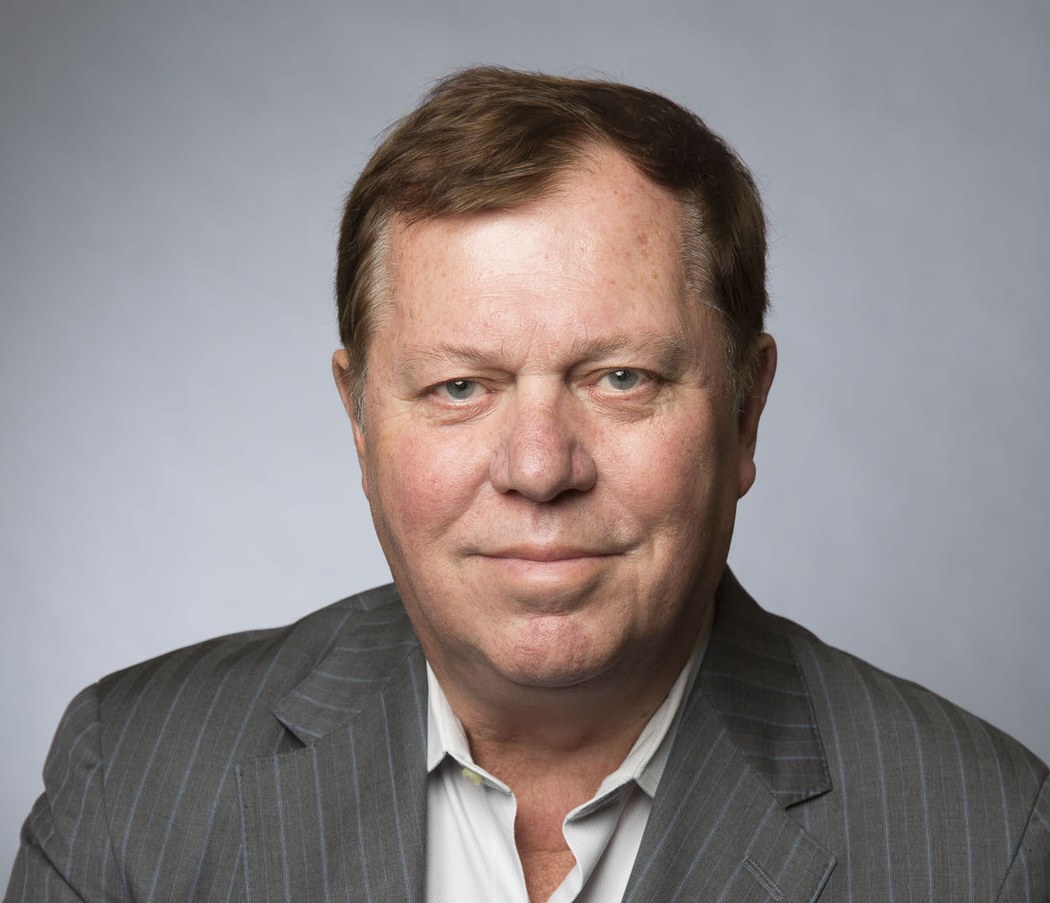
Jean-Luc Robert and the money hiding in plain sight
For 20 years, Jean-Luc Robert built Kyriba around a question every company ought to be able to answer: where is the cash? His career follows that question from French software to global finance, and from the chief executive’s chair to the boardroom.
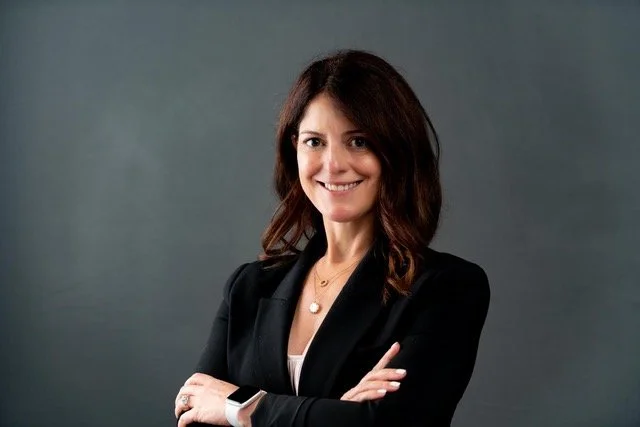
Michelle Metter and the business of a good time
A bottle of wine helped launch Fast Forward. Michelle Metter has spent the years since connecting the people who make it, sell it, serve it and simply enjoy the next glass.
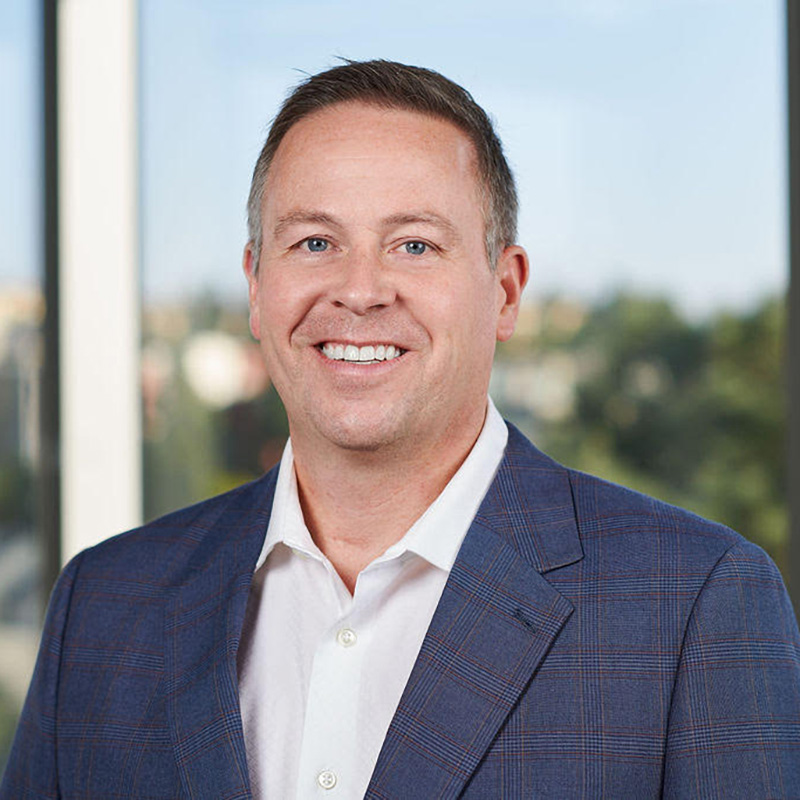
Doug Winter and the business inside a three-ring binder
A mismatched pitchbook helped give Seismic its purpose. Doug Winter spent fifteen years building the company around that problem, then handed over the CEO role with a lesson about keeping people close.
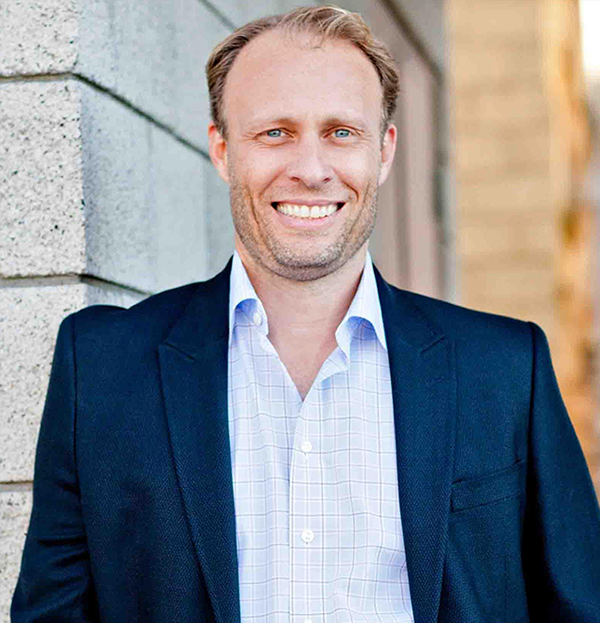
Andreas Roell and the price of getting bigger
A soccer player from Karlsruhe helped build Geary Interactive into an international agency. The deal that followed gave Andreas Roell a second education - and a different way to think about a founder’s exit.
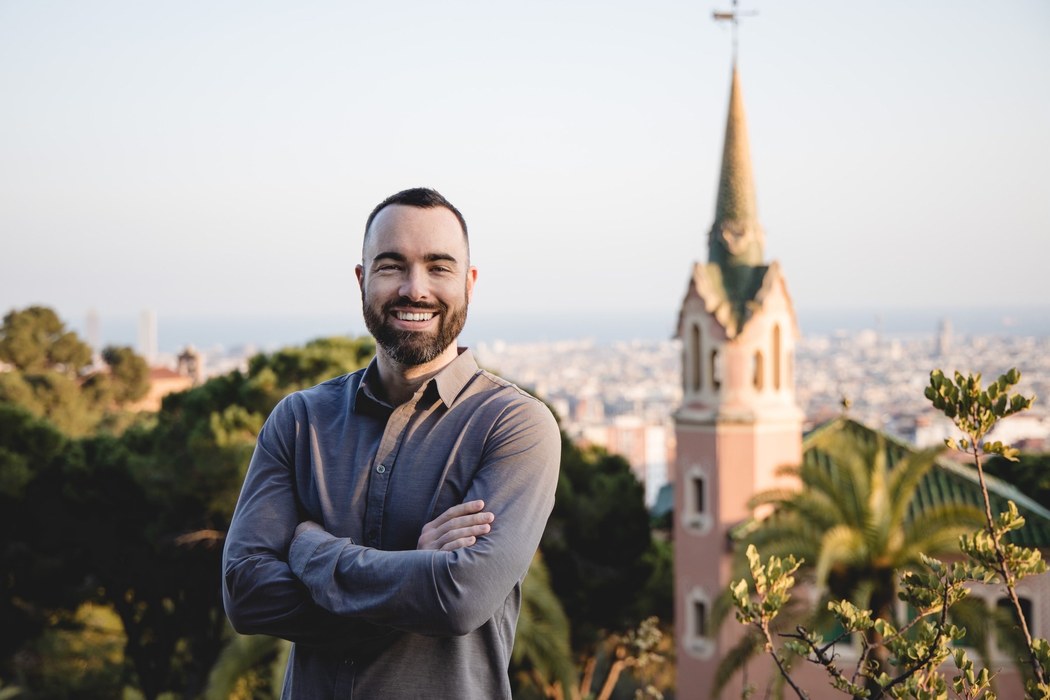
Russell York Wants to Bring Back the Bike Ride
Before he founded Cosmo, Russell York pedaled across America. Now he is building children’s technology around a smaller journey: leaving the house, finding friends, and being able to call home.