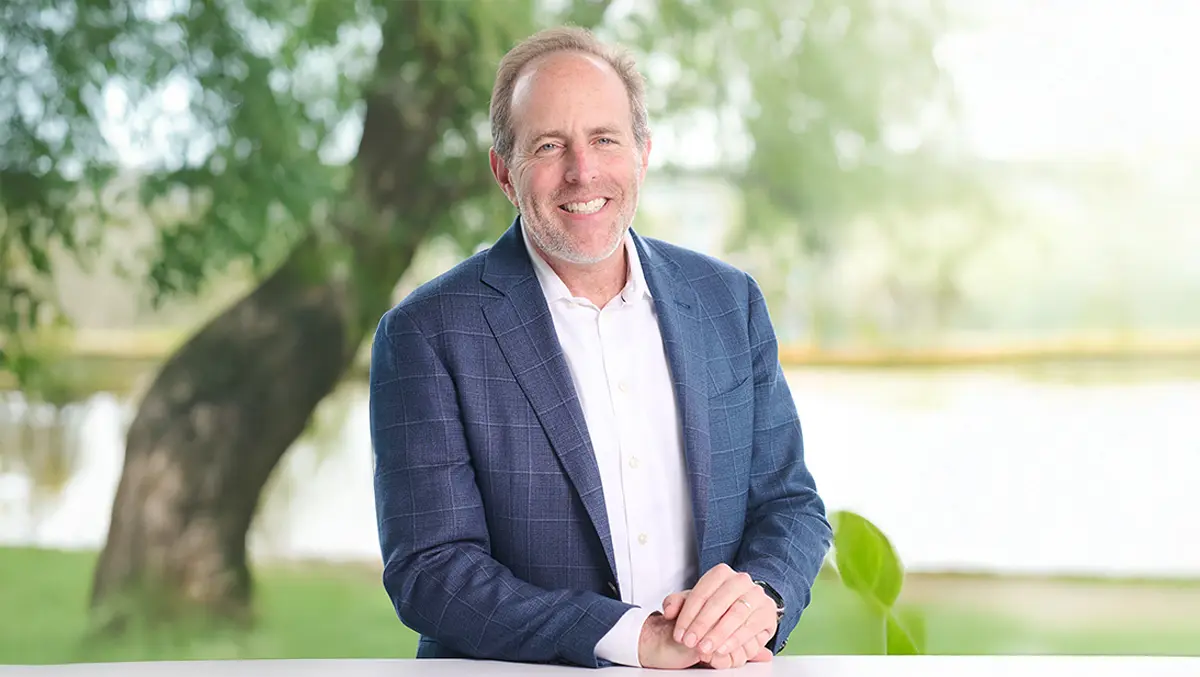
From Amazon's IPO Room to Seismic's Corner Office
The through-line in Rob Tarkoff's career is not technology - it's systems thinking. Whether he was structuring B2B exchange deals at Commerce One, integrating Eloqua and BlueKai at Oracle, or growing Lithium's community platform during the social media boom, the underlying work was the same: find the fragmented thing, make it coherent, scale it.
As an associate at Wilson Sonsini Goodrich & Rosati in the early 1990s, Tarkoff was part of the legal team that took Amazon public. The company was valued at $438 million at IPO. Today Amazon is worth over $2 trillion. That proximity to a defining moment in tech history - before almost anyone understood what was happening - is the kind of thing that shapes a long-term perspective.
At Lithium Technologies, Tarkoff made a bet on online community platforms before most enterprise software buyers understood why communities were worth paying for. He watched GoDaddy achieve 65% revenue increases through community-driven support, Microsoft save $140 million in call deflection, and Comcast reduce response times by 60%. The data made the case. His job was to make the sale.
"Community will become the next generation CRM system and a core engine of commerce, content creation, marketing, innovation, experience, loyalty and service."
The Lithium thesis turned out to be right - communities became the foundation of modern SaaS customer success. He sold the company to Vista Equity Partners and walked into Oracle, where the problem was different in scale but structurally similar: Oracle had acquired 14 companies across the CX stack and none of them talked to each other.
From 2018 to 2025, Tarkoff led Oracle's Customer Experience (CX) cloud business - covering Sales, Service, Marketing, Content, Commerce, and Oracle's Ad-Tech unit. The job was to rebuild acquired products (Eloqua, BlueKai, Moat) on Oracle's Fusion cloud infrastructure and present a coherent face to enterprise customers. He built Oracle CX Unity, a customer intelligence platform that unified unstructured data across all CX applications. Customers had been telling Oracle they were "too confusing to work with" - Tarkoff's answer was to make one sales motion and one data layer.
When Seismic approached him in 2025, Tarkoff had something most incoming CEOs don't: an existing opinion about the product. He had used Seismic at Oracle as part of running a global go-to-market operation. He knew what the platform did well and what it didn't. He arrived with a perspective already formed, which is probably why he moved so fast.
"Having been a Seismic customer myself, I've seen firsthand how powerful strategic enablement can be in driving go-to-market success."
The Highspot merger, announced February 12, 2026, is classic Tarkoff: find the fragmented competitive landscape, consolidate it, create a platform large enough to set the standard. Combined, Seismic and Highspot cover content management, AI-powered coaching, learning management, analytics, and buyer engagement tools across the full revenue lifecycle. The combined company is the kind of platform that becomes the default, not a choice.