Forty Outdoor Brands, One Dragonfly, and a $1.125 Billion Bet on Craftsmanship
Fox Racing, CamelBak, Bushnell, Simms - Revelyst is the maker collective quietly running the gear behind your weekend. Here is how a Vista Outdoor spinoff became a $1.125 billion private-equity prize, and what it is building next.
You probably own a Revelyst product. You just do not call it that. You call it a Fox jersey, a CamelBak bottle, a Bushnell rangefinder, a pair of Simms waders, a Bell helmet, a Giro shoe. Behind that shelf of familiar names sits one company most people have never heard of - which is more or less how it was designed.
Revelyst is a collective of roughly 40 outdoor and precision-sports brands, built from the outdoor half of what used to be Vista Outdoor. In January 2025 it was bought by the private-equity firm Strategic Value Partners in an all-cash deal worth $1.125 billion. The brands you recognize kept their logos, their athletes and their fans. The parent - the thing holding the sourcing contracts, the engineers and the retail relationships - is the part nobody markets.
That is the whole idea. Revelyst is a bet that you can pool the unglamorous machinery of a gear company - factories, R&D, supply chain, distribution - underneath brands that keep their own identities. Call it craftsmanship with a shared spine.
01 / What it actually doesThe house that gear built
Revelyst designs and manufactures two broad things: performance gear you wear or carry, and precision technology that measures sport. On the gear side that means helmets, hydration packs, waders, backcountry hunting packs, e-bikes, camp stoves and cycling accessories. On the technology side it means laser rangefinders, golf GPS units, and the launch monitors that capture a golf ball's spin and launch angle frame by frame.
To keep 40 brands from turning into chaos, Revelyst sorts them into three platforms, each with its own hub and its own crowd.
Revelyst Adventure Sports
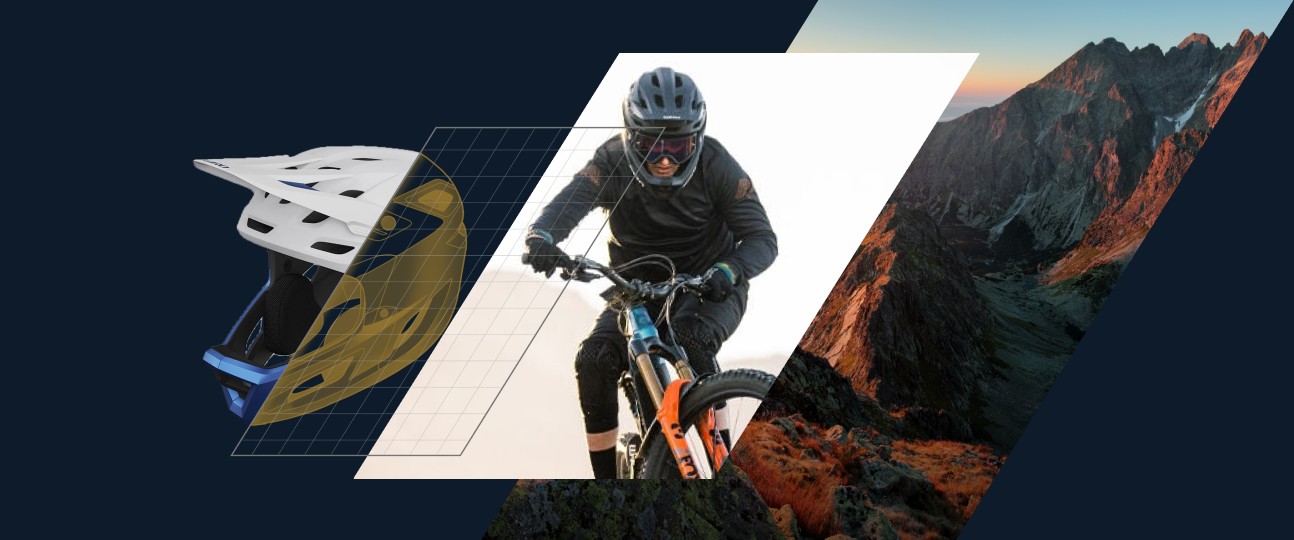
The riding and rolling brands: Fox Racing, Bell and Giro helmets (many built with MIPS rotational-impact protection), CamelBak hydration, QuietKat electric bikes and Blackburn accessories.
Revelyst Outdoor Performance
The fish-hunt-camp brands: Simms Fishing waders, Bushnell optics, Blackhawk protective gear, Stone Glacier backcountry packs, Camp Chef cooking and Primos hunting.
Revelyst Precision Sports Technology
The measurement brands: Foresight Sports launch monitors and photometric data systems, plus Bushnell Golf GPS and rangefinders used by weekend players and tour pros.
02 / Who buys itEvery weekend has a customer
The customer base is basically anyone who does something outside on purpose. Motocross and mountain-bike riders buy Fox and Bell. Cyclists buy Giro and Blackburn. Anglers buy Simms. Hunters buy Stone Glacier and Primos. Campers buy Camp Chef. Golfers - amateurs and professionals both - buy Bushnell Golf and, if they are getting fitted, hit balls into a Foresight launch monitor.
Those buyers reach the brands through big-box retail, specialty shops, pro shops and a growing stack of direct-to-consumer e-commerce running on Salesforce Commerce Cloud. The combined portfolio moved roughly $1.3 billion in net sales in fiscal 2024. It is a wide, weatherproof spread of demand: when road cycling cools off, hunting season heats up; when golf slows in winter, snow sports pick up.
"Revelyst is a collective of maker brands united by an obsession with craftsmanship, a consumer-first culture and helping people achieve their greatest outdoor aspirations."
Eric Nyman, Chief Executive Officer03 / The problem it solvesWhy bundle brands at all
Standing alone, a mid-size gear brand fights a lonely war. It negotiates its own factory contracts, funds its own R&D, builds its own e-commerce, and hires its own supply-chain team - all at a scale too small to get good prices or move fast. Revelyst's answer is to make those costs communal. One sourcing operation. Shared engineering and materials science. Pooled distribution. Common data and retail muscle.
The brand keeps the part customers care about - the logo, the athletes, the story - and hands the boring, expensive part to the group. When that works, a helmet brand can borrow a hydration brand's supplier, or a golf-tech team can lend its sensor know-how to an optics team. The FLSK Pro, a hydration product co-developed by Bushnell Golf and CamelBak in 2025, is the collective doing exactly what it promised on paper: two brands, one new product.
There is a portable lesson here for anyone running more than one brand. The parts worth centralizing are the ones customers never see - procurement, logistics, data pipelines, engineering benches. The parts worth leaving alone are the ones customers feel: naming, athletes, tone, community. Revelyst's "power brand" doctrine takes it one step further - concentrate money and attention on a short list of names (Foresight Sports, Bushnell Golf, CamelBak, Fox, Bell, Giro, Simms and Bushnell) and be willing to divest the rest rather than starve everything equally. Focus, then, is a decision about what you are willing to sell.
04 / How it is differentA dragonfly, not a steamroller
Plenty of conglomerates buy brands and slowly sand off what made them distinct. Revelyst says it is trying to do the opposite - which is where the logo comes in. The name mashes together "revel" and "catalyst." The mark is a dragonfly, and its four wings are meant to stand for Innovation, Leadership, Inclusivity and Ecosystems. Corporate symbolism, sure. But it points at the actual strategy: many wings, one body.
Against direct rivals, each brand fights its own fight: Fox and Bell against Alpinestars and Troy Lee Designs; CamelBak against Hydro Flask and Nathan; Bushnell and Foresight against Garmin, Nikon, Leupold and the radar-based Trackman; Simms against Orvis and Patagonia. Revelyst's edge is not being better at any one of those - it is fielding all of them from one bench.
05 / The money storyPublic, then private, in nine months
The path here was unusually fast. Vista Outdoor spent years as a two-headed company - ammunition on one side, outdoor gear on the other - and finally split them apart. The ammunition brands became The Kinetic Group (a name that reportedly surfaced from employees) and were sold to the Czechoslovak Group in a $2.225 billion deal. The gear brands became Revelyst, which briefly traded on the New York Stock Exchange under a ticker chosen with a straight face: GEAR.
Before its public life really began, Revelyst launched a turnaround called GEAR Up - a plan to simplify the business and chase about $125 million in run-rate cost savings by fiscal 2027, which meant closing some offices and cutting roles. Then Strategic Value Partners, a firm with roughly $19 billion under management, agreed to take it private. The deal closed in January 2025 at $1.125 billion in enterprise value, paying shareholders $20.12 a share. Together, the two halves of Vista fetched an enterprise value of about $3.35 billion.
06 / The expertiseCameras that read a golf ball
The most quietly impressive corner of the company is the Precision Sports Technology platform. Foresight Sports builds photometric launch monitors - systems that use high-speed cameras to read a golf ball and club at impact, capturing spin, launch angle and carry with the kind of precision club fitters and tour pros rely on. It is a different approach from radar-based competitors, and it is real engineering rather than branding. Bushnell Golf sits alongside it with the rangefinders and GPS devices that ordinary golfers actually carry.
That same measurement instinct runs through the rest of the house: MIPS-equipped helmets tuned to redirect crash forces, waders built to survive a season of abuse, packs engineered for backcountry weight. The company's innovation centers - most visibly the Bozeman hub in Montana - are where engineers from different brands share benches and, ideally, ideas.
07 / Where it fitsThe quiet giant of the outdoors
Zoom out and Revelyst sits in the same neighborhood as other multi-brand outdoor houses - VF Corp, Johnson Outdoors, and its own former sibling, The Kinetic Group. What makes it worth watching is the ownership. Private equity usually means strip and flip. SVP's stated plan is closer to hold and improve: keep a set of category-leading brands, run the shared machinery better, and let each brand keep its soul.
The model has real conditions attached, though. Shared services only pay off if the brands genuinely have something in common - similar suppliers, overlapping customers, transferable engineering. Bolt together brands that share nothing and the "collective" is just a spreadsheet. It also depends on restraint: push cost-cutting too hard and you hollow out the very craftsmanship the pitch is built on. And private-equity ownership sets a clock - at some point SVP will want its return, whether through a sale, a refinancing or a public listing, and that exit will shape how patient the strategy is allowed to be.
Whether "craftsmanship at holding-company scale" survives contact with quarterly cost targets is the open question. But the raw materials are strong - recognizable names, real engineering, a customer base spread across nearly every outdoor season. For a company that most people cannot name, Revelyst has its logo on a surprising amount of your gear.

Revelyst - links & channels
Figures for revenue, headcount and deal value are drawn from public filings and reporting; some are approximate.