On most Sundays, Nicholas Esayian watches football the way the rest of us do - until a ballcarrier gets dragged down and the back of a head snaps into the turf. Where others wince, Esayian does arithmetic. "You can reduce the impact when you reduce the weight of the helmet," he likes to say. That sentence is the entire thesis of the company he runs: LIGHT Helmets, a 27-person operation in Carlsbad, California, that has spent the last several years arguing football has been protecting heads with too much helmet.
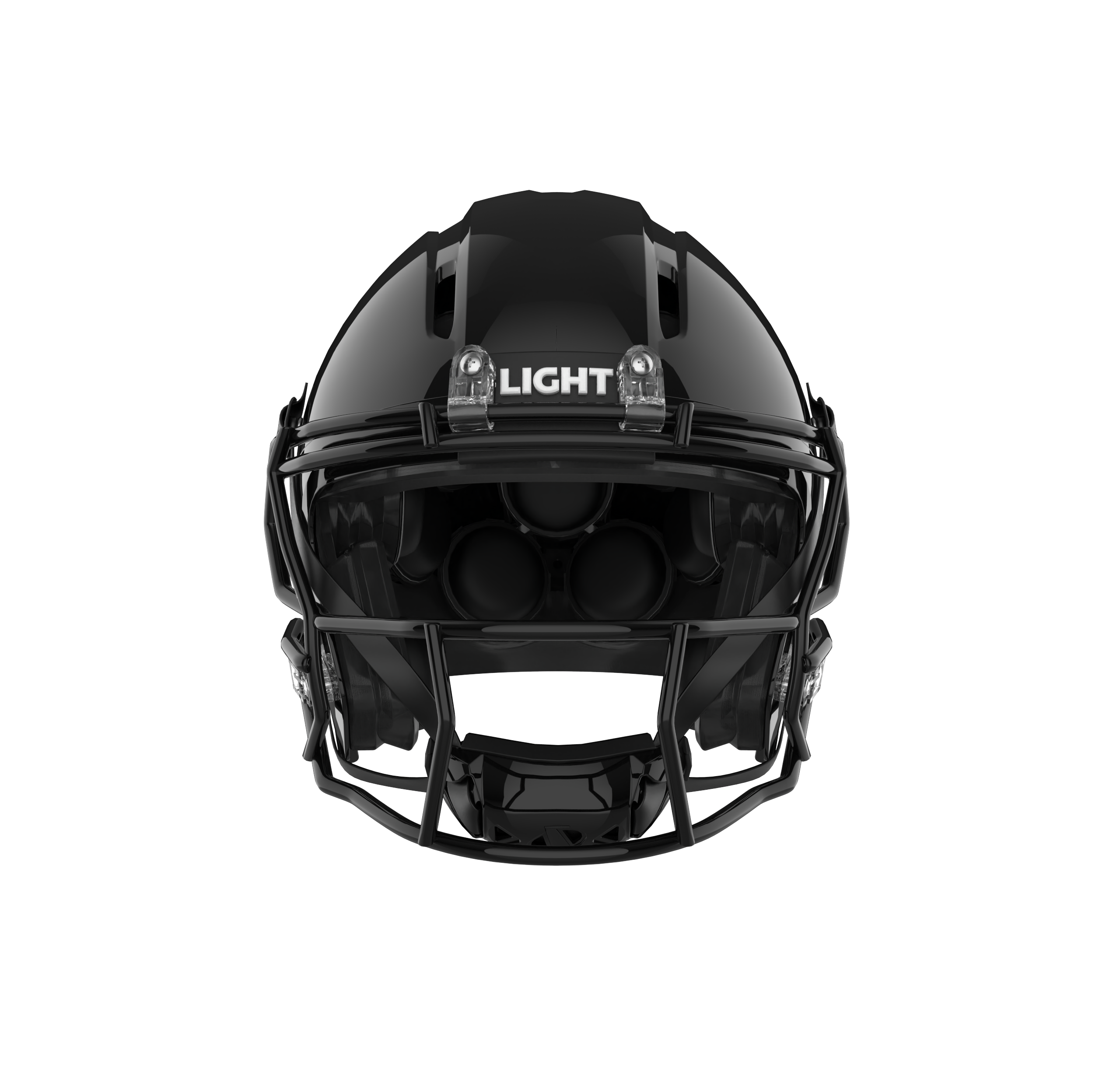
The pitch is almost stubbornly simple. A traditional football helmet weighs roughly 6.5 pounds. A LIGHT helmet weighs about 3.5. Cut the mass sitting on a player's neck, the company argues, and you cut the kinetic energy that whips the head around during the secondary impacts - the ground, the pileup, the whiplash after the first hit. It is a physics argument dressed up as a product, and for a while almost nobody in the helmet business was making it.
01 — The originA racing helmet, rebranded
The road here did not start in football. Esayian is a former professional racecar driver who competed in the Pirelli World Challenge series, with earlier stints at companies like Xerox and ADP and a background in direct-to-consumer marketing. Around 2018 he crossed paths with Bill Simpson, the racing-safety legend behind Simpson Racing and, later, a helmet venture. Encouraged by fellow drivers, Esayian and a group of investors - including co-founders Justin Bert and Joseph Hegener - bought the company's assets and rebranded it as LIGHT Helmets.
What they inherited was a way of thinking about protection borrowed from motorsport, the military, and aviation - fields where a helmet has to be strong and light at the same time because the person wearing it is moving fast and cannot afford dead weight. LIGHT's shells and liners lean on those same advanced and ballistic-grade materials. The company built out a facility in Carlsbad for shell assembly and R&D, and set about applying racing logic to a game it had never made gear for.
02 — The proofLetting the lab do the talking
Selling a safer helmet is a trust problem before it is a sales problem, and LIGHT's answer was to hand the argument to someone else. The company built its brand around independent testing rather than its own marketing claims. In December 2024, Virginia Tech's helmet lab - the reference standard for the sport - rated the Apache the highest-scoring football helmet it had ever tested. A few months later, in 2025, the Apache Pro was named the top-performing new helmet in the NFLPA and NFL's own laboratory testing.
The company is careful about what those ratings do and do not promise. "Light helmets or any helmets cannot prevent injury," Esayian has said. "They're just trying to make athletes safer." It is an unusually candid line for a category that has historically oversold certainty - and when a helmet cracked on a nationally televised NFL playoff hit, the company pointed to it as proof that no shell is magic. The claim is narrower and, in its way, more believable: lighter is one lever, and it is a lever the incumbents largely left alone.
03 — The marketCracking a duopoly
The business LIGHT walked into is one of the least inviting in sports. Two companies - Riddell, with roughly 78 percent of the U.S. football-helmet market, and Schutt, with about 21 percent - control nearly all of it. LIGHT's slice is around one percent. In most categories that gap would be a closed door. LIGHT treats it as headroom.
The technical case rests on treating the helmet as a system rather than a shell. LIGHT pairs lightweight composite shells with impact foam liners and fit systems tuned to different player sizes, speeds, and positions - the same integrated logic racing and military helmets use, where the goal is managing energy across the whole assembly rather than relying on one thick layer of padding. Independent NOCSAE certification sets the floor; the Virginia Tech and NFLPA/NFL scores are what the company points to for the ceiling.
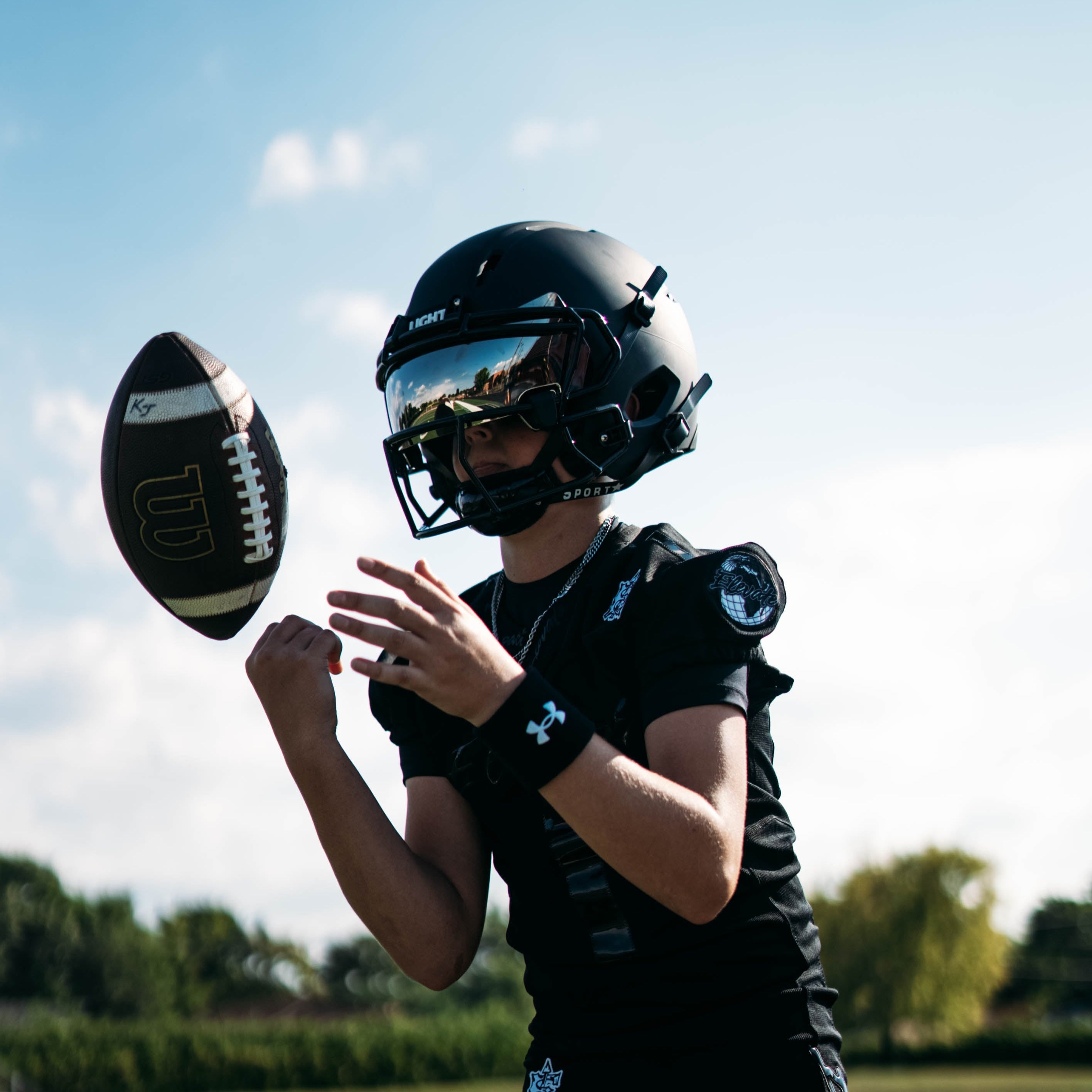
The way in has been credibility, stacked patiently. LIGHT reports its helmets now sit in roughly 28 to 30 of the NFL's 32 locker rooms and across dozens of NCAA Division I programs, with around 15 pro players wearing them on the field. That footprint is small in unit terms but heavy in signal: when an NFL equipment manager stocks a challenger brand, high schools and youth leagues notice. One program, Mar Vista High School, reported suspected concussions dropping from 17 in a season to 2 after switching - the kind of anecdote that travels through athletic-director networks faster than any ad.
04 — The lineupFrom the NFL to flag football
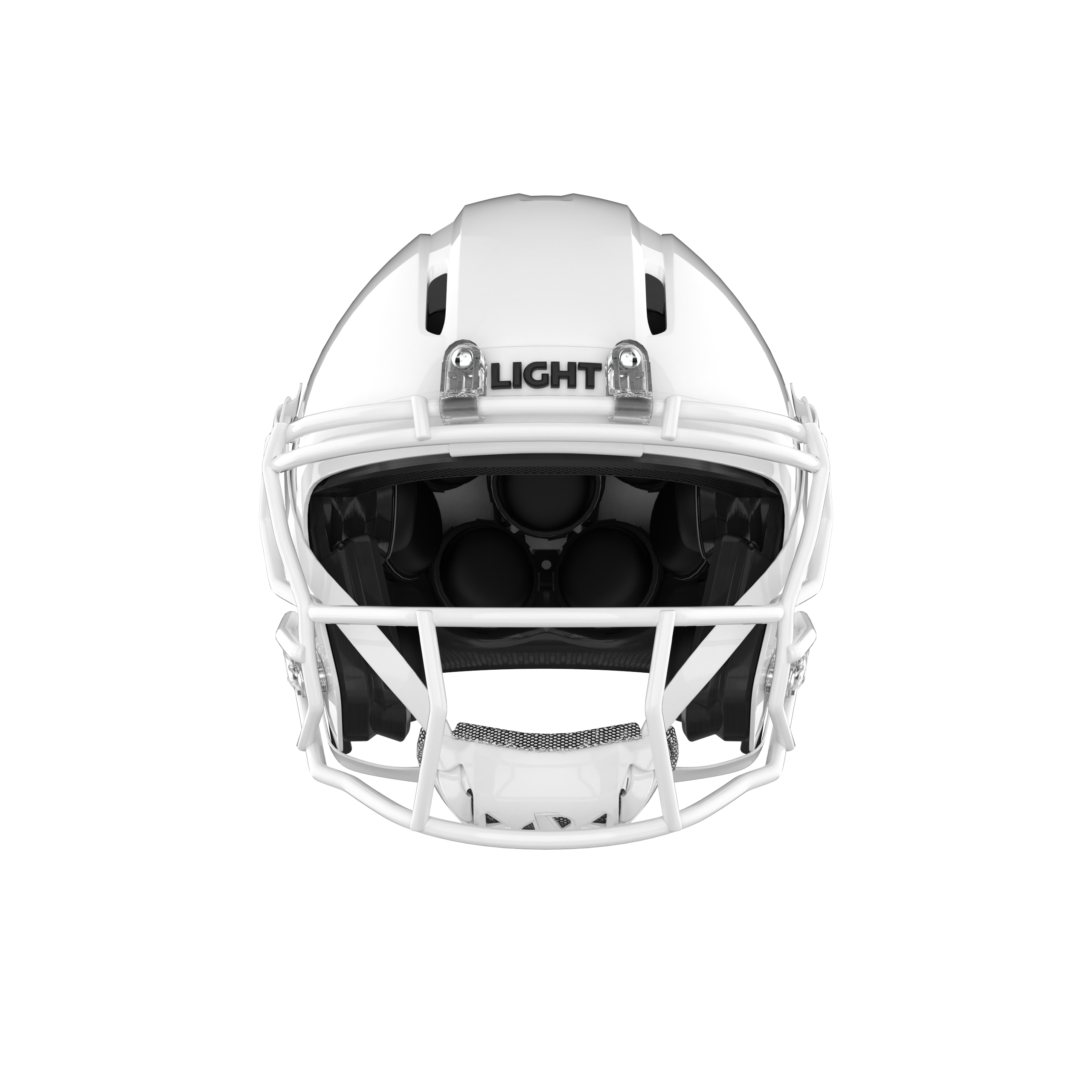
The product range is built to climb down the age ladder as much as up it. At the top sits the Apache family - the Pro, Lightning, and Tomahawk variants - along with the LS helmets that hold recognition as among the lightest varsity and youth football helmets in the world. Then there is the move that may matter most for growth: a roughly $300 youth helmet carrying a Virginia Tech five-star rating, undercutting rivals that run $400 to $500. In a market where parents foot the bill, a cheaper five-star helmet is a genuinely disruptive object.
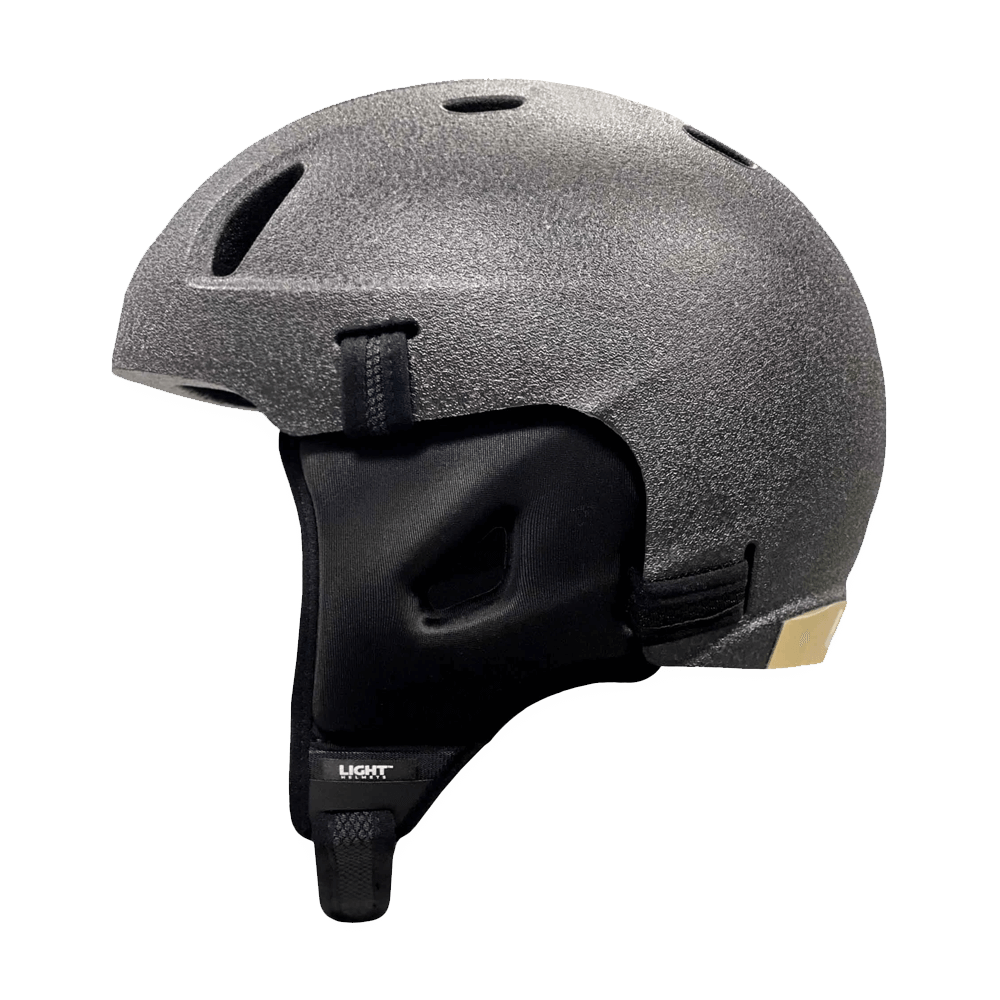
That flag-football piece is quietly strategic. The SS1 soft-shell headgear is ranked first by Virginia Tech for flag and 7v7 protection, and flag football is one of the fastest-growing versions of the sport - now headed for the Olympic stage. Being early and being rated best is a rare combination; LIGHT has both in a category the incumbents have barely entered.
05 — The playbookAdvisors, factories, and the American bet
For a company its size, LIGHT punches oddly high on names. Its athlete advisory board includes Tony Romo, Cam Jordan, Tyrod Taylor, Dennis Pitta and veteran kicker John Carney; its medical board is stacked with orthopedic surgeons, neurologists and a neuropathologist; its strategic board even lists ties to the estate of FedEx founder Fred Smith. It is a deliberate credibility engine for a brand that cannot outspend Riddell - so it out-associates it instead.
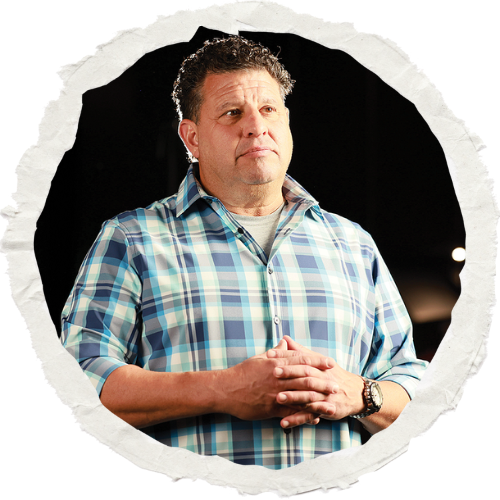
The other half of the plan is where the helmets get built. LIGHT already sources face masks from Chicago, fit pads from Washington State, and foam liners from Indianapolis, with shell assembly in Carlsbad. Esayian has said the goal is to get everything made in the United States - including moving shell production from Montreal to domestic facilities - within a couple of years. The business model runs both directly to consumers, through a Shopify storefront and Amazon, and to teams and programs, backed by a reconditioning service to keep certified helmets certified over their life.
What can a reader actually take from this? A challenger can enter a closed, liability-heavy hardware market by winning on the one variable the leaders ignore - here, weight - and then handing the credibility problem to independent labs instead of an ad budget. The risk is just as clear: helmet safety is not settled science, ratings can shift, and a single high-profile failure invites scrutiny a one-percent player can less easily absorb. LIGHT's bet only works if the physics keeps holding up on the rig, and on the field.
Where it goes from here depends on whether "lighter" scales from a compelling anecdote into an accepted standard. For now, LIGHT Helmets has done the hard part any challenger dreams of: it has made the giants' biggest customers try the new thing - and, in more than a few locker rooms, keep it on.