A fishing rod is a peculiar thing to buy from a national chain. The rod travels well. The advice ought to stay close to home. A customer needs to know what works on the water down the road, in this weather, at this point in the season. Sportsman’s Warehouse has built its identity around that small gap between possessing equipment and knowing what to do with it.
- Specialist gear, practical services, and advice aimed at local outdoor pursuits.
- A 2025 sales recovery accompanied by less inventory and a continuing net loss.
- A new use for existing space: archery lanes become Byrna demonstration areas.
The surprising part is how easily that proposition can get lost inside a growing retailer. More stores offer more places to sell things. More stock offers more chances to tie up cash. The company’s recent turnaround asks a less glamorous question: can a chain improve by getting more particular about what belongs on each shelf?
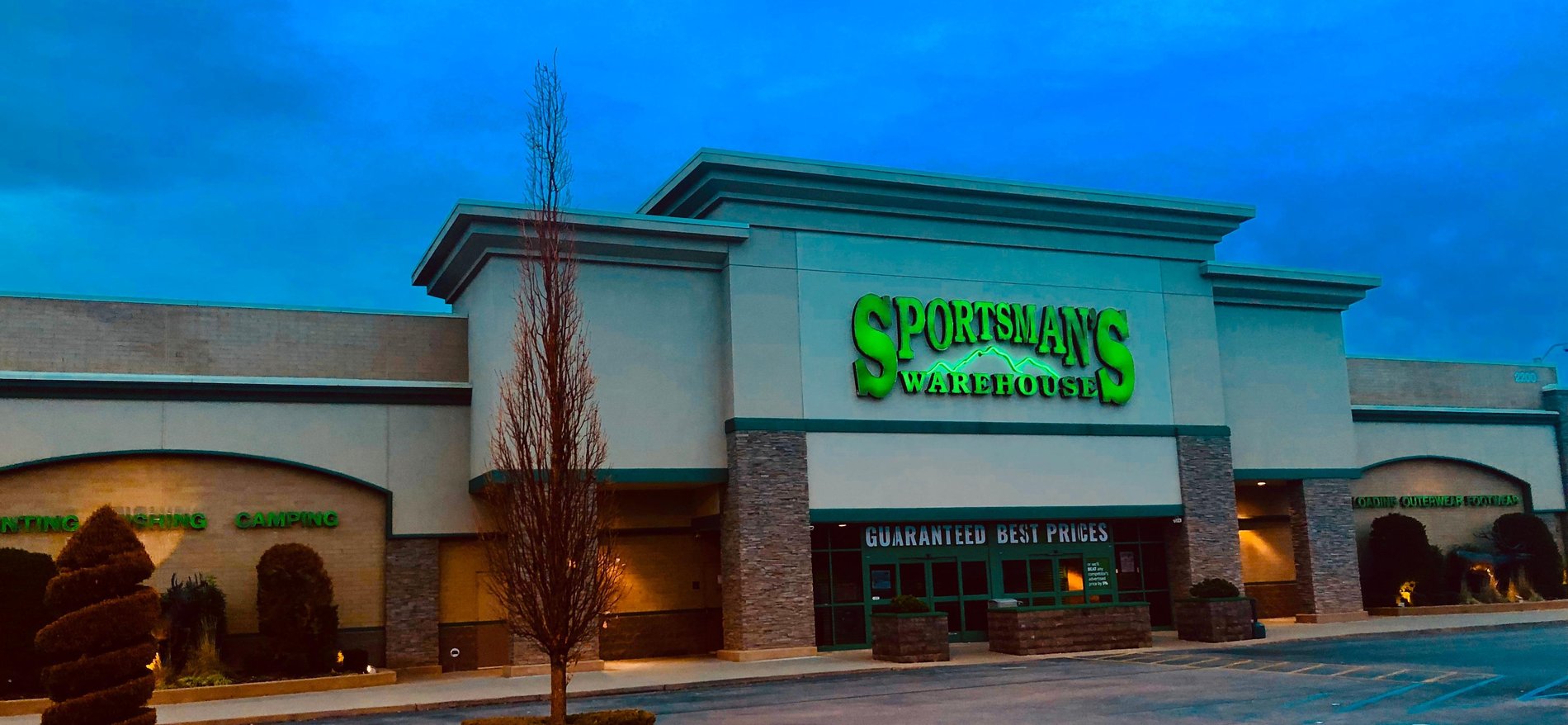
A shop that has to know the water
Sportsman’s began with one store in Midvale, Utah, in 1986. Founder Bill Hayes was selling into a world where outdoor expertise had a local address. Today, the business combines a national store network with sportsmans.com, selling firearms, ammunition, fishing tackle, camping equipment, optics, clothing, and footwear. Its customers range from first-time participants to experienced hunters and anglers replacing something they already understand.
Consider its Lexington, Kentucky, store. Its description names whitetail deer, turkey, and smallmouth and largemouth bass. The services are equally concrete: spooling reels, cutting arrows, tuning bows in a ten-yard archery lane, and mounting rifle scopes. These are useful jobs for someone whose weekend depends on equipment being ready. A product page can describe a reel; a shop can put line on it.
The business model is retail: buy merchandise, sell it through stores and online, and keep the margin after costs. Services and the free Explorewards loyalty program give shoppers reasons to return. Members earn one point per dollar spent. The proposition is particularly appealing to people buying across related activities, who would otherwise assemble a trip through several specialist shops.
The expertise is supposed to live in the workforce. In 2024, the company began calling employees “Outfitters,” a change it says carried into recruiting and training. Its annual report describes practical product instruction at hiring and continuing education afterward. That supplies a useful test of the culture claim: can the person on the floor explain the item in front of you? For a beginner, that can make a specialist shop less intimidating. For someone experienced, it can make a specific recommendation worth hearing. The name on the employee badge matters only if the conversation earns it, one customer at a time.
The competitor it nearly joined
Its position is easier to understand beside Bass Pro Shops and Cabela’s. All three combine outdoor assortments with knowledgeable salespeople. Sportsman’s has historically emphasized comparatively straightforward stores, describing its layout in filings as less expensive to build than those of principal competitors. The pitch depends on selection, price, and assistance, rather than requiring a store to become a destination attraction.
That distinction mattered to regulators. In December 2021, a proposed $785 million sale to Great Outdoors Group, the parent behind Bass Pro Shops and Cabela’s, was abandoned following an eleven-month Federal Trade Commission investigation. The agency said the businesses competed closely in at least two dozen local markets. Sportsman’s received a $55 million termination payment. It remained an independent public company, trading as SPWH.
The rod travels well. The advice ought to stay close to home.
The local knowledge proposition
Getting smaller inside the same walls
The company had already learned a harsher lesson about size. In March 2009, it entered Chapter 11. Contemporary reporting put combined debt at $452.2 million against assets with a book value of $436.3 million. After store sales and closures, it emerged that August with 26 stores, under ownership of Seidler affiliates. The financial structure had broken before the underlying idea disappeared.
The more recent reset is less dramatic, but familiar in its arithmetic. Fiscal 2025, which ended January 31, 2026, produced $1.209 billion in sales. Comparable sales rose 1%, their first full-year increase since 2020. Year-end inventory fell $29.1 million, or 8.5%. Management credited better availability of core products, merchandise matched to seasons and regions, and a move toward digital marketing.
Year-over-year percentage changes. Inventory compares fiscal year-end balances.
That is the part another retailer can copy: protect availability of the things customers actually seek while reducing stock elsewhere. It requires knowing local demand well enough to distinguish an essential item from a hopeful purchase order. Simply cutting everything would defeat the purpose. A lean shelf containing the wrong gear is still the wrong shelf.
The archery lane gets another job
There is a tangible example of this thinking in the March 2025 Byrna partnership. Sportsman’s announced dedicated online and in-store sections for Byrna’s less-lethal personal-protection products, with demonstrations at selected locations. Existing archery lanes would provide the demonstration space. Byrna would supply employee training. The exclusivity covered the shop-in-shop experience in big-box specialty retail.
The appeal is understandable: use space already paid for, add instruction, and let customers experience an unfamiliar product. The announcement described minimal build-out cost, without giving a dollar budget. That matters. This is a way to add a reason to visit without first building another store. Whether it produces durable profits is a separate question from whether it attracts attention.
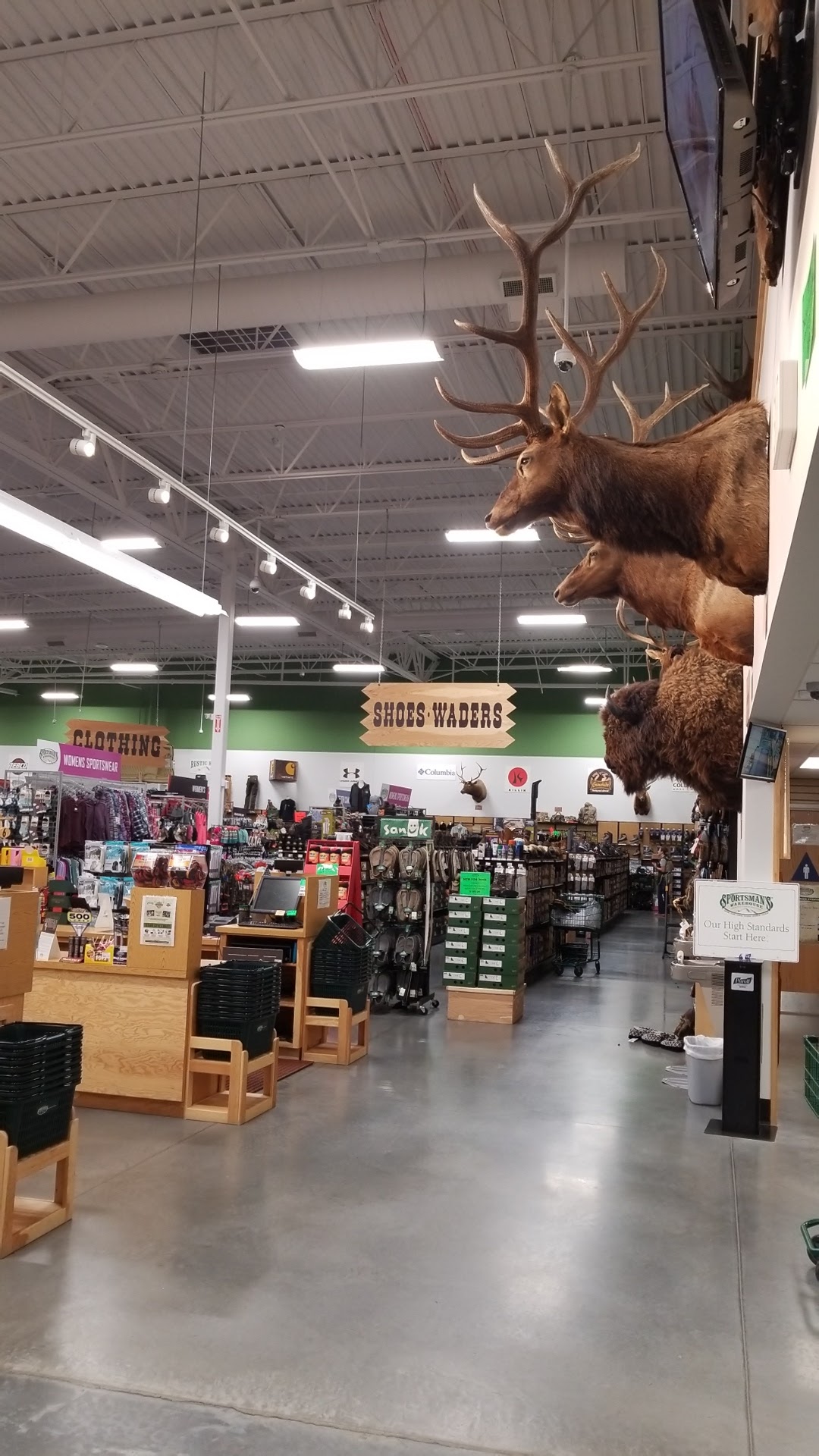
The sale is only half the equation
There are limits to the recovery. Fiscal 2025 still brought a $50.1 million net loss, including $17.8 million in impairment charges associated with ten underperforming stores. Higher sales do not automatically mean better economics. The business also faces competitors such as Academy Sports + Outdoors, local gun and tackle shops, and online specialists, each offering a different combination of price, convenience, and expertise.
The September 1, 2026 update showed the work continuing. Second-quarter sales rose 0.6% to $295.6 million; comparable sales were flat. Net loss narrowed to $4.4 million. Management also reported western drought pressure on fishing. Local relevance cuts both ways: knowing a watershed cannot make it rain. Weak discretionary spending can overwhelm careful merchandising, too.
Sportsman’s mission is to “inspire outdoor memories.” The practical route is pleasingly ordinary: have useful gear, explain it clearly, and help people leave ready. Its turnaround will be judged through margins and cash, but the customer’s test comes sooner. When someone asks what works around here, the answer needs to be worth the drive.
Take it outside
Explore the store, locations, Sportsman’s News, and company updates.
Watch: choosing a fishing rod · Dutch oven cooking · YouTube channel.