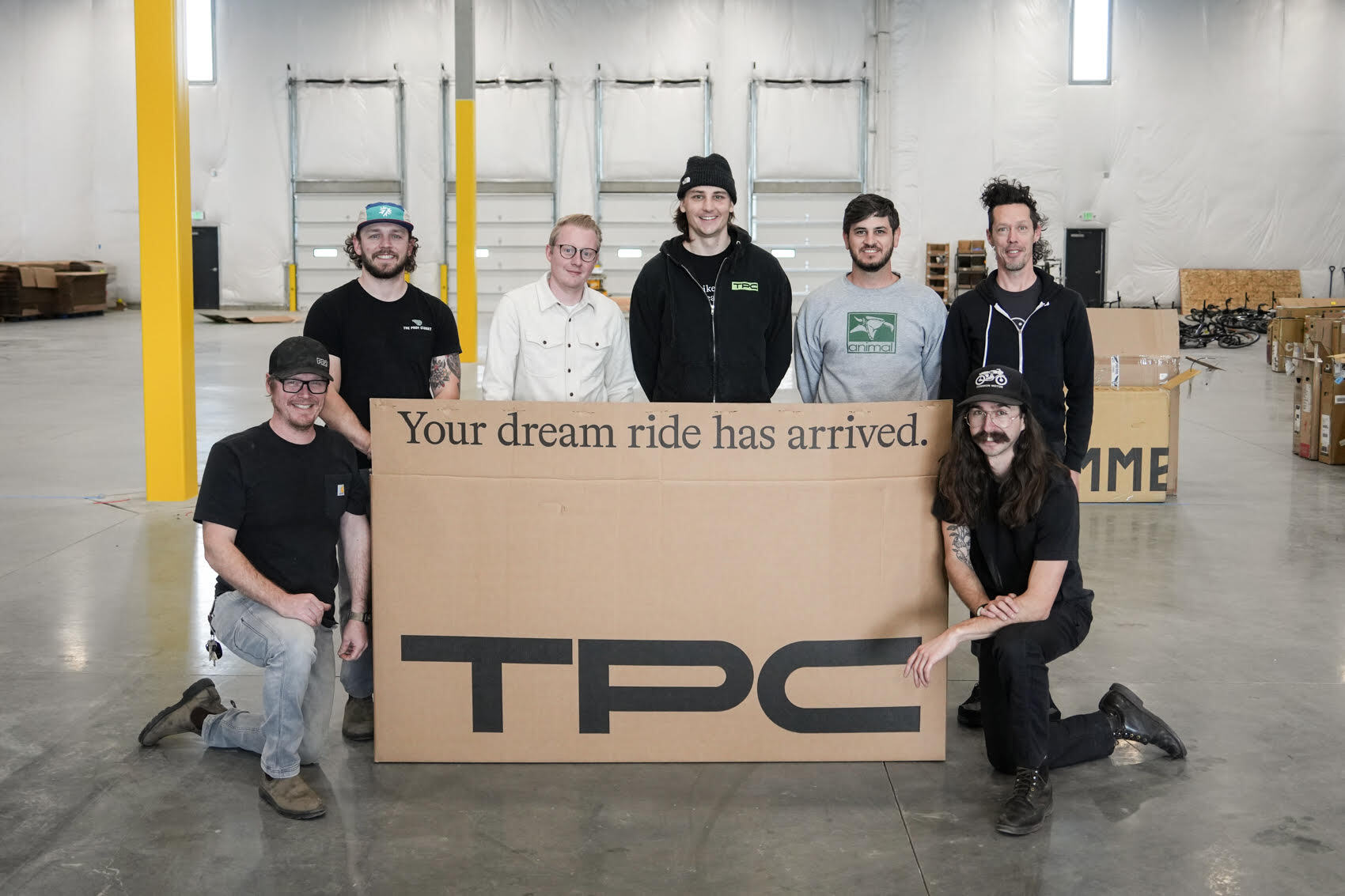
The first bike sold in The Pro’s Closet’s new life cost $4,199. Its previous owner kept 70 percent. The company packed it for its next rider, and the returning team posed behind a cardboard shipping box. For a business that had closed only months earlier, this was a modest photograph with a fairly large question inside it: could the same useful service work with different economics?
- Buy a serviced used bike, or turn your own into cash, credit or a consignment sale.
- The original company closed in 2024. The brand returned with less space and renewed dealer trade-ins.
- The central bet: keep the specialist work; reduce the money tied up around it.
The bike was fine. The business needed work.
Consider the problem of buying a used performance bicycle. A photograph shows the paint. It says rather less about a tired drivetrain, a damaged frame, or the meaning of “barely ridden.” Buyers need expertise; sellers need someone who will actually turn up. Both sides would appreciate spending fewer evenings exchanging messages.
The Pro’s Closet, usually shortened to TPC, inserts a workshop between those strangers. It inspects, cleans, services and photographs bikes before selling them online. Road, mountain, gravel, triathlon and electric bikes sit alongside frames, wheels and other equipment. The customer pays for the bicycle and for having a retailer take responsibility for the transaction.
A garage-sized idea meets a warehouse-sized bet
That intervention began with someone who understood the seller’s side unusually well. Founder Nick Martin was an aspiring professional mountain biker with surplus gear and very little money. In his own account, the ingredients were a van, used cycling clothing and a borrowed computer. Selling unwanted equipment on eBay became a service he could offer other riders.
The name followed the inventory. Professional cyclists had closets to empty. Martin had a way to empty them. Early partner Pete Lopinto helped connect the business to road racing while Martin worked his mountain-bike network. Expertise and access arrived together, before the company needed a national advertising proposition.
By September 2020, TPC was announcing $12 million in investment and a move to a 137,000-square-foot facility in Louisville, Colorado. A $40 million Series B followed in 2021, led by The Chernin Group. The ambition extended to bigger teams, technology and physical expansion. The pandemic bicycle boom made capacity look like an urgent problem to solve.
Then the market changed. Post-pandemic discounting devalued new and used inventory. Layoffs began in 2022; the company eventually closed in October 2024. Reported cumulative funding ran into tens of millions, with totals differing across accounts. Those investments financed the original business. They should not be mistaken for money sitting behind today’s operation.
A useful distinction emerges here. People still wanted bicycles. The price a reseller could earn for stock, and the expense of holding and processing it, had become less forgiving. A working customer proposition had coexisted with a business that could no longer keep operating.
Who pays before the bike sells?
Elshair Companies bought TPC’s digital assets, including the brand, website, software and customer database. Experienced managers returned. Jonathan Czaja came back as CEO. The formal retail relaunch arrived in January 2025, with consignment central to the reset and a much smaller Thornton headquarters.
About 79% less space. Footprint comparison, not a measure of rent savings.
Consignment changes the timing of the cash. Instead of buying every accepted bike outright before finding a buyer, TPC can sell on an owner’s behalf and pay after the sale. On that first $4,199 transaction, the arithmetic was $2,939.30 for the seller and $1,259.70 retained by TPC. That retained amount still had to fund work and overhead.
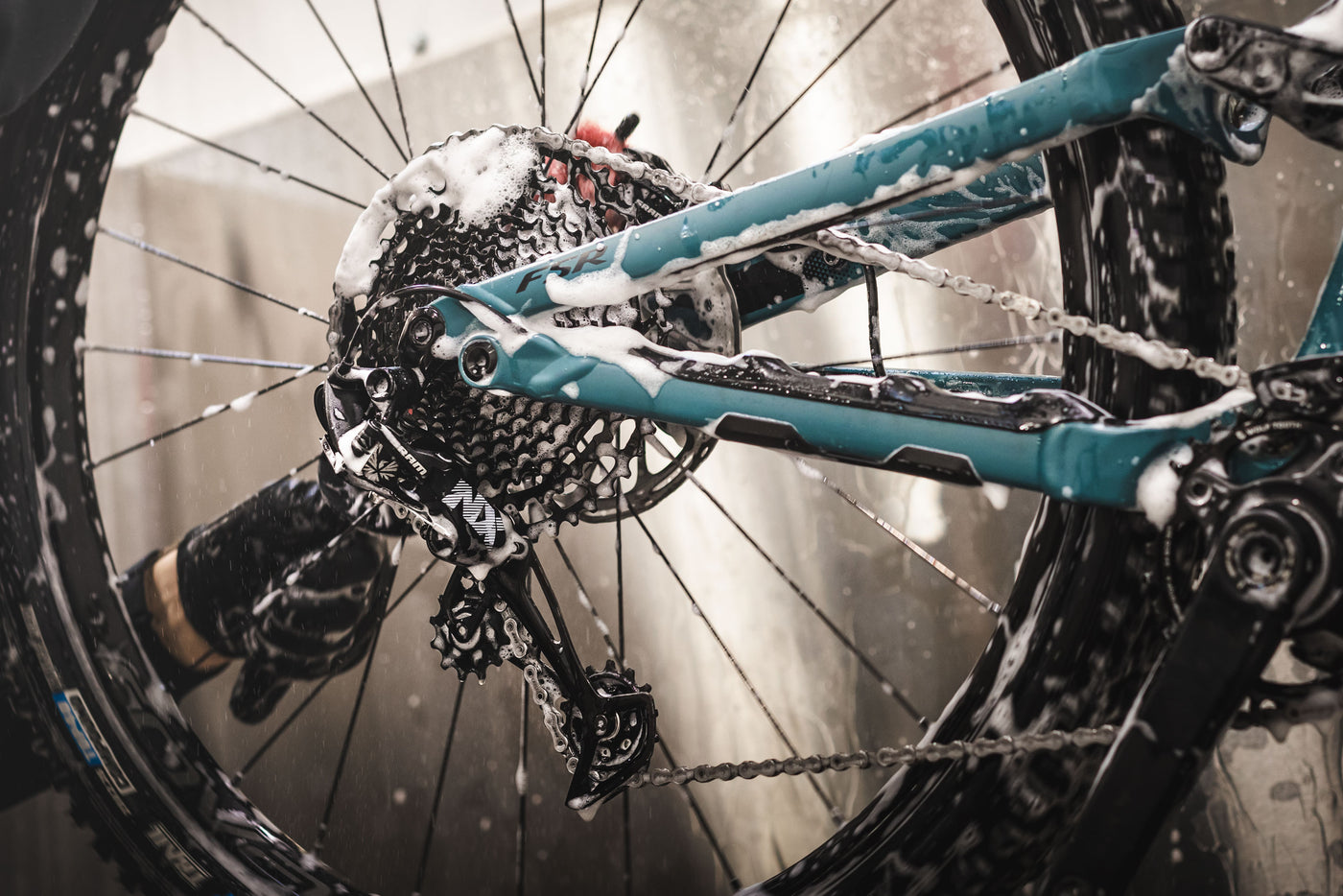
The restart also preserved human knowledge. Czaja reported 14 employees rehired by January 2025. In March, he celebrated crossing $1 million in sales since the reboot, then singled out a more tangible improvement: indoor wash bays. Revenue was welcome. So was no longer washing bicycles in the snow.
“Indoor wash bays.”Jonathan Czaja, on the restart milestone that excited him, March 2025
The shop down the street is part of the plan
TPC’s Dealer TradeUp program gives the local bike shop a role in this machinery. A customer wants a new bicycle but needs to sell the old one first. The shop submits details to TPC, receives an offer and, after acceptance and inspection requirements, helps turn that old bike into purchasing power. TPC gets inventory; the shop can complete another sale.
For another retailer, the lesson is to separate the service customers value from the assets required to deliver it. Keep the mechanics who can judge a bike. Question the square footage and the inventory bought in anticipation of demand. Consignment reduces the need to pay owners before a sale, but slow-moving stock still occupies space and consumes attention. A percentage of a sale is only useful if enough remains after the real work.
For individual sellers, the sensible comparison is convenience against proceeds. A private listing may leave more money in your pocket if you can handle the photographs, negotiations and buyer yourself. Consignment buys back that time but introduces a wait for payment. A cash offer or store credit offers a different trade-off. Availability depends on the item.
Buyers should compare the actual bike, condition and terms against discounted new stock. TPC’s help center says most inventory lacks a manufacturer’s warranty unless a listing specifies otherwise. Its focus on higher-quality recent equipment also means this is an imperfect destination for unloading an inexpensive, elderly commuter. The inspection and shipping work must be worth doing.
Keep the wheels turning
In December 2025, Czaja’s Freewheel Capital acquired TPC from Elshair Companies. By 2026, the company was helping Yeti and the Colorado High School Cycling League put 15 bikes into a racing-season library, with planned resale proceeds returning to the league. The transferable idea is practical: build the inspection, pricing and handoff that make another transaction possible. Then size the operation for the market that actually exists.