01 / NowWho they are, right this minute
Walk into a Lululemon on a Tuesday afternoon. A woman returns four pairs of leggings she's hardly worn. She doesn't want a refund. She wants a credit toward the next thing. The associate scans, the price appears, the gift card prints. The leggings move to a back-of-house bin, then to a sorting line in a warehouse Trove operates. By the weekend they are listed on Like New, priced by an algorithm that has seen a million pairs like them. By next week, someone in Phoenix is wearing them at yoga.
That entire choreography - the scan, the credit, the bin, the bot, the photo, the price, the listing, the shipment - belongs to one company most shoppers have never heard of. Trove. Headquartered in Oakland. About two hundred employees. Roughly $157 million raised across five rounds. Behind perhaps three quarters of every branded resale program in the United States. Patagonia's Worn Wear. Levi's SecondHand. REI Re/Supply. Canada Goose Generations. Carhartt Reworked. One platform. Many storefronts. Quiet plumbing for a loud movement.
02 / The ProblemWhat everyone else missed
For most of retail's history, used was somebody else's business. A thrift store. A consignment shop. A flea market on Sundays. The brand that made the jacket stopped caring the moment it left the till. And yet the math kept getting more uncomfortable. The fashion industry alone was producing more than 100 billion garments a year. About 92 million tons of textile waste was going to landfill annually. Customers, particularly the younger ones, were not impressed. Neither were regulators in Europe drafting new extended-producer-responsibility rules.
The opportunity hiding inside the problem was almost embarrassing. The most loyal customer a brand could ever have was the one already wearing its stuff. The most efficient marketing channel was the closet. The most sustainable supply chain was the one that didn't require a new supply. The only question was whether anyone could make the operations work. Used inventory is a nightmare. Every item is a SKU of one. Every photo is bespoke. Every price is a guess. Every shipment is a one-off.
03 / The Founders' BetFrom Yerdle to a category
Trove did not start out aiming for the back room of a Patagonia store. It started in 2012 as Yerdle, a peer-to-peer sharing app co-founded by Andy Ruben - Walmart's first chief sustainability officer - and Adam Werbach, a former president of the Sierra Club. The pitch was tidy: get neighbors to swap stuff they no longer needed. The customer was you. The product was your garage.
It was a perfectly nice idea that did not scale. Consumers wanted convenience more than they wanted community. So the founders did the thing more founders should do and changed their minds in public. If the consumer wouldn't power the engine, the brand would. The company rebuilt itself around a single conviction: that resale should be operated by the brands themselves, on their own URLs, with their own customer relationships intact - and that nobody could build the technology to do that except a dedicated company. They renamed it Trove. Patagonia became the first customer in 2017. Patagonia's Tin Shed Ventures also became an investor. Tidy.
04 / The ProductSoftware, with a forklift attached
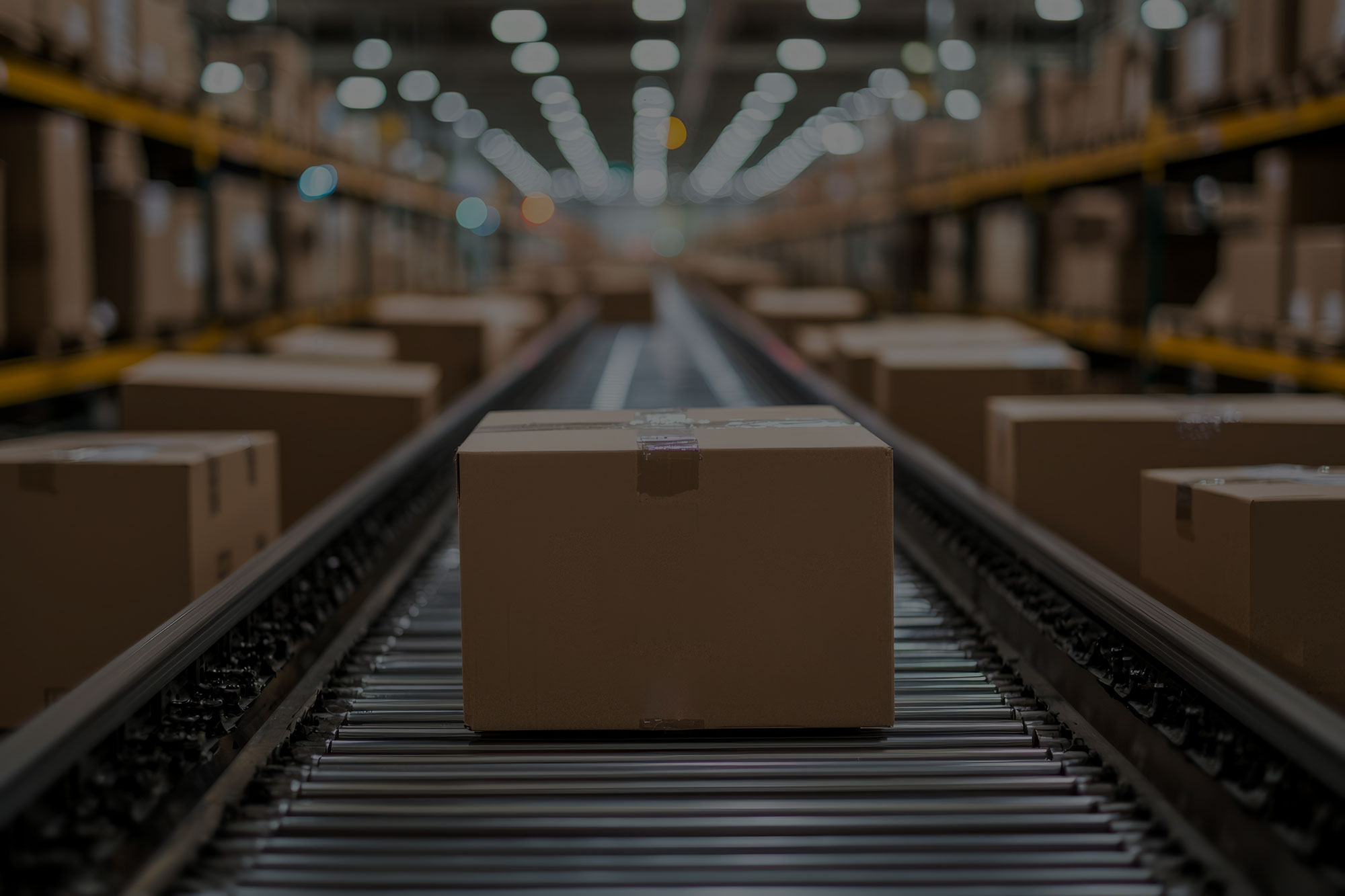
Trove is two companies in one trench coat. The first is a SaaS platform - a recommerce operating system that brands plug into their existing e-commerce stacks. It handles trade-in flows online and in store, item conditioning workflows, dynamic pricing, inventory management for one-of-one SKUs, customer credits, gift card systems, and the increasingly important task of telling regulators what happened to which jacket. The second is a physical operation: warehouses where humans and machines receive, grade, photograph, price and re-list the actual goods. Both halves are unglamorous. Both halves are the reason the system works.
The recent additions are the interesting ones. A pricing engine powered by machine learning sets resale prices in real time based on condition, demand and the brand's own strategic levers. Routing automation decides whether an item belongs in the brand's own resale store, on a marketplace, or in a recycling stream. The 2024 acquisition of Recurate added a lighter, faster product for smaller brands - the indie label that wants a resale program without booking warehouse space.
Four numbers, one company, zero hand-waving. (Sources: company statements, Retail Dive, BusinessWire.)
A 14-year arc, briefly
The company has been pivoting since before the word was fashionable.
05 / The ProofCustomers, in their own clothes
The honest test of a B2B company is which logos will speak for it, and Trove's customer list reads like a tour of the modern outdoor and lifestyle aisle. Patagonia. Levi's. Lululemon, with national in-store trade-in across more than 400 stores. REI, with Re/Supply running across more than 170. Canada Goose. Carhartt. Arc'teryx. On. Eileen Fisher. Michael Kors. Steve Madden. Brooks. Beis. Diane von Furstenberg. The new entrants tend to come from one of two places - sustainability budgets that finally have a P&L attached, or finance teams that have noticed resale customers buy more new product, not less.
Where Trove's logos cluster
Illustrative customer mix by category (company disclosures, 2026)
Bar widths are directional, not exact. The point is the shape of the book of business, not the precise mix.
A few things keep showing up in the case studies. Trade-in credits get spent on new product more often than not, which means the program is also acquisition marketing. Resale items move at higher gross margins than first-quality apparel once the logistics are amortized. And customers who participate in a brand's resale program have noticeably higher lifetime value than those who don't. None of this is magic. It is what happens when you stop treating the second life of a product as somebody else's problem.
06 / The MissionWhat they say it is for
Trove is a certified B Corp, which is the polite way of saying the company has agreed to be audited on its claims. The mission as the company tells it: extend the useful life of products so that brands, customers and the planet share the upside. The slightly less rehearsed version, often delivered by founder Andy Ruben in interviews, is that the most sustainable garment is the one that already exists, and that getting brands to take responsibility for what they make - all the way through its second and third owners - is the real unlock.
The strategy is shrewd because it avoids the standard climate-tech trap. Trove does not ask consumers to sacrifice, and does not ask brands to make less money. It asks both to make slightly different decisions, and routes the resulting margin through software.
07 / TomorrowWhy this gets bigger from here
Three tailwinds are pushing in the same direction. European regulation is starting to make extended producer responsibility for textiles non-negotiable, which means every brand selling in the EU will need a take-back story. Capital markets are growing impatient with the fast-fashion balance sheet. And consumers, particularly the younger ones, are doing something genuinely interesting - treating used purchases as taste, not compromise.
The risk is not demand. The risk is execution. Recommerce at scale is a logistics problem dressed up as a software problem, and the company that wins is the one whose warehouses run as cleanly as its APIs. Trove has spent 14 years quietly stacking both. If the next decade of retail is half as circular as its proponents predict, the company most likely to be running the pipes is the one in Oakland that started out trying to get you to share your blender with the neighbors.
Now go back to the woman with the four pairs of leggings. Watch the line at the trade-in counter behind her. Notice it isn't four people long anymore. Notice the associate isn't surprised. Notice the bin behind the register filling up faster than the new-arrivals rack. Trove built the operating system that made that ordinary - which is the ambition of every infrastructure company that ever mattered. Become invisible. Become the default. Make the new thing feel inevitable.
The closet, it turns out, was always the warehouse. Trove was just the first to act like it.