reverse-logistics
(37)
Josh Matthews Is Giving Every Used Device a Memory
The Apkudo co-founder spent years teaching machines to understand phones. Now he is building a record of what every device has been through - and what it should become next.

TRG Makes a Business of Keeping Your Business Moving
A scanner goes missing. A payment terminal quits. An airline waits for a repair. TRG has built its business around the expensive little interruptions that keep big companies from getting on with the job.

Sprout Wants Your Old Servers to Pay for Their Next Act
The company that began with discarded electronics now tracks, repairs, and resells enterprise hardware. Its next bet: giving retired AI infrastructure another working life.

Shields Wants Telecoms to Stop Buying What They Already Own
From precious metals rescued from the drain to a marketplace for retired network equipment, Shields has built a business around an awkward question: is the next purchase really necessary?
Tim Brown Is Selling the Afterlife of Your Phone
The Apkudo revenue chief works in the unglamorous, consequential minutes after a phone is returned - when data, trust and a second life are all still up for grabs.

How Apkudo Turned Returned Phones Into a $72 Million Case for Giving Every Device a Passport
The used-phone economy has a trust problem: nobody agrees on what a device is worth, where it has been or whether the repair worked. Apkudo’s answer is equal parts software ledger, diagnostic lab and robot line - with a decade-long carrier case study showing why the plumbing matters.

Gaurav Saran Built a Business Around the Awkward Journey Back
Most commerce stories end at delivery. The ReverseLogix founder has spent a decade mapping what happens next - and turning retail’s least glamorous handoff into useful infrastructure.

Chris Sapyta Saw a Freight Train. Then He Rewired the Keg Business.
A railroad crossing gave Chris Sapyta the boxcar analogy that shaped keg pooling. Three decades later, the Keg Logistics founder is still solving the same stubborn problem: how to keep reusable steel moving without making brewers own every vessel.
Eric Williams Built a Career Forward - Then Found His Company by Looking Back
The eJOOV co-founder spent two decades learning how goods move. His sharper insight was that the awkward trip home - the return - could become a second sale, a better process and the start of a broader logistics company.
eJOOV Started With the Box Nobody Wanted Back - Then Turned Returns Into a Four-Lane Logistics Business
The Louisville 3PL began with ecommerce's least glamorous problem: the return box with missing tags, parts, or packaging. Six years later, eJOOV is applying the same hands-on, software-backed discipline to bourbon, automotive parts, and cold-chain shipments.
The Repair Shop That Told Detroit: Don't Throw It Away, We'll Fix It
For nearly 80 years, a family-run shop outside Los Angeles has made its money on a stubborn idea: most broken electronics do not need to be replaced. They need to be repaired.

The Quietest Big Phone Business in Florida Moves 150,000 Devices a Month - and Wants No Press
For nearly three decades Daniel Kaufman has run a bulk phone empire on carrier relationships, R2 certification, and a strict no-publicity rule. Here is how the anti-marketing wholesaler actually works.
He Wanted Inventory to Work Like Online Banking. Now It Runs 12 Million Square Feet.
Carl Wasinger started Smart Warehousing with one computer under his desk in 2001. Two decades on, its proprietary software SWIMS quietly moves other companies' products through 30-plus warehouses - and nearly 5,000 customers depend on it.
The Company Behind the Cart: How Promologistics Runs Mexico's Invisible Commerce Layer
Promologistics does not simply move boxes. The Mexico City company coordinates the warehouses, software, freight partners and last-mile handoffs that turn an order into a delivery - and gives brands one accountable operator when the chain gets complicated.
The 9 Million-Square-Foot Machine Behind the Stuff That Just Shows Up
Custom Goods Logistics has spent more than six decades turning the least glamorous moments in commerce - customs exams, crowded docks, awkward inventory and urgent freight - into one connected service. Its advantage is not a clever app. It is owning more of the handoffs where supply chains usually come apart.

Pow* Wants to Be the Operating System Behind Latin American Fashion’s Online Cart
The Buenos Aires company does not merely build online stores. It connects the messy machinery behind them - stock, orders, returns, marketing and all - for fashion brands trying to sell across Latin America.

The Company Behind the Checkout Button
Digital Planet began selling computers online before South Africa was ready. Twenty-seven years later, it runs the quiet machinery that helps banks and telcos turn customer relationships into delivered devices, learning products and repeat business.

Assurant
You may never shop for Assurant, yet it may already be standing behind your phone, car, apartment or mortgage. The $12.8 billion company has built a business out of everything that happens after the sale.
B-Stock
B-Stock turned retail's awkward back room - returns, trade-ins and excess goods - into a data-rich B2B market. Its real product is not the pallet. It is a faster, more legible second life for inventory.

AER Worldwide
AER Worldwide turns a corporation's retired laptops, servers and circuit boards into three things executives can use: verified data destruction, recoverable value and a cleaner audit trail.

Return Helper
Return Helper is a Singapore-based, AI-driven cross-border ecommerce returns and reverse-logistics platform. It pairs branded return-portal software with a network of 20+ overseas warehouses that receive, inspect and process returned goods locally, then recover value through recommerce - refurbishing, grading, reselling and recycling. Founded by Roy Wan and Paco Wong, the company helps online sellers on Amazon, Shopify, eBay and TikTok turn returns from a cost center into a source of recovered revenue.

Salasa | سلاسة
Salasa is a Riyadh-based end-to-end e-commerce fulfillment and logistics platform. Founded in 2017, it gives online merchants a single stack for warehousing, order fulfillment, domestic and cross-border shipping, bonded zones, returns, and dark-store-powered two-hour delivery, connected through an OMS and API integrations with platforms like Salla, Zid, Shopify and Amazon and more than 40 carriers. The company has fulfilled tens of millions of orders for over 1,000 merchants and raised roughly $40 million to build a tech-first logistics network across Saudi Arabia and the GCC.
AfterShip
AfterShip is a post-purchase software company that helps online retailers manage everything that happens after the buy button. Its platform tracks shipments across more than 1,100 carriers, powers branded tracking pages and delivery notifications, automates returns and exchanges, predicts estimated delivery dates, and syncs catalogs to marketplaces like TikTok Shop. Founded in Hong Kong in 2011 and now headquartered in Singapore, AfterShip serves tens of thousands of merchants, including brands such as Microsoft, Dell, HP, and marketplaces like eBay and Etsy, and has processed billions of tracked shipments.
Divert, Inc.
Divert, Inc. is a Concord, Massachusetts impact technology company on a mission to prevent food from being wasted. Founded in 2007, it pairs data-driven prevention software with reverse logistics and a network of anaerobic digestion facilities that turn unsold and non-donatable food into renewable natural gas and soil amendment. Divert serves more than 7,800 retail and industrial customer locations - including Kroger, Albertsons, Target, CVS and Ahold Delhaize - and reached a valuation of over $1 billion following a 2026 Series C led by Mitsubishi Corporation.

ReverseLogix
ReverseLogix is a Burlingame, California SaaS company that builds an end-to-end Returns Management System (RMS) for brands, retailers, manufacturers and 3PLs. Founded in 2014 by Gaurav Saran, it handles the full returns lifecycle - RMA creation, customer self-service portals, warehouse routing, warranty checks, repairs, parts harvesting and analytics - across both B2B and B2C channels. The platform integrates with 400+ shipping carriers and major ERP and e-commerce systems, and now layers AI on top to automate returns triage. ReverseLogix bootstrapped for roughly six years before raising a $20M Series A led by Cambridge Capital in 2021.

Re:Dish Co.
Re:Dish is a New York-based reuse company that replaces single-use foodservice containers and cups with a full-service reusable dishware program. Through its 'Reuse as a Service' model, Re:Dish delivers reusables, collects them daily, sanitizes them at a high-capacity Brooklyn warewashing facility washing up to 75,000 units a day, and tracks the environmental impact through its DishTrack software. Founded by serial entrepreneur Caroline Vanderlip in 2020, it serves corporate cafeterias, schools, hospitals, arenas and production sets, tackling the roughly one trillion single-use foodservice items thrown away in the US each year.
Caroline Vanderlip
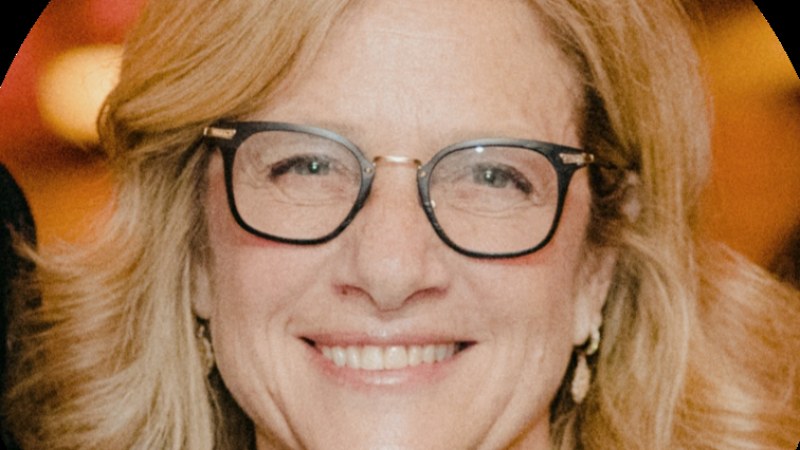
Caroline Vanderlip is the founder and CEO of Re:Dish, a Brooklyn-based reusable foodware company that swaps single-use containers for durable, USA-made ones, then collects, sterilizes, and redistributes up to 75,000 items a day from an automated industrial warewashing plant. After three decades launching businesses inside NBC, CNBC, AT&T, and her own publishing-tech ventures, she traded media for dishwashing in her sixties, betting that the most radical thing a company can do is wash its own plates and use them again.

Reconext
Reconext is a global aftermarket lifecycle services company that takes returned, broken, or retired electronics - phones, laptops, set-top boxes, AI servers, point-of-sale gear - and gives them a second life. Through repair, refurbishment, testing, trade-in, asset recovery, and IT asset disposition, the company keeps devices and components circulating instead of heading to landfill. Headquartered in Grapevine, Texas and operating roughly 22 facilities across the Americas, Europe, and Asia Pacific, Reconext serves manufacturers, carriers, retailers, insurers, and data centers.
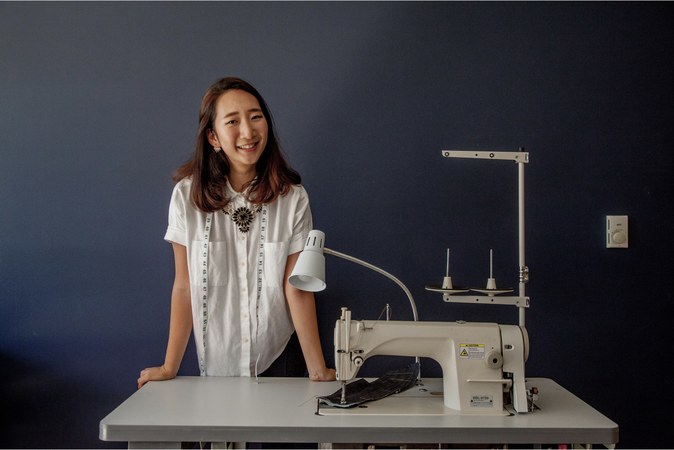
Allison Lee
Allison Lee is the co-founder and CEO of Revive, a New York fashion-tech company that helps brands recover value from returned and unsellable inventory through AI-driven inspection, refurbishment, and resale. A Korean immigrant who arrived in the U.S. at 13 and studied psychology at UC Berkeley, she first built Hemster, a SaaS tailoring platform, in 2017. When the pandemic stalled in-store tailoring, she pivoted the underlying fit-data infrastructure into Revive, which she has grown 46x in under a year and which has processed roughly $23M in merchandise. She is a 2019 Forbes 30 Under 30 honoree.

Revive | B-Corp Certified
Revive (stylized (Re)vive) is a New York fashion-tech company that turns returned, damaged, and excess apparel into recovered revenue for brands. Its AI-powered platform inspects each item in minutes to flag damage type and resale potential, then cleans, lightly repairs, and routes goods back to stores or onto resale channels - so unsellable inventory becomes profit instead of landfill. A Certified B Corp, Revive has recovered roughly $23M in gross merchandise value and kept over 150,000 garments out of landfills.