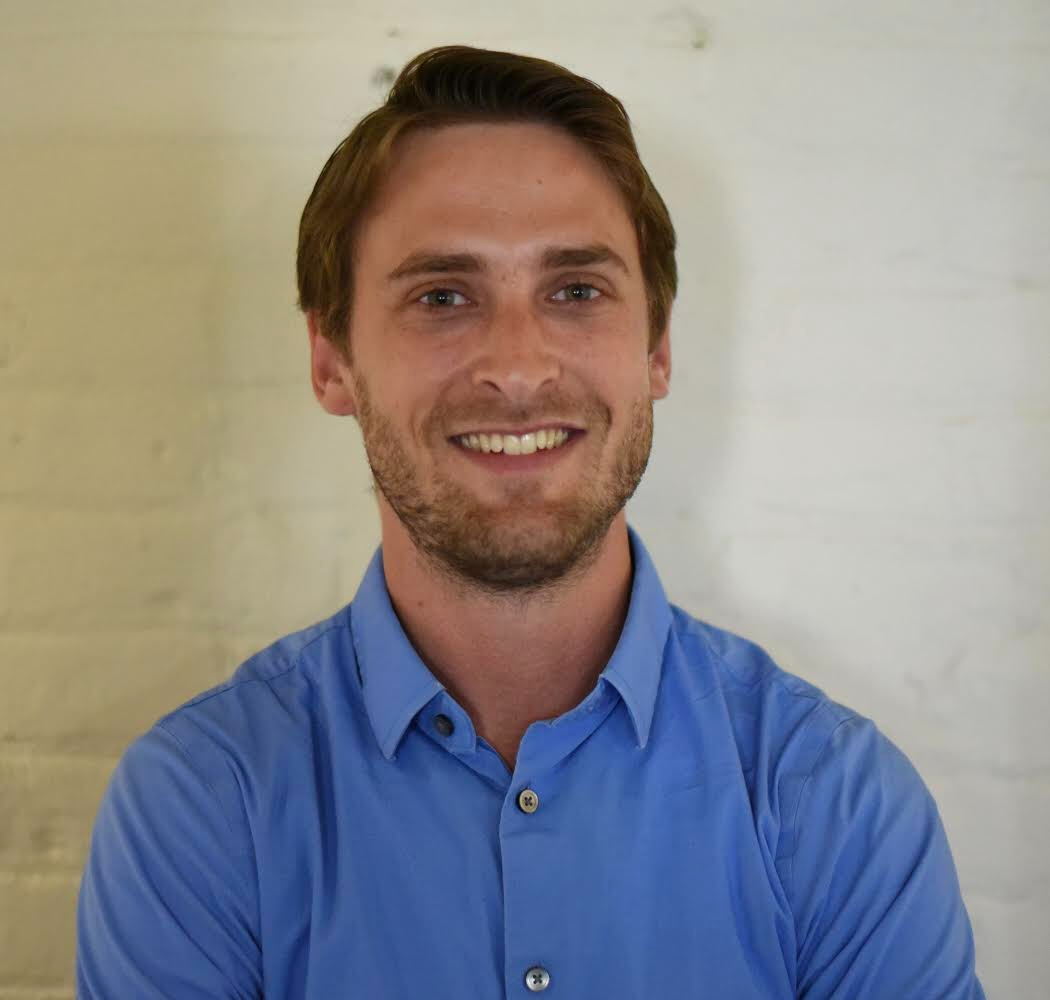
The venture capitalist who rolled up barefoot on a skateboard wasn't trying to make an entrance. He was trying to start a conversation about broken systems.
Chris Burniske didn't look like Wall Street. He looked like Waikiki - because that's where he's from. The kid from Honolulu who attended the same prep school as Barack Obama wasn't interested in finance. He studied Earth Systems at Stanford. But somewhere between tectonic plates and cryptocurrency, he found something more interesting than rocks: networks that could move money faster than continents move.
In 2015, while the rest of Wall Street was still figuring out how to pronounce "blockchain," Burniske led ARK Invest to become the first public fund manager to offer Bitcoin exposure.
That barefoot pitch to Cathie Wood? It worked. He joined ARK in 2014 as a Next Generation Internet analyst covering big data, cloud computing, and that weird internet money thing nobody understood yet. Within a year, he'd convinced one of the smartest investors on the planet that Bitcoin wasn't just a currency - it was an asset class.
The Book That Changed Everything
Most 26-year-olds write Medium posts. Burniske wrote Cryptoassets: The Innovative Investor's Guide to Bitcoin and Beyond with Jack Tatar in 2017. The book became the definitive guide at precisely the moment everyone needed one. The timing wasn't luck. When you're first to see something, you're first to explain it.
But explaining wasn't enough. In 2017, while the book was climbing bestseller lists, Burniske was building something bigger: Placeholder, a venture capital firm backed by Andreessen Horowitz, ARK Invest, and Union Square Ventures. The thesis was simple - invest in the protocols that would power Web3, not the apps that would run on top of them.
When I'm looking for a spot to surf on any given day, I'm always looking for the best spot that has the fewest number of people, because I'm not going out there to compete with other people. I'm going out there to ride a wave.
The Surfer's Edge
That surfing metaphor isn't decoration. It's strategy. Burniske doesn't compete in crowded markets. He finds empty lineups where the swells are building. Since 2017, Placeholder has invested in over 75 companies and networks - Solana before it was a darling, Arweave before permanent storage was obvious, Celestia before modular blockchains were cool.
His partner Joel Monegro handles the technical thesis. Burniske handles the market psychology. Together with Brad Burnham as venture partner, they've built Placeholder into one of crypto's most respected early-stage funds. Not the loudest. Not the flashiest. The smartest.
"Super-cycle narratives are symptoms of euphoria that strengthen my conviction something's not right, making it easier rather than harder for me to be bearish."
That's not a hot take. That's discipline from someone who's seen three crypto winters. When everyone else is screaming "this time is different," Burniske gets quieter. When everyone else is panic-selling, he's mapping accumulation zones - mid-$80,000s to low-$50,000s for Bitcoin, according to his 2026 framework.
The Education of a Contrarian
Burniske's parents were educators with an intellectual bent against Wall Street. They emphasized frugality. They questioned systems. They didn't raise a hedge fund manager. They raised someone who'd question why hedge funds exist.
At Stanford, he wasn't networking his way into Goldman Sachs. He was studying how systems fail - environmental systems, economic systems, trust systems. Earth Systems as a major sounds soft until you realize it's about understanding complex adaptive networks. Turns out, blockchains are complex adaptive networks too.
The progression makes sense in reverse. Kid from Hawaii studies broken systems. Studies cryptocurrency. Convinces institutional investors it's real. Co-authors the guidebook. Starts a fund. Backs the next generation of protocols. Each step follows if you're paying attention.
The Placeholder Playbook
What does Placeholder actually do? They write checks to protocols most people can't pronounce yet. The portfolio reads like a who's who of blockchain infrastructure: 0x, Agoric, Aleo, API3, Aptos, Avalanche, Balancer, Monad, zkSync. Some succeeded spectacularly. Some are still building. None were obvious at the time.
In May 2026, Burniske highlighted Monad's MON token as "one of the highest quality teams to launch in the last few years" with better valuations than previous cycles. That's not cheerleading. That's pattern recognition from someone who's been doing this since before it was cool.
The conscious mind thinks through words, which are approximations, while subconscious feelings in your gut or in your heart represent deeper, truer sensations and places of processing.
Burniske trusts his gut more than his spreadsheets. He has to - he's investing in technologies that don't have comparables. How do you build a DCF model for a protocol that might not exist in five years or might power the entire internet? You can't. You surf.
The Anti-Hype Machine
While other crypto investors are pumping coins on Twitter, Burniske publishes measured research on Medium. While others are doing victory laps, he's publishing frameworks for bear markets. In March 2026, he analyzed XRP's digital commodity classification under the new SEC-CFTC joint framework - not because he's bullish or bearish, but because regulatory clarity matters for infrastructure.
This is someone who's been featured in The Wall Street Journal, The New York Times, and Bloomberg - not for hot takes, but for cold analysis. He's appeared on 19+ podcasts. He speaks at conferences. But he's not building a personal brand. He's building conviction in an asset class most people still don't understand.
His latest thesis: a subset of mainstream crypto assets could present 100x opportunities over multi-decade horizons, with proper risk management and disciplined diversification. Not this quarter. Not this year. Multi-decade. That's not how VCs usually talk. It's how Stanford Earth Systems grads think about geological time scales.
The Latest Chapter
In 2026, Burniske is still at Placeholder, still finding empty lineups, still backing protocols that sound like science fiction. He's still publishing research. Still appearing on podcasts. Still explaining complex systems to people who think they want simple answers.
The barefoot skateboarding pitch to Cathie Wood worked because it was authentic. The book worked because it was needed. Placeholder works because Burniske and Monegro understand something fundamental: the best investments don't compete in crowded markets. They create new markets.
From Honolulu to Stanford to ARK to Placeholder - Chris Burniske proved you don't need to look like Wall Street to change how Wall Street thinks about money.
Seventy-five portfolio companies later, he's still looking for the best waves with the fewest people. Still trusting his gut over conventional wisdom. Still questioning systems. The kid from Hawaii who studied Earth Systems and showed up barefoot to pitch crypto didn't just join the financial establishment. He built a parallel one, one protocol at a time.
And he's still not wearing shoes.