digital-assets
(182)
BitcoinIRA gave Bitcoin a retirement plan
A former U.S. Mint director became its first customer. Ten years later, BitcoinIRA is selling something less exotic than it sounds: a familiar home for an unfamiliar asset.

Pantera Capital bought the Bitcoin bet. And the businesses around it.
A macro trader, a Slovenian exchange and two Teslas explain how Pantera turned a belief in Bitcoin into a business spanning venture capital and digital assets.
BitMart built the aisle for the other coins
A vast token catalogue made BitMart a destination for crypto discovery. Its 2026 wind-down exposed the harder job behind every exchange: keeping the exit open.

Wallex Neobanking. One wallet. Several rulebooks.
Wallex put crypto wallets, currency exchange and a prepaid card under one roof. The interesting part is how many doors sit behind the front desk.
Fastex wants crypto to feel familiar
A trading platform, a mall gallery, a payment card and a blockchain walk into the same business. Fastex is betting that the way into Web3 is through things people already understand.
FalconX makes the scattered market whole
Crypto trades around the clock. Its capital gets stuck everywhere. FalconX built a business connecting the pieces - and is now buying more of the map.
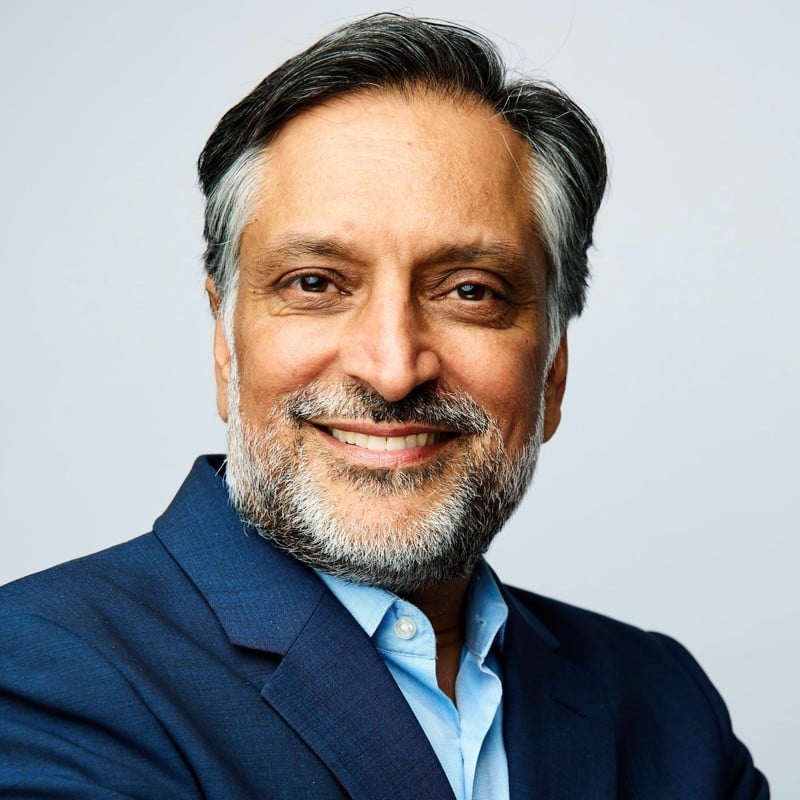
Harpal Sandhu and the price of getting in
He founded Integral at Stanford in 1993. Three decades later, Harpal Sandhu is still working on the same question: what keeps people out of financial markets, and what would it take to let them in?
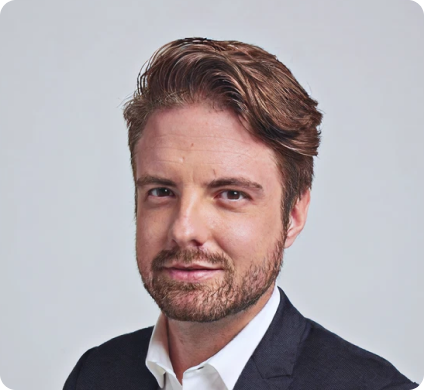
Peter Smith’s two-year Bitcoin detour is still going.
He expected Bitcoin to hold his attention for a couple of years. More than a decade as Blockchain.com’s CEO has turned that early curiosity into a longer education in money, people and staying in business.
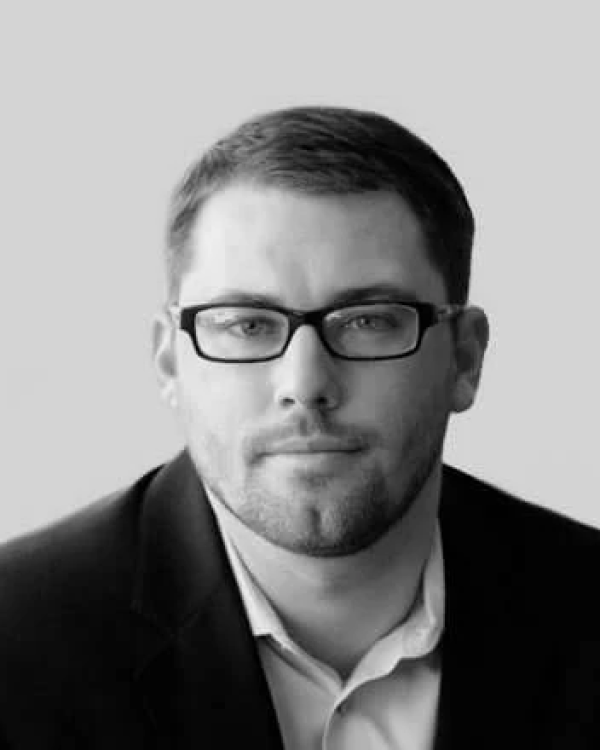
Jake Benson and the unfinished business of Bitcoin
When Jake Benson tried to report his crypto investments, he found a software problem hiding inside a tax problem. His answer became Libra, later Lukka, and a career spent making new money legible to the old financial world.

Bill Barhydt and the money that would not move
Before Abra became a crypto wealth manager, Bill Barhydt was trying to get money across borders. His career keeps returning to the same question: why should moving value be harder than moving information?
Ava Labs wants you to own the rails
The company behind Avalanche is selling businesses a blockchain of their own. The revealing part is what it had to change to make that proposition practical.
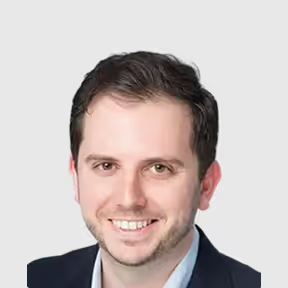
Vadim Telyatnikov and the business of what gets left behind
Unsold advertising gave the LiftDNA co-founder his first market to fix. Digital exchanges, business bills and AI supplied the next variations on a remarkably persistent question: where is value getting lost?
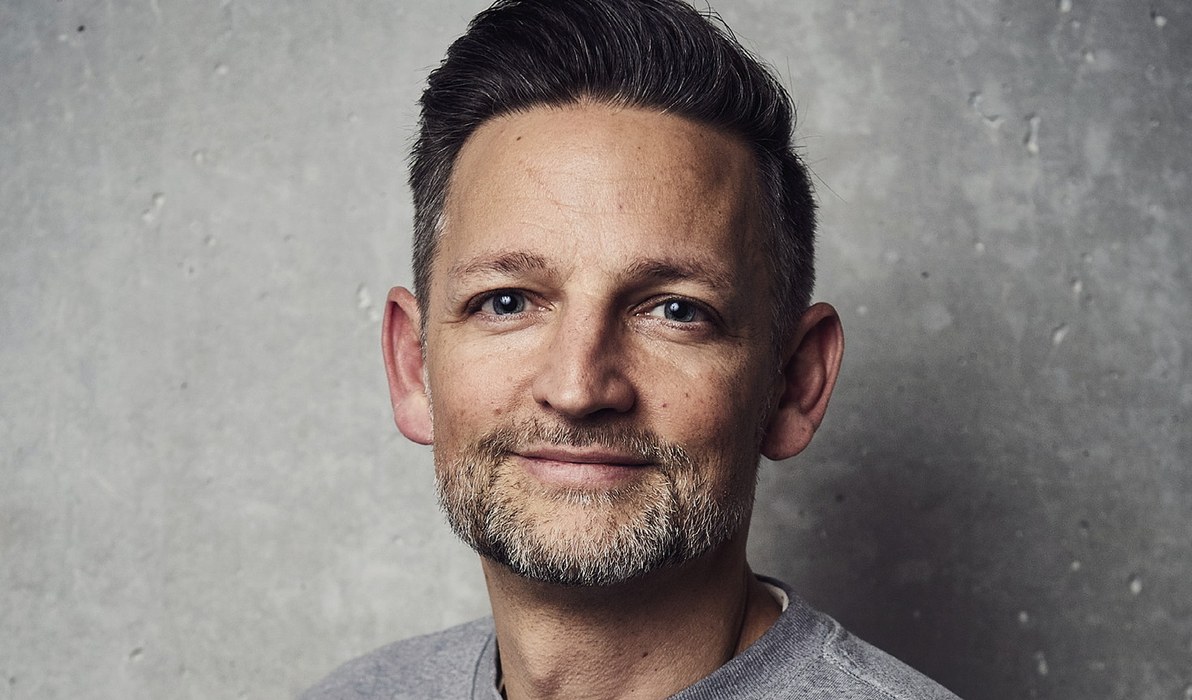
Andreas Iten and the five o’clock theory of fintech
An online-trading startup, a career inside SIX and a beer with the bankers: how Andreas Iten came to build Tenity around the difficult business of getting people to work together.
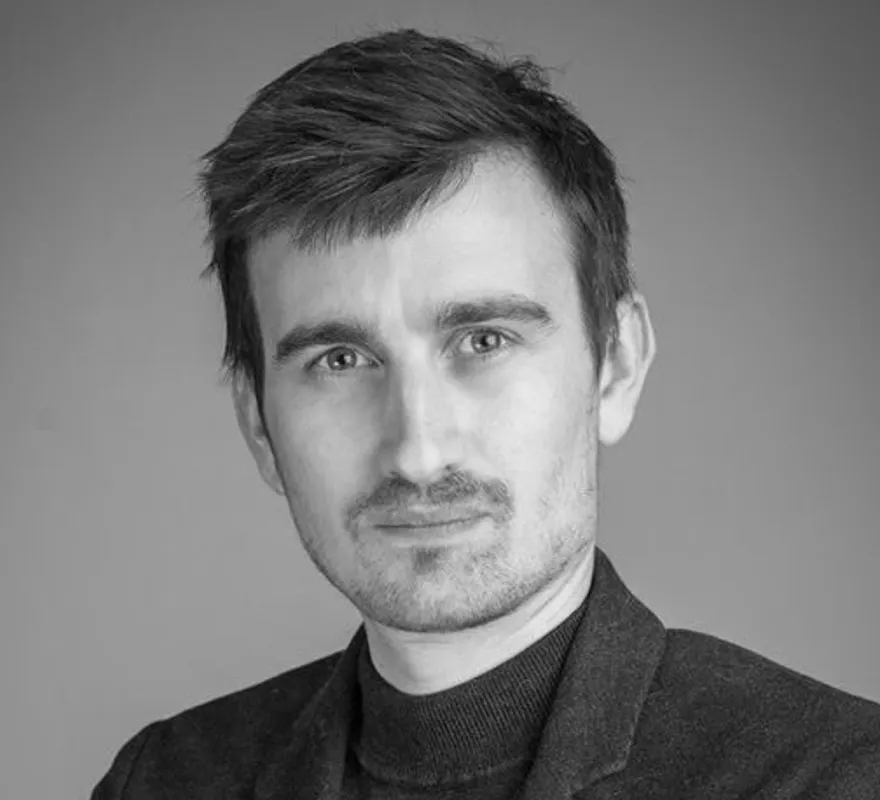
Guilhem Chaumont and the problem with a market that never closes
The engineer turned HSBC trader built Flowdesk around a practical question: who supplies the other side of a crypto trade? His answer has taken him from token liquidity to the machinery of institutional finance.

Marex makes the trade happen
Behind the price of copper, a currency hedge or a crypto contract sits a less visible business: making the transaction work. Marex has built a growing company around that job.
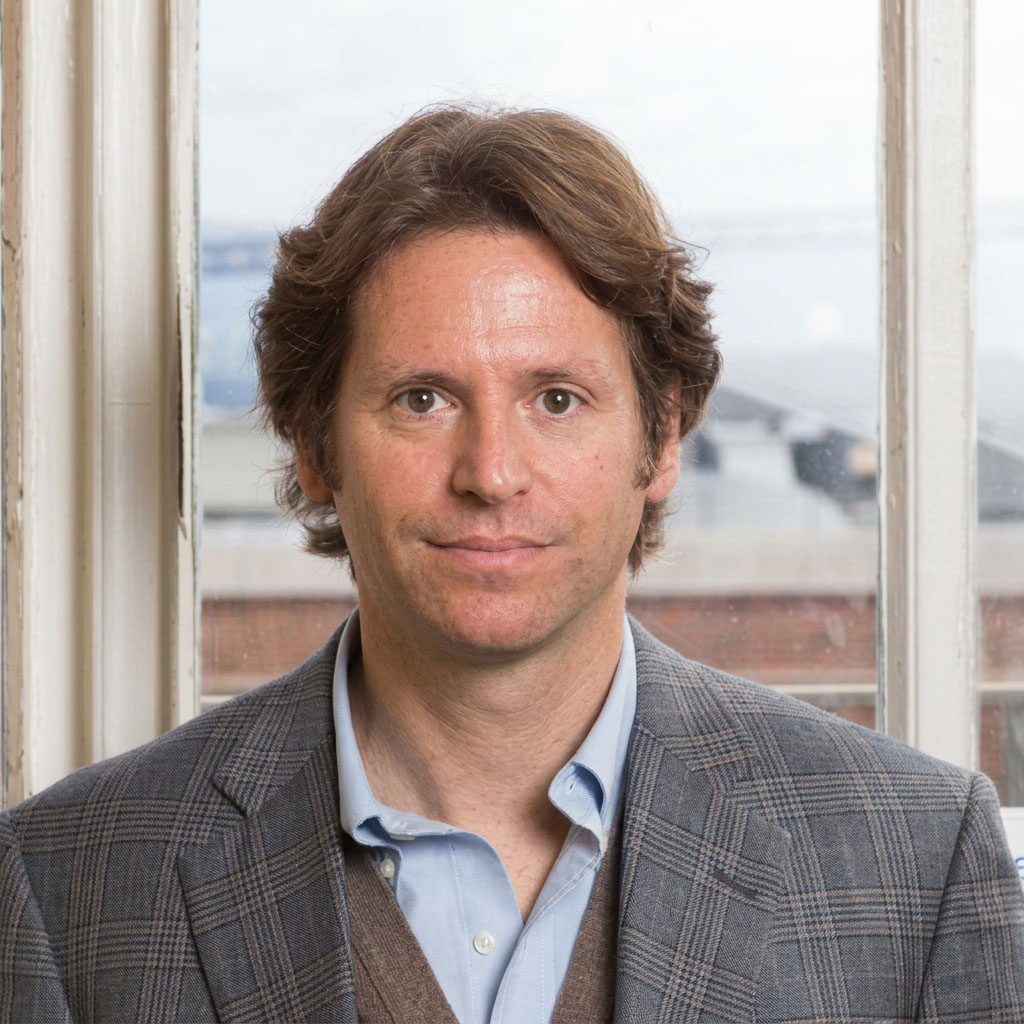
Trevor Traina and the Art of Starting Over
He helped drivers keep their cars, sold companies to Microsoft and Mastercard, and took the diplomatic post his grandfather once held. Trevor Traina’s career keeps returning to a question: what would make this easier for someone else?
Tenity puts fintech in the room where banks buy.
A startup needs capital. A bank needs a reason to trust it. Tenity has built a business around getting both sides to work on the same problem.
Scott Bambacigno’s Long Bet on the Business Behind Bitcoin
Before he became Alphapoint’s CEO, Scott Bambacigno sold enterprise software, built coffee businesses, and took exchange technology on the road. His career follows the patient work of turning a new idea about money into something institutions can use.

Ken Kodama and the trouble with making money useful
He came to crypto from financial planning and built EMURGO around a practical question: what can people actually do with Cardano? Now its founder and chairman faces a harder version of that question, as the wallet business he helped establish winds down.
Igor Telyatnikov and the business of being invisible
From electronic security to a national Bitcoin wallet, Igor Telyatnikov built a career around the machinery other people rely on. The AlphaPoint co-founder’s story turns on a deceptively ordinary question: does it work when someone needs it?

Damon Xu and the Business After the Trade
After years in crypto trading, Damon Xu turned toward the work every investment leaves behind: understanding positions, measuring risk and making the books agree. At 1Token, that became a business of its own.
Nathan McCauley and the trouble with keeping the keys
Lost crypto keys gave Nathan McCauley a business idea. Turning it into Anchorage Digital meant learning that securing money and earning trust require more than good code.
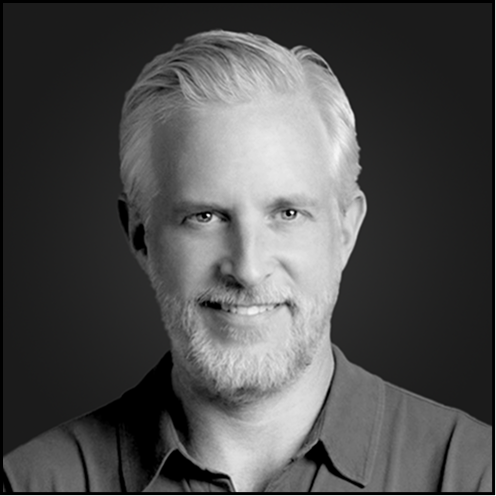
Konstantin Richter and the business of making crypto boring
He spent years connecting people, phones and media. With Blockdaemon, Konstantin Richter took on a less glamorous connection: getting the financial establishment onto blockchain networks, one carefully governed step at a time.
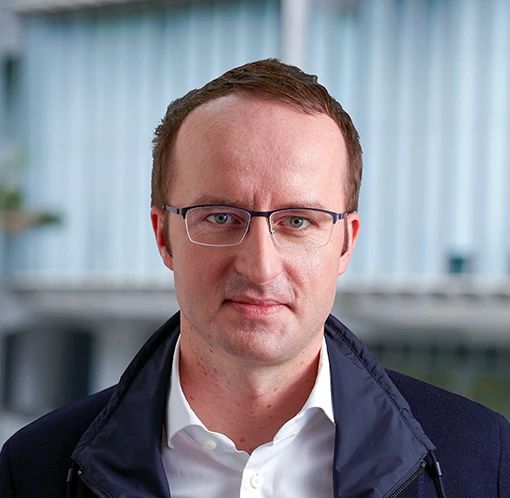
Kris Marszalek and the price of a name
He turned Monaco into Crypto.com, put the address on a Los Angeles arena, then bought AI.com. Kris Marszalek keeps betting that a memorable name can bring unfamiliar technology to the crowd. The harder work begins when people arrive.
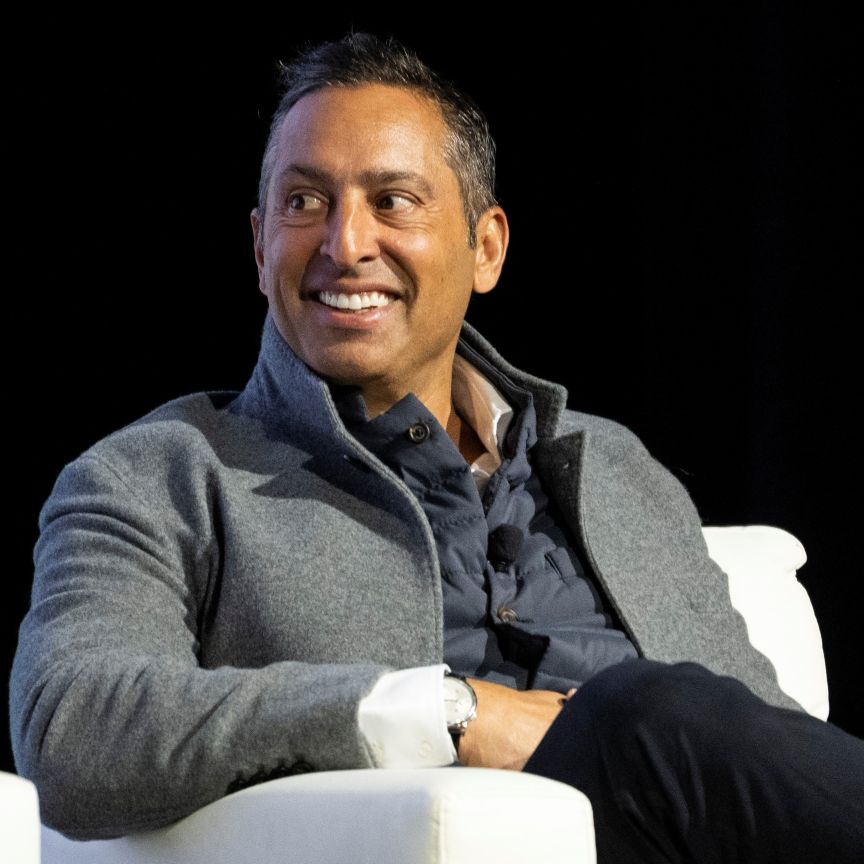
Brett Tejpaul and the value of going slowly
He spent years building businesses inside banks before joining Coinbase in 2020. His second career asks a familiar question in unfamiliar territory: what does it take for institutions to trust a new market?
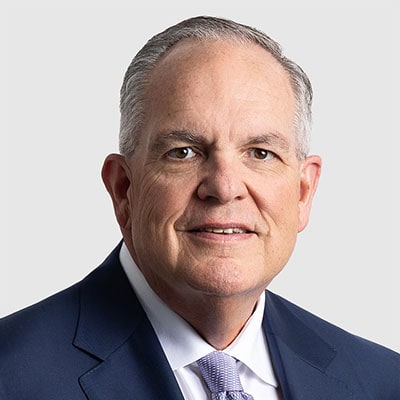
Ronald O’Hanley’s second thoughts
He once wondered whether driving a beer truck would be the best job he ever had. Four decades in finance later, State Street’s chairman and CEO is still interested in what happens when you reconsider the plan.
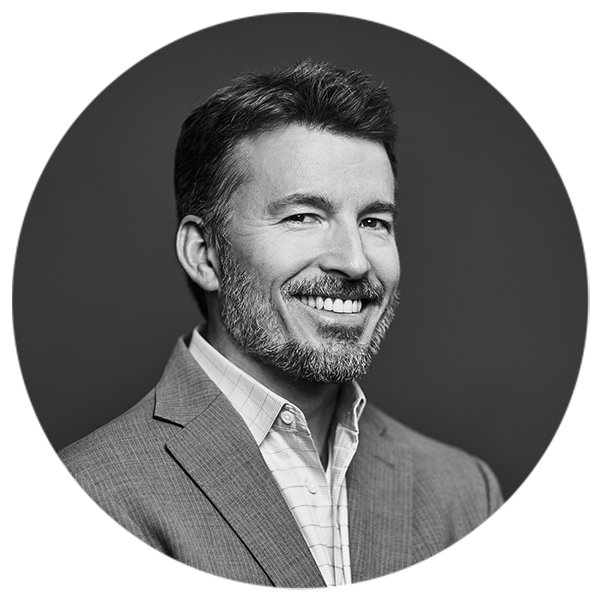
Jason O’Reilly and the business of making markets work
From Chicago derivatives to digital assets in Nassau, Jason O’Reilly’s career follows the practical questions behind a trade: who provides the money, how risk is managed, and what keeps the machinery running.
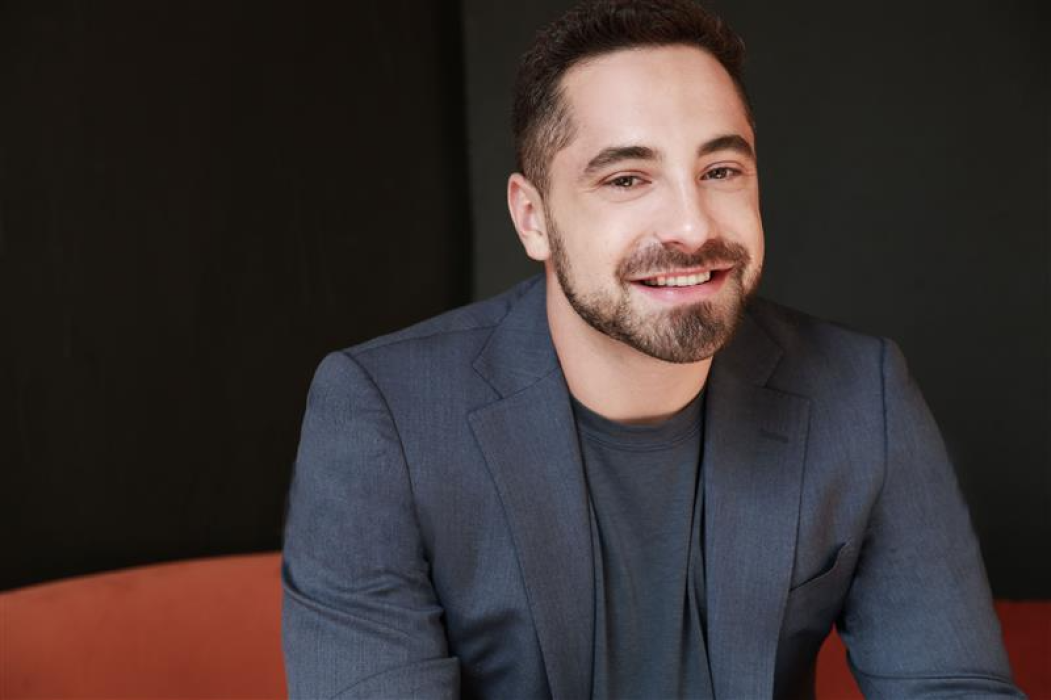
Ben Weiss and the surprisingly physical life of digital money
Ben Weiss helped build CoinFlip around a stubbornly ordinary habit: paying with cash. His route from a college Bitcoin wallet to thousands of kiosks runs through gas stations, bank accounts, and the work of earning trust.
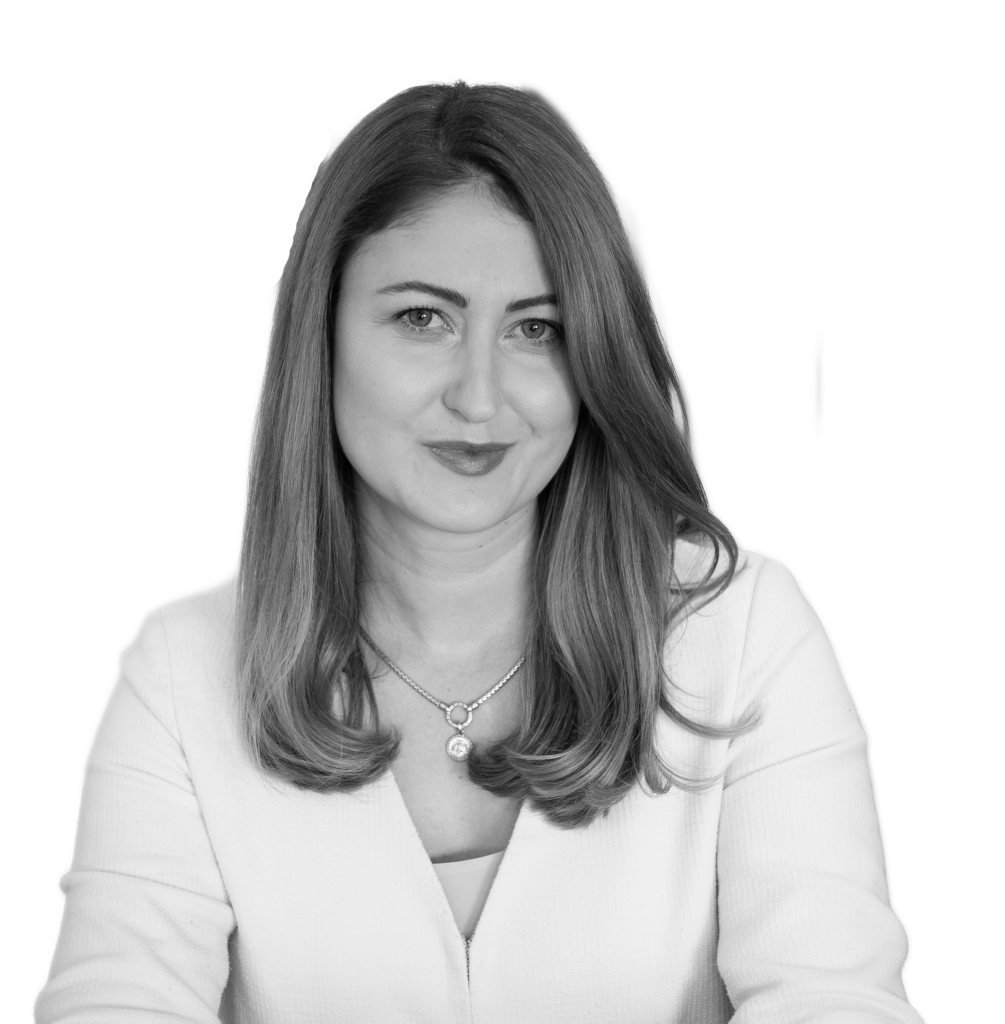
Kate Laurence Wants Trust to Survive the People in Charge
Growing up in Russia gave Kate Laurence a reason to question institutions. A career at Gartner gave her a way to question technology. At Bloccelerate VC, she has made a business of doing both.
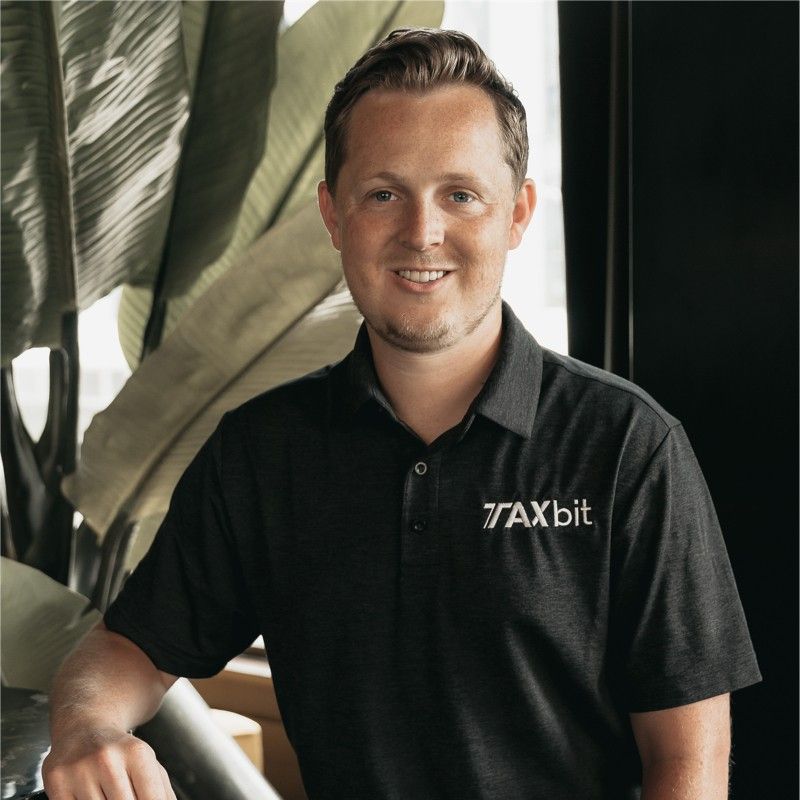
Austin Woodward and the price of a missing form
A spreadsheet that cost more than the tax bill helped send Austin Woodward into business. At Taxbit, the accountant built a company around the paperwork digital money leaves behind.